Whether an Old Whippet Feels the Cold More
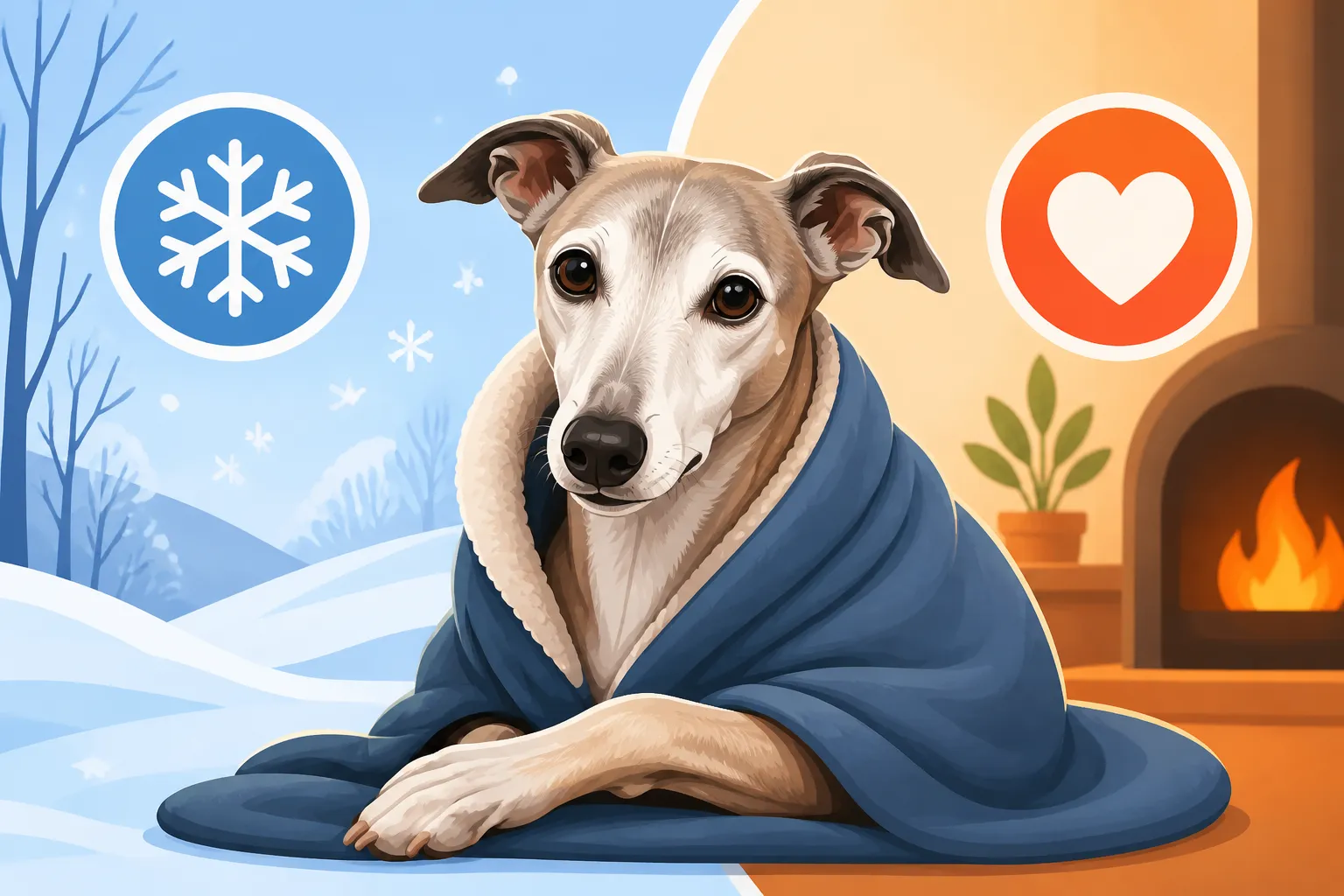
One of the most common worries we Whippet owners share as our beloved companions enter their golden years is whether they're truly comfortable, especially when the temperature drops. That inherent lean physique and thin skin, which makes them such graceful athletes, also means older Whippets often feel the cold far more acutely than they did in their prime, leading to shivering, stiffness, and general discomfort. This comprehensive guide will delve into why senior Whippets become more sensitive to cold, how to spot the signs, and practical, empathetic ways you can ensure your aging friend stays cozy and happy through all seasons.
The Physiological Realities: Why Senior Whippets Get Colder
It’s not just your imagination; your older Whippet genuinely does feel the cold more intensely than when they were a spry youngster. While all dogs can experience increased cold sensitivity with age, it's particularly pronounced in a breed like the Whippet, who are naturally lean and lack significant body fat or a thick undercoat for insulation. As they age, several physiological changes compound this predisposition, making it a real concern for their well-being.
Decreased Metabolic Rate and Heat Production
Think about how your own body changes as you get older; metabolism often slows down. The same thing happens with our canine companions. An aging Whippet's metabolism isn't quite as efficient at generating internal body heat as it once was. Their bodies simply don't churn out as much warmth, meaning they rely more heavily on external sources to stay comfortable. This isn't a sign of ill health necessarily, but a natural part of the aging process that needs to be acknowledged and accommodated.
Couple this with potentially reduced activity levels. While some senior Whippets still enjoy a good sprint, many naturally slow down. Less running and playing means less muscle activity, which also contributes to internal heat generation. So, a less active, slower-metabolizing senior Whippet is already starting from a deficit when it comes to battling the chill.
Thinner Skin and Reduced Fat Stores
Whippets are already renowned for their thin skin – it’s almost like parchment, especially over their delicate joints and bony prominences. As a Whippet ages, their skin can become even thinner and less elastic. This offers even less of a barrier against cold air, making them more vulnerable to drafts and lower temperatures. Combine this with the natural loss of muscle mass and fat that can occur with age, even in a well-fed Whippet, and you have a recipe for increased cold sensitivity. They literally have less padding to keep them warm.
This lack of natural insulation means that where a younger Whippet might shiver briefly and then warm up, an older Whippet might struggle to regain a comfortable body temperature without significant help. It highlights why "A Whippet has no insulation and no padding," is a mantra every owner learns early on, but it becomes even more critical in their senior years. The bones that are already prominent simply have less tissue over them to keep warm.
Compromised Circulation
An often-overlooked aspect of aging is the subtle changes in the circulatory system. As dogs get older, their blood circulation can become less efficient, particularly to the extremities like paws, ears, and tail. Good circulation is vital for distributing warmth throughout the body, and if this system isn't working at its peak, these areas will feel the cold first and most intensely. Imagine your own hands and feet getting colder more easily as you age; it's a similar principle.
This reduced circulation isn't always a cause for alarm on its own, but it certainly contributes to the overall feeling of being cold. It means that even if the core body temperature is maintained, an older Whippet might still feel chilly at the tips of their ears or their paw pads, making them uncomfortable. If you notice persistent cold extremities or other signs, it's always wise to mention it during your regular vet checks for The Twelve to Fifteen Years a Whippet Lives.
Spotting the Signs: Is Your Old Whippet Really Cold?
It’s easy to project our own feelings onto our pets, but with older Whippets, their subtle cues often speak volumes. Learning to recognize the signs that your senior Whippet is feeling the chill is paramount to keeping them comfortable. They can’t just tell you they’re cold, so you need to be their attentive observer, especially as their habits and needs change.
Behavioral Indicators of Cold
One of the most obvious signs your Whippet is cold is shivering. While shivering can be a sign of pain or anxiety, in cold weather, it's often their body's way of trying to generate heat. Pay attention if they start shivering even indoors, especially if there’s a slight draft or the house temperature drops a few degrees. This is their clear signal that they need more warmth. You might also notice them hunching their back or tucking their tail tightly, trying to make themselves smaller to conserve heat.
Another common behavior is seeking warmth relentlessly. This might look like burrowing deeper under blankets, trying to squeeze under your arm on the sofa, or gravitating towards sunbeams or heat registers. My own old boy would practically glue himself to the radiator in winter, something he rarely did when younger. They might also become reluctant to go outside for potty breaks, even if they desperately need to go. Standing at the door, looking out at the cold or rain, and then retreating to their bed, is a strong indicator that the outdoor temperature is simply too much for them to bear.
Physical and Activity-Related Cues
Beyond overt shivering, there are more subtle physical indicators that your Whippet might be feeling the cold. Gently touch their ears and paw pads. If they feel noticeably cold to the touch, it’s a good sign their circulation isn’t effectively warming those extremities. Their nose might also be colder than usual. Also, observe their movement. Cold can exacerbate existing aches and pains, making an older Whippet more stiff or slow to rise, especially after a nap in a cooler spot. They might move with less enthusiasm or even show slight lameness if the cold is making their joints ache.
If your senior Whippet is typically eager for their walks or playtime but seems hesitant or less engaged when it’s chilly, this could be another indicator. They might try to cut walks short, or seem more focused on getting back inside than enjoying their time outdoors. It's a noticeable shift from their younger, more resilient selves, and recognizing The Signs a Whippet Is Getting Old includes these changes in their cold tolerance.
Warming Up Your Old Whippet: Practical Strategies
Once you recognize that your senior Whippet is feeling the cold, it's time to spring into action with practical, empathetic solutions. Keeping them warm isn't just about comfort; it's about supporting their overall health and quality of life as they age. A few thoughtful adjustments can make a world of difference.
Enhancing Indoor Comfort and Warmth
Your home should be a sanctuary of warmth for your older Whippet. Start by addressing their sleeping and resting areas. Ensure they have access to plenty of soft, well-insulated bedding in every room they frequent. Memory foam beds or orthopedic mattresses are fantastic not just for joint support, but also for providing a barrier against cold floors. Consider elevated beds that keep them off cold tile or wood. Many old Whippets will also benefit from Beds That Suit an Arthritic Whippet to help with stiffness from the cold.
Drafts are a silent enemy for a thin-skinned Whippet. Walk around your home at their level and identify any areas where cold air might be seeping in, especially near windows and doors. Use draft stoppers, consider heavy curtains, or rearrange furniture to move their beds away from these chilly spots. For those truly cold days, an indoor sweater or pajamas can provide an extra layer of warmth, even inside the house. You might be surprised how much happier they are with a cozy fleece on. Remember, "A Whippet needs more layers" becomes a reality as they age.
A favorite strategy for many Whippet owners is providing blankets for burrowing. Whippets adore to burrow, and an older Whippet will relish the ability to create their own warm nest. Place soft blankets on their beds, sofas, and even in their crate. Some owners even use pet-safe heated pads, placed underneath their bedding, to offer consistent, gentle warmth. This can be especially soothing for arthritic joints.
Outdoor Protection and Exposure Management
When it comes to outdoor excursions, protection is key for your senior Whippet. Their standard "wardrobe" needs to be upgraded as they age. Investing in high-quality, warm coats and sweaters is no longer just a fashion statement; it's a health imperative. Look for options that cover their belly and extend down their rear to maximize warmth. Materials like fleece lined with waterproof or windproof outer layers are ideal. You might find "The Wardrobe a Whippet Needs Because It Has No Body Fat" becomes even more extensive for an older dog.
Consider the temperature carefully before heading out. For many senior Whippets, The Temperature at Which a Whippet Needs a Coat will be higher than for a younger, more robust dog. On particularly frigid, windy, or rainy days, limit their outdoor time to quick potty breaks. If your Whippet tolerates them, dog booties can protect their sensitive paw pads from cold pavement, ice, and road salt, which can be irritating and painful. A brief mental check: if you're feeling quite cold, your older Whippet likely is too, even with a coat.
Table: Cold Weather Strategies for Senior Whippets
| Area of Concern | Younger Whippet Approach | Senior Whippet Approach | Key Products/Actions |
|---|---|---|---|
| Indoor Comfort | May tolerate cool spots, thin bed | Needs consistent warmth, excellent insulation | Orthopedic beds, elevated beds, heated pads (under bedding), draft stoppers, indoor sweaters/pajamas |
| Outdoor Protection | Light coat for cold, longer walks in mild cold | Heavy, full-coverage coats, very limited exposure in extreme cold | Warm coats (belly coverage), waterproof layers, booties (if tolerated), short, frequent potty breaks |
| Body Temperature | Efficient internal heat generation, quicker recovery | Reduced metabolic heat, slower to warm up | Warm bedding, layers, monitoring for shivering, gentle exercise |
| Physical Well-being | Flexible, less impact from cold on joints | Stiffness exacerbated by cold, potential joint pain | Orthopedic beds, keeping active (gentle), vet checks for pain management |
Nutritional Support and Overall Health
Maintaining a healthy body weight is crucial for your older Whippet. While we never want a Whippet to be overweight, which can lead to other health issues, being too thin in their senior years means they have even less natural insulation. Work with your vet to ensure your Whippet is at an ideal body condition score. This might mean adjusting their diet to a high-quality senior formula that provides adequate calories and nutrients without overfeeding. You can learn more about finding the right balance by reading Keeping Weight On a Whippet Without Making It Fat.
Ensure they have constant access to fresh water, as staying hydrated is important for overall health and circulation. If they are prone to skipping meals, try warming their food slightly or adding a palatable topper to encourage eating. For ongoing health monitoring and potential age-related issues, many owners find peace of mind with a robust pet insurance plan. Companies like Healthy Paws can help cover significant expenses should an age-related condition arise that exacerbates their cold sensitivity or requires more intensive care.
When to Consult Your Veterinarian
While increased cold sensitivity is a common aspect of aging, sometimes it can be a symptom of an underlying health issue that needs professional attention. It's always best to involve your veterinarian in the care of your senior Whippet, especially if you notice significant or sudden changes in their cold tolerance.
Ruling Out Underlying Health Conditions
Several medical conditions can cause or exacerbate cold intolerance in older dogs. If your Whippet seems unusually cold, is lethargic, or shows other concerning symptoms, a vet check-up is in order. Conditions like hypothyroidism, though often misdiagnosed in Whippets due to their naturally lower thyroid readings, can cause a genuine decrease in metabolic rate and lead to feeling cold. While The Hypothyroidism a Whippet Does Not Have is generally true for their baseline numbers, a true age-related thyroid issue could be at play if symptoms are pronounced.
Arthritis and joint pain can make a Whippet reluctant to move, which in turn reduces heat generation. Cold weather can also make existing joint pain worse, creating a vicious cycle. Your vet can assess for arthritis and discuss pain management options. Furthermore, conditions affecting circulation, such as heart disease, can lead to cold extremities. Many old Whippets develop Mitral Valve Disease Is What Ends Most Old Whippets, and compromised cardiac function can certainly impact how well blood circulates and delivers warmth. If you notice persistent cold paws or a new cough, it's worth a cardiac work-up.
Medication Adjustments and Management
If your older Whippet has existing health conditions, their current medications might need adjustment as they age, or new medications might be introduced to address age-related issues. For instance, pain relief for arthritis can make a huge difference in their willingness to move and, consequently, their ability to stay warmer. Your vet can review all medications to ensure they aren't inadvertently contributing to cold sensitivity or are optimally managed for their senior needs.
Don't hesitate to bring up your concerns about your Whippet's coldness during routine check-ups. Even if it's just a general symptom, it can provide your vet with valuable insights into their overall health picture. Regular wellness exams become even more vital as they age, helping to catch potential issues early. This proactive approach, often supported by pet insurance providers like Healthy Paws, ensures your Whippet receives the best possible care throughout their senior years, addressing issues like "Caring for an Old Whippet That Feels the Cold" comprehensively.
Disclaimer
This article is for general informational purposes only and does not constitute professional advice. Laws, prices and regulations vary by location and change over time. Consult a qualified professional for guidance on your specific situation.