How Many Sweaters a Whippet Owner Ends Up With
If you've just welcomed a Whippet into your home, you might be imagining a sleek, elegant companion trotting beside you. What you might not be picturing is the ever-growing collection of sweaters, coats, and pajamas that will soon overtake a significant portion of your laundry space. It’s a common, almost universal, experience for Whippet owners, and it often leads to a full-blown canine couture closet. This guide will delve into the whys and how-manys of your Whippet's inevitable wardrobe, helping you understand why these lean, loving dogs need so many layers and what to expect as you embark on this delightfully cozy journey.
The Undeniable Need: Why Whippets Are Such Fashion Plates (Out of Necessity!)
Let's be real: your Whippet isn't donning that adorable little fleece sweater because they're trying to make a statement, although they certainly do look dashing. They're wearing it because they need it. These dogs, with their unique physiology, simply aren't built to handle the cold like many other breeds. Understanding their physical makeup is the first step to accepting the inevitable pile of clothing you'll acquire.
The Bare Facts: No Fat, Thin Skin, and a Racing Metabolism
One of the most striking things about a Whippet is their incredibly lean, athletic build. They are literally built for speed, not for surviving chilly weather. Unlike breeds with thick double coats or ample subcutaneous fat, Whippets have very little natural insulation. If you run your hand over your Whippet's back, you'll feel ribs and muscle definition with very little padding in between. This is entirely normal for the breed, but it means they get cold, and they get cold fast. They have A Whippet Has No Insulation and No Padding, which is a critical factor in their temperature regulation. Their thin skin, while a thing of beauty, also offers little barrier against the elements. It’s not just about feeling chilly; it's about maintaining core body temperature, which their fast metabolism struggles with when the mercury drops. They burn through calories quickly, generating heat during activity, but when resting or in cooler environments, that internal furnace just isn't enough.
Imagine stepping outside on a crisp autumn morning wearing only a t-shirt, while everyone else has a jacket. That's often how a Whippet feels. Their short, fine coat does little to trap warmth, and without that insulating layer of fat, they are highly susceptible to the cold. This isn't a flaw in the breed; it's a characteristic that makes them incredible athletes and wonderfully cuddly companions indoors. But it places the responsibility on us, their human companions, to provide the protection their bodies lack. We often joke that they are "solar-powered" or "battery-operated" because they thrive in sunbeams and quickly wind down when they get cold.
Temperature Sensitivity: When "Cool" is "Too Cold"
What we humans might consider a "pleasant" cool day can be downright uncomfortable, if not dangerously cold, for a Whippet. Think about it: a breezy 60-degree Fahrenheit day in the shade might feel refreshing to you, but your Whippet could be shivering. They tend to shiver not just from extreme cold, but also from mild discomfort, excitement, or even nervousness. It's a physiological response to trying to generate heat. This makes their The Temperature at Which a Whippet Needs a Coat much higher than most other dogs. For many Whippets, anything below 65-70 degrees Fahrenheit, especially if there's a breeze or if they're inactive, warrants at least a light layer. For older Whippets, this sensitivity increases even more. Whether an Old Whippet Feels the Cold More is a definite yes; their metabolism slows, and they might have less muscle mass, further reducing their ability to stay warm.
A common scenario: you take your Whippet out for a quick potty break on a cool evening. Even if it’s just for five minutes, they can start to shiver, tucking their tail and hunching their shoulders. This isn't them being dramatic; it's their body telling them they're cold. Prolonged exposure to even moderately cool temperatures can make them uncomfortable, and in genuinely cold weather, it can lead to health concerns. This isn't just about shivering; it's about energy expenditure. A dog constantly trying to warm itself is burning calories unnecessarily and can become fatigued more quickly. This is why you'll see Whippet owners bundling up their dogs even for short walks or car rides in air-conditioned vehicles.
The Endless Wardrobe: Types of Coats a Whippet Accumulates
Given their specific needs, it’s no wonder that a Whippet’s wardrobe quickly grows. It’s not about having one coat; it’s about having the right coat for every conceivable situation. Just like a human needs different attire for sleeping, running errands, or facing a blizzard, your Whippet will too.
Everyday Layers: From Pajamas to Light Sweaters
The core of any Whippet wardrobe begins with the everyday layers. These are the items they might wear indoors, on mild days, or as a base layer under heavier coats.
-
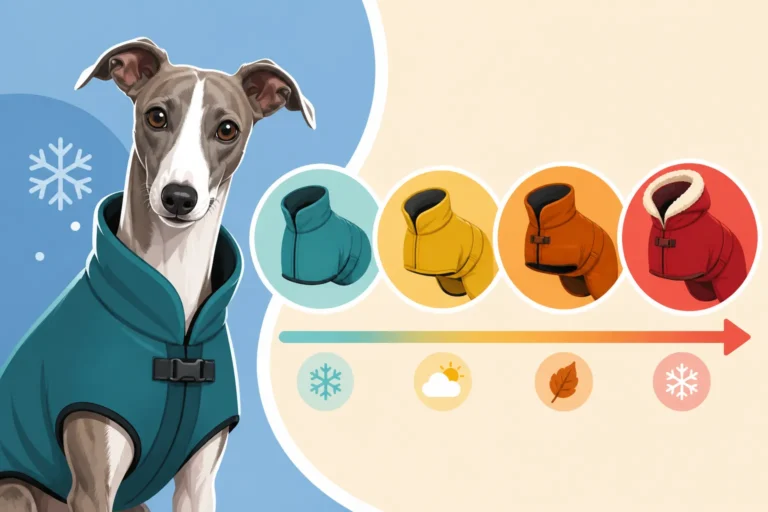
Indoor Sweaters/Pajamas: Many Whippets wear light fleece pajamas or snug sweaters even inside, especially in cooler homes, during the night, or if they just prefer to be extra cozy. This is especially true if you live in an older home with drafts, or if your thermostat is set lower to save on heating bills. Whether a Whippet Needs a Coat Indoors is a question many new owners ask, and the answer is often a resounding "yes" if they're prone to shivering or seeking out blankets. These indoor garments are usually made from soft, breathable materials like fleece, stretch jersey, or light knit fabrics. They offer a sense of security and warmth without being too bulky or restrictive. They’re perfect for snuggling on the sofa, keeping warm in their crate overnight, or just adding an extra layer of comfort. My Whippet often has a light fleece on from November to April, even when the house is warm, simply because he loves the snug feeling.
-
Light Outdoor Sweaters: For those days when it's not freezing but there's a definite chill in the air, a simple wool or fleece sweater is perfect. These are great for quick potty breaks, short walks on crisp autumn days, or a trip to the pet store. They provide an initial barrier against the cold without being overly cumbersome. You might pick these up from retailers like Chewy, which offers a wide selection of styles and materials for various dog breeds, including options that fit a Whippet's unique physique. The key here is comfort and ease of movement. You want something that provides warmth but doesn't hinder their ability to run or play if the mood strikes.
Outerwear for All Occasions: Rain, Winter, and Protection
Beyond the basic layers, your Whippet will need specialized outerwear to tackle more challenging weather conditions and activities.
-
Raincoats: Ah, the dreaded rain! Many Whippets, despite their athletic prowess, absolutely despise getting wet. A good raincoat isn't just about keeping them dry; it's about encouraging them to go outside to do their business without turning into a frozen, miserable statue. Whether a Whippet Needs a Raincoat isn't just about comfort; it can actually help with house training if your Whippet is a fair-weather potty-goer. Look for waterproof or highly water-resistant materials, ideally with a hood and good belly coverage to prevent splash-back. These coats are typically lightweight and designed to be worn over another sweater if extra warmth is needed. They are essential for dreary, damp days when even a quick dash outside can leave a Whippet soaked and shivering.
-
Heavy Winter Coats/Parkas: When winter truly bites, a heavy, insulated winter coat is non-negotiable. These are designed for sub-freezing temperatures, snow, and icy winds. They often feature a waterproof or water-resistant outer shell with a thick fleece or synthetic insulation lining. Some even have reflective strips for visibility during dark winter evenings. What a Winter Coat for a Whippet Costs can vary greatly depending on the brand and materials, but it's an investment in your dog's health and comfort during the coldest months. These coats typically offer more coverage, often extending over the rump and chest, sometimes with a snood-like collar to protect the neck and ears. For extreme cold, some owners opt for Whether a Whippet Needs Two Layers in Winter, using a light fleece pajama underneath a heavy winter coat.
-
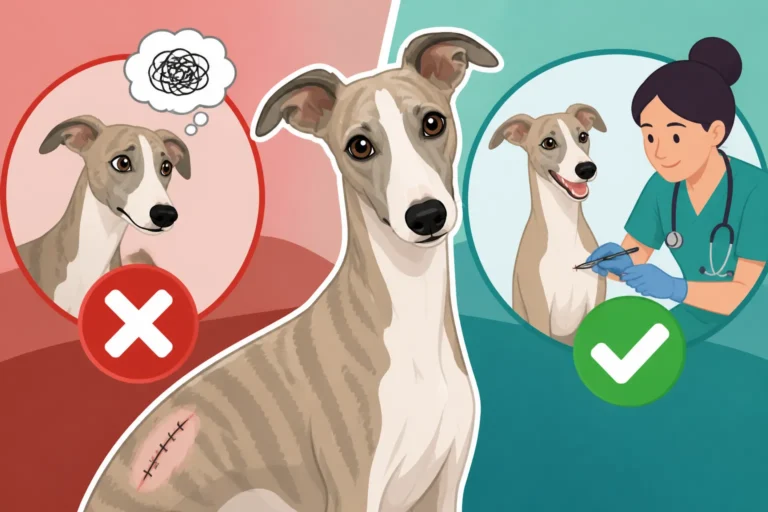
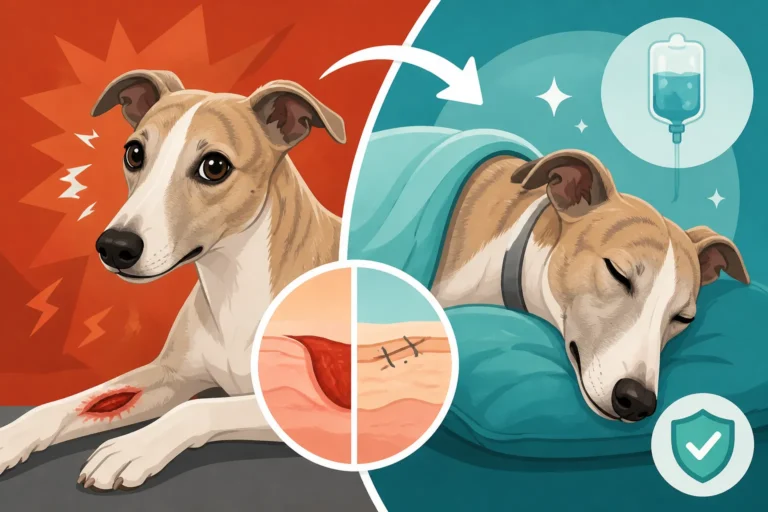
Protective Gear for Adventures: For Whippets who love to explore trails, hike, or run through brush, protective coats are vital. Their thin skin is incredibly delicate and prone to tears and scrapes from branches, thorns, or even rough play. Why a Whippet's Skin Tears From Running Through Brush is a common concern among owners. A durable, ripstop fabric coat can act as a shield, preventing minor injuries that could lead to costly vet visits. This is where pet insurance from providers like Healthy Paws can be a real lifesaver, as those unexpected Emergency Stitches: the Whippet Bill Nobody Budgets For can add up quickly. While insurance helps with the aftermath, a good protective coat can prevent some of these incidents from happening in the first place, making it a wise preventative investment. These coats are often lighter than winter coats but made from tougher materials, focusing on abrasion resistance.
Here's a quick look at the typical Whippet wardrobe essentials:
| Type of Apparel | Primary Purpose | Typical Materials | When to Use |
|---|---|---|---|
| Indoor Pajamas/Fleece | Core warmth, comfort, security | Fleece, knit jersey | Inside home (cool temps/drafts), overnight, after baths, elderly Whippets |
| Light Sweater | Mild outdoor chill, layering | Wool, thinner fleece | Crisp autumn/spring days, brisk indoor temps, layering under rain/winter coat |
| Raincoat | Keep dry, encourage outdoor potty | Waterproof nylon, polyester | Rainy, damp, or snowy days (prevents getting soaked) |
| Heavy Winter Coat | Extreme cold protection | Insulated waterproof shell, fleece lining | Freezing temperatures, snow, icy winds, prolonged outdoor exposure |
| Protective Vest/Coat | Prevent skin tears, visibility | Ripstop nylon, durable canvas | Hiking, running through brush, rough outdoor play, hunting |
The Reality Check: How Many Sweaters Do You Really End Up With?
So, back to the burning question: how many sweaters does a Whippet owner actually end up with? The honest answer is: probably more than you ever thought possible, and likely more than your human family members own. It's a journey that often starts small and rapidly expands.
The Cycle of Acquisition: It's Never Just One
It typically begins innocently enough. You bring your Whippet puppy home, and it’s a tiny, shivering bundle. You buy one small fleece sweater for him, perhaps a little vest for chilly walks. Then, he grows, rendering that first beloved item too small. So, you buy another, slightly larger one. Then you realize that one sweater gets dirty quickly, especially if he rolls in mud or has a little "accident," so you need a spare while the first is in the wash. That’s two.
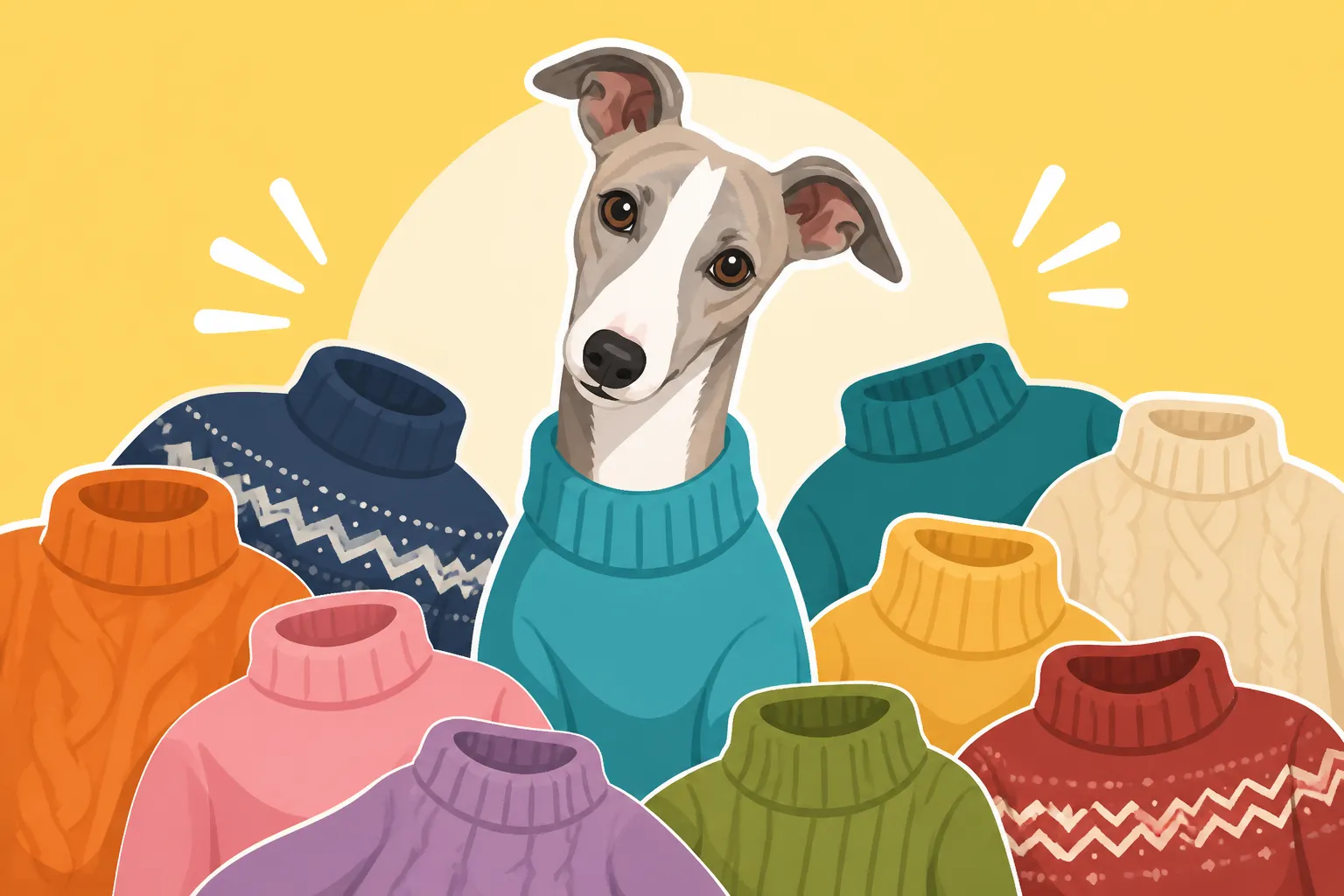
Then comes winter. That light fleece isn’t cutting it anymore. Now you need a proper, thick winter coat. You discover how much he hates the rain, so a raincoat is added to the collection. Soon, he's outgrown the "medium" sweater you bought last year, and it’s time for a "large." Before you know it, you have a pile of outgrown, dirty, or situation-specific garments. This leads to the phenomenon of How Many Sweaters a Whippet Owner Ends Up With. Many seasoned Whippet owners will tell you they easily have a dozen or more pieces of clothing for each dog – not including blankets! Each piece serves a specific purpose, or perhaps a different aesthetic appeal. It's truly a testament to how dedicated Whippet owners are to their dogs' comfort and well-being.
The "Just In Case" Collection and Obsession
Beyond the functional necessity, there's also the element of pure enjoyment and, dare I say, obsession. Whippet owners often find themselves drawn to new styles, colors, and patterns. "Oh, that houndstooth pattern would look adorable on Fido!" or "This new waterproof fabric looks so much better than his old one." It's easy to fall into the trap of having a "just in case" collection:
- A "dressy" sweater for special occasions.
- A lighter cotton tee for sun protection on a cool, sunny day.
- An extra thick thermal for those truly arctic blasts.
- A fun Halloween costume that doubles as a cozy layer.
Online retailers like Chewy make it incredibly easy to browse endless options, tempting you with stylish and practical choices. You might even find yourself buying two of the same item in different colors, just because you can't decide! While your Whippet is generally a "forty mile an hour couch potato," they still enjoy their comfort. Ensuring their physical needs are met with a diverse wardrobe allows them to fully embrace their indoor lounging habits while being ready for any outdoor adventure, big or small. Even with a carefully planned diet like those offered by Ollie, ensuring they have the right nutrients for optimal health, their physiological need for external warmth remains paramount. This dedication to their comfort often means a continuously expanding clothing collection.
Navigating the Whippet Wardrobe: Smart Choices and Practical Tips
While accumulating a vast array of Whippet wear is almost inevitable, you can approach it strategically to ensure you're making smart choices that benefit your dog and your wallet.
Quality Over Quantity (Mostly): Investing Wisely
It can be tempting to grab the cheapest sweater you see, especially when you know you'll need many. However, with Whippets, quality often pays off. Their unique body shape – deep chest, narrow waist, long neck – means that generic dog coats often fit poorly, gapping in some areas and being too tight in others. A poorly fitting coat can restrict movement, rub their thin skin, or fail to provide adequate warmth. Investing in reputable brands that specifically design for sighthound body types can make a huge difference.
Consider the following when buying:
- Fit: Look for brands that offer sighthound-specific sizing. A good coat should cover from the base of the neck to the tail, allow full range of motion in the shoulders and legs, and provide good chest and belly coverage without being too loose or tight. Sometimes, the value of a custom coat (Whether a Custom Whippet Coat Is Worth the Price) becomes apparent when off-the-rack options just don't cut it, providing unparalleled comfort and protection.
- Material: Is it breathable? Is it truly waterproof or just water-resistant? Is the lining soft against their skin? For very cold weather, synthetic insulation like Thinsulate or a thick fleece provides excellent warmth without excessive bulk. For protection against skin tears, look for durable, ripstop materials.
- Ease of Use: Can you get it on and off easily, especially if your Whippet isn't thrilled about being dressed? Velcro, buckles, and zippers should be secure but not rub against their delicate skin.
While it’s great to have a few everyday, affordable sweaters, don’t shy away from investing in one or two high-quality, durable winter coats or raincoats that will last for years and provide superior protection. Keeping a Whippet Warm Without Overheating It is also key, so layers are often more effective than one incredibly bulky garment.
Storage Solutions and Hand-Me-Downs
With all these coats, you’ll quickly face a storage dilemma. Here are a few practical tips:
- Dedicated Space: Designate a specific drawer, basket, or even a small wardrobe for your Whippet's clothes. This keeps them organized and easily accessible.
- Seasonal Rotation: Just like your own wardrobe, rotate your Whippet's clothes seasonally. Pack away the heavy winter parkas in summer and bring out the lighter vests and raincoats.
- Outgrown Items: Don't just toss out perfectly good, outgrown sweaters. If they’re in good condition, consider donating them to a sighthound rescue or passing them on to friends with smaller Whippets or other sighthound mixes. They can certainly be "hand-me-downs" that continue to provide warmth and comfort to another deserving dog.
- Cleaning: Regularly wash your Whippet's clothes according to the care instructions. Keeping them clean and fresh extends their life and ensures your dog is always comfortable.
Ultimately, the number of sweaters and coats a Whippet owner ends up with is a testament to the love and care we have for these unique, sensitive creatures. It’s an investment in their health, happiness, and ability to thrive in a world that isn't always warm enough for their sleek, delicate bodies. Embrace the sartorial journey – your Whippet will thank you with endless snuggles and happy sprints!
Disclaimer
This article is for general informational purposes only and does not constitute professional advice. Laws, prices and regulations vary by location and change over time. Consult a qualified professional for guidance on your specific situation.