Why a Whippet Shivers Indoors
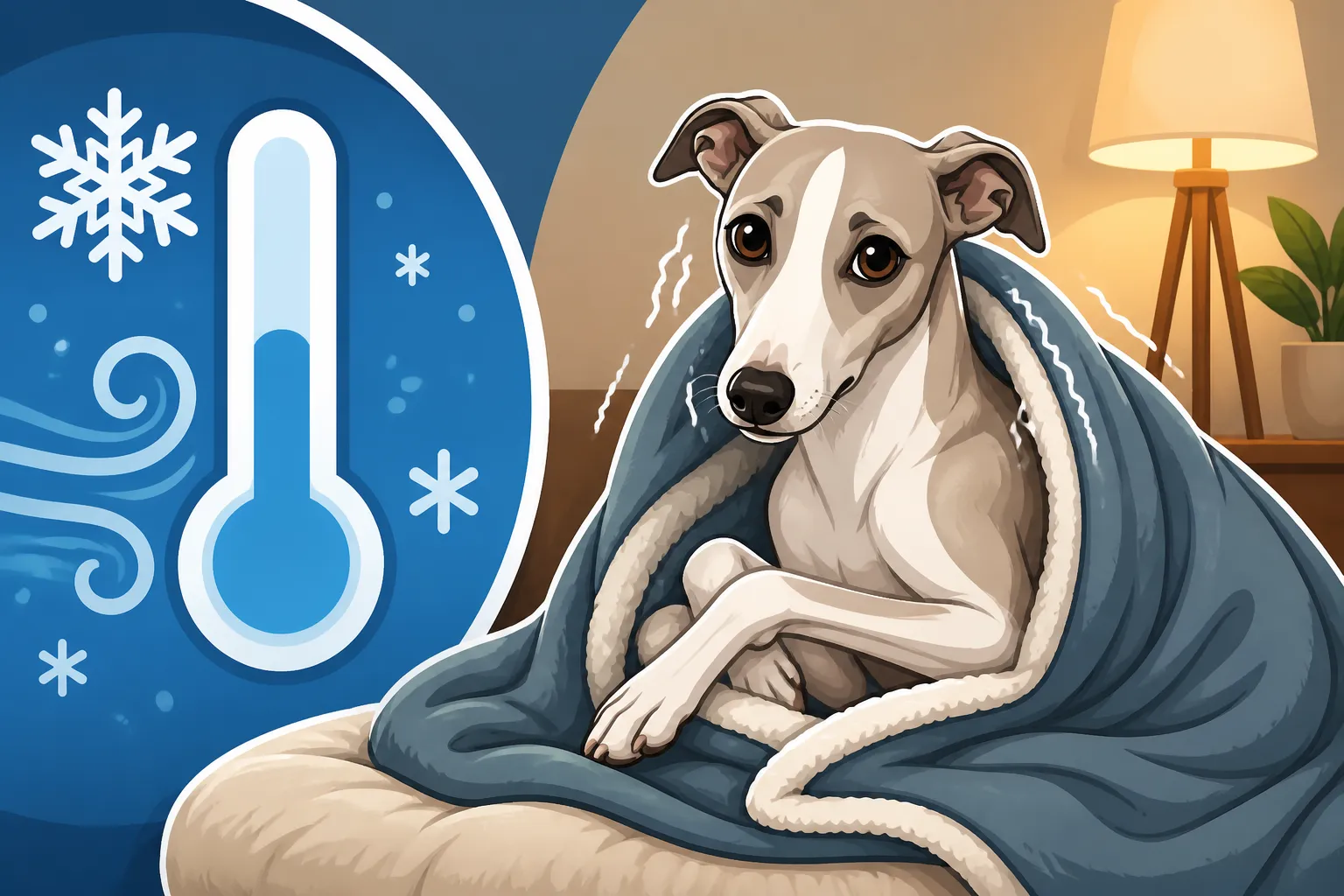
It's a common sight for many Whippet owners: you’re curled up on the sofa, feeling perfectly comfortable, perhaps even a little warm, and there's your beloved Whippet, tucked into a tight ball or pressed against you, shivering like a leaf. It makes you wonder if you’ve got the heating on low, or if something is wrong. This guide aims to unravel the mystery of why your Whippet shivers indoors, helping you understand their unique needs and how to ensure they are truly comfortable and cozy in your home.
Understanding the Whippet's Unique Physiology
The primary reason Whippets shiver, often seemingly without cause in a warm house, comes down to their very specific physical build. They aren't like other dog breeds with thick fur coats or layers of insulating fat. They are built for speed and agility, and that means a lean, finely-tuned physique that, while beautiful, isn't great at keeping warm.
The Bare Truth: Thin Skin and Lack of Subcutaneous Fat
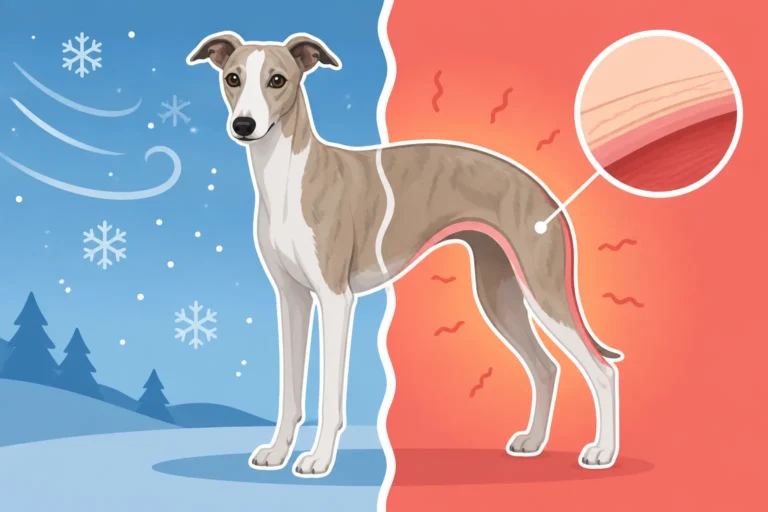
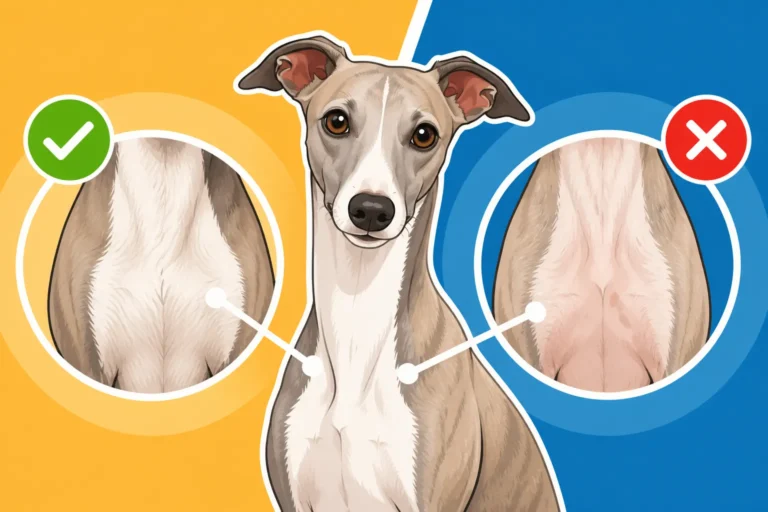
Imagine wearing a thin t-shirt in cool weather when everyone else is in a sweater. That's often how your Whippet feels. They possess incredibly thin skin, delicate and almost transparent in places, with a minimal amount of subcutaneous fat beneath it. This isn't a defect; it's a characteristic of the breed, essential for their speed and agility. While a Labrador might have a good inch or more of fatty insulation under its skin, your Whippet has barely a whisper. This means heat escapes their body much more readily, and they feel temperature changes far more acutely than many other breeds.
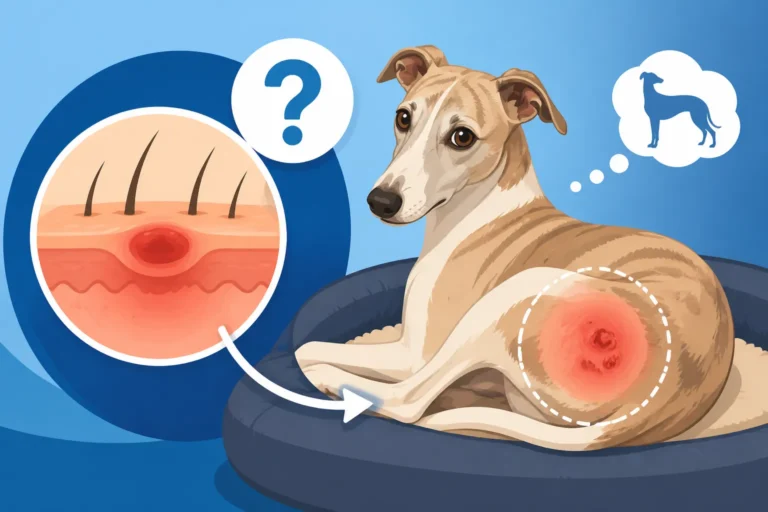
Their circulatory system is also close to the surface, making them sensitive to drafts and ambient temperature drops. When you see their ribs or the prominent line of their spine, it's not usually a sign of malnourishment, but rather a normal, healthy physique for the breed. This lack of padding also contributes to problems like pressure sores if they don't have adequate soft bedding. This distinctive physiology is why many owners quickly realize that A Whippet Has No Insulation and No Padding.
High Metabolism and Low Thermoregulation
Whippets are athletes, even the ones who spend most of their day napping on the sofa. This athletic build comes with a high metabolism. Their bodies are efficient machines, burning through calories to fuel their muscles, even at rest. A high metabolism usually generates heat, but for a Whippet, this heat can dissipate quickly due to their lack of insulation. When their body temperature starts to dip, their natural response is to shiver. Shivering is an involuntary muscle contraction designed to generate heat. It's their body's way of saying, "Hey, it's a bit nippy in here, let's warm up!"
This makes their thermoregulation, or ability to maintain a stable internal body temperature, a constant effort. They are often less efficient at it than breeds with denser coats or more body mass. Even a slight drop in room temperature that you wouldn't notice can trigger their shivering response. This is why you might find yourself constantly adjusting the thermostat or wondering The Temperature at Which a Whippet Needs a Coat even when indoors.
Environmental and Behavioral Factors Contributing to Shivering
Beyond their unique physiology, several external and internal factors within your home environment and your Whippet's emotional state can cause them to shiver. It's not always about being cold; sometimes, their sensitive nature plays a big role.
The Subtle Chill: Why Your Home Isn't Always Warm Enough
What feels like a comfortable room temperature to you might still be a little too cool for your thinly-skinned Whippet. Most homes are kept between 68-72°F (20-22°C), which is generally fine for humans. However, for a Whippet, especially one lying still on a tile floor or near a window, that can feel quite chilly. Drafts are also a huge culprit. Even small gaps around doors, windows, or floorboards can create cold air currents that sweep across your Whippet's low-slung body.
Think about it: you might be sitting on the sofa, but your Whippet is often stretched out on the floor, directly in the path of any cool air moving through the house. Their natural instinct to burrow under blankets or cuddle close to you isn't just about affection; it's often a genuine attempt to conserve body heat. This also explains why you might notice shivering more during colder months, even if your heating is on, as cold spots in the house become more pronounced. Whether a Whippet Needs a Coat Indoors is a question many owners ponder for this exact reason.
Nerves and Excitement: Shivering Beyond Temperature
Whippets are incredibly sensitive and emotionally intelligent dogs. Their expressive nature means their bodies often react visibly to their emotional state. Just like humans might tremble when nervous or excited, Whippets do too.
- Anxiety and Stress: If your Whippet is feeling anxious, perhaps due to a new environment, loud noises, separation from you, or even anticipating a vet visit, shivering can be a physical manifestation of that stress. This is particularly true for sensitive individuals. You might notice it if they are exhibiting other signs of anxiety, such as pacing, licking lips, yawning, or hiding. Separation Anxiety in a Whippet can certainly manifest in shivers when you leave.
- Excitement: On the flip side, extreme excitement can also trigger shivering. Imagine the sheer joy when you pick up their leash for a walk, or when you come home after a long day. Their little bodies can quiver with anticipation and happiness. This type of shivering is usually short-lived and accompanied by other happy behaviors like tail wags, play bows, and exuberant greetings. It's often endearing, a testament to their deep capacity for joy.
It can be a challenge to distinguish between shivering from cold and shivering from nerves, but paying attention to the context and other body language cues can help you determine the cause. Often, Telling a Cold Whippet From a Nervous One requires keen observation.
Post-Exercise Shakes: A Normal Recovery
After an intense burst of activity – a full-speed sprint in the yard, a lively game of fetch, or even an exciting lure coursing session – many Whippets will experience a period of shaking or shivering. This is usually a normal physiological response. Their muscles have been working hard, burning through energy stores and producing lactic acid. As their body recovers, this shivering helps to regulate their body temperature, dissipate muscle fatigue, and return their system to a resting state.
It's similar to how a human athlete might feel shaky or experience muscle tremors after a strenuous workout. As long as the shivering subsides relatively quickly and your Whippet seems otherwise fine – not disoriented, weak, or in pain – it's generally nothing to worry about. Providing a warm, soft place to rest and fresh water is usually all they need.
When Shivering Might Signal a Health Concern
While most indoor shivering in a Whippet is benign, stemming from their natural physiology or emotional state, it's crucial to be aware that it can occasionally be a symptom of an underlying health issue. Knowing when to be concerned can make all the difference.
When Shivering Points to Pain or Illness
If your Whippet's shivering is persistent, severe, or accompanied by other worrying symptoms, it's time to consider a trip to the vet. Shivering can be an indicator of:
- Pain: Dogs, especially sighthounds like Whippets, are stoic by nature and often hide pain until it becomes severe. Shivering can be an involuntary response to discomfort, whether it's from an injury, arthritis, or an internal issue. Look for other signs like limping, reluctance to move, guarding a specific body part, changes in appetite, or unusual vocalizations.
- Fever: Just like humans, dogs shiver when they have a fever, as their body tries to raise its core temperature to fight off infection. Check for other fever symptoms: lethargy, warm ears or nose, decreased appetite, and unusual thirst.
- Hypoglycemia (Low Blood Sugar): This can be a concern, especially in puppies, very small or elderly Whippets, or those with certain medical conditions. Symptoms of low blood sugar include weakness, disorientation, lack of coordination, and severe shivering or trembling. This requires immediate veterinary attention.
- Gastrointestinal Upset: An upset stomach, nausea, or even mild food poisoning can cause a Whippet to shiver. This is often accompanied by vomiting, diarrhea, loss of appetite, or abdominal discomfort.
- Toxicity: If your Whippet has ingested something poisonous, shivering or tremors can be a symptom. This is usually accompanied by other severe signs like vomiting, seizures, weakness, or collapse. This is an emergency.
- Neurological Issues: In rare cases, tremors or shivering can be indicative of a neurological problem, though these are typically more severe and less intermittent.
It's vital to observe your Whippet closely. If the shivering is new, unexplained, and coupled with any of the above, err on the side of caution and consult your veterinarian.
Medication Reactions and Anesthesia After-Effects
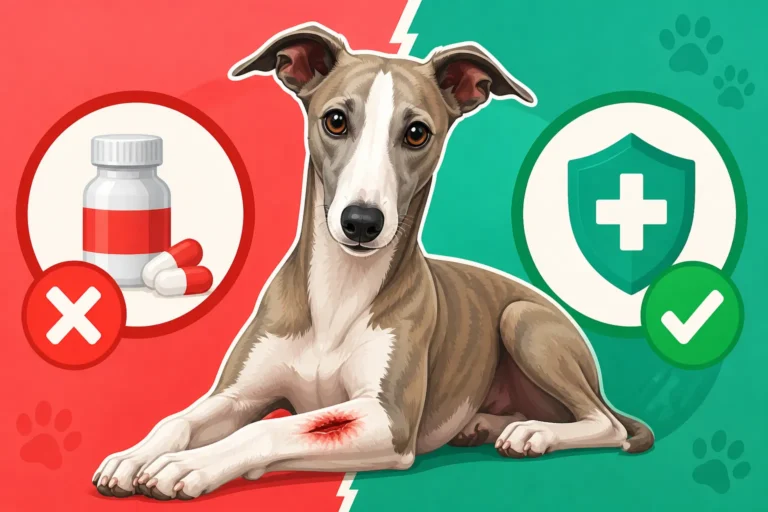
Medications can sometimes have side effects that include shivering or trembling. Always discuss any new symptoms with your vet if your Whippet is on a new medication.
Perhaps one of the most common medical reasons for shivering that many Whippet owners encounter is during recovery from anesthesia. Due to their low body fat and thin skin, Whippets are notoriously sensitive to anesthetic drugs and can take a long time to warm up and fully recover. How Slowly a Whippet Wakes From Sedation is a common concern. Post-anesthetic shivering is very common as their body temperature can drop during surgery, and they struggle to regulate it as the drugs wear off. Veterinarians experienced with sighthounds will often take extra precautions to keep them warm during and after procedures, using blankets, warmed IV fluids, and heating pads. If your Whippet has recently had surgery, this shivering is a very typical, though still uncomfortable, part of the recovery process.
Practical Strategies to Keep Your Whippet Warm and Comfortable
Knowing why your Whippet shivers is one thing, but knowing what to do about it is what truly helps them. Fortunately, there are many simple, effective ways to ensure your sensitive sighthound stays toasty and content indoors.
Layering Up: Indoor Apparel for Your Whippet
The most straightforward way to combat indoor chills for your Whippet is to provide them with appropriate clothing. This isn't just a fashion statement; it's a necessity for their comfort and well-being.
- Fleece Pajamas and Sweaters: For those cooler days or evenings, or if your house tends to be on the colder side, a soft fleece pajama set or a snug sweater can make a world of difference. These items provide an essential layer of insulation that their natural coat lacks. Look for designs specifically made for sighthounds, which often account for their deep chests and narrow waists, ensuring a comfortable, non-restrictive fit. You can find excellent options on sites like Chewy or Amazon.
- Light Indoor Coats: Sometimes, a full coat isn't necessary, but a light fleece-lined or quilted coat can be perfect for keeping off drafts. Many Whippet owners have a collection, ready for different indoor temperatures. This can be especially helpful for older Whippets who may feel the cold more acutely. Caring for an Old Whippet That Feels the Cold often involves more layers.
- When to Dress Them: Pay attention to your Whippet's behavior. If they are constantly seeking out warm spots, shivering, or trying to burrow, it's a clear sign they need an extra layer. It's often better to put a sweater on them proactively during cooler parts of the day or night than to wait until they are already cold.
Cozy Corners: Providing Adequate Bedding
A Whippet’s sensitive body needs more than just a thin mat on the floor. Proper bedding is paramount to prevent chills and ensure their comfort.
- Multiple, Plush Beds: Don't just have one dog bed. Your Whippet will appreciate a soft, supportive bed in every room they frequent. This allows them to always have a comfortable, warm spot to rest without having to lie on cold floors. Look for beds with thick bolsters or memory foam for extra warmth and joint support. Brands available on Amazon or Chewy offer a wide range of options.
- Blankets Galore: Whippets absolutely adore blankets. They love to burrow, nest, and tunnel under them, creating their own little warm cocoons. Provide several soft blankets in their beds, on the sofa, and even on the floor. Old fleece throws or dedicated dog blankets work wonderfully. This satisfies their natural instinct to 'den' and provides crucial insulation. Whether a Whippet Should Sleep Under a Blanket isn't just a preference, it's often a necessity.
- Elevated Beds: For areas with particularly cold floors, an elevated dog bed with a thick cushion can lift your Whippet off the cold surface, reducing exposure to drafts and radiating cold.
- Heated Beds/Pads: For especially cold climates or older Whippets, a thermostatically controlled heated bed or pad can be a game-changer. These provide consistent, gentle warmth and can greatly reduce shivering. Just ensure they are safe for pets and used according to manufacturer instructions.
Nutritional Support and Routine Comforts
Beyond clothing and bedding, a well-rounded approach includes diet and daily routines that support your Whippet's overall well-being and help them manage temperature fluctuations.
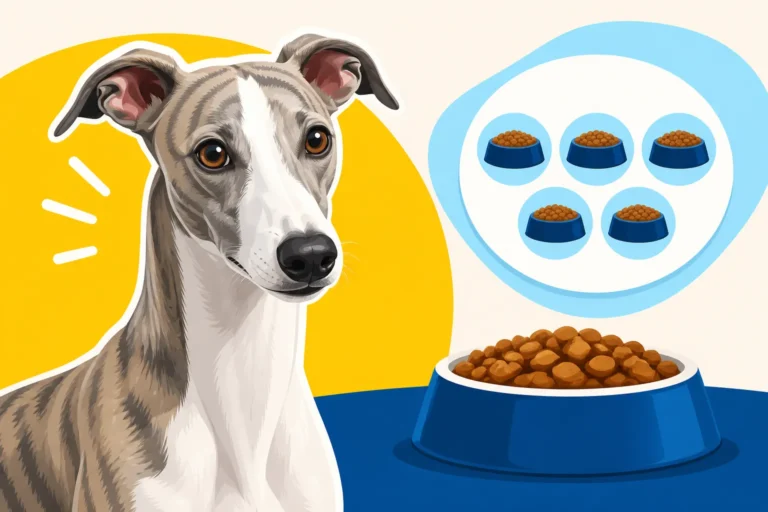
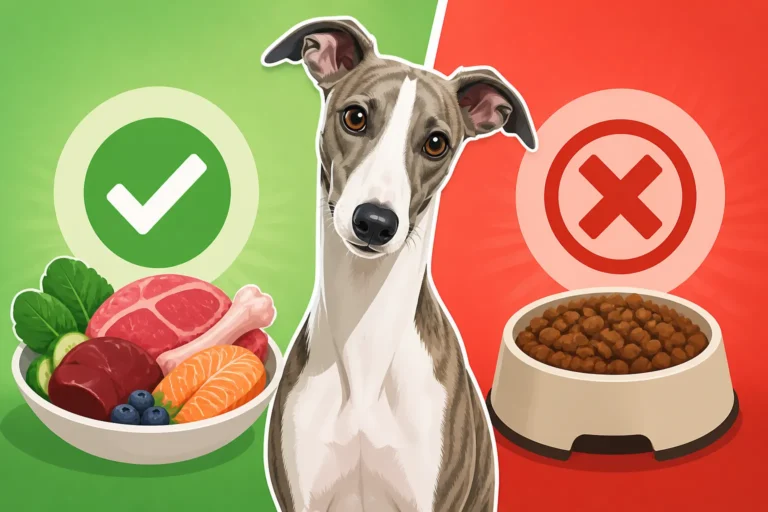
- Adequate Nutrition: Ensuring your Whippet is receiving appropriate nutrition and maintaining a healthy weight is important. While we don't want an overweight Whippet, one that is truly underweight will struggle even more with thermoregulation. A good quality, energy-rich diet can provide the fuel their metabolism needs to stay warm. Discuss food options with your vet, and consider brands that prioritize high-quality ingredients. Some owners explore fresh food options like Ollie, which can contribute to overall vitality. Keeping Weight On a Whippet Without Making It Fat is a delicate balance.
- Consistent Exercise (Appropriate for Age): Regular, appropriate exercise helps maintain muscle mass and a healthy metabolism, both of which contribute to better thermoregulation. Even short bursts of activity can help get their blood flowing and warm them up. However, ensure they are always adequately warmed up before intense activity and cooled down afterward.
- Stress Reduction: If you suspect anxiety or stress is contributing to shivering, focus on creating a calm, predictable environment. Provide safe spaces, consistent routines, and positive reinforcement. Address specific triggers where possible, and if anxiety is severe, consult with a professional dog trainer or veterinary behaviorist.
- Vet Check-ups: Regular veterinary check-ups are essential to rule out any underlying medical conditions. If you're consistently seeing shivering that doesn't seem linked to cold or excitement, or if other symptoms appear, your vet is your best resource for diagnosis and treatment.
By understanding your Whippet's unique needs and implementing these practical strategies, you can minimize indoor shivering and ensure your lean, lovely companion stays warm, comfortable, and happy in their home.
| Cause of Shivering | Description | Common Symptoms | Solution/Action |
|---|---|---|---|
| Cold | Lack of body fat/thin skin leads to rapid heat loss. Sensitive to drafts and cooler room temperatures. | Shivering, seeking warm spots, burrowing, cuddling close. | Provide sweaters/pajamas, extra blankets, plush beds, elevate beds. |
| Excitement | Overstimulation, anticipation of an activity (walk, food, greeting). | Short-lived shivering, tail wags, play bows, vocalizations, high energy. | Acknowledge excitement, manage stimulation, often resolves quickly. |
| Anxiety/Stress | Fear, nervousness, loud noises, new environments, separation. | Persistent shivering, pacing, lip-licking, yawning, hiding, panting. | Create calm environment, safe space, positive reinforcement, consult trainer/vet. |
| Post-Exercise | Normal muscle recovery after strenuous activity. | Shaking/trembling after running/playing, subsides quickly. | Provide a warm place to rest, fresh water. |
| Pain/Illness | Underlying medical condition, fever, injury, upset stomach, toxicity, hypoglycemia. | Persistent/severe shivering, lethargy, loss of appetite, vomiting, limping, collapse. | Immediate vet visit (especially if severe or sudden). |
| Medication/Anesthesia | Side effect of drugs or recovery from sedation/surgery. | Shivering post-procedure, grogginess, disorientation. | Keep warm, follow vet's post-op instructions, monitor closely. |
Disclaimer
This article is for general informational purposes only and does not constitute professional advice. Laws, prices and regulations vary by location and change over time. Consult a qualified professional for guidance on your specific situation.