Socializing a Whippet Puppy
Many new Whippet owners quickly realize that while these dogs are incredibly loving and often calm indoors, their unique sighthound nature and inherent sensitivity mean that early socialization isn't just about throwing them into every situation. It's about careful, positive exposure to the world without overwhelming their delicate psyches, and this guide will walk you through building a confident, well-adjusted Whippet puppy from the very start.
Understanding the Whippet's Temperament and Socialization Needs
Bringing a Whippet puppy home is an exciting time, but it also comes with the responsibility of understanding their distinct personality traits. Unlike some other breeds, Whippets aren't typically boisterous or fearless from day one. They possess a beautiful blend of grace, athleticism, and a deeply sensitive soul that requires a thoughtful approach to socialization. Ignoring these innate qualities can lead to a shy, anxious, or reactive adult dog, which is the last thing any loving owner wants.
The Innate Sensitivity of a Whippet
One of the most striking characteristics of a Whippet is their sensitivity. They are finely tuned creatures, often quick to pick up on emotional cues, and they can be easily startled or overwhelmed by loud noises, sudden movements, or rough handling. This isn't a flaw; it's just who they are. Their delicate physical build often mirrors a delicate emotional state, meaning that what might roll off a bulldog's back could leave a lasting impression on a Whippet.
Because of this inherent sensitivity, every interaction during their formative puppy months carries significant weight. A single negative experience – perhaps being roughly handled by a well-meaning but clumsy child, or startled by an overly boisterous dog – can set back their confidence significantly. It's not about coddling them, but about creating an environment of safety and positive reinforcement. This gentle approach is key to helping them trust the world around them, rather than retreating from it. They truly thrive when their human understands their need for calm, consistent reassurance, making How a Whippet Learns When It Bruises From Pressure a vital read for any owner.
Balancing Curiosity with Caution
Whippet puppies are naturally curious, just like any other puppy. They want to explore, sniff, and understand their environment. However, this curiosity is often tempered with a healthy dose of caution. They might hang back from new situations, observe from a distance, or hesitate before approaching a new person or object. This isn't stubbornness; it's their way of processing the world and determining if it's safe.
Your role as an owner is to encourage this exploration while respecting their need for caution. Instead of dragging them towards something new, let them approach at their own pace. Use treats and praise to reward bravery, even small steps forward. Forcing an interaction or pushing them beyond their comfort zone can backfire, teaching them that new experiences are scary, not exciting. Think of yourself as their guide and advocate, gently showing them that the world is mostly a good place, one positive encounter at a time.
Prey Drive and Other Dogs
Let's be real: Whippets are sighthounds. This means they were bred for centuries to spot, chase, and capture small, fast-moving prey. That instinct is hardwired, and it influences how they interact with the world, including other animals. While your Whippet puppy might be utterly devoted to the family cat, that doesn't mean every small, furry creature they see is fair game for a friendly greeting.
When socializing your Whippet puppy with other dogs, especially smaller breeds, it's crucial to be mindful of this prey drive. Introduce them to calm, gentle dogs first, dogs that understand polite canine communication and won't trigger an accidental chase response. Avoid situations where a smaller dog might run frantically, as this can inadvertently activate their instincts. If you have other pets, preparing for Living With a Whippet and a Cat is important, ensuring safe and supervised introductions right from the start. Proper management and continued positive exposure are vital to teach them appropriate social behaviors with a variety of other canines.
The Critical Socialization Window for Whippet Puppies
Understanding when to socialize your Whippet puppy is just as important as how. There's a particular period in a puppy's life that acts as a superhighway for learning and development, and missing or mishandling this window can have long-lasting effects on their adult temperament. This isn't to say all is lost if you're past this stage, but it certainly makes things easier if you get it right from the beginning.
The Golden Period: Weeks 3-16
This timeframe, roughly from three to sixteen weeks of age, is often referred to as the "critical socialization window" or the "golden period." During these weeks, a puppy's brain is like a sponge, soaking up every new sight, sound, smell, and interaction. They are generally more open to new experiences and less prone to fear than they will be later in life. For a sensitive breed like the Whippet, making the most of this period is absolutely fundamental.
The goal isn't just to expose them to everything, but to expose them to a variety of positive experiences. This includes meeting different types of people (men, women, children, people with hats, beards, or wheelchairs), experiencing different sounds (traffic, vacuums, sirens, loud children), walking on different surfaces (grass, pavement, carpet, gravel), and seeing different environments (parks, quiet streets, your own home with visitors). Quality over quantity is the mantra here; a few deeply positive experiences are far more valuable than many overwhelming or neutral ones. Each interaction should ideally end with a positive reward, like a tasty treat or gentle praise, reinforcing that new things are good.
Safe Exposure Before Full Vaccination
One of the biggest anxieties for new puppy owners, especially with delicate breeds like Whippets, is how to socialize safely before their puppy has completed its full vaccination series. Vets rightly advise caution about public places, but isolating your puppy completely during the critical socialization window can lead to behavioral issues down the line. It feels like a catch-22, doesn't it?
The key is "safe exposure." This means seeking out controlled environments where the risk of exposure to disease is minimal. Consider things like: inviting vaccinated, dog-savvy friends and family to your home; carrying your puppy in a sling or bag through a quiet park or pet-friendly store (without letting them touch the ground); taking short, quiet car rides to get them used to motion and new sights; or enrolling in a puppy class specifically designed for unvaccinated puppies, where all participants are pre-screened for vaccination status and the environment is sanitized. Resources like Where to Socialize a Whippet Puppy Before Full Vaccination offer great insights into navigating this tricky period, ensuring your puppy gets crucial exposure without undue health risks.
Continued Socialization Beyond Sixteen Weeks
While the period up to sixteen weeks is crucial, socialization isn't a one-and-done event. It's an ongoing process that continues throughout your Whippet's life. Think of it less as a finite course and more as a continuous education. As puppies mature into adolescence, they often go through "fear periods," where they might suddenly become wary of things they previously accepted. This is completely normal, but it requires continued patience and positive reinforcement.
During these later stages, focus on reinforcing previous positive experiences and gently reintroducing anything that might suddenly seem scary. Keep interactions with new people, places, and other dogs varied and consistently positive. Regularly visit different parks, walk new routes, and introduce them to new friends (canine and human). Continued exposure, always ensuring it's a pleasant experience, helps solidify their confidence and prevents them from regressing into shyness or fear. Remember, The Age a Whippet Finally Matures is often later than you think, so keep that patient, gentle approach going.
Practical Steps for Effective Whippet Puppy Socialization
Now that we understand the 'why' and 'when,' let's dive into the 'how.' Practical application is where the rubber meets the road, and with a Whippet puppy, a structured yet flexible approach will yield the best results. It's about intentional exposure, not just random encounters.
Introducing New People and Environments
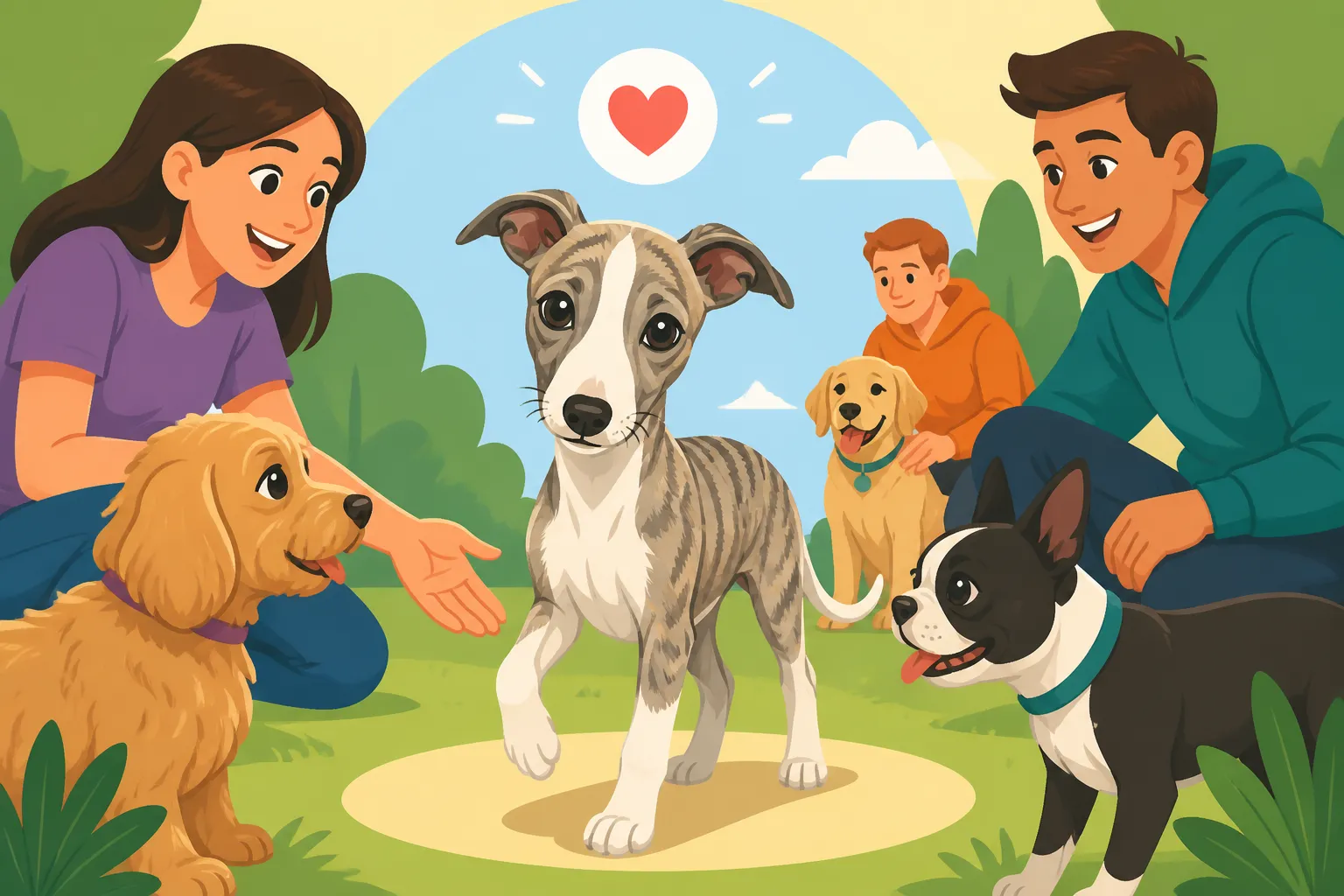
Your Whippet puppy needs to learn that people, even strange ones, are generally good news. Start in your home with trusted friends and family. Ask them to approach calmly, offer a treat, and avoid overwhelming your puppy with too much direct eye contact or sudden movements. Let the puppy initiate the interaction. If they're shy, have the person gently toss treats near them, allowing the puppy to approach on their own terms.
Once comfortable with visitors at home, expand to quiet public spaces. Take your puppy to a park bench and simply observe. Let them watch people, bicycles, and strollers go by from a safe distance. Gradually, you can introduce brief, positive interactions with friendly strangers. Always carry high-value treats (think tiny pieces of cheese or cooked chicken) to reward calm behavior. Exposure to different environments – busy streets (from a distance), quiet trails, pet-friendly stores – should also be incremental, ensuring each experience adds to a positive mental library. Remember, the goal is always positive association.
Controlled Interactions with Other Dogs
This is perhaps one of the most vital aspects of socialization. Your Whippet puppy needs to learn how to communicate and play appropriately with other dogs. However, not all dog interactions are beneficial. Avoid chaotic dog parks early on, where rough play or aggressive dogs can easily traumatize a sensitive Whippet. Instead, seek out known, calm, and well-socialized adult dogs for introductions.
Puppy classes are an absolute godsend for this. They provide a safe, supervised environment for puppies to interact, learn bite inhibition, and practice polite greetings. The trainers are usually skilled at managing play and preventing bullying. If you're looking for structured guidance, programs like those offered by BAXTER & Bella can provide excellent online resources and support, helping you understand proper play dynamics and how to intervene if necessary.
When introducing your Whippet to another dog:
- Ensure both dogs are on leash initially. This allows for easy separation if needed.
- Keep greetings brief and positive. A sniff, a wag, and then move on.
- Watch body language. Look for loose, relaxed postures. Tense bodies, tucked tails, or stiff stares are red flags.
- Intervene if play gets too rough. Whippets have thin skin, so gentleness is key. The Thin Skin That Sends a Whippet to the Vet for Stitches is a real concern, so protecting them from overly rambunctious play is essential.
- Always end on a good note. A treat and praise after a successful interaction reinforce the positive experience.
Here’s a quick overview of what to aim for and what to avoid:
| Interaction Type | Good Socialization | Bad Socialization |
|---|---|---|
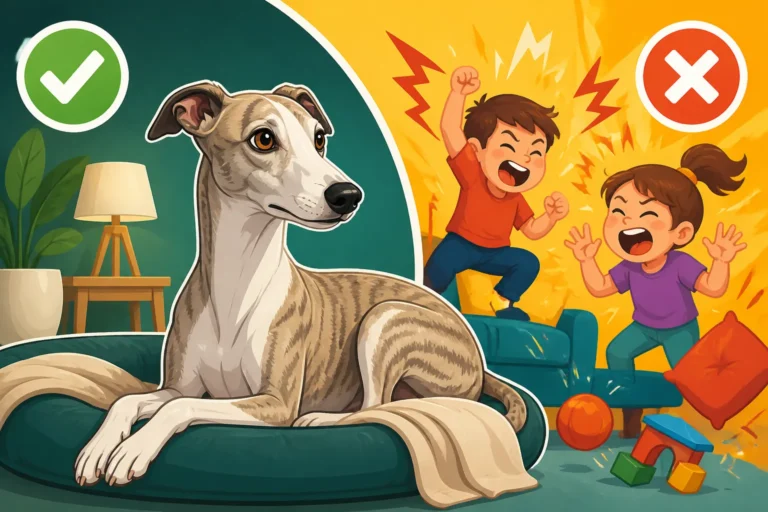
| People | Calm, gentle interactions; treats offered; puppy approaches on own terms. | Overwhelming greetings; forced petting; loud noises or sudden movements; no escape. |
| Other Dogs | Supervised play with known, calm, vaccinated dogs; puppy classes. | Dog parks with unknown dogs; rough, unsupervised play; bullying. |
| Environments | Gradual exposure to new sights/sounds from a distance; positive reinforcement. | Suddenly thrust into loud, chaotic situations; no chance to observe or retreat. |
| Handling | Daily gentle touch; positive association with vet visits; reward-based training. | Forceful grooming; painful nail trims; stressful vet visits without positive counter-conditioning. |
Desensitization to Handling and Vet Visits
Few things are more stressful for a dog than a vet visit, especially if they're not prepared. Start early with positive handling exercises at home. Gently touch your Whippet's paws, ears, tail, and mouth daily. Pair these touches with high-value treats and praise. Make it a fun game, not a chore. This will make nail trims, ear cleanings, and vet examinations much easier down the line.
Practice "mock vet visits." Have family members act out examining your puppy, offering treats throughout. Get them used to being held and positioned. Take short, happy car rides that don't always end at the vet, so the car isn't solely associated with scary places. When you do go to the vet, bring their favorite treats and make it as positive an experience as possible. Many vets are happy for "happy visits" where your puppy just comes in for a treat and some positive attention, without any procedures. Understanding the importance of Whether a Whippet Needs Pre Anesthetic Bloodwork and other vet protocols will also reinforce the need for a calm, cooperative patient, which starts with early positive desensitization.
Tools and Resources for Confident Socialization
Just like a carpenter needs the right tools for a job, you'll benefit from having the right gear and knowledge base to effectively socialize your Whippet puppy. These aren't just accessories; they're vital aids in ensuring safety, comfort, and positive learning experiences.
Essential Gear for Safe Outings
With a Whippet, safety and comfort go hand in hand. Their unique physique often means standard dog gear isn't quite right.
- Martingale Collars: A well-fitting martingale collar is an absolute must-have for a Whippet. Their narrow heads mean they can easily slip out of a standard flat collar, especially if they pull back when startled or excited. A martingale collar tightens just enough to prevent escape without choking, offering peace of mind during walks. You can find a wide selection on platforms like Amazon, but always ensure you measure your puppy's neck correctly to get the right size. If you're wondering more about this, Whether a Whippet Needs a Martingale delves deeper into why these collars are so essential.
- Harnesses: For some Whippets, a harness can be a great option, especially if they have sensitive throats or you're concerned about any neck pressure. Look for harnesses designed for sighthounds that distribute pressure across the chest rather than the throat. Again, good quality, well-fitting options are available online.
- Long Lines: These are fantastic for giving your puppy a sense of freedom in a safe, enclosed area without actually being off-leash. A 15-30 foot long line allows them to explore and practice recall in a controlled environment, crucial for a breed with a high prey drive. This is especially useful when you consider Why a Whippet Cannot Be Let Off Leash in an Open Field due to their incredible speed and strong chase instinct.
- High-Value Treats: Always have these on hand! Small, soft, incredibly delicious treats (think cooked chicken, cheese, or specialized training treats) are your best friend for positive reinforcement. They make every new experience, every polite greeting, and every successful training session a rewarding one for your puppy.
Puppy Classes and Training Programs
While self-guided socialization is important, enrolling in structured puppy classes offers invaluable benefits.
- Professional Guidance: Experienced trainers can spot subtle body language cues that you might miss, guiding you on how to facilitate positive interactions and prevent negative ones. They'll teach you effective handling techniques and reward timing.
- Controlled Play: Puppy classes provide a safe, supervised environment for your Whippet to interact with other puppies of various sizes and temperaments. This is crucial for learning bite inhibition and appropriate play behavior without the risks associated with an uncontrolled dog park.
- Exposure to Novelty: Classes often incorporate various stimuli like different surfaces, sounds, and props, helping to desensitize your puppy in a fun way.
- Owner Education: You'll learn essential puppy care tips, basic obedience, and how to address common puppy behaviors like nipping or house-training challenges. If local classes aren't an option, or if you prefer a self-paced approach, online programs like BAXTER & Bella offer comprehensive training courses that cover everything from basic manners to advanced socialization techniques, providing expert guidance from the comfort of your home.
Recognizing and Addressing Setbacks
Socialization isn't a linear path, and your Whippet puppy might encounter bumps along the way. It's vital to recognize signs of stress or fear and know how to respond.
- Signs of Stress: Look for tucked tails, flattened ears, yawning, lip-licking, turning away, stiffness, or hiding behind your legs. These are all signals that your puppy is uncomfortable or overwhelmed.
- Responding to Stress: If you see these signs, gently remove your puppy from the situation. Don't force them to "tough it out." Give them space to calm down, and then try reintroducing the stimulus from a greater distance or in a less intense form, always pairing it with positive reinforcement. The goal is to stay under their fear threshold.
- When to Seek Professional Help: If your Whippet puppy exhibits persistent fear, aggression, excessive shyness that doesn't improve with gentle exposure, or develops specific phobias, it's time to consult a qualified professional. A certified professional dog trainer or a veterinary behaviorist can provide tailored strategies and support to help your puppy overcome these challenges. Early intervention is always best, as addressing behavioral issues when they're small is far easier than trying to change deeply ingrained patterns in an adult dog. Remember, Whether a Shy Whippet Can Be Brought Round often depends on consistent, positive, and sometimes professional intervention.
Specific Challenges and Considerations for Whippets
While the general principles of puppy socialization apply to all breeds, Whippets come with a few distinct characteristics that warrant special attention. Understanding these nuances will help you tailor your approach, ensuring your sensitive sighthound grows into a confident, happy companion.
The Challenge of the Whippet's Thin Skin
Anyone who has owned a Whippet knows that their skin is, for lack of a better word, delicate. It's almost paper-thin, with very little underlying fat or muscle to protect it. This means that rough play with other dogs, a tumble, or even an accidental snag on a bush can result in a laceration that sends you straight to the vet for stitches. The Thin Skin That Sends a Whippet to the Vet for Stitches is not an uncommon occurrence, and it's something every Whippet owner should be aware of.
When socializing your Whippet puppy, you need to be incredibly selective about their playmates. Avoid large, boisterous breeds that play with a lot of mouthiness or body slamming. A playful nip from a Golden Retriever, which would barely register on another breed, could easily tear a Whippet's ear or flank. Focus on interactions with other sighthounds, smaller, gentle breeds, or calm, well-mannered dogs of similar size. Supervise all play closely, and don't hesitate to intervene if things get too rough or frenetic. It's better to be overly cautious than dealing with an emergency vet bill and a potentially traumatized puppy.
Managing the Prey Drive in Social Settings
That incredible speed and elegance we adore in Whippets comes directly from their powerful prey drive. They are built to spot movement, chase, and catch. While this is wonderful for activities like lure coursing – How Lure Coursing Channels a Whippet's Drive is a fantastic way to satisfy this instinct safely – it poses a unique challenge in everyday socialization, especially when off-leash. A squirrel darting across a field, a rabbit appearing from nowhere, or even a small dog running in a particular way can trigger this instinct, overriding any recall training you've done.
Therefore, when socializing in open, unfenced areas, your Whippet puppy should always be on a leash or a long line. Even if they've been perfectly behaved indoors or in a fenced yard, the open invitation of a wide-open space with potential "prey" is a powerful draw. Continue to reinforce a bomb-proof recall in increasingly distracting environments, but understand that the prey drive is incredibly strong. When introducing your Whippet to small animals, whether it's the family hamster or a friend's terrier, always do so under strict supervision and with a focus on safety for all parties involved. Never assume that just because they're good with one small animal, they'll be safe with all of them.
Preventing Overwhelm and Over-Stimulation
Whippets, despite their athletic prowess, are often described as "40-mile-an-hour couch potatoes." They love a good sprint, but they also adore their rest and quiet time. Because of their sensitive nature, they can become easily over-stimulated or overwhelmed by too much activity, too many new people, or prolonged noisy environments. A puppy that is constantly exposed to high-intensity situations without adequate downtime can become anxious, reactive, or simply shut down.
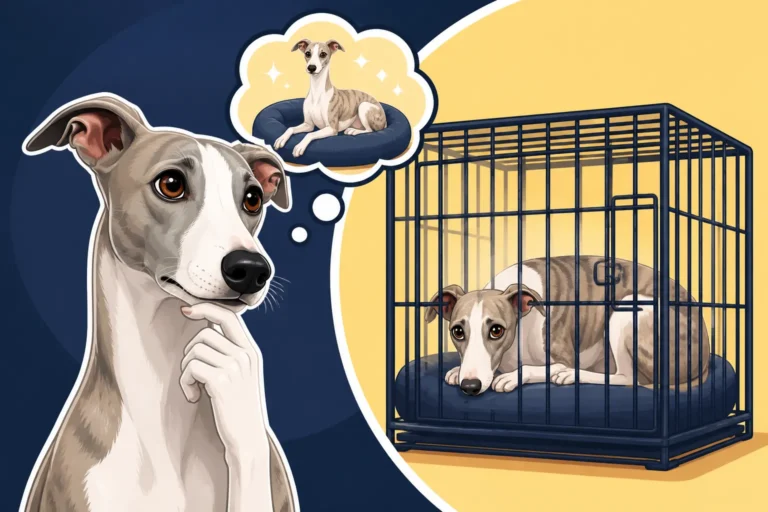
It's crucial to balance their socialization experiences with plenty of calm, quiet time at home. Ensure your Whippet puppy has a safe, comfortable space – a crate, a cozy bed, or a designated quiet room – where they can retreat and decompress. Learn to read their signals: a lot of yawning, lip-licking, or retreating suggests they've had enough. Don't feel obligated to take them everywhere or expose them to every single thing every day. Sometimes, the best thing for a sensitive Whippet puppy is a quiet afternoon nap in a sunbeam, recovering from a morning of gentle exploration. Prioritize quality, positive experiences over sheer volume, and always respect their need for rest and quiet.
Disclaimer
This article is for general informational purposes only and does not constitute professional advice. Laws, prices and regulations vary by location and change over time. Consult a qualified professional for guidance on your specific situation.