Dandruff on a Whippet
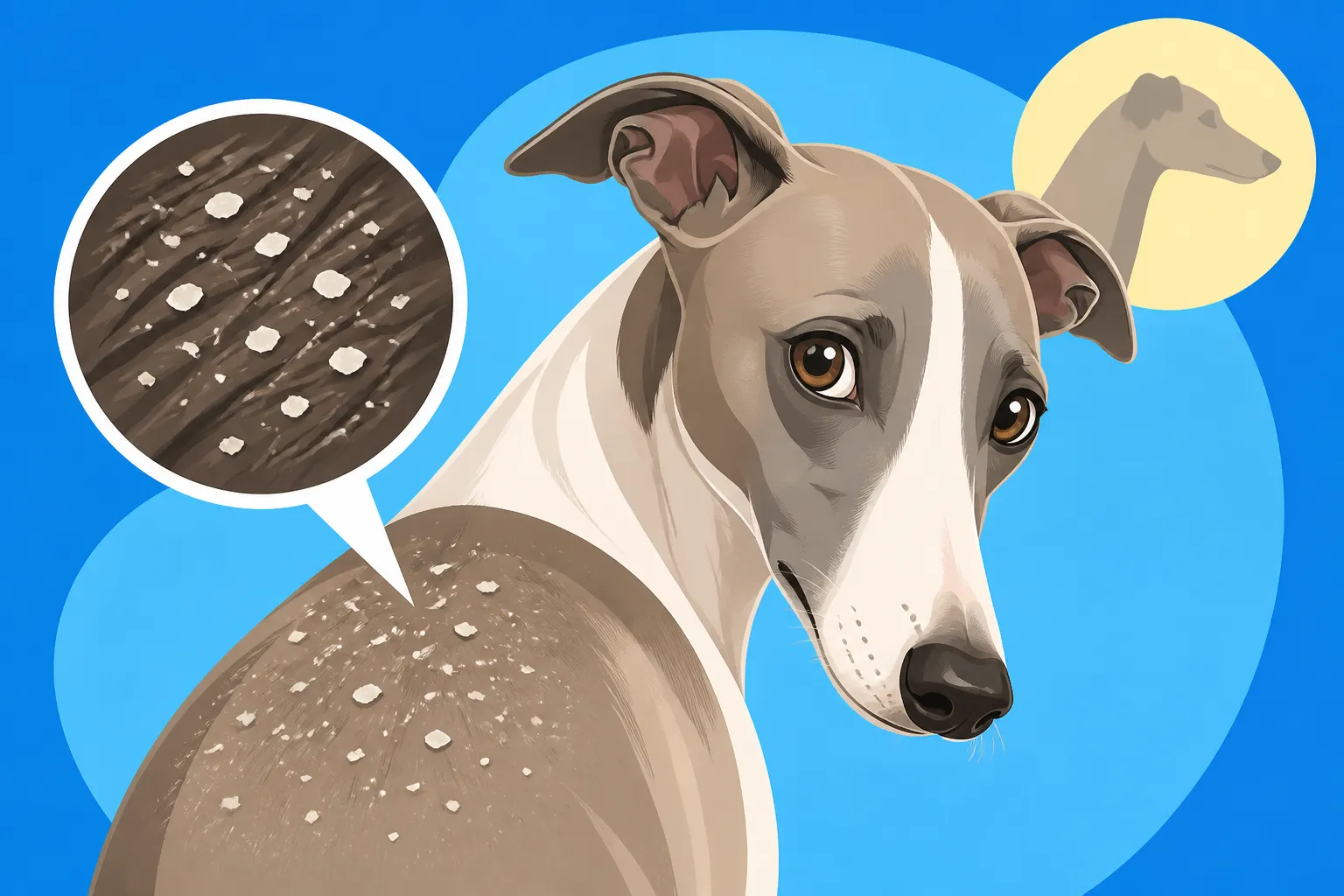
It's incredibly frustrating, isn't it? You run your hand over your beautiful Whippet's sleek, short coat, expecting nothing but velvety softness, only to find those tell-tale white flakes clinging to the dark hairs or dusting their favorite bed. Dandruff on a Whippet isn't just an aesthetic annoyance; it often signals that something isn't quite right with their delicate skin, and figuring out the cause can feel like a detective mission. This guide will walk you through why your Whippet might be experiencing dandruff and offer practical, empathetic solutions to bring back that healthy, flake-free shine.
Understanding Why Your Whippet Gets Dandruff
Whippets are unique creatures, both in their physical build and their temperament. Their lack of insulating body fat and their fine, short coats mean that skin issues often become apparent quickly, unlike in breeds with thick double coats that can hide a multitude of sins. Dandruff is one of those issues that stands out starkly against their often dark, minimalist fur.
The Skin and Coat of a Whippet
Let's talk about what makes a Whippet's skin so special and, sometimes, so prone to showing signs of trouble. Whippets are built for speed and agility, not for harsh weather or rough terrain. Their skin is notably thin, almost translucent in some areas, and covered with a coat that's fine, short, and lies close to the body. This is part of their sighthound charm, of course – that elegant, almost fragile appearance.
Because their skin is so thin and they have virtually no insulating body fat, Whippets rely heavily on a healthy skin barrier to protect them. They also have minimal natural oils compared to many other breeds, which means their skin can dry out more easily. When this delicate balance is disrupted, whether by environmental factors, diet, or an underlying health concern, dandruff is often one of the first visible symptoms. It’s like a tiny warning flag waving from their coat. You'll also notice A Whippet Has No Insulation and No Padding, which further highlights their unique physical needs, including skin health.
Common Causes of Dry Skin and Flaking
There's rarely one single culprit when it comes to dandruff. It's often a combination of factors, and sometimes, it can be a symptom of a deeper issue. Let's break down the usual suspects:
Dry Environment
This is probably one of the most common reasons, especially for those of us living in climates with harsh winters or using a lot of indoor heating. Low humidity strips moisture from everything – our skin, our hair, and yes, our Whippet's skin too. If you notice your Whippet's dandruff appearing more prominently during the colder months when the heating is on full blast, a dry environment is a very likely contributor. The air literally sucks the moisture out of their delicate skin, leading to flakiness.
Dietary Deficiencies
What goes into your Whippet's bowl directly impacts what you see on their coat. A diet lacking in essential fatty acids, particularly Omega-3s and Omega-6s, can manifest as dry, dull skin and dandruff. These fatty acids are crucial for maintaining skin hydration and elasticity, supporting a healthy skin barrier, and giving their coat that characteristic Whippet sheen. If your Whippet isn't getting enough of these vital nutrients, their skin cells can't properly regenerate and stay moisturized, leading to those annoying flakes.
Bathing Habits
Yes, even something as routine as bathing can contribute to dandruff if not done correctly for a Whippet. Over-bathing can strip the few natural oils their skin produces, leading to dryness and irritation. Using harsh shampoos, or those not specifically formulated for sensitive skin or dogs, can also upset the skin's pH balance and cause flaking. It's a fine line to walk – you want them clean, but not at the expense of their skin health. You'll find more on this in Which Shampoo Suits a Whippet's Thin Skin and How Many Baths a Year a Whippet Needs.
Allergies
Just like people, Whippets can suffer from allergies, and skin issues are a primary way these manifest. Environmental allergies (pollen, dust mites, mold) and food allergies (certain proteins, grains) can both cause widespread itching, redness, and inflammation, which then leads to dry, flaky skin and increased shedding. If your Whippet is constantly scratching, licking, or rubbing, and you see dandruff, allergies should definitely be on your radar.
Parasites
While less common for just dandruff, certain parasites can cause skin flaking that looks a lot like dandruff. Cheyletiellosis, often called "walking dandruff," is caused by mites that live on the skin surface and create scaling. Fleas, though usually causing more localized irritation, can also contribute to overall skin dryness and itching. It’s always worth ruling out these tiny invaders, especially if the flaking is accompanied by intense itching or appears suddenly. Flea Treatment Reactions in a Whippet covers some important considerations for these sensitive dogs.
Underlying Health Issues
Sometimes, dandruff is a red flag for a systemic health problem. Hormonal imbalances, such as hypothyroidism (an underactive thyroid), can lead to a dull coat, dry skin, and increased shedding. While The Hypothyroidism a Whippet Does Not Have suggests it might be less common than presumed in Whippets, it's something a vet might consider if other causes are ruled out. Other metabolic disorders or even Autoimmune Disease in a Whippet can sometimes manifest with dermatological symptoms. Stress, too, can impact a dog's overall health and surprisingly show up on their skin, though it's usually not the primary cause of chronic dandruff.
Identifying the Type of Dandruff and Its Severity
Not all dandruff is created equal. Observing the type of flakes and accompanying symptoms can give you valuable clues about what might be going on with your Whippet's skin. This isn't about you diagnosing a complex condition, but rather arming yourself with information to discuss with your vet.
Dry, Flaky Dandruff
This is the most common presentation we see in Whippets. Imagine tiny, white, almost dust-like flakes that are easily brushed off the coat. These flakes are often associated with:
- Dull Coat: Instead of that sleek, healthy shine, their coat might look a bit lackluster.
- Mild to Moderate Itching: Your Whippet might be scratching a bit more than usual, especially in dry areas like their flanks or along their back. They might also rub themselves against furniture.
- No Strong Odor: Generally, dry dandruff doesn't come with a noticeable smell, unless there's a secondary bacterial or yeast infection starting due to the scratching.
- Seasonal Appearance: Often worse in winter or in arid climates.
This type of dandruff most frequently points to environmental dryness, dietary imbalances, or inappropriate bathing routines. It's usually the easiest to manage with lifestyle changes.
Oily, Greasy Dandruff
While less common in Whippets due to their generally low oil production, oily dandruff (often a symptom of a condition called seborrhea) can occur. It looks different:
- Larger, Yellowish Flakes: These flakes are often stickier, sometimes clumping together, and have a greasy feel.
- Oily Coat and Skin: The fur itself might feel greasy to the touch, and you might notice oiliness even on their skin when you part the hair.
- Unpleasant Odor: Oily seborrhea often comes with a distinct, sometimes rancid or yeasty smell, which can be quite potent.
- Redness and Inflammation: The skin underneath the flakes might appear red, inflamed, or even thickened in chronic cases. This type of dandruff usually indicates a more complex underlying issue, such as severe allergies, hormonal problems, or specific skin conditions that disrupt oil gland regulation. It's definitely a sign that a vet visit is in order.
When to See the Vet
While you can try some home remedies for mild, dry dandruff, there are definitely times when professional veterinary help is crucial. Don't hesitate to contact your vet if you observe any of the following:
- Persistent or Severe Itching: If your Whippet is constantly scratching, licking, or biting themselves to the point of causing skin redness, sores, or hair loss.
- Redness, Inflammation, or Sores: Any open wounds, scabs, pustules, or significant skin discoloration. Remember, The Thin Skin That Sends a Whippet to the Vet for Stitches means their skin is already delicate.
- Hair Loss: Patchy or widespread hair thinning or bald spots.
- Strong or Foul Odor: A noticeable bad smell coming from their skin, especially if it's oily.
- Lethargy or Behavioral Changes: If your Whippet seems unusually tired, withdrawn, or shows other signs of being unwell in conjunction with the dandruff.
- Sudden Onset or Rapid Worsening: If the dandruff appeared suddenly and is very severe, or if it quickly gets worse despite your efforts.
- Visible Parasites: If you can actually see fleas, ticks, or suspect mites (like "walking dandruff").
Early intervention can prevent a simple issue from escalating into a more complicated skin infection. Your vet can perform diagnostics like skin scrapes, fungal cultures, or allergy tests to pinpoint the exact cause.
Practical Solutions for Managing Whippet Dandruff
Once you have a better understanding of what might be causing your Whippet's dandruff, you can start implementing practical strategies to alleviate it. A holistic approach, often combining dietary changes, proper grooming, and environmental adjustments, typically yields the best results.
Dietary Adjustments and Supplements
Food is medicine, or at least, a powerful tool for maintaining good health, and this absolutely applies to your Whippet's skin and coat.
High-Quality Food
First and foremost, ensure your Whippet is on a high-quality, complete, and balanced diet. Look for foods with clearly identifiable protein sources (like chicken, beef, lamb, fish) as the first ingredient, and healthy fats. Avoid foods with excessive fillers, artificial colors, or by-products. Some Whippet owners find success with fresh food diets, which often have higher moisture content and readily available nutrients. Brands like Ollie offer human-grade fresh food options that can be particularly beneficial for sensitive dogs. Even if you don't go fully fresh, choosing a premium kibble or wet food can make a world of difference.
Omega Fatty Acids
These are superstars for skin health. Omega-3 and Omega-6 fatty acids help support the skin's natural barrier function, reduce inflammation, and improve coat quality. Fish oil is an excellent source of Omega-3s (EPA and DHA). You can easily find high-quality fish oil supplements specifically for dogs on platforms like Chewy or Amazon. Flaxseed oil is another option for Omega-3s, but fish oil generally offers more readily usable forms for dogs. Adding a daily dose can significantly improve skin hydration and reduce flaking. You might also want to read Whether a Whippet's Coat Shines With Fish Oil for more insights. Always introduce new supplements gradually and discuss appropriate dosages with your vet.
Hydration
This might seem obvious, but sometimes we overlook the simplest things. Ensure your Whippet always has access to fresh, clean water. Good internal hydration is foundational for healthy skin from the inside out. Consider adding a few drops of water to their kibble or offering a pet fountain to encourage drinking, especially if they're not big water drinkers.
Grooming and Bathing Best Practices
How you groom and bathe your Whippet plays a huge role in their skin health. It's about finding that sweet spot of cleanliness without stripping natural oils.
Appropriate Shampoo
If your Whippet has dry, flaky skin, steer clear of harsh, stripping shampoos. Look for:
- Moisturizing Shampoos: Ingredients like oatmeal, aloe vera, and shea butter are excellent for hydrating and soothing irritated skin.
- Hypoallergenic or Sensitive Skin Formulas: These are designed to be gentle and free of common irritants, perfumes, and dyes.
- Veterinary Shampoos: If your vet suspects a specific issue like a yeast infection, they might prescribe an antifungal or antibacterial shampoo.
Always follow the instructions on the shampoo bottle, and consider a follow-up conditioner designed for dogs to lock in moisture.
Bathing Frequency
Less is often more for Whippets when it comes to bathing. For a healthy Whippet, bathing every 4-6 weeks, or even less frequently if they don't get particularly dirty, is usually sufficient. If your Whippet is dealing with dandruff, you might need to bathe them more often initially with a medicated or moisturizing shampoo as recommended by your vet, but once the condition improves, reduce the frequency. Over-bathing will only exacerbate dryness.
Brushing
Even though Whippets have short coats, regular, gentle brushing is beneficial. Use a soft rubber brush or a grooming mitt. Brushing helps to:
- Remove Loose Hair and Dead Skin Cells: This is literally brushing away some of that dandruff.
- Distribute Natural Oils: It spreads the oils from the skin throughout the coat, providing a natural conditioner.
- Stimulate Circulation: Good blood flow to the skin promotes healthy skin cell turnover.
Regular brushing, even for just a few minutes a day, can make a noticeable difference. More on this can be found in How Often a Whippet Needs Brushing.
Conditioners and Sprays
After bathing, a moisturizing conditioner for dogs can be a game-changer. Leave it on for a few minutes before rinsing thoroughly. For in-between baths, you can use a dog-specific leave-in conditioner or hydrating spray. These can provide a quick boost of moisture to the skin and coat, helping to combat dryness and reduce static electricity, which can also contribute to discomfort. You can often find these easily on Chewy or Amazon.
Environmental Considerations
Your Whippet's indoor environment can either support or hinder healthy skin. Small adjustments can yield big results.
Humidity
If you live in a dry climate or run a lot of heating or air conditioning, a humidifier can be your Whippet's best friend. Placing a humidifier in the rooms where your Whippet spends the most time – typically the living room and bedroom – can add much-needed moisture to the air, which in turn helps keep their skin hydrated. This is a simple, cost-effective solution for environmentally induced dry skin.
Bedding
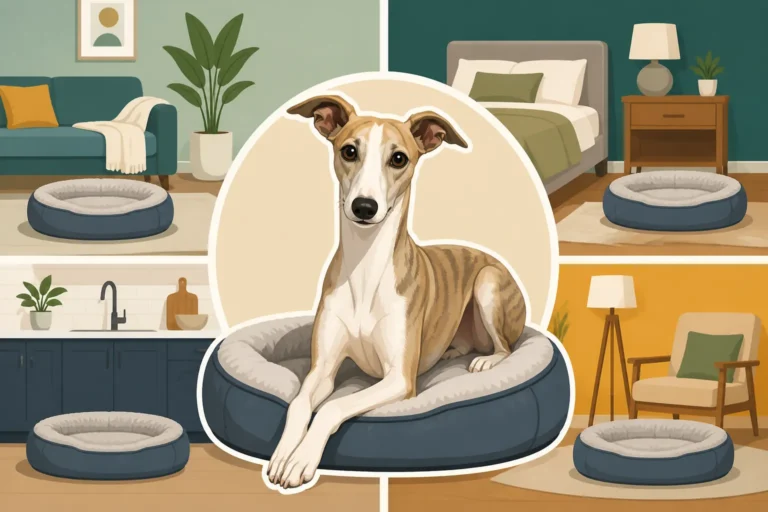
Whippets love comfort, and good bedding isn't just about joint support; it's about skin health too. Hard surfaces can cause pressure points and rub their thin skin, potentially leading to irritation and dryness. Ensure your Whippet has plenty of soft, comfortable beds and blankets throughout the house. Think memory foam or orthopedic beds, and let them burrow under blankets. Clean bedding regularly to remove dust mites and dander, which can exacerbate allergies. You might find useful information in Why a Whippet Cannot Sleep on a Hard Floor and What a Whippet Bed Should Be Made Of.
Addressing Specific Medical Causes of Dandruff
While the general tips above will cover most cases of mild, dry dandruff, it's crucial to address specific medical conditions if they are the root cause. This is where your veterinarian becomes your primary partner.
Treating Parasites
If your vet confirms that mites (like those causing "walking dandruff"), fleas, or other external parasites are the problem, they will prescribe appropriate treatment. This might involve:
- Topical Medications: Shampoos, dips, or spot-on treatments designed to kill the parasites.
- Oral Medications: Pills or chewables that target specific mites or fleas.
- Environmental Treatment: In some cases, you might need to treat your home environment to eliminate lingering parasites or eggs, especially for fleas.
It's vital to complete the full course of treatment as directed by your vet to ensure all life stages of the parasite are eradicated.
Managing Allergies
Allergies can be complex to diagnose and manage, but finding the trigger is key to resolving the dandruff and discomfort. Your vet might suggest:
- Food Elimination Diet: A strict, novel protein or hydrolyzed protein diet for several weeks to identify and rule out food allergies. This typically requires carefully selecting food from a limited ingredient list. Your vet can recommend specialized prescription diets available through places like Chewy.
- Environmental Allergy Testing: Blood tests or intradermal skin tests can pinpoint specific environmental allergens (pollen, dust mites, etc.).
- Medications: Antihistamines, steroids, or newer allergy medications (like Apoquel or Cytopoint) can help manage the itching and inflammation while you work on long-term solutions.
- Immunotherapy: Allergy shots or oral drops (desensitization therapy) can be highly effective for environmental allergies over time.
Managing allergies is often a long-term commitment, but relief for your Whippet is well worth the effort.
Other Health Concerns
For other underlying health issues, your vet will guide the diagnostic and treatment process.
- Hormonal Imbalances: If conditions like hypothyroidism are suspected (even though The Hypothyroidism a Whippet Does Not Have is a common misconception, actual cases do exist), blood tests will confirm the diagnosis, and medication (e.g., thyroid hormone supplementation) can bring profound relief, often resolving skin issues as a positive side effect.
- Autoimmune Diseases: While rarer, Autoimmune Disease in a Whippet can sometimes impact skin health. Diagnosis involves specialized tests, and treatment typically involves immunosuppressive medications.
- Secondary Infections: Constant scratching from any cause can break the skin barrier and allow bacterial or yeast infections to take hold. Your vet might prescribe antibiotics or antifungals to clear these up, in addition to addressing the primary cause of the itching.
Remember, seeing a vet isn't about rushing to expensive treatments. It's about getting an accurate diagnosis so you can implement the most effective and safe solutions for your beloved Whippet.
Here’s a quick overview of common dandruff causes and potential approaches:
| Cause | Typical Appearance/Symptoms | Initial Approach | When to See a Vet |
|---|---|---|---|
| Dry Environment | Small, white flakes, dull coat, worse in winter/dry air | Humidifier, good quality diet, Omega supplements | If not improving with environmental changes |
| Dietary Deficiency | Dull, dry coat, flakes, sometimes poor energy | High-quality food, Omega-3/6 supplements | If no improvement, or other health concerns present |
| Inappropriate Bathing | Flakes after bathing, dry skin, mild itching | Gentle, moisturizing shampoo, less frequent baths | If skin irritation persists or worsens |
| Allergies | Itching, redness, flakes, recurrent ear/paw issues | Hypoallergenic products, consider diet trial | For diagnosis, prescription meds, or immunotherapy |
| Parasites | Intense itching, visible mites/fleas, scabs, redness | Over-the-counter flea treatment (if appropriate) | Always, for diagnosis and prescription treatment |
| Underlying Illness | Widespread flakes, hair loss, lethargy, other symptoms | (No home remedy for underlying illness) | Immediately, for diagnosis and systemic treatment |
Dandruff on your Whippet can be concerning, but with a keen eye for symptoms and a proactive approach, it's a very manageable issue. Starting with basic dietary and environmental adjustments, along with thoughtful grooming, can often clear up most mild cases. For anything persistent, severe, or accompanied by other worrying symptoms, your veterinarian is your best resource to get to the bottom of it and restore your Whippet's skin and coat to its healthy, silky best.
Disclaimer
This article is for general informational purposes only and does not constitute professional advice. Laws, prices and regulations vary by location and change over time. Consult a qualified professional for guidance on your specific situation.