Weight Gain in a Neutered Whippet
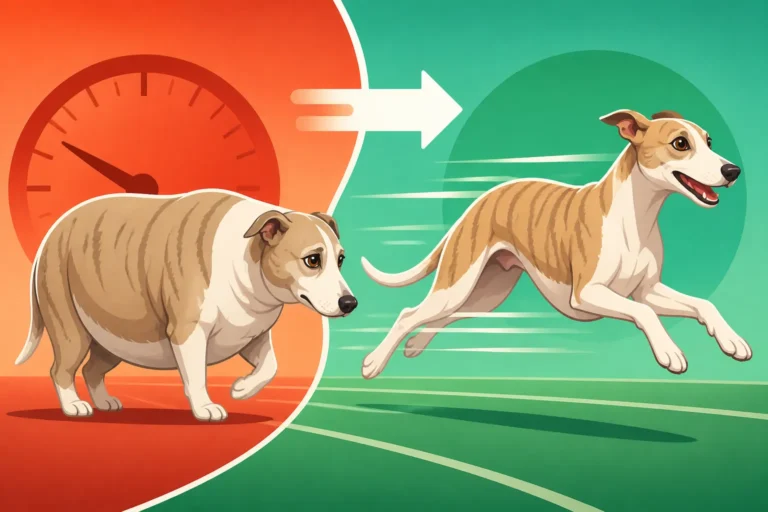
It's a familiar scenario for so many whippet owners: your lithe, athletic companion undergoes neutering, and slowly but surely, that sleek physique starts to soften. What was once a graceful curve is now a little rounder, and those prominent hip bones seem to vanish. This isn't just a cosmetic change; weight gain after neutering is a very real challenge that can silently impact your whippet's long-term health. This guide will help you understand why this happens and give you actionable strategies to keep your neutered whippet at their ideal, healthy weight.
Why Neutered Whippets Tend to Gain Weight
Many owners are surprised by the post-neutering weight creep, especially with a breed as naturally lean and energetic as a whippet. You might think, "My dog still runs like the wind, how can they be gaining weight?" But there are significant physiological shifts that happen internally, often unseen, that make weight gain a genuine concern. It's not about blame; it's about understanding the biological reality.
Hormonal Shifts and Their Metabolic Impact
The primary reason for weight gain after neutering or spaying is a dramatic change in hormone levels. For males, the removal of the testes means a sharp drop in testosterone. For females, the removal of the ovaries eliminates estrogen production. These hormones play a crucial role in regulating metabolism. Think of them as tiny internal engines that help burn calories and maintain muscle mass.
When these engines slow down, your whippet's metabolic rate decreases. This means their body requires fewer calories to maintain the same weight. If their food intake remains the same, those excess calories are stored as fat. It's like switching from a high-performance sports car to a fuel-efficient sedan; the sedan needs less gas, even if it's driving the same distance. Whippets, being naturally low in body fat, can actually feel these changes quite acutely. That already-lean physique relies heavily on an efficient metabolism, so any slowing can be noticeable over time.
Changes in Activity Levels and Energy Output
While some whippets remain perpetually energetic, it's not uncommon for neutered dogs to experience a subtle, or sometimes not-so-subtle, decrease in their overall activity level. This can be particularly true for males who might have been driven by hormonal urges to explore, mark, and engage in more vigorous play. After neutering, some dogs become a little more relaxed, a touch more inclined towards napping on the sofa than engaging in a full-speed chase across the yard.
This doesn't mean your whippet suddenly becomes a true couch potato, but those cumulative small changes in daily energy expenditure add up. Perhaps they don't instigate as many zoomies, or they're content with a shorter play session. We often hear the saying The Whippet Is a Forty Mile an Hour Couch Potato, and while they can hit those speeds, they also excel at conserving energy. If their caloric intake isn't adjusted to match this slightly reduced energy output, the pounds can slowly accumulate. This combination of a slower metabolism and potentially decreased activity creates a perfect storm for weight gain.
Identifying Weight Gain and Ideal Body Condition
When you're used to a whippet's naturally slender frame, it can be tricky to tell the difference between "healthy lean" and "too thin," or worse, "a little too chunky." There's a common misconception that if you can see a whippet's ribs, they must be starving. For this breed, that's often exactly what a healthy whippet looks like! Learning to accurately assess your dog's body condition is your best defense against insidious weight gain.
What "Too Thin" Looks Like Versus "Just Right"
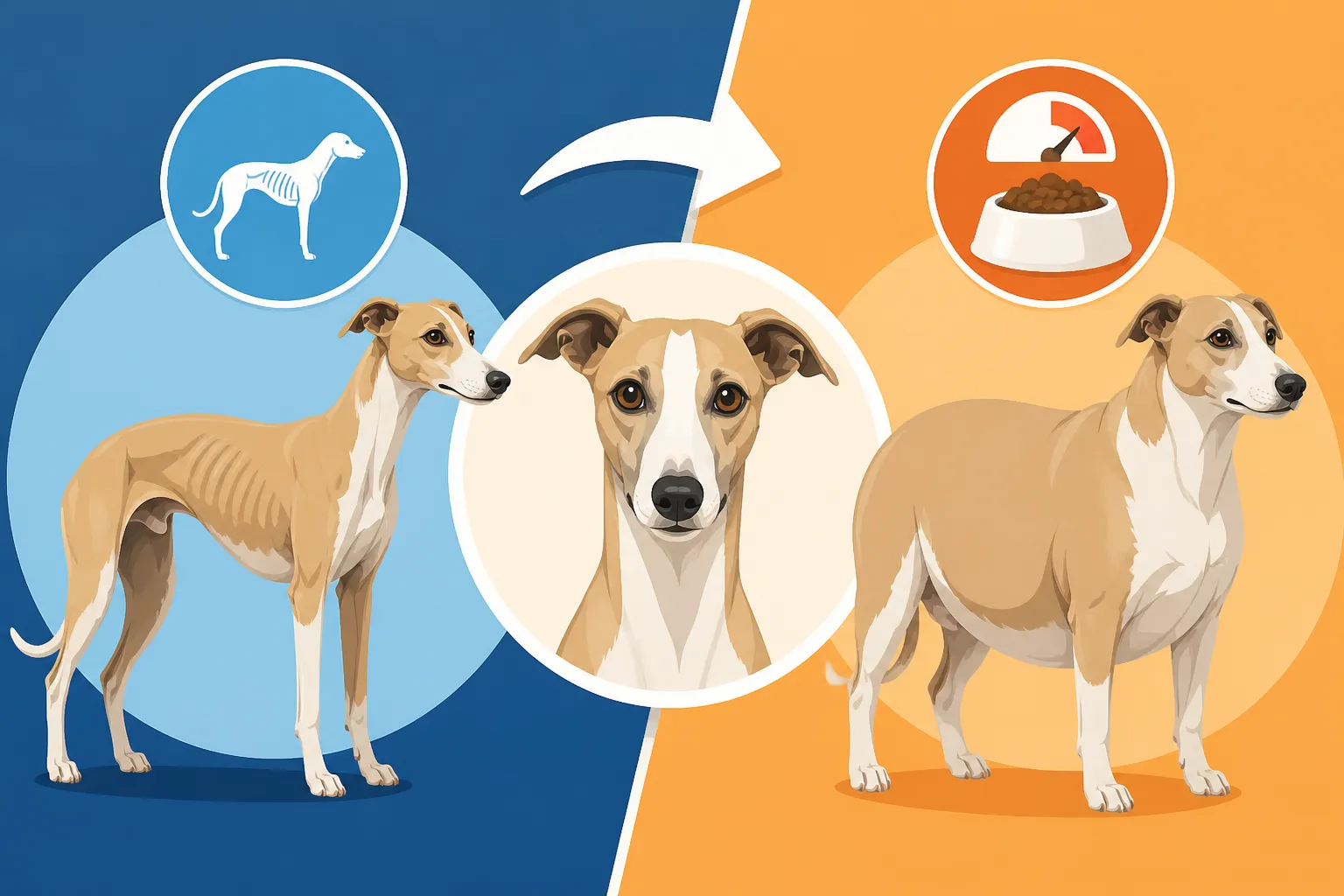
A healthy whippet should indeed look lean. You should typically be able to see the last 2-3 ribs faintly without pressing, especially when they move or stretch. Their hip bones should be visible, but not sharply protruding, and their spine should be easily palpable beneath the skin, with the tips of the vertebrae perhaps just visible. They should have a distinct "tuck-up" – a noticeable curve where their belly rises sharply from their chest towards their hind legs. This is the hallmark of a sighthound's athletic build.
When a whippet is genuinely too thin, their ribs, spine, and hip bones will be very prominent, almost sharp to the touch, and there will be little to no fat covering. Their muscle mass might appear wasted, and their energy levels could be low. Conversely, a whippet that is starting to gain weight will lose that distinct tuck-up. Their waist will broaden, and it will become harder to feel their ribs without applying significant pressure. The hip bones might disappear entirely under a layer of fat. It's a subtle shift at first, but it's important to recognize. What Body Condition Score a Whippet Should Be can give you an objective scale to work with.
Practical Assessment at Home
The best way to monitor your whippet's weight is through a combination of visual assessment, touch, and regular weighing. Don't rely solely on your eyes, as you see your dog every day and subtle changes can go unnoticed.
- The Rib Test: Gently run your hands along your whippet's side. You should be able to easily feel their ribs, almost like feeling the knuckles on your hand. If you have to press firmly to feel them, or if you feel a layer of fat over them, your whippet is likely carrying too much weight.
- Spine and Hip Bones: Run your hand down their spine. You should be able to feel the individual bumps of the vertebrae. Again, if they feel cushioned or indistinct, it's a red flag. Similarly, feel the top of their hips. They should be palpable; if they've disappeared, it's time to act.
- The Waistline and Tuck-Up: Look at your whippet from above. They should have a distinct waist that narrows behind the rib cage. From the side, their abdomen should tuck up dramatically from their chest. An absence of a waist or a sagging belly means extra pounds.
- Regular Weigh-ins: This is your most objective tool. Weigh your whippet weekly or bi-weekly. Many vet clinics have scales you can use for free, or you can get a large pet scale for home. Keep a log. Even a half-pound increase over a few months can be significant for a whippet. This regular monitoring helps you catch small changes before they become big problems. If you're unsure, ask your vet for their professional opinion. What a Vet Says About a Whippet's Weight is always the gold standard.
Practical Strategies for Weight Management
Once you've identified that your neutered whippet is gaining weight, or if you want to proactively prevent it, the good news is that management largely comes down to two key areas: diet and exercise. These might seem obvious, but the specifics for a whippet require careful attention.
Adjusting Their Diet Post-Neutering
This is often the most impactful area for managing weight. Since their metabolism has likely slowed, your whippet simply needs fewer calories than they did before neutering.
- Calorie Reduction: A good starting point is to reduce their daily caloric intake by about 10-20%. This isn't about feeding less food by volume necessarily, but about feeding food that is slightly less calorically dense, or simply reducing their portion size. Don't starve them, though! It's a gradual adjustment. If you're feeding a high-performance food designed for active intact dogs, you might consider switching to a "weight management" or "senior" formula, even if your whippet isn't technically a senior yet, as these often have lower calorie counts.
- Accurate Measurement: Eyeballing portions is a common pitfall. Invest in a proper measuring cup or, better yet, a digital kitchen scale to measure food by weight. This is far more accurate than volume and ensures consistency. You can find reliable scales and measuring tools on Amazon.
- Food Quality: Focus on high-quality, protein-rich foods. Protein helps maintain muscle mass, which is crucial for a whippet's health and metabolism. Look for foods with real meat as the first ingredient. Brands like Ollie offer fresh, pre-portioned meals that can be great for calorie control, or you can explore a wide range of suitable kibbles on Chewy, carefully checking the caloric content per cup. How Much a Whippet Should Eat will guide you further.
- Treats and Snacks: Treats contribute to daily calories! Opt for low-calorie, healthy options like small pieces of carrot, green beans, or plain cooked chicken. Factor these into their daily caloric allowance. Avoid table scraps altogether.
- Meal Schedule: Free-feeding is generally not recommended for weight management. Instead, stick to a consistent feeding schedule, usually two meals a day. This allows you to control portions precisely. How Many Meals a Day a Whippet Needs can offer more insights into feeding schedules.
Maintaining an Active Lifestyle
Even if your neutered whippet is a little more relaxed, consistent exercise is vital for burning calories, maintaining muscle, and supporting overall health.
- Daily Walks: A minimum of two good walks a day, lasting at least 20-30 minutes each, is a baseline. These should be brisk enough to get their heart rate up.
- Safe Off-Leash Running: Whippets need opportunities to really stretch their legs and sprint. This is where their unique physiology shines. Look for securely fenced areas, private property, or dedicated dog parks (with caution, as other dogs can be unpredictable). Lure coursing or Fast CAT events are excellent structured activities that tap into their natural prey drive and provide intense, safe exercise. What Lure Coursing and Fast CAT Cost a Whippet Owner might be worth exploring for your whippet's enjoyment and fitness.
- Structured Play: Engage them with toys in the yard. Fetch, flirt poles, or even just chasing you can be great ways to burn energy and bond. Remember, a whippet's sprints are short but incredibly powerful, so even 15-20 minutes of intense running can be beneficial.
- Mental Stimulation: Don't forget that mental exercise also burns calories and keeps them engaged. Puzzle toys, training sessions, and even just exploring new scents on a walk can contribute. For older neutered whippets, who may have joint issues, Whether an Old Whippet Still Wants to Run can help guide appropriate activity levels.
Overcoming Common Challenges in Whippet Weight Management
Even with the best intentions, managing a neutered whippet's weight can present its own unique set of hurdles. From picky eating habits to maintaining that lean, muscular physique, it's not always a straightforward path.
The Picky Eater Paradox
Sometimes, the very act of trying to reduce calories or change food can turn your whippet into a discerning diner. Whippets can be surprisingly particular about their food, and suddenly offering a "diet" kibble or smaller portions might be met with a haughty sniff and a refusal to eat. This can be incredibly frustrating, as you want them to lose weight, but you also don't want them to skip meals entirely and risk nutritional deficiencies.
- Making Food Appealing: Try warming their food slightly in the microwave (check for hot spots!) to enhance the aroma. A tiny dollop of plain yogurt, a sprinkle of nutritional yeast, or a small amount of low-sodium broth can make a world of difference without adding significant calories. Remember, the goal is to make the lower-calorie meal desirable, not just available. You might even find useful food toppers or specific low-calorie wet food options on Chewy or Amazon that can entice a reluctant eater.
- Gradual Transitions: If you're switching foods, do it slowly over 7-10 days, gradually increasing the new food while decreasing the old. This helps prevent digestive upset and allows your whippet to adjust to the taste.
- Consistency is Key: Don't give in to demands for higher-calorie treats or human food just because they're refusing their meal. If they learn that holding out gets them something better, you'll be fighting an uphill battle. Offer the meal, give them 15-20 minutes, then pick it up until the next mealtime. They'll eventually eat when they're hungry. For more strategies on this, see Getting Weight On a Whippet That Will Not Eat – many of the same principles apply in reverse for encouraging a picky eater to accept a diet change.
Balancing Lean Muscle Mass While Losing Fat
The aim of weight management for a whippet isn't just to make them "skinnier"; it's to restore their ideal lean, muscular body condition. Losing muscle along with fat is counterproductive, as muscle burns more calories at rest than fat does. This means you need to prioritize maintaining, or even building, muscle as they shed excess fat.
- Protein Power: Ensure their diet is rich in high-quality protein. This provides the building blocks for muscle repair and maintenance. Look for protein sources like chicken, turkey, beef, and fish. Some fresh food diets, like those from Ollie, are specifically formulated with high protein content.
- Targeted Exercise: While running is great, incorporate exercises that help build and maintain muscle. Hill sprints, short bursts of fetch, or even structured play that involves quick turns and acceleration can target those powerful sighthound muscles. Swimming (if your whippet tolerates it and you supervise closely) is another excellent low-impact, full-body workout.
- Avoid Crash Diets: Rapid weight loss can lead to muscle wasting. Aim for slow, steady weight loss – typically 1-2% of their body weight per week is considered healthy and sustainable. This allows their body to adjust and minimizes the loss of lean muscle. Patience is a virtue here; healthy weight loss takes time. Remember, your goal is a long, healthy life for your whippet. The Twelve to Fifteen Years a Whippet Lives is achievable with proper care, and maintaining a healthy weight is a huge part of that.
It can feel overwhelming to manage your whippet's weight, especially when they're already so slender by nature. But with a clear understanding of the changes post-neutering, consistent monitoring, and a balanced approach to diet and exercise, you can absolutely help your whippet maintain their athletic physique and vibrant health for many years to come.
Here's a quick guide to distinguishing ideal from overweight:
| Feature | Ideal Whippet Body Condition | Overweight Whippet Body Condition |
|---|---|---|
| Ribs | Last 2-3 faintly visible, easily felt without pressure | Covered by fat, harder to feel without firm pressure |
| Waistline | Distinct, noticeable tuck-up from side and above | Straighter or bulging from side, less defined from above |
| Hip Bones | Visible, easily palpable | Covered by fat, difficult to feel |
| Spine | Bumps of vertebrae easily felt, maybe slightly visible | Cushioned by fat, indistinct |
| Muscle Tone | Firm, athletic, well-defined | Softer, less defined, potentially some muscle loss |
| Energy Level | Typically energetic, eager to run and play | May be slightly less active, tire more easily |
Disclaimer
This article is for general informational purposes only and does not constitute professional advice. Laws, prices and regulations vary by location and change over time. Consult a qualified professional for guidance on your specific situation.