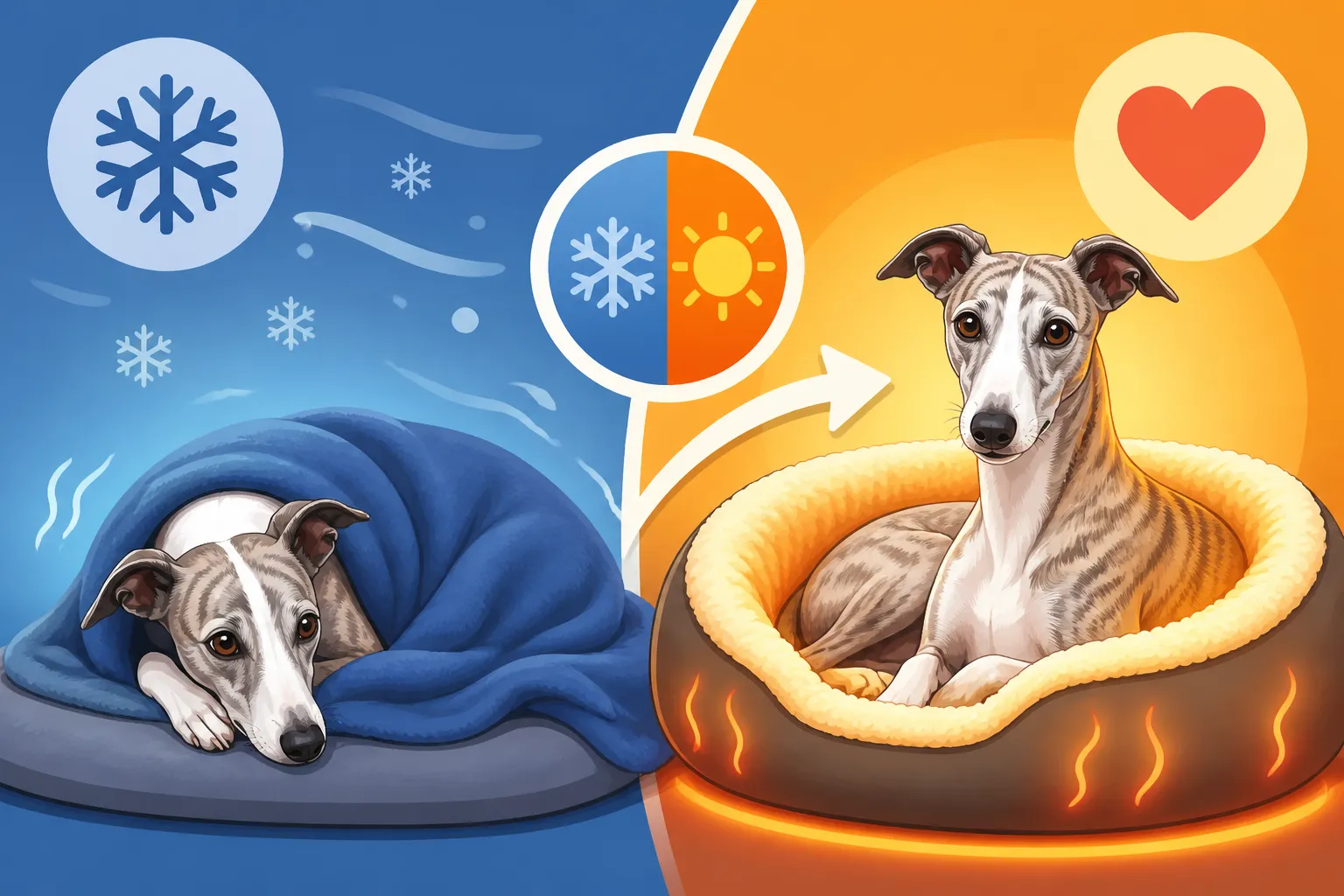
Whether a Whippet Needs a Heated Bed
There's nothing quite like watching your Whippet burrow under a blanket, their little nose poking out, seeking that perfect cozy spot. But for many Whippet owners, especially as the colder months set in or as our beloved dogs age, a nagging question often arises: do they really need a heated bed? This guide will dive deep into understanding your Whippet's unique needs, exploring the various options for supplemental warmth, and helping you decide if a heated bed is the right choice for your lean, loving companion.
Understanding Your Whippet's Unique Thermal Needs
Whippets are magnificent creatures, built for speed and grace, but their physical characteristics also mean they experience the world differently when it comes to temperature. Their streamlined form, while perfect for sprinting, isn't designed for staying warm in chilly conditions.
The Whippet's Lack of Natural Insulation
Let's face it, a Whippet isn't exactly built like a Newfoundland or a Husky. They're sighthounds, bred for chasing down prey at incredible speeds, and their anatomy reflects that purpose. This means they have a very thin coat, almost no body fat to speak of, and skin that's quite delicate. This trifecta makes them particularly susceptible to the cold. Unlike breeds with thick double coats or ample subcutaneous fat, a Whippet's body doesn't have much natural insulation to trap warmth.
Think about yourself wearing a thin t-shirt in winter compared to someone bundled in a heavy parka. That's essentially the difference between your Whippet and many other dog breeds. Their lack of natural padding means they lose body heat rapidly, especially when inactive or in cooler environments. It’s why you'll often find them shivering even when you feel perfectly comfortable, or why they're so keen to snuggle under blankets and into sunny spots. If you've ever heard us talk about A Whippet Has No Insulation and No Padding, you know exactly what we mean. Their comfort threshold for cold is much higher than what you might expect from other dogs.
When a Whippet Feels the Cold Most Acutely
It’s not just about the thermometer reading; several factors dictate when your Whippet will truly feel the chill. The most obvious time is during the colder seasons – autumn and winter. As soon as the leaves start to turn and the temperatures drop, you'll see your Whippet looking for warmth. This is especially true if you live in an area with harsh winters or even just drafty old houses. An unheated room, even if it feels "cool" to you, can quickly become unpleasantly cold for a Whippet.
Beyond the seasons, consider factors like age. A young, spry Whippet might tolerate cooler temperatures for short bursts of activity, but a senior Whippet, much like an older human, has a harder time regulating their body temperature. Their metabolism might slow down, their circulation might not be as robust, and any underlying conditions like arthritis can make the cold feel even more piercing. We often discuss Caring for an Old Whippet That Feels the Cold, and part of that care absolutely involves managing their comfort in various temperatures. Whippets, by nature, are also keen burrowers, which is their instinctual way of finding warmth, whether it’s under a pile of blankets or snuggled tightly against you on the sofa.
The Benefits and Drawbacks of Heated Beds
So, with a clear understanding of just how sensitive Whippets are to temperature, let's weigh the pros and cons of bringing a heated bed into their lives. It's not a one-size-fits-all solution, but for many, it can be a game-changer.
Advantages of Providing Supplemental Warmth
The primary benefit of a heated bed for a Whippet is, naturally, comfort. There's something inherently soothing about a warm spot, especially for a dog that's prone to shivering or seeking out heat sources. This comfort translates into several tangible advantages. Firstly, it can promote deeper, more restful sleep. Instead of constantly adjusting to find a warmer position, your Whippet can truly relax and enjoy their slumber. For dogs that are anxious or prone to "the zoomies" at odd hours, a consistently warm spot can even contribute to a calmer demeanor overall.
Beyond general comfort, a heated bed can offer significant therapeutic benefits, particularly for older Whippets or those with health issues. The gentle, consistent warmth can help soothe aching joints and muscles, which is a blessing for dogs dealing with arthritis or other musculoskeletal discomfort. We’ve explored options like Beds That Suit an Arthritic Whippet, and a heated option often comes up as a top recommendation. The warmth can increase blood flow to these areas, providing relief and potentially improving mobility. It’s also incredibly helpful after a strenuous play session or a long walk in cooler weather, allowing their muscles to relax and recover more effectively. For Whippets recovering from injury or illness, this supplemental warmth can be a crucial part of their healing and comfort regimen, aiding their body in conserving energy rather than expending it to stay warm.
Potential Downsides and Safety Concerns
While the benefits are clear, it's crucial to address the potential downsides and safety concerns that come with heated beds. The biggest worry for any pet owner is overheating. While most modern heated beds come with thermostat controls and safety features, there's always a risk if the bed malfunctions or if your dog can't easily move off of it. Imagine if a bed got stuck on a high setting and your Whippet couldn't escape the heat – it could lead to burns or heatstroke, especially in a dog already sensitive to temperature fluctuations. This is why we sometimes talk about When a Whippet Overheats Under Its Coat even when bundled up, and the same principle applies here.
Electrical safety is another paramount concern. Any device that plugs into an outlet carries a risk, especially if your Whippet is a chewer. Exposed wires or damaged cords can lead to electrical shocks or even fires. It's essential to regularly inspect the bed and its cord for any signs of wear and tear. Furthermore, some dogs might become overly reliant on a heated bed, making them even more sensitive to cooler temperatures if they have to sleep without it. This isn't a medical concern but more a practical one; if you travel or go somewhere without a heated bed, your Whippet might be noticeably less comfortable. Always follow the manufacturer's instructions carefully, and never use a heated bed unsupervised if your Whippet has a history of chewing or if it seems unusually hot to the touch.
Types of Heated Beds and Their Features
The world of pet bedding has certainly expanded beyond a simple cushion! When considering a heated bed for your Whippet, you'll find a few main types, each with its own set of features and considerations.
Electrically Heated Beds
These are perhaps the most common and effective type of heated bed, offering consistent and adjustable warmth. Electrically heated beds typically contain a low-wattage heating element that warms the surface. Many come with internal thermostats that regulate the temperature, often keeping it just a few degrees above ambient room temperature or at a safe, comfortable warmth for your pet. You might find models that offer multiple heat settings, allowing you to fine-tune the warmth based on your Whippet's preference and the room temperature.
These beds are often made with soft, comfortable materials like fleece or orthopedic foam, sometimes with removable, washable covers – a huge plus for keeping things hygienic. You can find them in various shapes and sizes, from flat mats that fit into existing beds or crates, to full-blown bolstered beds designed for maximum coziness. Some are even designed for both indoor and outdoor use (though an outdoor heated bed for a Whippet is likely overkill, given their general intolerance for outdoor cold!). When looking at options, whether you're browsing at a local pet store or through a vast online retailer like Chewy, pay close attention to safety certifications, cord length, and any auto-shutoff features. The goal is consistent, gentle warmth, not intense heat.
Self-Warming and Microwaveable Options
If the idea of an electrical cord makes you a bit nervous, or if you need a more portable warming solution, self-warming beds and microwaveable pads are excellent alternatives. Self-warming beds don't use electricity at all. Instead, they're designed with special insulating layers, often containing a reflective material, that capture and reflect your pet's own body heat back to them. Think of it like a space blanket for your dog. They work best when your Whippet is actually on the bed, creating their own warmth, and are fantastic for crates, car travel, or as an added layer of insulation on top of a regular bed.
Microwaveable warming pads or discs offer a more direct, but temporary, burst of heat. These pads typically contain a gel or ceramic material that absorbs and retains heat from a microwave. You simply heat them up according to the instructions and then place them under a blanket or within your Whippet's bed. The warmth usually lasts for several hours, making them great for short periods, like chilly nights or post-walk warm-ups. They are completely cord-free, eliminating electrical hazards, but you need to be very careful about overheating them in the microwave, as they can cause burns if too hot. Always check the temperature carefully before placing them with your Whippet, making sure they're pleasantly warm, not scorching.
Deciding If a Heated Bed is Right for Your Whippet
So, how do you know if a heated bed is a worthy investment for your particular Whippet? It comes down to observing your dog and considering your living situation.
Assessing Your Whippet's Individual Needs
Every Whippet is an individual, of course, but there are some common indicators that a heated bed might be a good idea. Start by observing your Whippet's behavior. Do they shiver often, even indoors? Do they relentlessly seek out sunbeams, warm laps, or bury themselves deep under blankets the moment the temperature dips? These are all strong signals that they feel the cold easily. You might notice them curled up in a tight ball more frequently than stretching out, indicating they're trying to conserve body heat.
Consider their age: puppies and very old Whippets often have more trouble regulating their body temperature. An older Whippet, especially one showing The Signs a Whippet Is Getting Old like stiffness or joint pain, will almost certainly appreciate the soothing warmth. Their health conditions also play a huge role. Dogs with arthritis, certain circulatory issues, or those recovering from surgery can benefit immensely from the therapeutic warmth. Even your local climate and how well-insulated your home is matters. A Whippet in a drafty New England farmhouse will have different needs than one in a temperate California bungalow. Don't just assume; truly watch and listen to your dog.
Integrating a Heated Bed into Your Home
If you decide to go with a heated bed, careful integration is key to ensuring it’s a positive addition. First, placement matters. Choose a spot away from drafts, but also somewhere that's not constantly exposed to direct sunlight or another heat source, which could lead to overheating. Make sure there’s a safe, easily accessible power outlet if it’s an electric model, and ensure the cord is secured and out of chewing range. Many owners find success by placing the heated bed in their Whippet's favorite sleeping spot – whether that's a quiet corner of the living room or right next to your own bed.
It’s also wise to offer the heated bed as an option, not the only option. Provide other comfortable, unheated beds nearby. This allows your Whippet to choose their comfort level and move off the heated surface if they get too warm. This natural choice helps prevent any risks of overheating. Supervise your Whippet, especially during the first few days or weeks, to ensure they're using it safely and comfortably. Watch for signs of restlessness, excessive panting, or seeking cooler spots, which could indicate the bed is too warm. Remember, the goal is gentle warmth for comfort, not intense heat. And don't be surprised if your Whippet still decides to try and burrow under your duvet sometimes, even with a heated bed! After all, Whether a Whippet Should Sleep Under a Blanket is a question many of us face every night!
Alternatives and Complementary Warmth Solutions
While a heated bed can be fantastic, it's certainly not the only way to keep your Whippet warm and cozy. Often, a combination of solutions works best, creating a truly comfortable environment.
Cozy Bedding and Layering
Sometimes, the simplest solutions are the best. Investing in high-quality, plush bedding can make a world of difference for a Whippet. Think about memory foam beds, which conform to their body, offering support and insulation from cold floors. Bolster beds provide walls that your Whippet can lean against, creating a den-like feel that helps trap body heat. We know What a Whippet Bed Should Be Made Of often includes soft, supportive materials to prevent pressure sores. Don't underestimate the power of blankets! Whippets absolutely adore blankets. A pile of soft, fleece blankets not only provides warmth but also fulfills their natural instinct to burrow and create a snug nest.
Beyond their bed, consider a personal wardrobe for your Whippet. Given The Wardrobe a Whippet Needs Because It Has No Body Fat, sweaters, fleeces, and pajamas are not just fashion statements; they're essential insulation. A well-fitting fleece can add a significant layer of warmth, especially during chilly evenings or when they're lounging around the house. For outdoor excursions, a proper winter coat can keep them warm and prevent shivering. These layers can drastically reduce the amount of body heat your Whippet loses, complementing any heated bed you might provide, or even making one unnecessary if your home is generally warm enough.
Environmental Adjustments
Beyond what you put on or under your Whippet, think about your home environment itself. Small adjustments can have a big impact on their overall comfort. If you have a particular room that your Whippet spends a lot of time in and that tends to be colder, you might consider boosting the heat in that specific area or using a safe, well-placed space heater (always with caution and supervision!). Blocking drafts is another easy win; check windows and doors for any cold air seeping in and use draft stoppers.
Ensuring a consistent indoor temperature, especially during colder months, can make a huge difference. While you might prefer to keep your thermostat lower at night, remember that your Whippet, with their minimal insulation, will feel that drop much more acutely. If you frequently find Why a Whippet Shivers Indoors, even when you think it's not that cold, it's a clear sign your home's ambient temperature might be too low for their comfort. Sometimes, simply closing doors to unused, unheated rooms can keep the warmer air contained in your Whippet's living spaces. These environmental tweaks work hand-in-hand with cozy bedding and appropriate clothing to create a truly comfortable sanctuary for your sensitive sighthound.
Here's a quick comparison of various warming methods for your Whippet:
| Warming Method | Pros | Cons | Best Use Case |
|---|---|---|---|
| Electric Heated Bed | Consistent, adjustable warmth; therapeutic for joints | Electrical safety concerns; potential for overheating | Primary sleeping spot, older/arthritic dogs, cold climates |
| Self-Warming Mat | No electricity needed; safe; portable | Less intense or consistent heat; relies on dog's body heat | Crates, travel, layering, mild chill |
| Microwaveable Pad | Cord-free; targeted, immediate warmth | Temporary heat; potential for burns if overheated | Short-term warmth, quick relief, post-walk warm-up |
| Fleece/Wool Blankets | Versatile; encourages burrowing; inexpensive | Can be kicked off; requires dog to generate own heat | Layering, snuggling on sofa, mild cold |
| Dog Pajamas/Sweaters | Direct body warmth; covers large surface area | Can be chewed; restricts movement for some dogs | Indoor wear, sleeping, additional layer |
Ultimately, whether a heated bed is a necessity or a luxury for your Whippet depends on a blend of their individual needs, your home environment, and your personal preferences. Many Whippet owners swear by them for the comfort and relief they provide, especially as their dogs age. But always prioritize safety, and remember that a well-loved Whippet, wrapped in a cozy blanket on a soft bed, is often the happiest Whippet of all.
Disclaimer
This article is for general informational purposes only and does not constitute professional advice. Laws, prices and regulations vary by location and change over time. Consult a qualified professional for guidance on your specific situation.