Whether a Whippet Suits Bikejoring
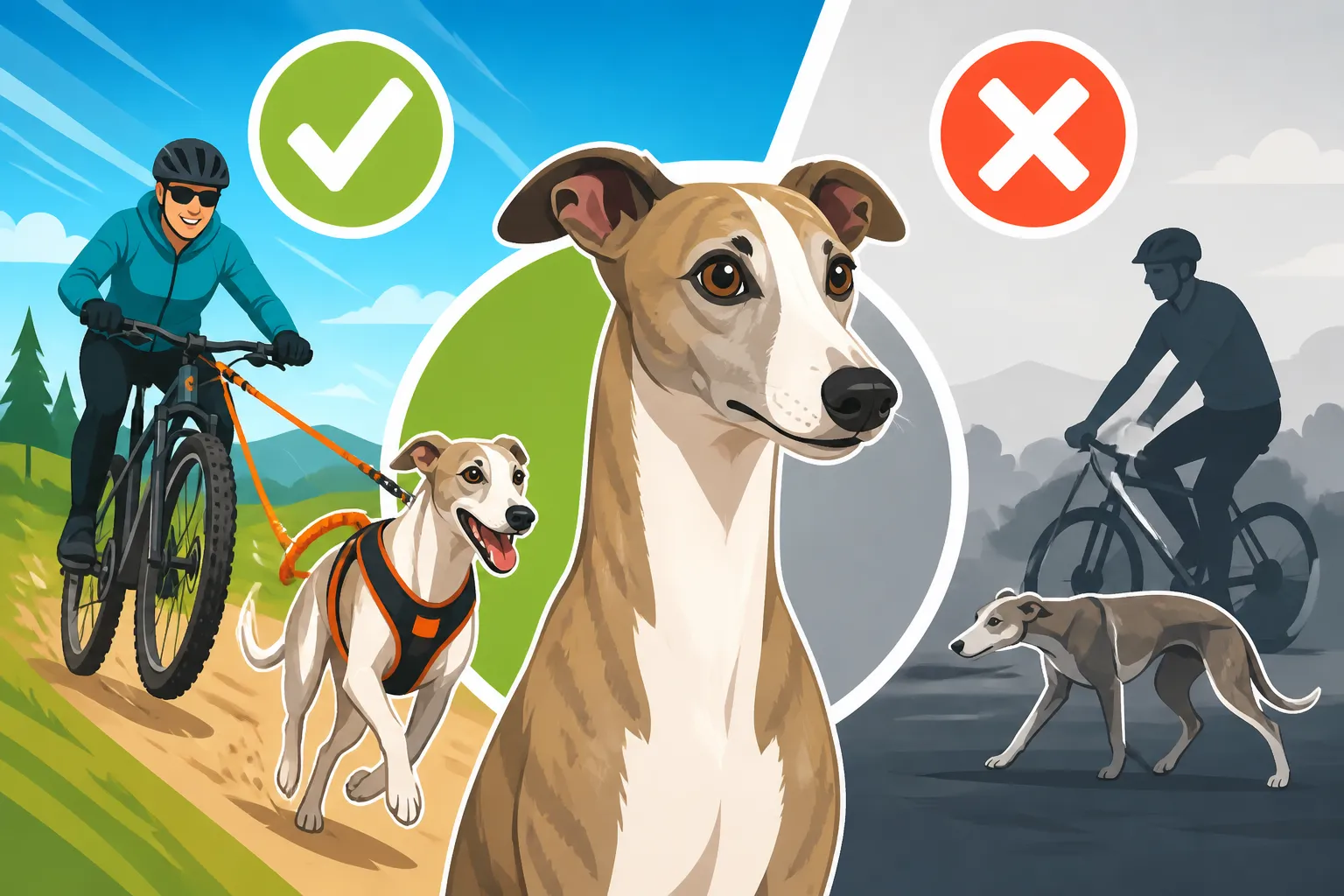
It's an exciting thought, isn't it? Imagining your Whippet tearing across the trails, pulling you on your bike, feeling the wind in their ears. Many Whippet owners wonder if their speedy sighthounds, often seen as ultimate couch potatoes indoors, could actually be fantastic partners for high-energy activities like bikejoring. While their athletic build and incredible bursts of speed make them seem like naturals, there's more to consider than just raw power when it comes to keeping your delicate Whippet safe and happy in this demanding sport. This guide will help you determine if bikejoring is a good fit for your Whippet and what you need to know to do it safely.
Understanding Bikejoring and the Whippet's Natural Aptitude
Bikejoring is essentially urban or trail mushing, where a dog (or team of dogs) runs ahead, pulling a bicycle, with the rider steering and assisting. It's a fantastic way to burn off canine energy and get a great workout for both dog and human. When you look at a Whippet, with their streamlined body, deep chest, and powerful hindquarters, it's easy to see why the thought of them pulling a bike might spark excitement. They are, after all, bred for speed and the chase.
However, the question isn't just can a Whippet pull, but should they, and under what conditions? Their physique, while built for explosive sprints, also comes with unique considerations. Unlike Nordic breeds often associated with pulling sports, Whippets aren't designed for sustained, heavy pulling over long distances, nor do they possess the thick double coats that protect against harsh weather. This doesn't mean bikejoring is off the table entirely, but it certainly means approaching it with a nuanced understanding of your Whippet's specific needs and limitations.
What is Bikejoring and Its Appeal to Sighthound Owners
Bikejoring allows a dog to tap into its natural instinct to run and pull, providing an unparalleled physical and mental outlet. For a sighthound owner, the appeal is obvious: it's a way to let your dog truly run in a controlled environment. Unlike letting your Whippet off-leash in an open field, where their incredible prey drive can send them off on a dangerous chase with Thirty Five Miles an Hour and No Brakes on a Whippet's Recall, bikejoring keeps them tethered to you. This offers a level of safety and control that's often missing when a Whippet is allowed to unleash its full speed. It transforms their chase instinct into a productive, shared activity, building an incredible bond between you and your dog. It's also a great way to ensure they get adequate exercise, especially if you yourself enjoy cycling and want a canine companion on your adventures.
Whippet Speed vs. Bikejoring Endurance
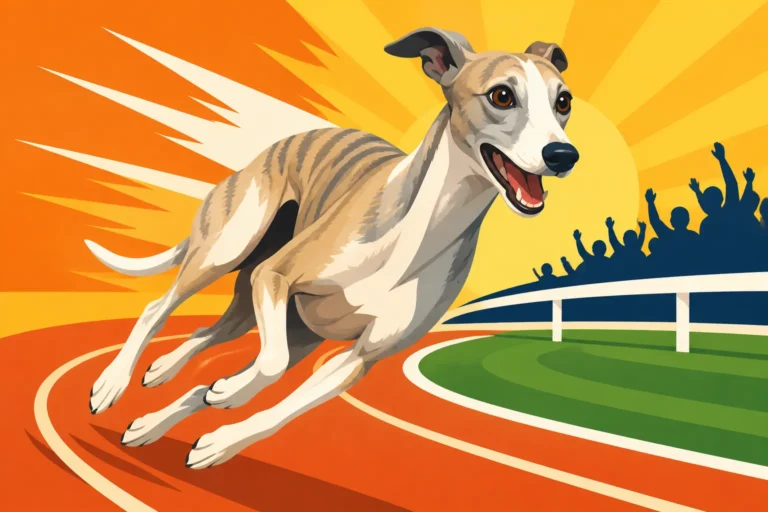
Whippets are renowned for their incredible acceleration and speed over short distances. They can hit top speeds remarkably quickly, often surprising people who think of them as delicate house pets. However, their stamina for sustained running, especially while pulling a load, is different from their ability to sprint for a lure. While a Whippet can certainly run fast, How Far a Whippet Can Sprint Before It Tires is often not as far as a husky or malamute might cover. Bikejoring requires steady, consistent effort over a period of time, not just short bursts.
This is a crucial distinction. A Whippet excels at short-distance sprints, which makes them brilliant for sports like Fast CAT or lure coursing. Bikejoring, however, leans more towards endurance, even if it's over shorter trail segments. Their natural athleticism means they can do it, but you need to manage expectations and tailor your sessions to their specific physiological makeup. We're talking about controlled, moderate-distance runs, not long treks across varied terrain that might be suitable for more traditional pulling breeds.
Whippet Specifics: Speed, Stamina, and Sensitivity
When considering bikejoring for your Whippet, it's vital to marry the general requirements of the sport with the specific characteristics of your individual dog. While the breed as a whole possesses incredible speed, each Whippet is an individual. You'll need to pay close attention to their unique stamina levels, their ability to handle the excitement, and their inherent sensitivity.
The Whippet's Running Style and Stamina
Whippets are sprinters. They have that beautiful, double-suspension gallop that allows them to explode into motion and cover ground incredibly fast. But this burst of speed is largely anaerobic, meaning it's meant for short, intense efforts. They are not built like a marathon runner. While they certainly have a respectable amount of energy, Whether a Whippet Has Stamina to Match Its Speed for continuous pulling is a different beast entirely. You'll find that a Whippet will likely perform best in shorter bikejoring sessions, perhaps 15-30 minutes, rather than hour-long excursions.
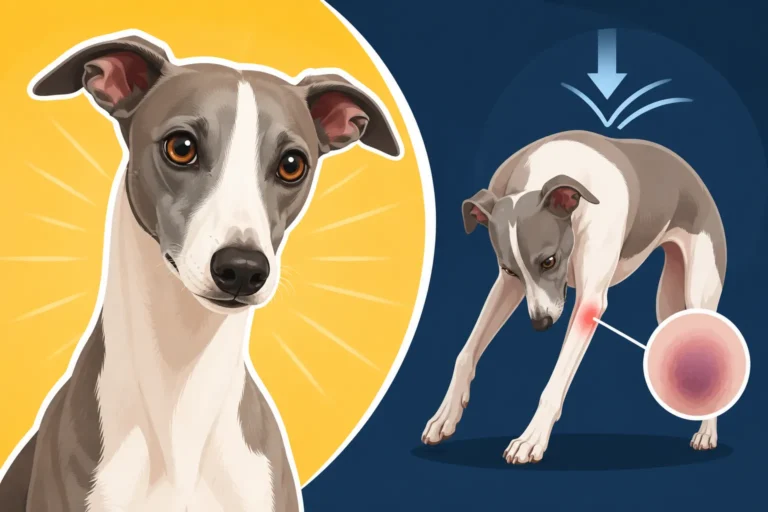
It's also important to remember their physical structure. Their lean bodies and thin skin make them susceptible to scrapes and tears, especially if they're running through dense undergrowth or taking tumbles. The Thin Skin That Sends a Whippet to the Vet for Stitches is a real concern, and a bikejoring harness should be well-fitted and the terrain carefully chosen to avoid injuries. Whippets do not have the natural padding that other breeds might, so choosing comfortable, well-designed gear is paramount.
Whippet Temperament and Trainability for Pulling
Whippets are generally intelligent and eager to please, especially when there's a reward involved. They respond wonderfully to positive reinforcement, often shutting down if harsh methods are used. How a Whippet Learns When It Bruises From Pressure highlights their sensitive nature. When training for bikejoring, this means patience, clear communication, and making the experience fun and rewarding. They need to learn commands like "gee" (right), "haw" (left), "on by" (pass an obstacle), and "whoa" (stop) in a way that aligns with their sensitive temperament.
While they have a strong prey drive, which can be channeled into pulling, it also means that distractions like squirrels or rabbits could cause them to suddenly veer. This is a critical safety consideration. You need to ensure your Whippet is solid on these commands before hitting trails with potential wildlife. BAXTER & Bella offers excellent online resources and courses that can help you build a strong foundation of positive reinforcement training, making it easier to teach these crucial commands in a gentle, effective manner that respects your Whippet's delicate psyche.
Health Considerations: Joints, Temperature, and Breathing
Before embarking on any strenuous activity like bikejoring, a full vet check-up is absolutely essential. While Whippets are generally a healthy breed with The Twelve to Fifteen Years a Whippet Lives, you want to ensure there are no underlying issues, especially with their heart or joints. Though typically sound, excessive strain on growing joints in young dogs or already compromised joints in older dogs could lead to problems. Raising a Whippet Puppy Without Wrecking Its Joints underscores the need to wait until your Whippet is fully mature (typically 18-24 months) before engaging in high-impact or strenuous pulling sports.
Temperature regulation is another major concern. Whippets have very little body fat and a thin coat, making them poorly insulated. While this isn't an issue for sprinting in cool weather, sustained exercise generates heat. They can overheat quickly in warmer temperatures, and conversely, get chilled quickly in cold, wet conditions. You must always check the weather conditions and avoid bikejoring in temperatures that are too hot or too cold. Always bring plenty of water for both you and your Whippet, and take frequent breaks.
Essential Gear and Training for Bikejoring with a Whippet
If you've decided that bikejoring might be a good fit for your Whippet, the next step is getting the right equipment and establishing a solid training regimen. Skimping on either of these can lead to injury for your dog or a frustrating, even dangerous, experience for both of you. This isn't just about putting a harness on and going; it requires specific gear designed for safety and efficiency.
Selecting the Right Harness and Line
This is perhaps the most critical piece of equipment. A standard walking harness or collar will not suffice and can cause injury. You need a specialized pulling harness designed to distribute pressure evenly across the dog's chest and shoulders, allowing for free movement of the legs and unrestricted breathing. A well-fitted X-back or H-back style harness is usually recommended. The harness should fit snugly but not restrict movement, with no rubbing points. You can find a wide selection of these specialized harnesses on platforms like Amazon, but always measure your Whippet carefully and check reviews to ensure a good fit for their unique sighthound build.
The line that connects your Whippet to the bike also needs to be specific to bikejoring. It should be bungee-corded to absorb shock, preventing jarring jerks on both ends. This elastic quality protects your Whippet's neck and spine and also makes for a smoother ride for you. The length is also important, typically 8-10 feet when stretched, to keep your dog safely ahead of the bike without being too far away to control.
Bike Modifications and Rider Safety
Your bicycle itself needs to be suitable. A mountain bike or gravel bike with good suspension and sturdy brakes is ideal, as you'll be navigating trails. Crucially, you'll need a bikejoring attachment, often called a "bike antenna" or "bike arm," which extends from the front of your bike. This keeps the pulling line clear of your front wheel, preventing it from getting tangled and causing a dangerous fall.
Beyond the bike, your own safety gear is paramount. A helmet is non-negotiable. Gloves can protect your hands, and protective eyewear is a good idea, especially on dusty or overgrown trails. Remember, your Whippet's safety is also dependent on your ability to control the bike and react to sudden movements.
Here's a quick checklist of essential bikejoring gear:
| Item | Description | Importance |
|---|---|---|
| Pulling Harness | X-back or H-back style, designed for even pressure distribution | Critical |
| Bungee Lead/Line | Shock-absorbing, 8-10 ft stretched length | Critical |
| Bike Antenna/Arm | Attaches to bike frame, keeps line away from front wheel | Critical |
| Mountain/Gravel Bike | Sturdy, good brakes, suspension recommended | High |
| Helmet | Rider head protection | Critical |
| Water Bottle/Bowl | For hydration for both dog and human | High |
| First Aid Kit | For minor scrapes, cuts, or paw injuries | High |
| Reflective Gear | For low-light conditions, both dog and rider | Medium |
Training Your Whippet for the Trail
Training should start small and build up gradually. Begin with simple commands on the leash, then transition to the pulling harness and line without the bike, encouraging them to pull you while walking or jogging. Use positive reinforcement heavily; treats and praise work wonders with Whippets. You want them to associate pulling with a fun, rewarding experience.
Once they understand the concept of pulling forward on command, introduce the bike. Start by walking alongside your bike with your Whippet in harness and line, getting them accustomed to the bike's presence and sounds. Gradually progress to short, slow rides on a flat, safe surface, always reinforcing positive behavior. Don't push them too hard too fast. Warming Up a Whippet Before It Runs is just as important for bikejoring as it is for racing, helping to prevent muscle strains.
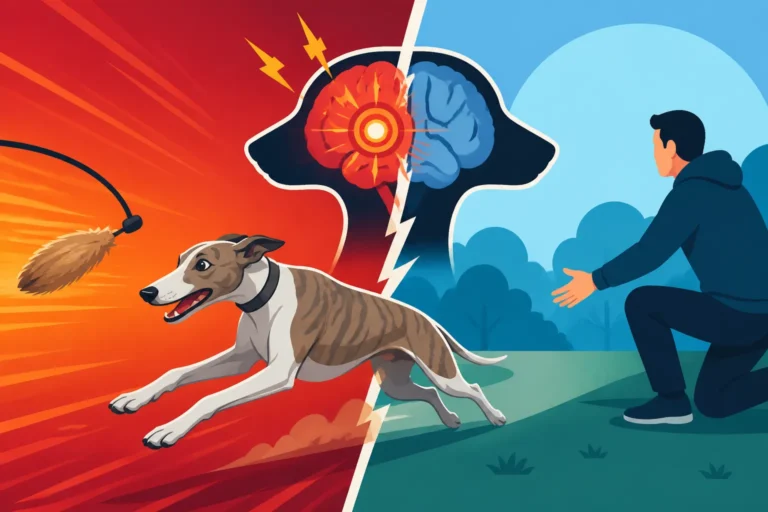
Consistency and patience are key. If your Whippet struggles with a particular aspect, break it down into smaller steps. Consider using BAXTER & Bella's training programs for guidance on impulse control and focus, which are crucial for a successful bikejoring experience. Remember, a Whippet's natural chase instinct means Why a Whippet's Chase Instinct Overrides Its Recall in a flash, so rock-solid "leave it" and "whoa" commands are absolutely vital for safety.
Safety Concerns and Considerations for Your Whippet
Bikejoring with a Whippet can be an incredibly rewarding experience, but it comes with a heightened responsibility for their safety. Their unique physical characteristics mean you need to be extra vigilant and proactive in preventing injuries and ensuring their well-being. This isn't a sport where you can afford to be careless.
Weather Conditions and Terrain Choices
As mentioned, Whippets are not built for extreme temperatures. Avoid bikejoring in hot weather (anything above 60-65°F, or even cooler if humid) to prevent overheating. Their thin skin and minimal fat offer poor insulation. Likewise, frigid temperatures, especially with wind or precipitation, can lead to hypothermia. Always dress your Whippet in appropriate gear like a fleece coat if it's chilly, but be mindful of overheating during exertion. Whether a Whippet Needs a Coat Below Fifty Degrees for a walk, so imagine the need for protection when actively working.
The terrain is equally important. Smooth, even dirt trails are ideal. Avoid asphalt, concrete, or rocky, uneven paths that can be hard on their delicate paw pads and joints. Sharp sticks, thorns, or debris can easily cause cuts to their thin skin. Where a Whippet Tears Its Skin Most is often on their legs and flanks, areas that can be exposed during running. Always inspect the trail ahead for hazards and regularly check your Whippet's paws and legs for any injuries after a run. Cooling a Whippet Down After a Sprint and checking for scrapes should be part of your post-activity routine.
Protecting Delicate Paws and Joints
Whippets have relatively delicate feet compared to breeds bred for rough terrain. While they have excellent ground contact, repeated impact on hard surfaces can lead to sore pads, cracks, or even corns. Consider dog booties, especially if you're exploring varied terrain, though getting a Whippet accustomed to them takes time.
Their joints, while generally sound, are not immune to injury from improper warm-ups, overexertion, or sudden impacts. Always warm up your Whippet with a brisk walk or light jog before asking them to pull, and cool them down similarly afterward. Avoid abrupt stops or sharp turns that can put undue stress on their legs. If you're concerned about your Whippet's joint health, especially as they age, consult your vet about appropriate exercise levels and potential supplements.
Emergency Preparedness and First Aid
Even with the best precautions, accidents can happen. Having a small first aid kit specifically for your dog is crucial. This should include items like antiseptic wipes, self-adhesive vet wrap, paw balm, and a pair of blunt-nosed scissors. Knowing Treating a Whippet's Skin Tear and how to handle minor cuts or abrasions quickly can prevent them from worsening. Always carry your phone, and know the location of the nearest emergency vet clinic, especially if you're on a remote trail.
It's also important to be realistic about your Whippet's limits. While they may look like they're having the time of their life, constantly monitor their body language for signs of fatigue, discomfort, or stress. Excessive panting, lagging behind, or reluctance to continue are all clear signals that it's time for a break or to end the session. Never push your Whippet beyond their comfort zone; their enjoyment and safety should always be your top priority.
In summary, a Whippet can be an excellent bikejoring partner, but only if you approach the sport with a deep understanding of their unique needs, rigorous training, and an unwavering commitment to their safety. It's about channeling their incredible athleticism into a shared adventure, not transforming them into something they're not.
Disclaimer
This article is for general informational purposes only and does not constitute professional advice. Laws, prices and regulations vary by location and change over time. Consult a qualified professional for guidance on your specific situation.