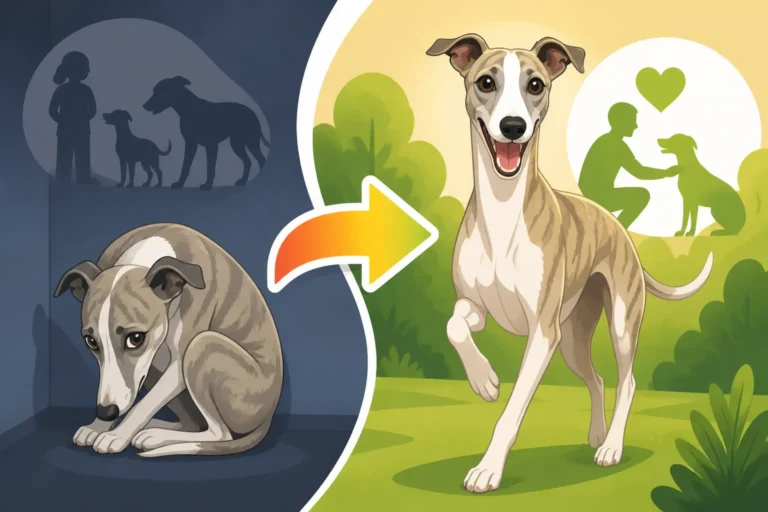
Why a Whippet Burrows Under the Covers
If you've ever owned a Whippet, you know the struggle: you glance over at the sofa, and where your sleek, elegant sighthound was just a moment ago, now there's just a suspiciously blanket-shaped lump. It’s a common scenario that often leaves new owners wondering, "Why does my Whippet insist on burrowing under everything?" This guide dives deep into the fascinating reasons behind this endearing (and sometimes baffling) behavior, helping you understand your Whippet better and create a home environment where their natural instincts can thrive safely and happily.
The Instinctive Drive: Why Whippets Seek the Snuggle
It’s not just a cute quirk; your Whippet's irresistible urge to burrow is deeply rooted in their breed history and physiological makeup. They're not just looking for a hideout; they're responding to ancient whispers in their genes.
A Legacy of Warmth and Shelter
Think about where Whippets came from – the cooler climates of England, often sharing humble homes with miners. These dogs weren't typically housed in outdoor kennels, exposed to the elements. Instead, they were cherished members of the family, often sharing beds and hearths to stay warm. This close companionship fostered a strong instinct to seek warmth and shelter in soft, enclosed spaces. Their very physiology reinforces this need: Whippets are famously lean, with very little body fat and a fine, short coat. They simply don't have the natural insulation of many other breeds.
Imagine a chilly evening. For a thick-coated Labrador, curling up on a rug might be perfectly comfortable. For your Whippet, however, that same rug might feel like sleeping on ice. Their minimal body fat means they lose heat quickly, making them highly susceptible to cold. This isn't just about shivering; prolonged cold can be genuinely uncomfortable and even detrimental to their well-being. So, when they nose their way under a blanket, they're not being dramatic; they're genuinely trying to regulate their body temperature. It's an evolutionary adaptation that's served them well for generations, making them master blanket architects. This explains A Whippet Has No Insulation and No Padding.
The Pursuit of Deep Comfort
Beyond just warmth, Whippets crave a sense of security and profound comfort that only being fully enveloped can provide. They aren't content to just lie on a soft surface; they want to be in it, surrounded by it, as if creating their own personal, plush cave. This desire for deep comfort can be seen in many sighthound breeds, but it's particularly pronounced in Whippets due to their sensitive nature and physical structure.
Their sleek, bony frames mean hard surfaces can be uncomfortable, leading to pressure points and even sores over time. A soft, yielding environment cushions their joints and muscles, allowing them to truly relax and sink into a deep, restorative sleep. This isn't about being pampered; it's about physical necessity for a breed that lacks natural padding. They will seek out the softest spot in the house, whether it's a pile of laundry, a freshly made bed, or the interior of your favorite blanket fort. Providing ample soft bedding, like memory foam beds or thick duvets, is crucial for their long-term joint health and overall happiness. You'll find many Whippet owners debating The Beds a Whippet Owner Keeps Buying.
Beyond Instinct: Behavioral Reasons for Whippet Burrowing
While warmth and comfort are primary drivers, a Whippet's burrowing habit also speaks to their emotional landscape. They are sensitive creatures, and their choice to disappear under covers can often reveal their need for security, calm, or a personal retreat.
A Sense of Security and Safety
For many dogs, a den-like environment offers a profound sense of security. It's a throwback to their wild ancestors who sought out caves or burrows to rest, give birth, and escape predators. For a Whippet, a pile of blankets functions as their modern-day den. Being completely covered can make them feel safe from perceived threats, loud noises, or simply the general hustle and bustle of a busy home. It's their way of hitting the "reset" button and finding a moment of peace.
This need for a secure space is especially important for Whippet puppies and newly adopted adults who might still be adjusting to their environment. A comfortable, private den can help them feel grounded and protected. You might notice your Whippet diving under the duvet during a thunderstorm, or when unexpected guests arrive. This isn't a sign of fear, but rather a healthy coping mechanism. By providing them with a designated, cozy burrowing spot, you're giving them a tool to manage their own comfort and emotional state. This can be particularly helpful for a shy Whippet who might feel overwhelmed in new situations. A comfortable crate, heavily padded with blankets, can serve as an excellent private sanctuary. For tips on managing similar behaviors, you might find Whether a Whippet Feels Trapped in a Crate useful.
Managing Anxiety and Overwhelm
Whippets, despite their calm demeanor, can be quite sensitive. They pick up on household moods, react to sudden changes, and can experience anxiety just like humans do. For some Whippets, burrowing becomes a self-soothing behavior, a way to mitigate stress or overstimulation. If your Whippet is feeling anxious, perhaps due to separation, loud noises, or even just a particularly busy day, disappearing under a blanket can help them regulate their emotions and find calm.
It’s like pulling a weighted blanket over yourself after a long, stressful day; the gentle pressure and enclosed space provide a comforting sensation that can reduce feelings of nervousness. If you notice your Whippet burrowing more frequently, especially during times of change or heightened activity, it might be their way of signaling they need a little extra reassurance and a quiet space. Creating a consistent routine and providing these safe havens can go a long way in managing any underlying stress. Understanding the difference between a cold Whippet and a nervous one, as discussed in Telling a Cold Whippet From a Nervous One, can help you respond appropriately.
Creating the Perfect (and Safe) Burrowing Environment
Since burrowing is such an inherent part of being a Whippet, embracing and facilitating this behavior safely is key to their happiness. It’s about providing them with opportunities to indulge their instincts without compromising their well-being.
The Right Bedding and Blankets
Not all blankets are created equal when it comes to Whippet burrowing. They need materials that are soft, breathable, and easy for them to manipulate into a cozy den. Fleece blankets, soft throws, and even old comforters are ideal. Avoid anything too heavy or stiff that might restrict their movement or make it difficult for them to get out.
Consider layering different textures. A soft base bed, perhaps an orthopedic memory foam bed, topped with a couple of lightweight, fluffy blankets, gives them options. Some Whippets prefer to tunnel into a single, thick blanket, while others like to nestle between multiple thin layers. Look for blankets that are generously sized so they can truly envelop themselves. You can find excellent options on Amazon, from simple fleece throws to more elaborate dog cave beds designed specifically for burrowers. Investing in washable bedding is a must, as these beloved blankets will get a lot of use! For inspiration, consider Whether a Whippet Needs a Blanket to Burrow Under.
Here's a quick comparison of popular burrowing materials:
| Material Type | Pros | Cons | Ideal For |
|---|---|---|---|
| Fleece | Soft, warm, lightweight, easy to wash, affordable | Can pill over time, static cling | Everyday burrowing, layering |
| Cotton Blend | Breathable, durable, moderate warmth, natural feel | Can wrinkle, may not be as "fluffy" | Warmer climates, sensitive skin |
| Sherpa/Faux Fur | Extremely soft, luxurious feel, very warm | Can be harder to wash, may retain heat | Colder weather, ultimate comfort |
| Old Comforters | Excellent loft for tunneling, often free | Can be bulky to wash, may wear out | Deep nesting, DIY den creation |
Setting Boundaries for Safe Snuggling
While encouraging burrowing is great, it's also important to ensure it happens in appropriate and safe locations. You don't want your Whippet accidentally getting trapped or hurt. Establish designated burrowing spots early on, like their dog bed, a crate, or a specific corner of the sofa.
Teach your Whippet that while the human bed is a wonderful place for cuddles and occasional burrowing, it's not their only option. Positive reinforcement training can help here. When they use their own bed to burrow, praise them and offer a treat. If you want to keep them off certain furniture, consistency is key. Training programs, even those like BAXTER & Bella that focus on general puppy manners, can help you establish clear boundaries and expectations around where your Whippet can and cannot make their blanket den. This also ties into Whether a Whippet Should Sleep in the Bedroom. Always ensure any burrowing spot is clear of hazards like electrical cords or small objects they could ingest. If you allow them under your covers at night, always double-check they've emerged before you get out of bed!
When to Pay Closer Attention to Your Whippet's Burrowing
Most of the time, your Whippet's burrowing is perfectly normal and healthy. However, there are instances when it might signal something more, and knowing the difference can help you provide the best care for your sensitive companion.
Distinguishing Normal Behavior from Concern
A healthy, happy Whippet will typically burrow when they're settling down for a nap, going to bed for the night, or seeking warmth. This is normal behavior, and you'll often see them kneading their blankets, circling, and meticulously arranging their chosen cover before disappearing. They'll emerge refreshed and ready to engage with the world.
However, if you notice a sudden, dramatic increase in burrowing, or if your Whippet seems to be hiding rather than simply getting cozy, it's worth taking a closer look. For example, if your typically social Whippet starts burrowing and staying hidden even when you're actively trying to engage them, or if they seem restless and unable to settle even when buried, it could be a sign of discomfort or anxiety. Excessive shivering, even when warm, combined with burrowing, might indicate pain or illness, not just cold. Why a Whippet Shivers Indoors further explains this. Trust your instincts as an owner; you know your dog best. If something feels "off," it probably is.
Addressing Excessive or Destructive Burrowing
Sometimes, burrowing can become excessive or even destructive. If your Whippet is constantly trying to burrow into places they shouldn't (like small spaces they could get stuck in), or if they're tearing up blankets and furniture in their attempts to create a den, it's time to intervene.
One common reason for destructive burrowing is unmet needs. Is your Whippet getting enough mental and physical exercise? A bored or under-stimulated Whippet might turn to destructive behaviors. Ensure they have plenty of appropriate chew toys and opportunities for safe sprints in a fenced area. Another reason might be heightened anxiety. If the burrowing seems compulsive or frantic, rather than calm nesting, consider if there have been changes in the household routine or environment that could be causing stress. Consulting with a professional dog trainer or a veterinary behaviorist can provide tailored strategies if the behavior is truly problematic. They can help you identify triggers and implement positive reinforcement techniques. Sometimes, simply redirecting them to a specially designed, durable dog bed or providing more structured activities can help curb unwanted habits.
Remember, your Whippet loves to be warm, safe, and utterly cozy. Embracing their burrowing instinct, while providing appropriate outlets and keeping an eye on their overall well-being, is part of the joy of sharing your life with these unique and loving sighthounds.
Disclaimer
This article is for general informational purposes only and does not constitute professional advice. Laws, prices and regulations vary by location and change over time. Consult a qualified professional for guidance on your specific situation.