The Age a Whippet Counts as a Senior
It's a question every loving Whippet owner eventually asks, often with a slight pang of sadness: "When does my vibrant, zoomy companion actually start counting as a senior?" There's a common misconception that senior status hits at a uniform age across all breeds, but with sighthounds like our Whippets, it's a bit more nuanced. This guide will walk you through the typical timeline and subtle signs to help you understand when your Whippet transitions into their golden years, and how to best support them.
Understanding Seniority in Sighthounds
Thinking about our dogs getting older can be tough, but it’s an inevitable part of their journey with us. For Whippets, the concept of "senior" isn't just about blowing out a certain number of candles on their birthday cake; it's a gradual shift, marked by subtle changes that sometimes sneak up on us. Sighthounds, with their unique physiology and generally longer lifespans compared to many other large breeds, often approach seniority a little differently.
More Than Just a Number: The Nuance of Whippet Aging
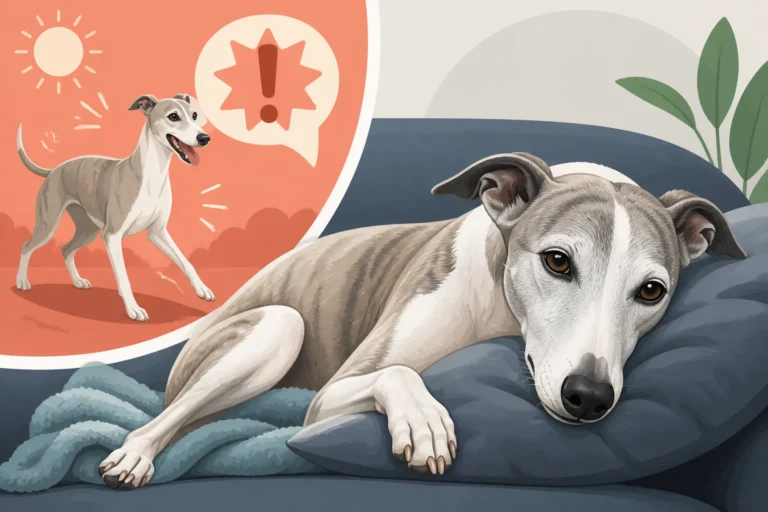
You might hear that dogs are "senior" at seven years old. While that's a decent ballpark for many breeds, it doesn't quite capture the full picture for a Whippet. These lean, athletic dogs often maintain a youthful vigor well into what might be considered middle age for a Mastiff or a Great Dane. Their light build and generally fewer genetic predispositions to orthopedic issues in their younger years mean they can often enjoy an active life for longer. The transition to senior status for a Whippet is less about a hard-and-fast chronological age and more about noticing subtle physiological and behavioral shifts. It’s a transition where their needs begin to subtly change, requiring a more observant and proactive approach from us as their caregivers. It's about recognizing that while they might still love to sprint, their recovery time might be a bit longer, or they might seek out sunbeams more often.
General Guidelines vs. Individual Reality
While a general guideline puts most Whippets into their senior years somewhere between 8 to 10 years old, it's absolutely crucial to remember that every single dog is an individual. You might have a Whippet who is still chasing squirrels with gusto at nine, and another who starts to slow down a little earlier at seven. Factors like genetics, diet, exercise history, and overall health play a massive role. A Whippet who has had a particularly active racing career, for instance, might show signs of joint wear a bit sooner than a pampered couch potato, though this isn't always the case. It's really about tuning into your specific dog, observing their habits, and looking for those individual clues that signal they're moving into a new phase of life. Your vet will also be a critical partner in this assessment, using their medical expertise to gauge your Whippet's true biological age.
Comparing Whippet Lifespan to Other Breeds
One of the great joys of owning a Whippet is their relatively long lifespan. While many larger breeds are considered elderly by age seven or eight, often only living for 10-12 years, Whippets typically live for a good The Twelve to Fifteen Years a Whippet Lives. It's not uncommon to hear of Whippets living happily and healthily into their mid-teens, sometimes even beyond. This extended youthfulness means that their "senior" period often stretches over several years, allowing us more time to cherish their companionship. However, this also means we need to be prepared for the specific health challenges that can arise during these longer golden years. Understanding What Whippets Actually Die Of can help owners be proactive in their care and screening, providing the best possible quality of life for as long as possible. Their robust nature, generally free from the severe orthopedic issues that plague some larger breeds, contributes significantly to this longevity, making them wonderful long-term companions.
The Physical Markers of an Aging Whippet
As our Whippets gracefully age, their bodies begin to tell a story of years well-lived. These aren't always dramatic changes overnight; more often, they are subtle shifts that, when observed closely, indicate their transition into senior status. Paying attention to these physical markers can help us adjust their care and ensure their comfort.
Subtle Changes in Energy and Activity Levels
One of the first things you might notice in a senior Whippet is a gradual shift in their energy levels. While they might still enjoy a good sprint, those legendary bursts of speed might become a little less frequent, or not last quite as long. The dog who used to bounce off the walls for an hour after a walk might now be content with a shorter, more leisurely stroll before heading straight for the sofa. You might observe that Whether an Old Whippet Still Wants to Run, and often, they do, but perhaps not with the same boundless enthusiasm or for the same duration. They might also take longer to recover after a vigorous play session, seeking out a quiet, comfortable spot for a more extended nap. It’s not necessarily a sign of illness, but simply a natural winding down of their youthful exuberance. Their playtime might shift from high-speed chases to more gentle games, or simply enjoying your company.
Coat and Skin Transformations
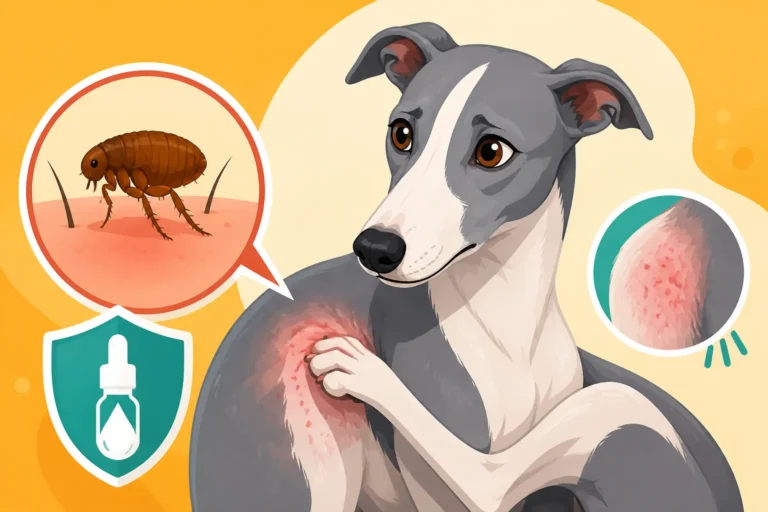
Just like people, Whippets often start to show signs of aging in their appearance, particularly their coat and skin. A common and endearing sign is the gradual greying around their muzzle, eyes, and sometimes even their paws. Their once sleek, tight coat might become a little thinner, especially over bony prominences, or feel slightly coarser to the touch. You might also notice their skin becomes a bit less elastic, perhaps prone to minor abrasions or drying out more easily. This thinning skin can make them even more susceptible to the kind of nicks and tears that Whippets are already known for, reinforcing the need for careful handling and environmental awareness. Their nails might also become thicker and more brittle, requiring more frequent trimming and careful attention to prevent cracking or overgrowth. Regular grooming, even for their low-maintenance coats, becomes a good opportunity to examine their skin and notice any lumps, bumps, or dry patches that warrant veterinary attention.
Dental Health and Joint Stiffness
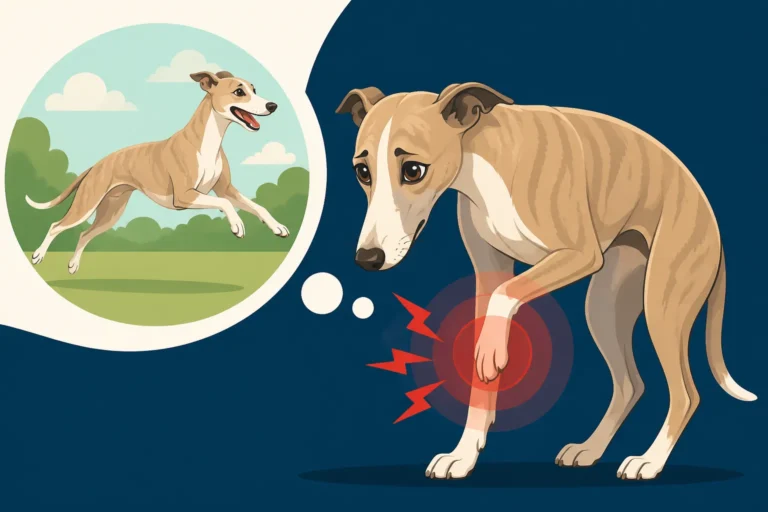
Dental health is often a hidden crisis in aging dogs, and Whippets are no exception. As they get older, tartar buildup and gum disease can become more pronounced, leading to pain, infection, and even systemic health issues. You might notice bad breath, reluctance to eat hard kibble, or pawing at their mouth. Addressing Whether a Whippet's Teeth Need Scaling Often is crucial, as neglected dental health can impact their overall well-being. Beyond their teeth, joint stiffness is another common concern for senior Whippets. While they might not be as prone to severe hip dysplasia as some breeds, arthritis can certainly set in. You might observe a slight reluctance to jump onto the sofa, a slower pace on walks, or difficulty getting up after a long nap. Their gait might stiffen, particularly in the mornings or after periods of rest. Providing them with comfortable, supportive bedding and perhaps discussing joint supplements with your vet can make a huge difference in their comfort. These subtle signs of discomfort are their way of telling us they need a little extra help to move around freely.
Behavioral Shifts in Senior Whippets
Beyond the physical changes, our aging Whippets often exhibit shifts in their behavior and routines. These changes can sometimes be puzzling or even frustrating if we don't understand their root causes, but they are often just another facet of the aging process.
Changes in Sleep Patterns and Routines
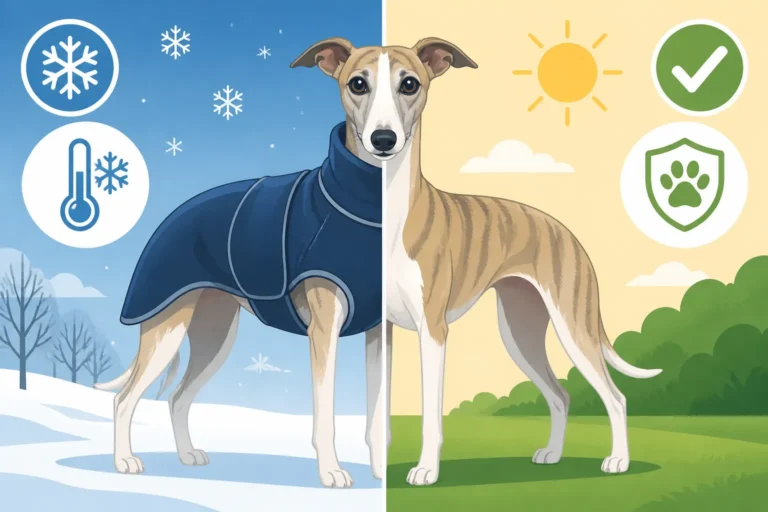
As Whippets age, their sleep patterns can undergo noticeable changes. You might find your senior Whippet sleeping even more than their already impressive "couch potato" norm during the day, happily snoozing for hours in a warm, sunny spot. However, this increased daytime napping can sometimes lead to restlessness at night. They might pace, seem disoriented, or wake up frequently, which can be disruptive for both them and you. They also become much more sensitive to cold, often seeking out extra blankets or even a heated bed. Caring for an Old Whippet That Feels the Cold becomes a priority, ensuring they have plenty of cozy, warm places to rest. Their preferences for resting spots might shift; they might value soft, orthopedic beds over hard floors even more acutely. Observing these changes can help you adjust their environment to maximize their comfort and ensure they get the restorative sleep they need.
Altered Social Interactions and Personality
An aging Whippet's personality can also evolve. Some become a bit more particular about their personal space, especially with rambunctious puppies or overly energetic younger dogs. They might be less tolerant of boisterous play and prefer quieter interactions. Others might become more clingy, seeking out extra reassurance and physical closeness with their favorite people. While a Whippet is generally a gentle soul, an older dog might occasionally express a grumpy growl or snap if startled or if they're experiencing pain. It's not malice, but often a sign of discomfort or a decreased ability to cope with sudden changes or intrusions. Understanding these shifts helps us respect their boundaries and provide the calm, predictable environment they often crave. They might still enjoy the company of other dogs, but they'll likely appreciate more sedate, polite interactions rather than rough-and-tumble play.
Cognitive Changes: The "Old Whippet Confusion"
One of the more challenging aspects of senior pet ownership is recognizing potential cognitive decline. Just like humans, dogs can experience changes in brain function as they age, sometimes leading to what's known as Canine Cognitive Dysfunction (CCD). You might notice that Whether an Old Whippet Gets Confused. This could manifest as disorientation in familiar surroundings, staring blankly at walls, forgetting routines, having accidents in the house, or changes in their sleep-wake cycle. They might seem less engaged or respond differently to commands they've known all their lives. For example, they might forget where their food bowl is or seem lost in a familiar room. These signs can be distressing to witness, but recognizing them early allows you to consult with your vet about potential interventions, dietary supplements, or environmental adjustments that can help manage the symptoms and maintain their quality of life. Creating a consistent routine and keeping their environment predictable can also help a confused Whippet feel more secure.
Proactive Care for Your Aging Whippet
The golden years are a time to truly spoil our Whippets and provide them with the best possible care to ensure their comfort and happiness. Proactive steps, especially in their health and environment, can make a world of difference.
Regular Veterinary Check-ups and Screening
As your Whippet enters their senior years, those annual vet visits become even more critical. In fact, many veterinarians recommend twice-yearly check-ups for senior dogs. This allows for earlier detection of age-related issues when they are often more treatable. Your vet will conduct thorough physical exams, paying close attention to their joints, teeth, eyes, and any lumps or bumps. They'll also likely recommend routine bloodwork, which can flag potential problems with organs like the kidneys and liver. It's important to understand that The Bloodwork Numbers That Look Wrong on a Healthy Whippet might actually be normal for a sighthound, but your vet will interpret them in the context of your Whippet's breed and age. Cardiac health is also a significant concern, as Mitral Valve Disease Is What Ends Most Old Whippets. Regular cardiac exams, including listening for heart murmurs, are vital. Don't hesitate to discuss any changes you've observed, no matter how small, with your veterinarian. They are your best resource for navigating your Whippet's senior health.
Nutritional Adjustments for Senior Needs
As a Whippet ages, their metabolic rate often slows down, and their activity levels might decrease. This means their dietary needs will likely change to prevent unwanted weight gain, which can exacerbate joint issues and other health problems. Feeding an Old Whippet requires careful consideration. Many senior dog foods are formulated with fewer calories, increased fiber, and sometimes added joint support ingredients like glucosamine and chondroitin. However, some senior Whippets might actually lose muscle mass, and may benefit from a diet with a higher protein content to help maintain it. Discussing your Whippet's specific nutritional requirements with your vet is crucial. They can help you choose a diet that supports their aging body without leading to excess weight. Hydration is also incredibly important; ensure fresh water is always available and consider adding a little warm water to their kibble to make it more palatable and increase moisture intake.
Creating a Comfortable Environment
A comfortable home environment is paramount for an aging Whippet. Their lean bodies and thin skin make them particularly susceptible to pressure sores and discomfort on hard surfaces. This is why having ample soft bedding throughout the house is essential. Think plush dog beds, memory foam mats, and plenty of blankets for burrowing. Beds That Suit an Arthritic Whippet will be those that provide excellent support without creating pressure points. Drafts can also make them feel cold very quickly, so ensure their sleeping areas are warm and protected. Consider providing ramps or steps to help them access favorite furniture or beds if jumping becomes difficult, reducing strain on their joints. Maintaining a consistent temperature in your home and providing extra layers, especially if you're Caring for an Old Whippet That Feels the Cold, can significantly enhance their comfort. Small adjustments, like non-slip rugs on slick floors, can also prevent falls and provide better traction for stiff joints.
Emotional Support and Quality of Life
Beyond physical care, providing emotional support and nurturing your senior Whippet's mental well-being is incredibly important. Their emotional needs can shift as they age, and understanding these changes helps maintain their quality of life.
Maintaining Mental Stimulation
Even if their bodies are slowing down, a senior Whippet's mind still needs to be engaged. Mental stimulation is just as important as physical exercise for overall well-being. This doesn't mean demanding training sessions, but rather gentle, enriching activities. Consider puzzle toys that dispense treats, slow feeders, or short, simple training refreshers using positive reinforcement. Scent games, where they have to sniff out hidden treats around the house, are excellent for engaging their powerful noses and providing mental enrichment without putting strain on their bodies. Even just varied walks that allow them to sniff new smells in the neighborhood can be incredibly stimulating. Keeping their minds active helps prevent boredom and can even slow cognitive decline, helping them feel connected and purposeful.
Understanding Their Needs and Limitations
As your Whippet ages, it’s vital to adjust your expectations and truly understand their new limitations. The dog who once hiked for miles might now only manage a short block walk. Respect their need for more rest and don't push them beyond their comfort zone. If they are showing signs of pain or stiffness, don't force them into activities they clearly can't manage. Provide easy access to water, their favorite resting spots, and outdoor potty breaks, especially if they have less bladder control. Be patient with any accidents, remembering they aren't doing it on purpose. Sometimes, they might not greet you with the same frantic excitement as before, or they might seem a bit more withdrawn. Offer them quiet companionship, gentle petting, and consistent routines. The most important thing is to ensure they feel safe, loved, and comfortable in their familiar environment.
Navigating End-of-Life Discussions
This is perhaps the hardest part of caring for an aging pet, but it's a conversation every senior Whippet owner will eventually face: knowing when it's time to say goodbye. It's a deeply personal decision, but one that benefits from open communication with your veterinarian. They can help you assess your Whippet's quality of life, looking at factors like pain management, appetite, mobility, and their general happiness. Discussions around Knowing When an Old Whippet Has Had Enough are never easy, but focusing on their comfort and dignity is paramount. It’s about ensuring that their last days are filled with love, peace, and as little discomfort as possible. Planning ahead, if you can, can help reduce some of the emotional burden during such a difficult time. Remember, allowing them a peaceful passing is the final, most profound act of love and kindness we can offer our cherished companions.
Financial Considerations for Senior Whippet Care
Bringing a senior Whippet into their golden years, or watching your long-term companion transition, often comes with increased financial considerations. While their love is priceless, the costs associated with their evolving needs can be significant.
Increased Vet Bills and Specialist Care
As Whippets age, the likelihood of needing more frequent veterinary care, diagnostic tests, and potentially specialist consultations increases. Those twice-yearly check-ups, blood panels, and potential X-rays or ultrasounds to investigate lumps, limping, or internal organ function can certainly add up. If your Whippet develops conditions like arthritis, heart disease (like mitral valve disease), or even cognitive dysfunction, they might require ongoing medications, therapies, or even referrals to specialists like a veterinary cardiologist or orthopedist. These specialized consultations and treatments are often more expensive than routine care. This isn't to scare you, but to provide a realistic picture of the financial commitment that often accompanies the beautiful journey of caring for a senior dog. Having a clear understanding of these potential costs allows you to plan accordingly, whether through savings or pet insurance.
Investing in Comfort and Support
Caring for an aging Whippet isn't just about vet bills; it also involves investing in items that enhance their daily comfort and quality of life. As mentioned, supportive, orthopedic beds are crucial to prevent pressure sores and ease joint pain. While you might have spent years thinking How Many Beds a Whippet Needs in a House, in their senior years, it's often more about the quality and placement of those beds, ensuring one is available in every favorite resting spot. Ramps or steps can be a godsend for getting on and off furniture safely. Non-slip mats, cozy sweaters or pajamas for warmth, and even specialized harnesses for assisting with mobility can become necessary purchases. While these individual items might not seem like a huge expense on their own, collectively they represent a significant investment in your senior Whippet's well-being and mobility.
Pet Insurance for Senior Whippets
One of the best ways to mitigate the financial stress of increased vet care for a senior Whippet is to have pet insurance. While it's ideal to enroll a pet when they're young, some providers like Healthy Paws offer coverage for older animals, though pre-existing conditions will typically be excluded. It's definitely worth exploring if you don't already have a policy. Pet insurance can provide invaluable peace of mind, helping to cover unexpected emergencies, specialist visits, ongoing medications, and chronic conditions. Without insurance, a sudden illness or injury could lead to thousands of dollars in vet bills, forcing difficult decisions. Even if your Whippet is already a senior, researching options from reputable companies can still be beneficial. A good policy from a company like Healthy Paws can truly make a difference in being able to afford the best possible care for your aging companion without undue financial strain. Think of it as investing in their future health and your peace of mind.
Common Signs of Seniority in Whippets and Care Adjustments
Here's a quick overview of some common signs of aging in Whippets and the proactive steps you can take to support them.
| Sign of Seniority | Typical Age Range (approx.) | Care Adjustment |
|---|---|---|
| Reduced stamina/slower pace | 8+ years | Shorter, more frequent walks; gentle play; warm-ups/cool-downs for activity |
| Increased napping/altered sleep patterns | 8+ years | Orthopedic bedding; quiet, warm sleeping areas; consistent routine |
| Greying muzzle/thinning coat | 7-9+ years | Regular grooming; skin checks; protective clothing in cold weather |
| Dental issues (bad breath, tartar) | 7+ years | Professional dental cleanings; daily brushing; dental chews (vet approved) |
| Joint stiffness/reluctance to jump | 8+ years | Orthopedic beds; ramps/steps; joint supplements (vet advised); pain management |
| Changes in appetite or weight | 8+ years | Senior-specific diet (vet advised); monitor food intake and body condition |
| Cognitive changes (confusion, disorientation) | 9-10+ years | Consistent routine; mental stimulation; vet consultation for CCD treatment |
| Less tolerant of other dogs/children | 9+ years | Provide quiet space; supervise interactions; respect personal boundaries |
| Increased sensitivity to cold | 8+ years | Warm coats, pajamas, blankets; avoid prolonged outdoor exposure in cold |
Disclaimer
This article is intended for informational purposes only and is not a substitute for professional veterinary advice. Always consult with a qualified veterinarian for any health concerns or before making any decisions about your Whippet's care, diet, or treatment. Individual Whippets may vary, and only a veterinary professional can provide an accurate diagnosis and personalized recommendations.