Whether a Whippet Can Be a Service Dog
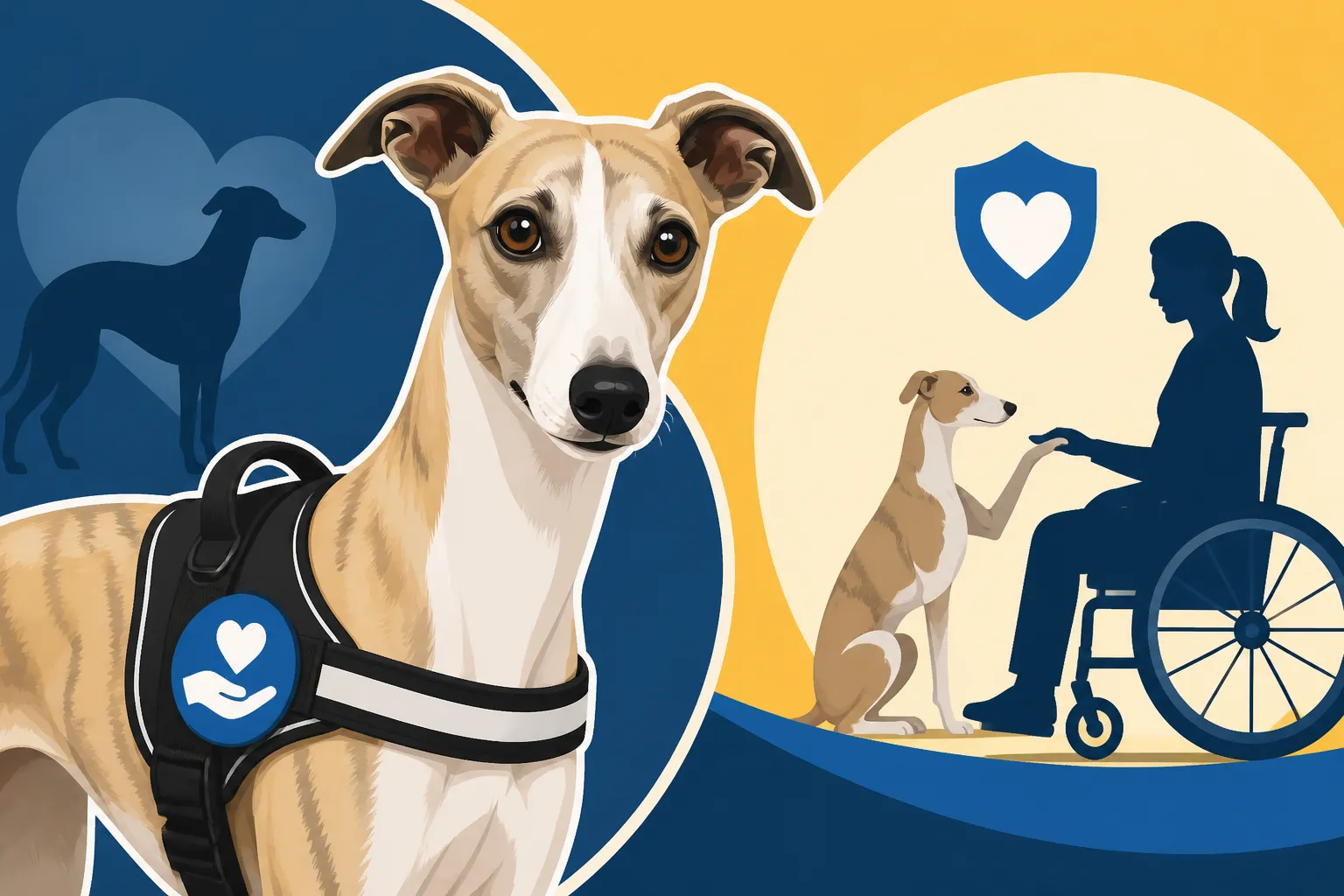
Many people facing daily challenges dream of a canine partner to help navigate the world, and often, the grace and calm nature of a Whippet comes to mind. However, the unique traits of this elegant sighthound can make potential service dog roles a bit more complex than with other breeds. This guide will explore whether a Whippet truly has what it takes to be a service dog, delving into their inherent abilities, potential limitations, and the dedicated training path required.
What Defines a Service Dog and Their Tasks?
Before we even begin to consider a Whippet, it’s crucial to understand what a service dog truly is and the immense responsibilities they carry. A service dog isn't just a well-behaved pet; they are highly trained working animals specifically tasked to perform work or tasks directly related to their handler's disability. This isn't about emotional support, as vital as that is, but about tangible actions that mitigate a disability.
The Legal Framework of Service Animals
In many regions, the law clearly distinguishes between service animals, emotional support animals, and therapy animals. Service animals are granted public access rights, meaning they can accompany their handler almost anywhere the public is allowed. This legal protection comes with a stringent requirement: the dog must be individually trained to perform specific tasks. These tasks aren't just "being there" for comfort; they must be actively working to alleviate challenges caused by the handler's disability. Think guiding someone with visual impairment, alerting to medical events, retrieving dropped items, or providing stability.
Common Service Dog Roles and Their Demands
Service dog roles are incredibly diverse, each placing different demands on a dog's physical and mental capabilities. For instance, a guide dog needs impeccable focus, excellent navigation skills, and the ability to ignore distractions. A mobility assistance dog requires strength, stability, and specific retrieving or opening tasks. Medical alert dogs, like those for diabetes or seizures, need acute scent detection and the ability to alert effectively. Then there are psychiatric service dogs, who might perform tasks like deep pressure therapy, medication retrieval, or interrupting harmful behaviors. Each of these roles demands a particular set of innate talents and extensive, specialized training. Understanding these roles helps us evaluate if a Whippet's natural predispositions align with any of them.
Whippet Temperament and Physical Traits for Service Work
Now, let's put our beloved Whippet under the service dog lens. Whippets are known for their gentle, affectionate, and relatively quiet nature, which makes them wonderful companions. But do these traits translate to the rigorous demands of service work?
Whippet Strengths as a Potential Service Dog
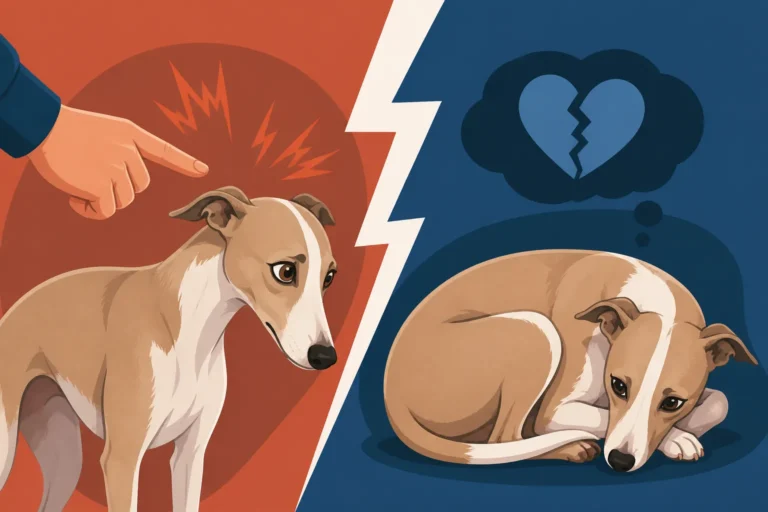
Whippets possess several qualities that could, at first glance, seem promising for service work. They are generally calm indoors, often described as "40 mph couch potatoes." This can be a huge asset, as a service dog needs to remain relaxed and unobtrusive in public settings, whether it's a bustling grocery store or a quiet doctor's office. Their sensitive nature means they are often highly attuned to their handler's moods and subtle cues, which could be beneficial for certain alert tasks or psychiatric support roles. How a Whippet Learns When It Bruises From Pressure explains how their sensitivity makes traditional harsh training methods completely ineffective, reinforcing the need for positive reinforcement, which is standard in modern service dog training.
They are also relatively low-maintenance in terms of grooming and diet, and their small to medium size makes them quite portable, able to fit under airplane seats or in small spaces without much fuss. The Twelve to Fifteen Years a Whippet Lives indicates a good lifespan, meaning a service dog partnership could last for many years, which is a significant investment for a handler. Furthermore, they tend to be quiet, and Whether a Whippet Barks at Anything points out that excessive barking is not usually a Whippet trait, making them less likely to cause disruptions in public.
Whippet Limitations and Challenges
However, a Whippet's inherent sighthound traits also present significant hurdles. Their primary drive is to chase, and Why a Whippet Cannot Be Let Off Leash in an Open Field vividly illustrates how strong this prey drive is. In a service dog context, this translates to a high potential for distraction by moving objects—a squirrel, a blown leaf, or a child running past could easily break their focus, which is unacceptable for a dog whose handler's safety might depend on their unwavering attention.
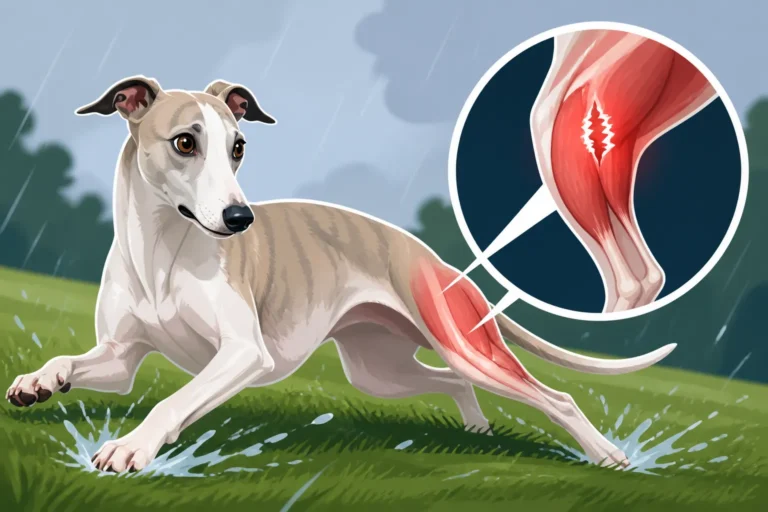
Physically, Whippets are lean and relatively delicate. They lack the robust build and dense muscle mass often required for tasks like brace or mobility assistance. While strong for their size, they are not designed to bear weight or provide significant physical support. Their thin skin, as discussed in The Thin Skin That Sends a Whippet to the Vet for Stitches, also makes them prone to injury, which could put a working dog out of commission.
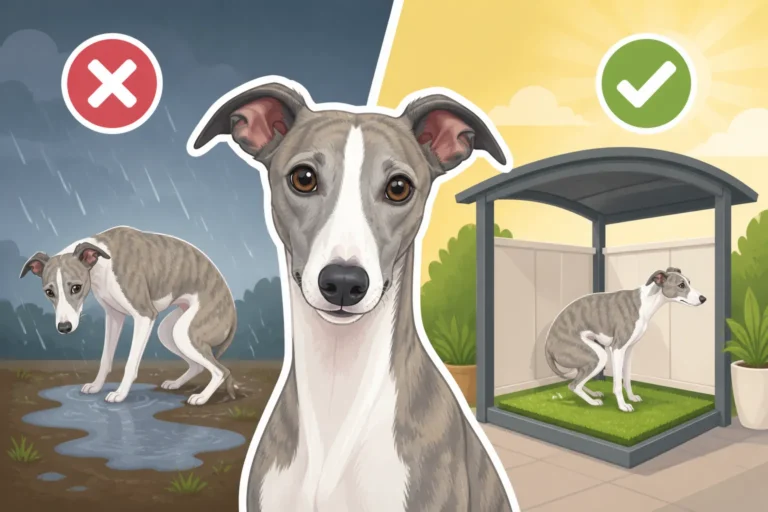
Their notorious aversion to wet and cold weather, elaborated in The Whippet That Will Not Toilet in the Rain, could also pose practical challenges. A service dog needs to perform their duties in all weather conditions, and a dog reluctant to relieve themselves or work in the rain or snow would be problematic. Separation Anxiety in a Whippet also highlights a breed tendency to form strong bonds and potentially struggle with being left alone, though service dogs are rarely left alone, this speaks to their inherent need for close companionship which could manifest as anxiety if not managed properly during training.
Here's a quick look at how Whippet traits stack up against common service dog tasks:
| Service Dog Task | Whippet Suitability | Explanation |
|---|---|---|
| Guide Work (Visual Impairment) | Low | Strong prey drive and lack of natural "guiding" instincts make them unsuitable. Focus can easily be broken by movement. |
| Mobility Assistance (Brace/Lift) | Low | Physically too light and delicate for brace or counterbalance. Thin bones and light build mean risk of injury to dog or insufficient support for handler. |
| Retrieval of Dropped Items | Medium | Can be trained for this, but their mouth might be soft and they may not enjoy repeated retrieving. Good for small, light items. |
| Medical Alert (Scent/Behavioral) | Medium-High | Highly observant and sensitive to handler's cues and changes. Can be trained for scent work, though not their primary drive. Needs high motivation. |
| Psychiatric Support (DPT/Interruption) | Medium-High | Their calm indoor nature and desire for close contact are assets for deep pressure therapy. Can be trained to interrupt behaviors. |
| Alert for Hearing Impairment | Medium | Can be trained to alert to sounds, but may rely more on handler's visual cues than sound. Requires consistent, specific training for each sound. |
| Seizure Response (Post-Seizure) | Medium-High | Their attentiveness and calm demeanor could make them suitable for staying with handler and getting help after a seizure, but not necessarily predicting or preventing. |
Training a Whippet for Service Dog Roles
If you decide to pursue service dog work with a Whippet, be prepared for a journey that will require immense dedication, patience, and a deep understanding of their unique learning style. It's not for the faint of heart, and success is far from guaranteed.
Early Socialization and Foundation Skills
The journey begins the moment you bring your Whippet puppy home. Early, positive socialization is paramount. This means exposing them to a wide variety of sights, sounds, people, and environments in a controlled and positive manner. Puppy classes, positive reinforcement training, and carefully managed outings are crucial. A shy or fearful Whippet will not be able to handle the public access demands of a service dog. Look for resources that prioritize positive reinforcement and clear communication, like those offered by BAXTER & Bella, which provide structured online programs that can help lay a solid foundation for obedience and confidence from a young age. This consistent, fear-free exposure helps build a confident and resilient dog, which is non-negotiable for service work. Socializing a Whippet Puppy offers more insights into this critical phase.
Beyond socialization, basic obedience must be rock-solid. A service dog needs to respond instantly to commands like "sit," "stay," "down," "come," and "leave it," even amidst distractions. For a Whippet, who might be more inclined to follow a fleeting shadow than a verbal command, this requires thousands of repetitions and high-value rewards. What a Whippet Will Work For often involves food or toys, so finding what truly motivates your individual Whippet is key.
Specialized Task Training
Once foundation skills are established, the real work begins: task training. This is where you teach your Whippet specific actions to mitigate your disability. For example, if you need medication retrieved, you'd teach them to pick up a specific bottle. If you need deep pressure therapy, you'd teach them to lay across your lap or chest on cue. These tasks must be repeatable, reliable, and directly helpful.
This stage often requires working with a professional service dog trainer who specializes in positive reinforcement and understands sighthound temperaments. They can help break down complex tasks into manageable steps and troubleshoot challenges. Expect this process to take many months, often over a year, and potentially involve significant financial investment. It's important to remember that not every dog, even with excellent breeding and training, will have the aptitude or desire for service work.
Public Access Training and Testing
Public access is perhaps the most challenging aspect for any service dog in training, and especially for a Whippet. They must be able to ignore other people, dogs, food on the ground, and environmental novelties. Sighthound Manners: A Whippet Meeting Other Dogs highlights their typical reserve with strangers, which can be an advantage as they won't typically solicit attention. However, maintaining focus despite an innate prey drive requires extraordinary self-control.
Service dogs must also be perfectly mannered: no jumping, no sniffing merchandise, no eliminating indoors. They need to lie quietly under tables in restaurants, remain calm in crowded stores, and travel calmly on public transport. Many organizations use standardized public access tests to ensure a dog is ready for these challenges. Preparing for and passing such a test demands impeccable behavior in all situations. This stage of training might involve acquiring specialized gear like a service dog vest or harness, which can be easily sourced from platforms like Amazon, but remember the gear is just a tool; the training is what truly makes the dog.
The Realities of Whippet Service Dog Ownership
Committing to a service dog is a monumental decision, and doing so with a breed like a Whippet comes with its own set of unique realities you must be prepared for.
The Commitment and Ongoing Effort
Owning a service dog is a full-time commitment that extends far beyond the initial training period. A service dog needs daily reinforcement of their skills, ongoing socialization, and regular practice in diverse environments to maintain their proficiency. This means that even after certification, your Whippet's training is never truly "finished." You will constantly be reinforcing good behavior and proofing against new distractions. The Age a Whippet Finally Matures reminds us that while they might physically mature early, their mental maturity and reliability continue to develop, often requiring consistent guidance well into their adult years.
It’s also crucial to consider the physical and mental well-being of your Whippet. Service work can be stressful, and ensuring your dog has adequate downtime, appropriate outlets for their natural Whippet tendencies (like safe, fenced sprints), and a loving home environment is paramount. Their sensitive nature means they are particularly susceptible to stress, and a burnt-out service dog is not an effective one.
Ethical Considerations and Welfare
When considering a Whippet for service work, it's essential to put their welfare first. Is your Whippet truly enjoying the work, or are they constantly stressed by it? Not every dog is cut out for the demands of public access or specialized tasks. Forcing a dog into a role they are not naturally suited for can lead to anxiety, behavioral issues, and a diminished quality of life for the dog.
If your Whippet shows signs of stress, discomfort, or an inability to cope with the demands of service work, it might be more ethical to let them be a beloved pet. There's no shame in admitting a dog isn't suited for service work; it simply means their talents lie elsewhere. Furthermore, given a Whippet's delicate build, any task that puts undue strain on their joints or body should be avoided. Raising a Whippet Puppy Without Wrecking Its Joints underscores the importance of protecting their physical health from an early age, a consideration that carries even more weight for a working dog.
Ultimately, while a Whippet might excel as a companion, becoming a service dog is a very different journey. Their gentle temperament and intelligence are admirable, but their strong prey drive and physical fragility pose significant challenges for many traditional service dog roles. With the right individual dog, a highly dedicated handler, and expert training, a Whippet could potentially fill certain specific, less physically demanding service roles, particularly those focused on medical alert or psychiatric support where their sensitivity and calm demeanor can shine. However, it requires a realistic assessment of their natural limitations and an unwavering commitment to their training and well-being.
Disclaimer
This article is for general informational purposes only and does not constitute professional advice. Laws, prices and regulations vary by location and change over time. Consult a qualified professional for guidance on your specific situation.