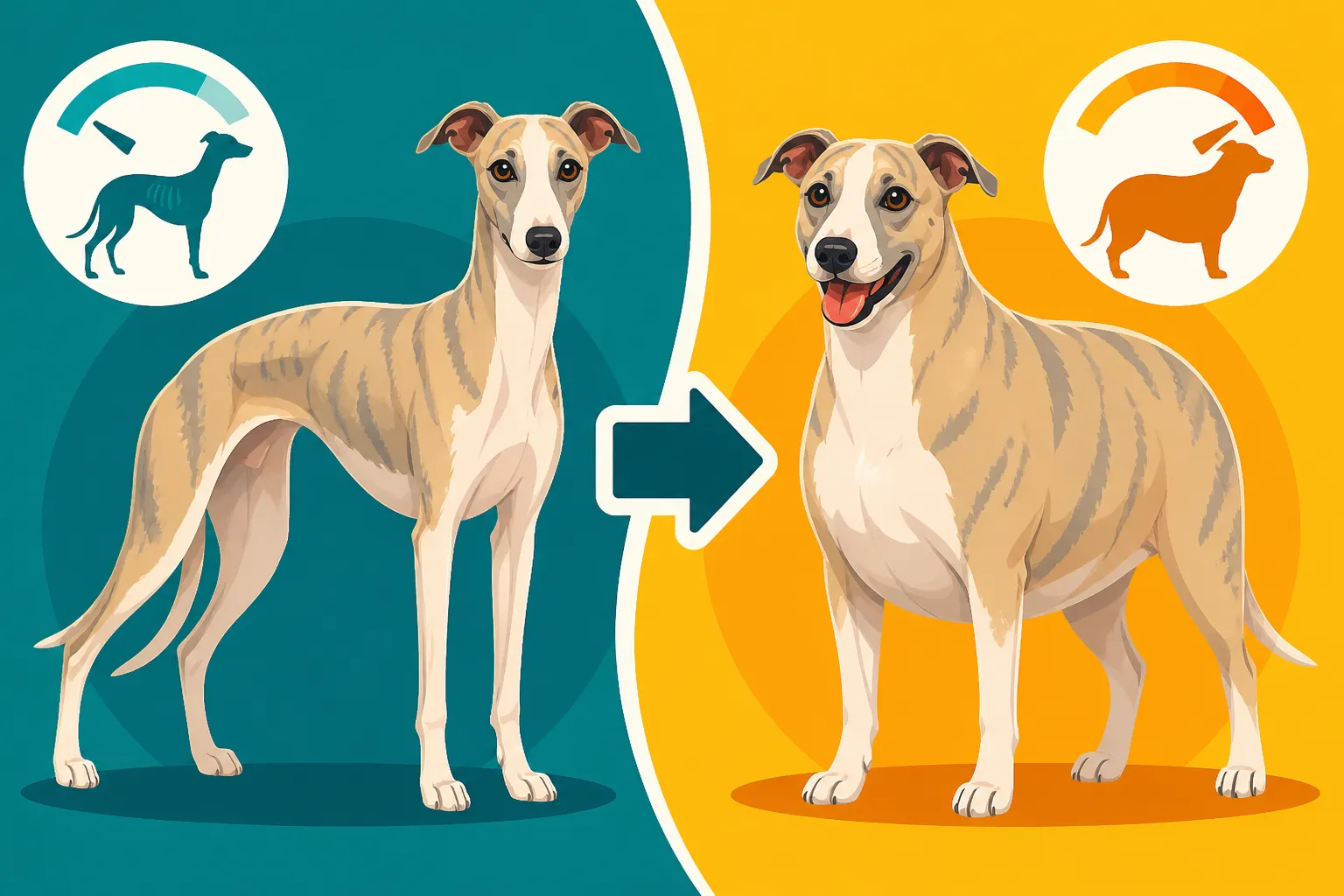
How Easily a Whippet Gains Weight
It's a common misconception that because Whippets are naturally slender, they can eat anything they want and never gain an ounce. Many owners, and even some well-meaning strangers, often comment that a Whippet looks too thin. But the truth is, these graceful sighthounds can actually gain weight much more easily than you might expect, and even a few extra pounds can have a significant impact on their health and agility. This guide will help you understand your Whippet's unique metabolism, how to accurately assess their body condition, and practical strategies to keep them at their lean, athletic best.
The Whippet Paradox: Why They Seem to Gain Weight Easily
Whippets are built for speed and efficiency, not for carrying extra padding. Their sleek, aerodynamic form means every ounce counts, and their metabolism is finely tuned to support bursts of intense activity rather than storing vast energy reserves. This unique physiology means that while they might look "thin" compared to other breeds, they are actually quite susceptible to gaining weight if their diet isn't carefully managed.
Understanding the Whippet Physique: More Muscle, Less Fat
When you look at a Whippet, you see defined muscle, prominent hip bones, and a noticeable tuck-up. This isn't a sign of starvation; it's the hallmark of a healthy, athletic sighthound. Why a Whippet Has So Little Body Fat is a crucial piece of understanding their ideal body type. They simply don't have the layer of insulating fat that many other breeds possess. Their skin is thin, clinging closely to their musculature, which means there's very little room for error when it comes to weight. What might be considered a perfectly normal, healthy weight for a Labrador would be dangerously obese for a Whippet, leading to significant health issues.
Because their natural state is so lean, people often misinterpret their healthy appearance. You might find yourself constantly defending your dog's weight to concerned friends or strangers at the dog park. It’s frustrating when you know you’re feeding your dog appropriately, yet receive comments that imply neglect. The key is to trust your knowledge of the breed's standard and your vet's assessment, rather than external, often uninformed, opinions.
Subtle Shifts: When Lean Becomes Pudgy
For a Whippet, even a small amount of extra weight can be noticeable and detrimental. A mere two or three pounds above their ideal can make their ribs harder to feel, fill out their elegant tuck-up, and make them appear less agile. This isn't just an aesthetic concern. That small amount of extra weight puts additional strain on their joints, makes them less comfortable, and reduces their efficiency in movement.
Imagine wearing a backpack with a few extra bricks while trying to run a sprint. That's essentially what an overweight Whippet experiences. Their slender bone structure and delicate joints are not designed to support excess weight. These subtle shifts can creep up on you, especially if you're used to a more robust breed. It's easy to dismiss a little extra roundness, thinking "they needed to fill out," but for a Whippet, it's often the first sign of a problem. Learning to distinguish between a healthy lean and an unhealthy amount of fat is critical, and often involves getting comfortable with seeing and feeling those prominent bones. Feeling a Whippet's Ribs and Hip Bones is a skill every Whippet owner should master.
Is Your Whippet Actually Overweight? Decoding Body Condition
Assessing a Whippet's weight goes beyond just stepping on a scale. Due to their unique build, a simple number often doesn't tell the whole story. What's far more important is their body condition score (BCS), which involves both visual inspection and hands-on palpation.
The Ribs, Spine, and Hip Bones: What You Should Feel
An ideal Whippet will have ribs that are easily felt with light pressure, but not visibly prominent. You should be able to clearly see a waist tucking in behind their ribs when viewed from above, and an obvious abdominal tuck when viewed from the side. Their hip bones should be easily felt but not sharply protruding. The spinal vertebrae should also be palpable without excessive pressure. How Many Ribs Should Show on a Whippet is a constant question among new owners, and the answer is usually "some, but not all sharply defined."
It's about finding that sweet spot where they are lean, athletic, and well-muscled without being bony or starved. This can feel counterintuitive if you're used to breeds where you aim for a bit more padding. Your veterinarian can be an excellent resource for teaching you how to properly assess your Whippet's body condition. They can show you exactly what to feel for and what to look for, helping you calibrate your eye and hand to the Whippet ideal. Regular checks at home, alongside your vet's input, will become second nature.
The Dangers of "Too Little" vs. "Too Much"
While the instinct is often to worry about a Whippet being too thin, being even slightly overweight carries significant risks for them. What Body Condition Score a Whippet Should Be is typically on the lower end of the scale compared to other breeds, often a 4 or 5 out of 9, where 1 is emaciated and 9 is obese.
An overweight Whippet is more prone to joint issues, especially in their hocks and stifles, which are already under considerable pressure during their powerful sprints. They can develop respiratory problems, become lethargic, and generally have a reduced quality of life. Even common issues like skin tears can be exacerbated in an overweight Whippet, as their skin might stretch differently. Furthermore, extra weight can contribute to conditions like diabetes or heart strain over the long term.
On the other hand, a truly underweight Whippet, often scoring a 1 or 2, also faces health risks such as compromised immune function, muscle wasting, and lack of energy. This is usually due to underlying illness, severe malnutrition, or extreme stress, rather than simply being a typical healthy Whippet. Most healthy Whippets will naturally settle into that ideal lean state with proper feeding and exercise.
Here’s a simplified guide to assessing your Whippet's body condition:
| Body Condition Score (BCS) | Description for a Whippet | Health Implications |
|---|---|---|
| 1-2 (Underweight) | Ribs, spine, pelvic bones, and all bony prominences are clearly visible from a distance. No palpable fat. Severe abdominal tuck and narrow waist. | Malnutrition, muscle loss, weakened immune system, poor energy. Seek vet immediately. |
| 3-4 (Lean Ideal) | Ribs easily palpable with minimal fat cover. Top of vertebrae visible, slight prominence of hip bones. Obvious waist and abdominal tuck. | Often the athletic ideal for Whippets. Strong, agile, and healthy. |
| 5 (Ideal) | Ribs palpable without excess fat. Waist easily noted, abdominal tuck present. Hip bones can be felt without excess fat covering. | Considered ideal. Good muscle tone, energetic. |
| 6-7 (Overweight) | Ribs are difficult to feel under moderate fat cover. Waist is less apparent or absent. Abdominal tuck is diminished. Some fat over lumbar spine. | Increased strain on joints, reduced agility, higher risk of health issues (e.g., heart, respiratory, diabetes). How an Overweight Whippet Slows Down is a real concern. |
| 8-9 (Obese) | Ribs, spine, and pelvic bones are very difficult or impossible to feel. Obvious fat deposits on chest, back, and tail base. No waist or tuck. | Significant health risks, greatly reduced mobility, painful movement, severely shortened lifespan. Urgent vet intervention needed. |
Common Culprits: What Contributes to Whippet Weight Gain
Understanding why your Whippet might be gaining weight is the first step to addressing it. Several factors, often working in combination, can tip the scales.
Diet Dilemmas: Overfeeding and Calorie Creep
The most straightforward reason for weight gain in any dog, including a Whippet, is consuming more calories than they burn. This doesn't necessarily mean you're dishing out huge portions. For a Whippet, whose caloric needs are relatively modest outside of intense activity, even small excesses can add up. Those little bits of table scraps, an extra training treat or two, or a slightly larger scoop of kibble each day can contribute to "calorie creep."
It's easy to fall into the trap of thinking a highly active dog needs vast amounts of food. While a Whippet enjoys bursts of incredible speed, they are also The Whippet Is a Forty Mile an Hour Couch Potato, spending a significant portion of their day sleeping. Their activity level is often concentrated, not sustained over many hours like a working breed. Therefore, their daily calorie intake needs to reflect this balance.
Many commercial dog foods are formulated for a wide range of breeds and activity levels, and their recommended serving sizes might be too generous for a typical pet Whippet. Always check the calorie content per cup or gram, and remember that "light" or "senior" formulas might be necessary even if your Whippet isn't technically "senior" yet but has a slower metabolism. For comparing different brands and their nutritional information, a reputable online retailer like Chewy can be incredibly helpful, allowing you to easily browse ingredients and caloric densities to find the best fit for your Whippet's needs.
Lifestyle Changes: Reduced Activity and Neutering
A Whippet's weight is a delicate balance between calorie intake and energy expenditure. Any significant change to either side of this equation can lead to weight gain.
- Reduced Activity: Life happens. Maybe you've had an injury, the weather has been consistently terrible, or your schedule has simply become too packed for those daily sprints. If your Whippet isn't getting their usual opportunities to run and play, their calorie needs will drop, and if their food intake doesn't adjust accordingly, weight gain is almost inevitable. Even small decreases in activity, such as switching from daily long walks and occasional sprints to only leash walks, can make a difference. How Much Exercise a Whippet Really Needs is less about constant movement and more about intense, short bursts.
- Neutering: This is a huge factor. The hormonal changes that occur after spaying or neutering can significantly slow a dog's metabolism. It's a well-documented phenomenon across many breeds, and Whippets are no exception. Weight Gain in a Neutered Whippet is very common, and it often requires a proactive reduction in food intake and careful monitoring of activity levels to prevent. Owners often find they need to reduce their Whippet's food by 20-30% after the surgery to maintain their ideal weight. It's not about making them feel deprived, but simply adjusting to their new metabolic reality.
Age and Metabolism: The Slowing Down Factor
Just like people, dogs tend to have a slower metabolism as they age. An older Whippet, even one who still enjoys a good sprint, might not burn calories as efficiently as they once did. Their activity levels might also naturally decrease, with more time spent napping and less time zooming around the yard.
As your Whippet crosses into their senior years, typically around eight or nine, it's wise to start thinking about adjusting their diet. Caring for an Old Whippet That Feels the Cold also means they might be less inclined to be active in cooler weather, further impacting their calorie burn. Special senior formulas are available that are often lower in calories but still provide essential nutrients for aging bodies. It's a gradual process, but being mindful of these age-related changes can help you stay ahead of potential weight gain and keep your senior Whippet comfortable and healthy for as long as possible.
Keeping Them Lean: Practical Strategies for Weight Management
Maintaining a Whippet's ideal weight is an ongoing process that requires consistency and attention to detail. It's not about crash diets but about sustainable lifestyle choices.
Precision Feeding: Measuring and Monitoring
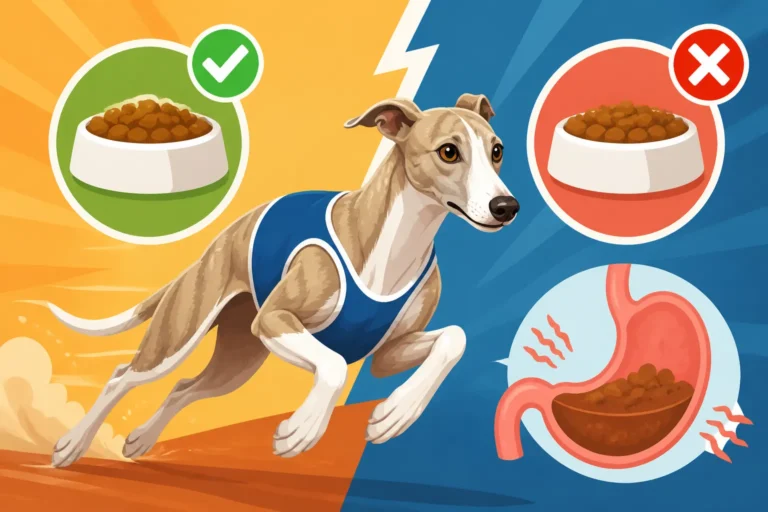
Eyeballing your Whippet's food portions is a recipe for calorie creep. Investing in a kitchen scale to weigh out their food, or at the very least using a standard measuring cup, is essential. Don't rely on the "scoop" that came with the bag of food; these are often inaccurate and inconsistent. Knowing How Many Cups a Day an Adult Whippet Eats precisely is crucial.
Consider feeding two smaller meals a day rather than one large one. This can help manage their hunger and metabolism. If your Whippet is prone to scarfing down food, a slow feeder bowl can also be beneficial, making them work a little harder and feel fuller on the same amount of food. Regularly weigh your Whippet, ideally once a week or every two weeks, and keep a log. This way, you can spot any upward trend early and make small adjustments before it becomes a big problem. Some pet food services, like Ollie, offer pre-portioned fresh meals that can simplify precise calorie control, removing the guesswork from measuring.
Smart Snacking: Healthier Treat Alternatives
Treats are often the biggest hidden source of extra calories. It's hard to resist those pleading Whippet eyes, but many commercial treats are high in calories and fat. Instead, opt for healthier, low-calorie alternatives. Baby carrots, green beans, or small pieces of apple (without seeds) can be excellent, satisfying snacks that add very few calories. If you use training treats, break them into tiny pieces. Your Whippet will often be just as motivated by a pea-sized crumb as they would a whole biscuit.
Avoid giving human food, especially fatty scraps from your plate. While a tiny bit of plain, cooked chicken might be okay occasionally, it's generally best to keep human food separate from your dog's diet. If you’re ever unsure about a treat, remember that pet stores and online retailers like Chewy or Amazon offer a range of low-calorie, vet-approved options specifically designed for dogs on a weight management plan.
Tailored Exercise Regimes
Whippets are sprinters, not distance runners, but they still need regular, appropriate exercise to maintain muscle tone and burn calories. This means daily opportunities for them to stretch their legs and run at full speed in a safe, enclosed area. A securely fenced yard or a dedicated dog park (if safe for sighthounds) is ideal. Remember, Whether an Old Whippet Still Wants to Run is usually yes, but perhaps not as far or as fast.
Beyond their sprints, regular leash walks are important for mental stimulation and general fitness. Aim for a couple of brisk 20-30 minute walks each day, in addition to any off-leash running. Activities like lure coursing or Fast CAT are fantastic ways to channel their natural drive and provide intense exercise, but these are often weekend activities, so daily movement is still essential. Even in bad weather, finding ways to engage them indoors with interactive toys or short play sessions can help keep them active.
Consulting Your Vet: When to Seek Professional Guidance
Your veterinarian is your best partner in managing your Whippet's weight. Regular check-ups are vital, not just for vaccinations but also for a professional assessment of their body condition. If you notice your Whippet gaining weight despite your best efforts, or if they're struggling to lose it, your vet can rule out any underlying medical conditions that might be contributing, such as a low thyroid reading (though The Hypothyroidism a Whippet Does Not Have is more common than actual hypothyroidism in Whippets).
They can help you devise a personalized weight management plan, recommend specific food types, and guide you on appropriate exercise levels. Remember, Whether a Whippet Needs a Vet Who Knows Sighthounds is often yes, as their unique physiology means standard advice doesn't always apply. Don't hesitate to discuss any concerns you have about your Whippet's weight or health. Their expertise is invaluable for keeping your sighthound healthy and happy throughout their life.
Disclaimer
This article is for general informational purposes only and does not constitute professional advice. Laws, prices and regulations vary by location and change over time. Consult a qualified professional for guidance on your specific situation.