Whether an Old Whippet Still Wants to Run
It’s a bittersweet moment for any Whippet owner: watching your beloved companion, once a whirlwind of speed and grace, start to show the unmistakable signs of age. You might be wondering if that spark, that sheer joy they found in a full-tilt sprint, is still there, or if pushing them to run is even a good idea anymore. This guide is all about navigating that delicate balance, exploring how to honor your senior Whippet's enduring spirit while keeping their comfort and health paramount as they enter their golden years.
The Heart of the Matter: Do Senior Whippets Still Want to Run?
It’s easy to look at a slower, perhaps stiffer, senior Whippet and assume their days of joyful running are behind them. But for a breed so inherently built for speed and the thrill of the chase, the desire often outlives the physical capacity. This can be a real emotional tightrope walk for us owners, seeing that gleam in their eye but knowing their body might not agree with their heart's ambition.
The Enduring Spirit of a Sighthound
Whippets are sighthounds to their core, and that means a deep-seated instinct to chase, to stretch out, and to feel the wind in their ears. This isn't just about physical exercise; it's deeply ingrained in their psychological well-being. Even if they're not hitting top speeds or going for long durations, that primal urge to go can remain incredibly strong. Many senior Whippets will still perk up at the sight of a squirrel, a distant bird, or even a toy tossed just a few feet away. It's that momentary burst of pure, unadulterated Whippet joy.
Think of it like us humans enjoying a favorite hobby we've done all our lives. We might not be as fast or as agile as we once were, but the love for it, the mental engagement, and the satisfaction it brings are still very much present. Your senior Whippet’s passion for movement, for that feeling of stretching their limbs, often doesn't simply vanish with age. It evolves. They might not be the bullet of their youth, but they're still a Whippet, and their spirit still yearns for that brief, exhilarating release.
This enduring spirit is one of the most heartwarming, and sometimes heartbreaking, aspects of living with an aging sighthound. You see the glint of their younger self, but you also observe the pauses, the slower starts, and the quicker exhaustion. It’s about acknowledging that internal drive and finding safe, fulfilling ways to let them express it.
Why the Desire May Linger Even When the Body Changes
The disconnect between a Whippet's youthful spirit and their aging body is a common lament among owners. Their minds might still recall the thrill of chasing a lure or zooming across a field, but their joints, muscles, or cardiovascular system might simply not be up to the task anymore. This is where the empathy comes in; they aren't being stubborn or lazy, their body is genuinely limiting them.
For example, a Whippet might still eagerly greet you at the door, wagging their tail furiously, ready for a walk. But a few blocks down, they might start to lag, or show signs of stiffness the next morning. It's not that they didn't want to go, it's that the physical demands took a greater toll than they expected, or perhaps more than you realized at the moment. This can be particularly true if they're dealing with issues like early arthritis, or less obvious conditions that impact their stamina. You might be surprised to learn that even things like a minor dental issue can make them feel generally unwell and less inclined to activity.
It's crucial for us as owners not to project our own desires for their continued athleticism onto them. Instead, we need to carefully observe their physical state and tailor their activities accordingly. Their desire is still important, but their physical reality takes precedence. Understanding this distinction helps us make kinder, more informed choices for their well-being.
Navigating Physical Changes in Your Aging Whippet
As Whippets age, just like us, their bodies undergo a range of changes. These aren't always immediately obvious, especially in such stoic and naturally lean dogs. It takes a keen eye and a deep understanding of your individual dog to spot the subtle shifts that indicate when running might need to be modified or even ceased.
Common Age-Related Conditions Affecting Mobility
One of the most significant factors affecting an old Whippet's desire and ability to run is the onset of age-related health conditions. These can impact their joints, muscles, heart, and even their cognitive function. It's why regular veterinary check-ups become even more critical as your Whippet enters what we typically consider their senior years, often around the age of eight. You might find our article, The Age a Whippet Counts as a Senior, helpful in understanding this transition.
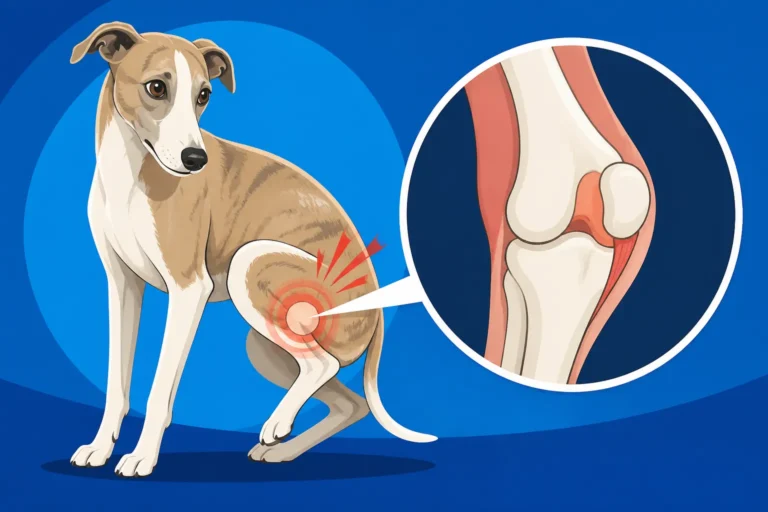
Arthritis is perhaps the most common culprit. The graceful arch of their spine, the powerful push from their hindquarters – these movements become more challenging when joints are stiff and painful. You might notice a reluctance to jump onto the sofa, difficulty rising after a nap, or a more deliberate gait. Furthermore, conditions like degenerative myelopathy, though less common, can also affect hind limb coordination and strength.
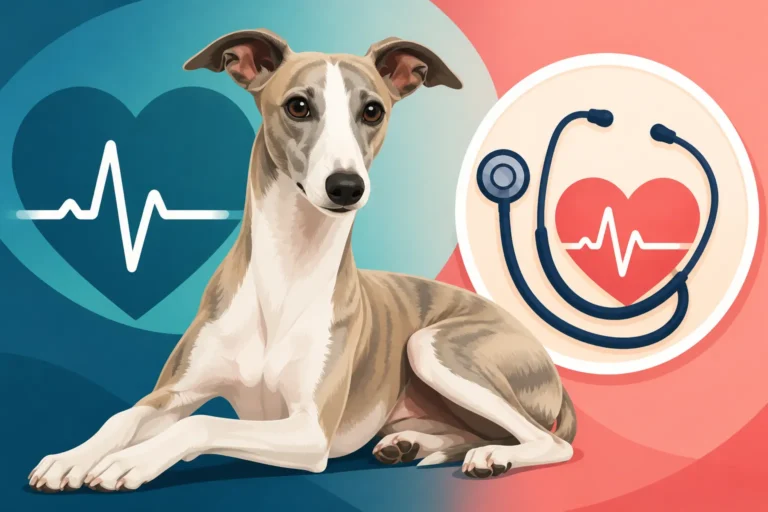
Beyond musculoskeletal issues, heart conditions are another major concern. Mitral Valve Disease Is What Ends Most Old Whippets, and it can significantly impact a dog's stamina and ability to exert themselves. An enlarged heart, while often normal for an athletic Whippet, can also indicate issues if coupled with other symptoms. Our post, The Age a Whippet Develops a Heart Murmur, delves into how these can progress. Always discuss any changes in your Whippet's breathing, coughing, or energy levels with your vet. These issues often progress silently until they are quite advanced.
Reading the Subtle Cues Your Whippet Gives You
Whippets, being the incredibly resilient and often stoic creatures they are, don't always scream when they're in pain or uncomfortable. They might hide it, making it even harder for us to know how they truly feel about running. This means becoming a master observer of their subtle cues.
Look for changes in their eagerness for activity. Do they still bound to the door, or do they rise slowly? Pay attention to their gait – is it fluid, or is there a stiffness, a slight limp, or a hesitation in their stride, especially after resting? Watch how they lie down and get up; a dog struggling might circle a few times, groan, or take their time to settle. After a short run, do they recover quickly, or do they pant excessively and seem unusually tired?
Even changes in their routine, like reluctance to go out in certain weather, or a preference for shorter walks, can be indicators. A change in appetite, or even how they respond to being touched in certain areas, could signal underlying discomfort. Sometimes, a senior Whippet might even seem a bit grumpy or withdrawn if they're experiencing chronic pain. These are all signs that their body is talking to you, and it’s vital to listen closely. Remember, these subtle shifts often tell a bigger story about their comfort and capabilities.
Adapting Exercise and Lifestyle for Senior Whippets
Just because your Whippet is getting older doesn't mean their days of joy and movement are over. It simply means adapting how they experience these things. Our goal isn't to stop them from enjoying life, but to help them do it safely and comfortably, preserving their quality of life for as long as possible.
Safe Ways to Encourage Movement and Joy
The key to exercising a senior Whippet is moderation and adaptation. Think quality over quantity. Instead of long, vigorous sprints, consider shorter, gentler bursts of activity. A soft toss of a favorite toy for a few feet, allowing them to stretch their legs and enjoy the chase without overdoing it, can be incredibly satisfying for them. Many senior Whippets still enjoy a good game of "fetch," even if "fetch" now means a leisurely trot to the toy and a slow amble back.
Lure coursing or Fast CAT, which involve chasing a plastic lure, can be adjusted. Many events offer lower distances or allow for a more relaxed pace for senior dogs. The mental stimulation and the satisfaction of engaging their sighthound instincts are just as important as the physical exertion. You might find that even a brisk walk in a familiar, interesting area, allowing them to sniff and explore, provides immense mental enrichment and gentle physical activity. For more tips on daily care for your aging friend, refer to our guide, What a Whippet Needs Every Day.
Swimming, if your Whippet enjoys it and the water is warm enough, can be an excellent low-impact exercise for aching joints. Always ensure they have a properly fitted life vest, as many Whippets aren't natural swimmers due to their lean build. The buoyancy of the water takes pressure off their joints while still allowing for muscle movement. The goal is to keep them moving, keep their muscles strong, and keep their minds engaged, without pushing them to the point of pain or injury.
Creating a Supportive Environment
Supporting your senior Whippet's physical comfort goes beyond just adjusting their exercise. It means making their home environment as gentle and accommodating as possible. Their thin skin and lack of body fat mean that hard surfaces can quickly lead to pressure sores and general discomfort, so ensuring they have access to soft, supportive bedding everywhere they like to rest is crucial. Consider investing in orthopedic beds, or even memory foam toppers for their existing beds. Our article, Beds That Suit an Arthritic Whippet, offers specific recommendations.
Cold weather can be particularly hard on older Whippets, making their joints stiffer and exacerbating any aches or pains. This means ensuring they have appropriate outerwear, even for short potty breaks, and keeping your home comfortably warm. You might even find them burrowing under blankets more than ever, seeking that extra warmth and security. Our piece, Caring for an Old Whippet That Feels the Cold, has more insights on this.
Additionally, consider non-slip rugs on slick floors to prevent falls, especially for Whippets who might be losing a bit of their agility. Ramps can be a lifesaver for helping them get onto furniture or into cars without having to jump, reducing strain on their joints. These seemingly small adjustments can make a world of difference in their daily comfort and willingness to move around.
| Activity Type | Benefits for Senior Whippets | Considerations |
|---|---|---|
| Gentle Leash Walks | Maintains muscle tone, mental stimulation, joint flexibility | Keep walks shorter, on soft surfaces, avoid extreme weather, listen to your dog |
| Short, Soft Tosses | Satisfies chase instinct, brief bursts of joy | Use soft toys, keep distances minimal, avoid sudden stops/starts, on grass only |
| Swimming | Low-impact full-body exercise, joint support | Requires warm water, always use a life vest, supervise closely, build up duration |
| "Sniffaris" | Mental enrichment, gentle movement, reduces stress | Let them set the pace, explore new scents, focus on sensory experience |
| Massage/Stretching | Improves circulation, flexibility, bond with owner | Learn proper techniques from a vet or qualified canine therapist, be gentle |
When to Call the Vet: Professional Guidance for Senior Whippet Activity
It’s one thing to make small adjustments at home, but there comes a time when professional advice is absolutely essential. Knowing when to involve your veterinarian can make a huge difference in managing your senior Whippet's health and helping them maintain their active spirit for as long as possible.
When to Seek a Veterinary Opinion
If you notice any significant changes in your senior Whippet's willingness to run, their gait, their recovery after activity, or any signs of discomfort, it's time for a vet visit. These changes are rarely "just old age" and often point to an underlying medical condition that can be managed, or at least alleviated. A common scenario is when a Whippet owner observes their dog struggling to keep up on walks they once enjoyed. This could be anything from arthritis to a developing heart murmur that needs attention. Early diagnosis and intervention can dramatically improve their quality of life.
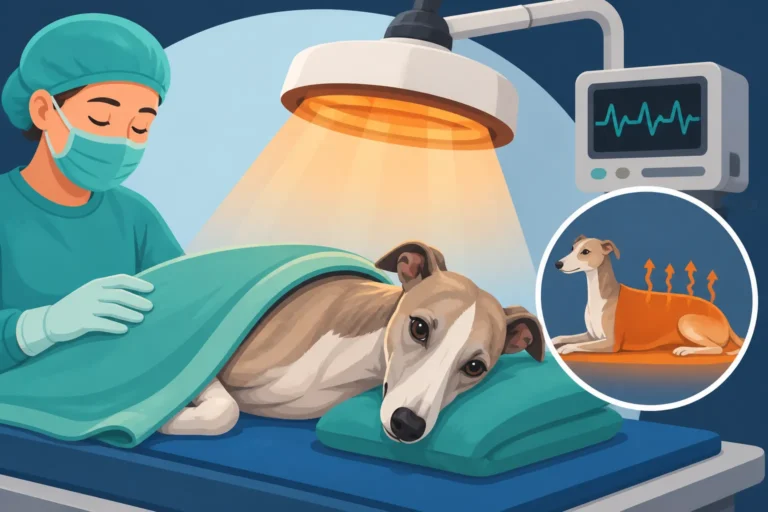
Your vet can conduct a thorough physical examination, looking for signs of joint pain, muscle atrophy (Whether an Old Whippet Loses Muscle), or cardiac issues. They might recommend diagnostic tests such as X-rays, bloodwork, or a cardiac workup to pinpoint the exact cause of your Whippet's changing mobility or stamina. For instance, a blood panel can sometimes reveal issues that wouldn't be apparent otherwise. It's also worth discussing sighthound-specific protocols for anesthesia if any procedures are planned, as these breeds can be particularly sensitive.
Even if the changes seem minor to you, a vet might spot something you've missed. Never hesitate to advocate for your dog. They rely on you to interpret their subtle signals and get them the help they need. This proactive approach is key to ensuring their golden years are as comfortable and joyful as possible.
Proactive Care for a Running Life Well-Lived
Proactive care is the cornerstone of managing an aging Whippet’s health, especially concerning their ability and desire to run. This means not waiting for obvious symptoms to appear before seeking veterinary input. Regular wellness exams, often twice a year for senior dogs, allow your vet to catch potential issues early. During these visits, discuss your Whippet's activity levels, any subtle changes you've observed, and any concerns you might have. Your vet can provide guidance on appropriate exercise, nutrition, and even pain management strategies.
Consider discussing joint supplements, prescription medications for arthritis, or even physical therapy options with your vet. Many of these interventions can significantly improve comfort and mobility, helping your Whippet continue to enjoy some level of activity. Companies like Healthy Paws offer pet insurance plans that can help cover the costs of these unexpected veterinary treatments, making it easier to provide the best possible care without financial strain. It's comforting to know that if your Whippet needs specialized diagnostics or ongoing medication for an age-related condition, you have support.
Ultimately, the goal is to keep your Whippet's quality of life high. While they might not be chasing rabbits at 35 miles an hour anymore, they can still enjoy a happy, active life filled with joy and companionship. By being observant, adaptable, and proactive with veterinary care, you can help your old Whippet continue to feel that cherished thrill of the run, even if it's just a short, happy trot in the grass.
Disclaimer
This article is for general informational purposes only and does not constitute professional advice. Laws, prices and regulations vary by location and change over time. Consult a qualified professional for guidance on your specific situation.