How an Overweight Whippet Slows Down
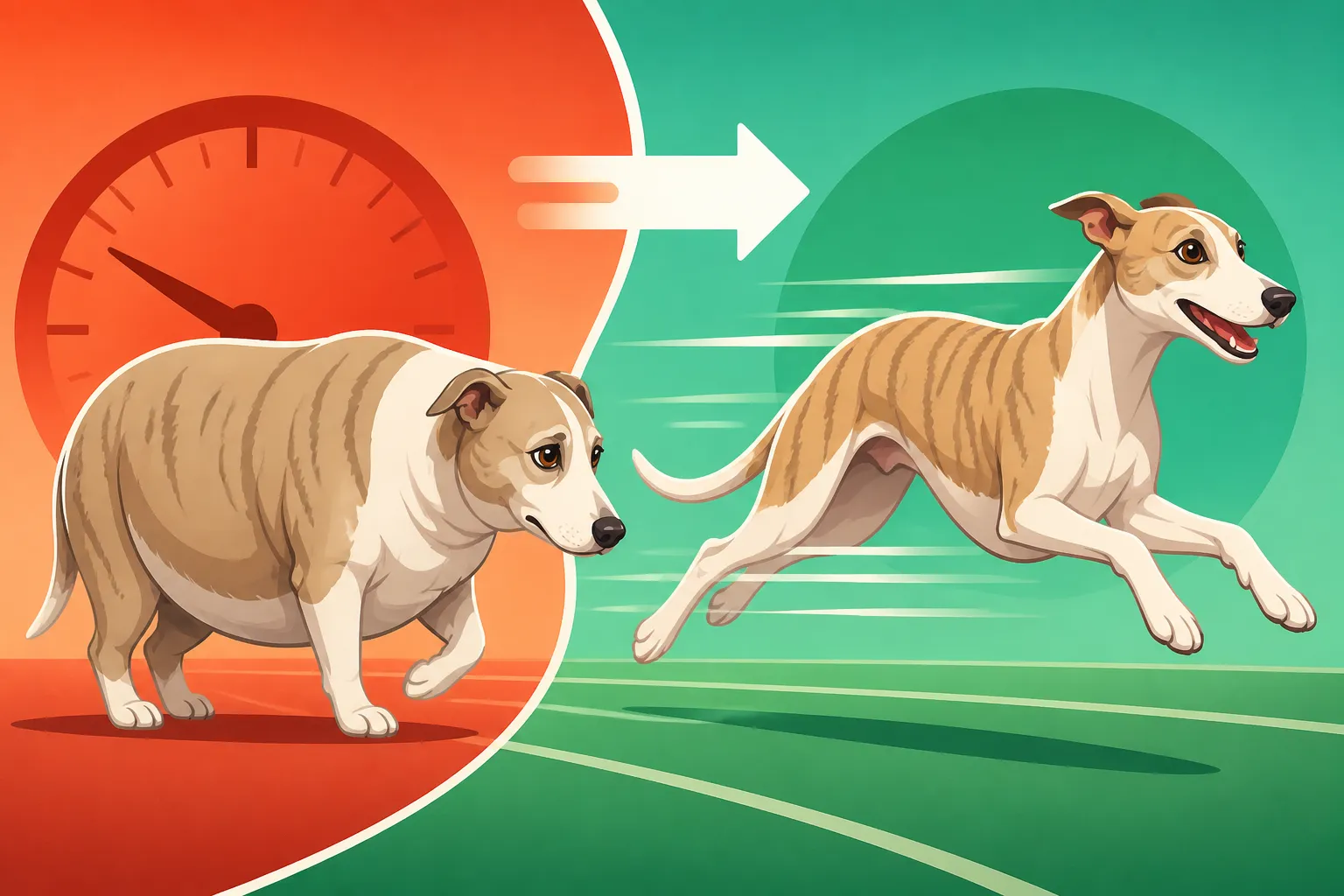
It's incredibly disheartening to watch your normally zippy, graceful Whippet start to slow down. That boundless energy and effortless speed are defining characteristics, and when they begin to fade, it's easy to worry something serious might be wrong. Often, though, the culprit isn't a mysterious illness but simply a few extra pounds that have crept on over time, silently robbing your beloved sighthound of its natural agility and zest for life. This guide will walk you through understanding why weight impacts your Whippet so profoundly and what you can do to help them regain their youthful vigor.
Understanding the Whippet's Unique Body and Ideal Weight
Whippets are not your average dog when it comes to body composition. They are built for speed and agility, with a naturally lean, athletic physique that allows them to accelerate and maneuver with incredible grace. This unique build means that what might look "normal" or even "thin" on another breed is perfectly healthy for a Whippet. Many first-time Whippet owners, and even well-meaning strangers, often express concern about their dog's apparent leanness, mistaking a healthy sighthound for one that is underweight. It's a common frustration, isn't it? People might even comment that you're not feeding your dog enough, but the truth is, a healthy Whippet is meant to be slender.
The Whippet's Naturally Lean Physique
A Whippet's body is a marvel of efficiency. They possess a deep chest, a tucked-up abdomen, and a visible arch over their loin, all contributing to their aerodynamic shape. Crucially, they have very little subcutaneous fat, which is the layer of fat just under the skin. This lack of padding means their ribs, spine, and hip bones are typically easy to feel, and often visible, especially when they move or stretch. If you can't easily feel their ribs without pressing, or if their waistline isn't clearly defined, it's a strong indicator that they might be carrying more weight than is healthy for their breed. We've talked before about Why a Whippet Has So Little Body Fat, and it's essential to remember this isn't a flaw, but a design feature.
Their musculature is dense and powerful, designed for explosive sprints, not for supporting extra bulk. Any additional weight puts an undue strain on this specialized musculature and their delicate frame. Imagine a finely tuned racing car suddenly loaded down with sandbags; it simply won't perform as intended, and its engine will have to work much harder. The same principle applies to your Whippet. Their body is optimized for a certain weight range, and deviating from that can have significant consequences.
How to Assess Your Whippet's Weight
Knowing what a healthy Whippet looks and feels like is the first step in identifying if your dog has packed on too many pounds. We often use a Body Condition Score (BCS) system, which ranges from 1 (emaciated) to 9 (obese). For a Whippet, an ideal score is typically around a 4 or 5. This means their ribs should be easily palpable without heavy pressure, the waist should be clearly visible when viewed from above, and there should be a distinct abdominal tuck when viewed from the side. You should also be able to feel their hip bones without much effort. For more on this, check out Feeling a Whippet's Ribs and Hip Bones and What Body Condition Score a Whippet Should Be.
Veterinarians who are familiar with sighthounds can be a huge asset in this assessment, as they understand that standard "breed average" charts don't apply to Whippets. If your vet suggests your Whippet is too thin, it's worth a gentle conversation about sighthound physiology. However, if they confirm your Whippet is overweight, trust their judgment. It's a tricky balance, but one we, as Whippet owners, constantly navigate.
Here's a quick reference table for assessing your Whippet's body condition:
| Feature | Ideal Whippet (BCS 4-5) | Overweight Whippet (BCS 6+) |
|---|---|---|
| Ribs | Easily felt, sometimes visible, minimal fat cover | Difficult to feel, require firm pressure, significant fat cover |
| Waist (top view) | Clearly defined hourglass shape | Little to no waist definition, broader overall |
| Abdominal Tuck | Distinct tuck-up from chest to hind legs | Flatter or sagging abdomen |
| Hips/Spine | Hip bones and spine easily palpable | Covered by fat, difficult to feel |
| Muscling | Well-defined, firm, athletic appearance | Less defined, softer feel due to fat |
The Detrimental Physical Effects of Extra Weight
When your Whippet carries excess weight, it's not just about looking a little softer around the edges. Their body, designed for lightness and speed, simply isn't equipped to handle the added burden. This can lead to a cascade of physical problems that directly contribute to them slowing down, impacting their overall health and longevity. It's a sad reality that a few extra pounds can have such a profound effect on these agile creatures.
Joint Strain and Arthritis
One of the most immediate and significant impacts of extra weight is the strain it places on your Whippet's joints. Their slender bones and flexible joints are built for high-impact sprints and quick turns, but they are not designed to carry unnecessary bulk day in and day out. Over time, this constant added pressure can accelerate the wear and tear on cartilage, leading to inflammation, pain, and eventually, the early onset or exacerbation of arthritis. It's like putting an extra 20-pound backpack on a long-distance runner – eventually, their knees and hips are going to complain.
You might notice your Whippet becoming reluctant to jump onto the sofa, struggling with stairs, or even limping after a short walk. These are tell-tale signs that their joints are under stress. While arthritis is often associated with older dogs, an overweight Whippet can develop joint issues much earlier in life. Losing that extra weight won't cure existing arthritis, but it can significantly slow its progression and alleviate discomfort, allowing your Whippet to move more freely and comfortably. For more on this topic, consider reading When a Whippet Gets Arthritis.
Cardiovascular and Respiratory System Burden
Beyond the joints, extra weight places a tremendous strain on your Whippet's cardiovascular and respiratory systems. Their large, powerful hearts are naturally efficient, but they have to work significantly harder to pump blood through a larger body mass, including the additional fat tissue. This increased workload can lead to higher blood pressure and, over time, can contribute to heart problems. It's a silent stressor that many owners don't realize is happening until more serious symptoms emerge.
Similarly, excess fat around the chest and abdomen can restrict lung expansion, making it harder for your Whippet to breathe efficiently, especially during exercise or when trying to cool down. You might observe them panting more heavily after minimal activity or showing less stamina during play. This reduced oxygen intake and cardiovascular efficiency directly translate to a slower, less energetic dog. They simply don't have the "engine" capacity they once did, leading to reduced endurance and a noticeable decrease in their signature bursts of speed.
How Overweight Status Impacts a Whippet's Behavior and Enjoyment of Life
Beyond the physical ailments, being overweight profoundly affects your Whippet's mental and emotional well-being. A Whippet's joy often comes from movement, from running and playing with effortless grace. When their body can no longer support this, their entire quality of life can suffer, leading to changes in their behavior that are heartbreaking to witness.
Decreased Desire to Exercise
One of the most noticeable changes in an overweight Whippet is a reduced enthusiasm for exercise. It's not that they've suddenly become lazy; it's often a combination of factors. The physical discomfort from strained joints, the increased effort required for breathing, and a general feeling of sluggishness all contribute to a diminished desire to run, jump, or play. What once brought them immense joy—a thrilling sprint across the yard or a spirited game of chase—now feels like a chore. This is particularly sad for a breed known for its "forty mile an hour couch potato" nature.
This lack of enthusiasm creates a vicious cycle. Less exercise means fewer calories burned, which contributes to further weight gain, making them even less inclined to move. It's a frustrating trap for both dog and owner. You want to encourage them to be active, but they seem to resist, not because they're being stubborn, but because it genuinely hurts or feels too exhausting. You might find yourself wondering Whether an Old Whippet Still Wants to Run, but even a younger overweight Whippet can show these signs.
Lethargy and Discomfort
An overweight Whippet often exhibits general lethargy, sleeping more and showing less interest in their surroundings or interactions. This isn't just about being a bit tired; it's often a symptom of underlying discomfort. They might struggle to find a comfortable position to lie down, constantly shifting or groaning as they settle. Their thin skin, which already needs soft surfaces to prevent pressure sores, becomes even more prone to irritation when they're not moving as much or if fat layers prevent proper weight distribution. This discomfort can lead to a withdrawn demeanor, making them seem less engaged with the family.
The emotional toll of this physical and mental sluggishness is significant. A Whippet who is unable to express its natural athleticism and engage in joyful movement might become bored, frustrated, or even depressed. They are inherently intelligent and sensitive dogs, and being unable to participate fully in activities they once loved can affect their overall happiness and bond with their human companions. It’s important to recognize that these behavioral changes are often a cry for help, indicating they need support to get back to their ideal weight and feel like themselves again.
Practical Steps to Support Your Whippet's Healthy Weight Loss Journey
Watching your Whippet slow down and lose their spark is tough, but the good news is that you have the power to help them turn things around. Getting an overweight Whippet back to a healthy weight is a journey, not a sprint (pun intended!), and it requires patience, consistency, and a thoughtful approach. The goal is to make sustainable changes that improve their health and happiness for the long run.
Calorie Control and Diet Adjustment
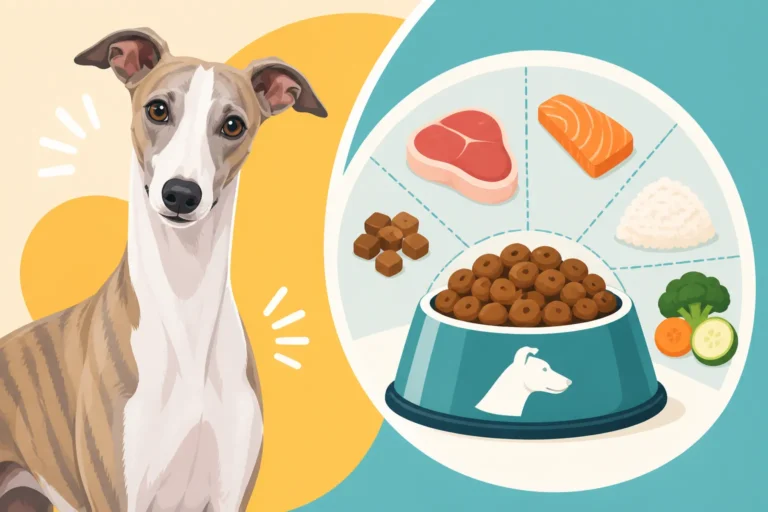
The cornerstone of any weight loss plan is diet. It might seem obvious, but often those extra pounds creep on simply because our Whippets are eating a little too much, or the wrong kind of food, for their activity level. Start by honestly assessing what and how much your Whippet is eating. This includes not just their regular meals but also treats, chews, and any table scraps, which can quickly add up. Sometimes, we don't realize How Easily a Whippet Gains Weight, especially after a spay or neuter, which can lead to Weight Gain in a Neutered Whippet.
Consult your veterinarian to determine an appropriate target weight and calorie intake for your individual Whippet. They can recommend a high-quality, weight-management dog food that is lower in calories but still provides all essential nutrients. Brands like Ollie offer fresh food options that can be precisely portioned and formulated for weight loss, or you can find excellent weight-control kibble on sites like Chewy or Amazon. When making the switch, introduce new food gradually to avoid upsetting their stomach. Stick to measured portions and divide their daily intake into two or three smaller meals to keep them feeling fuller and help manage their metabolism. How Many Meals a Day a Whippet Needs can vary, but consistency is key.
Remember that treats should still be part of their life, but they need to be healthier and given in moderation. Think small pieces of plain cooked chicken, green beans, or carrots instead of high-calorie biscuits. Always factor these into their daily calorie budget. If your Whippet is prone to scarfing food, a slow-feeder bowl can help them feel more satisfied with smaller portions and prevent them from eating too quickly.
Gradual Increase in Activity
Once you've addressed their diet, the next crucial step is to gently increase their physical activity. This isn't about suddenly forcing them into intense sprints; that could cause injury, especially with extra weight on their joints. The key word here is gradual. Start with longer, more frequent walks on a leash. Instead of one quick jaunt around the block, try two or three longer, moderate-paced strolls throughout the day. This consistent, low-impact exercise is far more beneficial than sporadic bursts of high intensity.
As your Whippet's stamina improves and they start to lose a bit of weight, you can slowly introduce more varied activities. Perhaps some gentle trotting in a secure, enclosed area, or supervised play with a soft toy. Consider activities like 'sniffaris' where they get to explore and use their nose, which is mentally stimulating and contributes to calorie burn without high impact. Always monitor them for signs of fatigue or discomfort, and stop before they overdo it. Just like us, they have good days and bad days. Remember, the goal is to build endurance and strength safely. If you're wondering How Much Exercise a Whippet Really Needs, start small and build up.
Consistency is vital. Try to establish a routine for walks and playtime, making it a regular part of your Whippet's day. Even on days with bad weather, find ways to encourage movement indoors, such as playing hide-and-seek with treats or a gentle game of fetch in a hallway. The combination of controlled calorie intake and a steadily increasing activity level will not only help your Whippet shed those extra pounds but also rediscover the joy of movement, bringing back their natural grace and vitality.
Disclaimer
This article is for general informational purposes only and does not constitute professional advice. Laws, prices and regulations vary by location and change over time. Consult a qualified professional for guidance on your specific situation.