Stopping a Whippet Chewing Its Stitches
It's incredibly stressful and disheartening when your beloved Whippet comes home with stitches. You've been through the worry of the injury or surgery, the expense of the vet visit, and now, the moment you turn your back, they're intent on chewing, licking, or scratching at that delicate repair. This guide will walk you through understanding why your Whippet is so determined to mess with their wound, and more importantly, how you can effectively prevent them from undoing all the good work and causing a bigger problem.
Understanding Why Your Whippet Wants to Chew Their Stitches
The instinct to lick or chew a wound is deeply ingrained in dogs, and while it might seem counterproductive to us, it's their natural way of trying to 'clean' or 'soothe' an area. However, with stitches, this natural behavior can quickly become a disaster, especially with a Whippet's notoriously thin skin.
The Itch and Irritation Factor
Imagine having a healing cut yourself. As it scabs over, as the new skin forms, and as the surrounding hair begins to regrow, it can become incredibly itchy. Your Whippet experiences similar sensations, and for them, the most immediate way to alleviate that itch is with their tongue or teeth. Their skin is stretching, pulling, and perhaps feeling tight around the incision line, which can be a constant, low-level irritation they simply can't ignore.
Compounding this is the body's natural inflammatory response, which helps with healing but can also cause swelling and warmth around the wound. This discomfort, combined with the foreign sensation of the stitches themselves, makes the area a prime target for their attention. It's frustrating for us as owners because we know they're just making it worse, but to them, they're simply trying to feel better.
Pain and Discomfort
While sometimes it's just an itch, other times the desire to lick or chew stems from actual pain or discomfort. Whippets, like many sighthounds, can be remarkably stoic. They might not cry out or limp dramatically, but an incision site is a sensitive area. The pain medication prescribed by your vet is crucial for managing this, but there might be breakthrough pain or general achiness that drives them to focus on the wound.
It's also worth remembering that stitches, while necessary, are a foreign object. The body reacts to them. This can manifest as a persistent, low-grade irritation or a feeling of something 'being there' that your Whippet instinctively wants to remove. Their tongue is a powerful tool for investigation, and what starts as gentle licking can quickly escalate to chewing if the sensation persists.
Boredom and Anxiety
Perhaps one of the most underestimated reasons for persistent wound interference is boredom or anxiety. After surgery or an injury requiring stitches, your Whippet's routine is likely turned upside down. They're often confined, denied their usual zoomies, and their exercise is severely restricted. A Whippet is a The Whippet Is a Forty Mile an Hour Couch Potato indoors, but they still need mental stimulation and a healthy outlet for their energy.
This sudden lack of physical and mental stimulation can lead to redirected energy. Chewing on stitches becomes something to do, a way to alleviate the pent-up frustration of confinement. Additionally, stress and anxiety about the situation – the change in routine, the discomfort, the unusual equipment (like a cone) – can manifest as obsessive licking or chewing, a self-soothing behavior that unfortunately jeopardizes their healing. Separation Anxiety in a Whippet can also increase these behaviors if they are left alone and anxious.
Essential Tools and Strategies for Stitch Protection
Protecting your Whippet's stitches is a multi-faceted approach. It's not just about one device; it's about a combination of physical barriers, environmental management, and mental enrichment. The goal is to make it impossible or at least extremely unappealing for them to access the wound, while also keeping them comfortable and content.
The Cone of Shame: Beyond the Basic Plastic
The dreaded "cone of shame" – officially an Elizabethan collar – is often the first line of defense, and for good reason: it creates a physical barrier. The traditional rigid plastic cone, while effective, comes with its own set of challenges. It can be cumbersome, bumping into furniture and doorframes, distorting their hearing, and making eating and drinking awkward. Many Whippets find them incredibly stressful, leading to more anxiety. This can even contribute to them banging around or trying to escape, potentially harming the wound further.
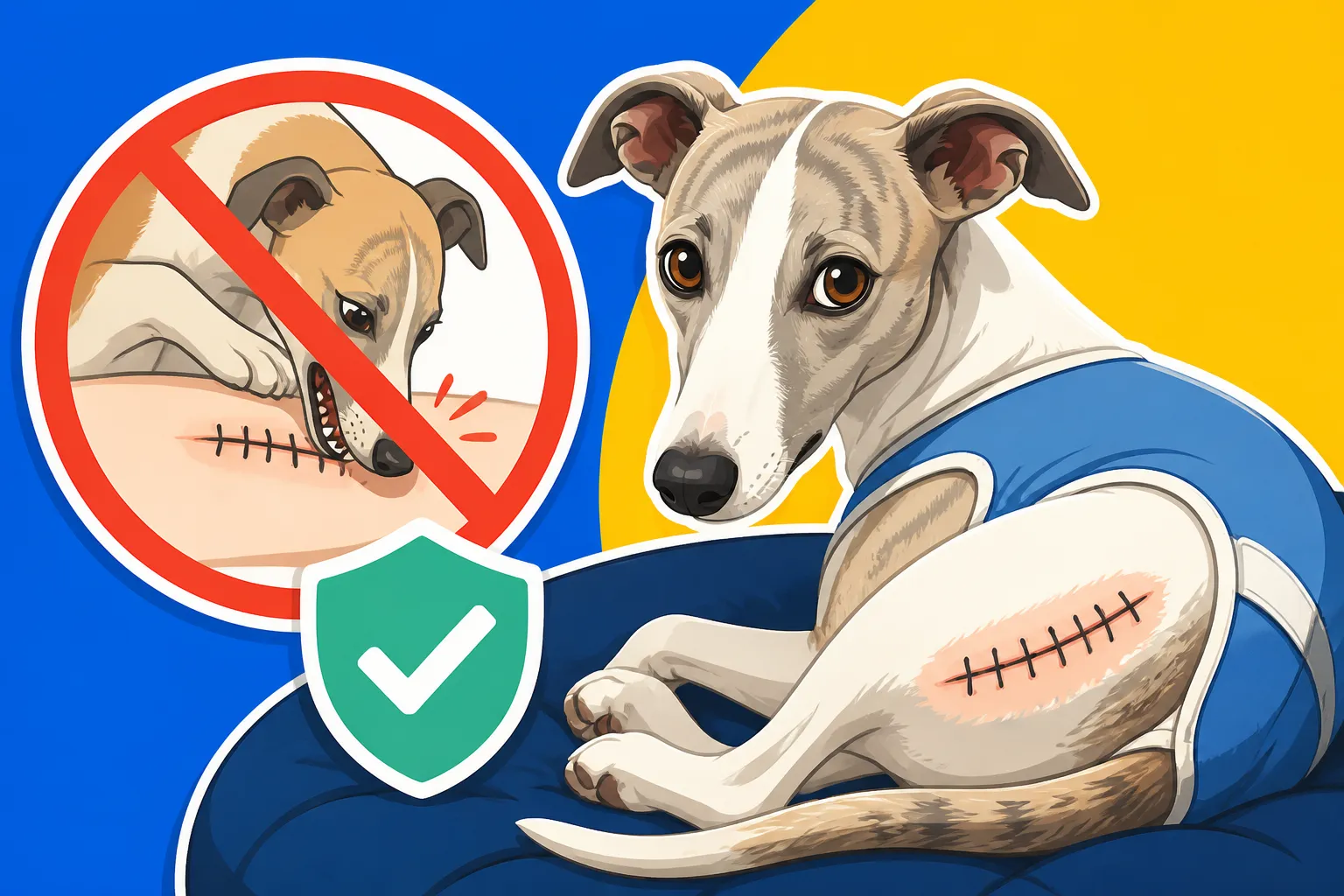
Thankfully, there are fantastic alternatives available today that offer protection without as much psychological impact. Soft cones are more flexible and often made of padded fabric, making them more comfortable for sleeping and less likely to cause damage when bumping into things. Inflatable collars, like a neck pillow, prevent access to the body but allow for better peripheral vision and a more natural experience with food and water. You can find a great selection of these on sites like Chewy or Amazon, allowing you to choose one that truly suits your Whippet's size and temperament. For wounds on the torso, a fabric recovery suit or body suit can be an excellent option, covering the incision completely while allowing your Whippet to move, eat, and sleep almost normally. Many owners report great success with these, as they offer full body protection without the cone's social stigma or physical hindrance. Whether an Inflatable Collar Suits a Whippet can offer more insights into this alternative.
Managing the Environment for Success
No matter how good your chosen collar or suit is, active supervision and environmental control are paramount. Your Whippet should ideally never be left unsupervised, even for a few minutes, while they have stitches. It only takes a second for them to find a way around their protective gear and cause significant damage. Consider creating a safe, confined space for them, such as a large crate or a puppy pen, especially when you can't give them your full attention. This limits their ability to run, jump, or catch the incision on something. Whether a Whippet Puppy Should Be Crated talks about the benefits of crate training, which can be invaluable during recovery.
Eliminate potential hazards in their immediate environment. Cover sharp furniture edges, remove throw rugs that could cause slips, and ensure there are no tempting items they might try to chew on out of boredom. Keep their space calm and quiet, away from high-traffic areas or loud noises that could increase stress. Whippets have The Thin Skin That Sends a Whippet to the Vet for Stitches, so preventing any accidental bumps or scrapes on the healing area is essential. A soft, clean bed should always be available, as lying on hard surfaces can put pressure on surgical sites and contribute to discomfort.
Distraction and Mental Stimulation
While physical activity might be restricted, mental stimulation is incredibly important for a Whippet recovering from surgery. A bored Whippet is an inventive Whippet, and that ingenuity will often be directed at their stitches. Provide a variety of safe, engaging chew toys that they are allowed to have. Ensure they are appropriate for their chewing style and won't splinter or be ingested. Frozen Kongs or Lickimats, filled with dog-safe peanut butter, plain yogurt, or even specialized pastes, can provide long-lasting distraction and a soothing activity.
Puzzle toys, snuffle mats, and other interactive feeders are also excellent for engaging their minds. These force your Whippet to think and problem-solve to get their treats, which burns mental energy without requiring physical exertion. Rotate toys regularly to keep things fresh and interesting. Even short, gentle training sessions (if approved by your vet and not putting strain on the wound) can provide mental enrichment. The goal is to keep their minds busy and happy, redirecting their focus away from the healing incision. Many pet food brands, including Ollie, offer healthy treats that can be used in these enrichment toys.
Medical and Dietary Considerations to Aid Healing
While external protection is crucial, supporting your Whippet's healing from the inside out is just as important. This involves adhering strictly to your vet's medical advice and ensuring they receive proper nutrition.
Pain Management and Anti-Inflammatories
Your veterinarian will likely prescribe pain medication and possibly anti-inflammatory drugs after surgery or injury. It is absolutely vital that you administer these medications exactly as directed, even if your Whippet seems to be doing well. These medications don't just reduce visible pain; they also manage swelling and inflammation, which are major contributors to itching and discomfort at the wound site. By keeping your Whippet comfortable, you significantly reduce their urge to lick or chew.
Never, under any circumstances, give your Whippet human pain relievers or anti-inflammatories without explicit veterinary guidance. Many common human medications are toxic to dogs, even in small doses. If you believe your Whippet is still in pain despite their medication, or if they are developing side effects, contact your vet immediately. They may need a different dosage, a different medication, or perhaps a combination of therapies to ensure optimal comfort and healing. Emergency Stitches: the Whippet Bill Nobody Budgets For reminds us that vet care, including medication, is an essential part of recovery.
Keeping the Wound Clean and Dry
Maintaining the cleanliness and dryness of the incision site is fundamental to preventing complications and reducing irritation. Your vet will give you specific instructions on how to care for the wound, which usually involves gently cleaning it. This might be with a sterile saline solution or a prescribed antiseptic wipe. Always follow these instructions precisely, and avoid using harsh cleansers or home remedies unless specifically told to do so by your vet. Excessive moisture can soften the skin around the stitches, making it more vulnerable to damage and creating a breeding ground for bacteria.
Regularly inspect the wound for any signs of infection, such as increased redness, swelling, warmth, unusual discharge (especially pus), or a foul odor. If you notice any of these symptoms, contact your vet without delay. An infected wound will be much itchier and more painful, increasing the likelihood of your Whippet trying to chew it. Treating a Whippet's Skin Tear outlines some general principles of wound care that apply to stitched wounds as well.
Nutrition for Recovery
A healthy diet plays a significant role in supporting the body's healing processes. Your Whippet needs adequate nutrients to repair tissues, fight off potential infections, and maintain their overall strength during recovery. Ensure they are eating a high-quality, balanced diet. If their appetite is suppressed due to pain or medication, discuss this with your vet; they might recommend tempting foods or appetite stimulants.
Hydration is also critical. Make sure your Whippet always has access to fresh, clean water. Some vets might suggest specific supplements, such as omega-3 fatty acids, which can support skin health and reduce inflammation. However, always consult your vet before adding any supplements to your Whippet's diet, as too much of a good thing can sometimes be detrimental. Proper nutrition is just one piece of the puzzle, but an important one, helping their body focus on healing. Feeding a Whippet That Sprints and Then Sleeps generally covers a Whippet's nutritional needs, and Whether a Whippet Needs Fish Oil delves into specific supplements for skin health.
Long-Term Healing and Preventing Future Incidents
The journey doesn't end when the stitches come out. The skin still needs time to fully regain its strength, and you'll want to take steps to minimize the chances of future injuries that could lead to more stitches.
Monitoring the Healing Process
Even after the stitches are removed by your vet, the wound isn't instantly "healed." The skin where the incision was made is still delicate and needs time to strengthen. Continue to monitor the area closely. You'll likely see a scar forming, which will gradually fade over time. Look out for any lingering redness, swelling, or heat, and report anything unusual to your vet. Occasionally, even after stitches are out, the area might remain itchy as the last layers of skin regenerate or new hair grows through. If your Whippet is still obsessively licking, it might be worth another chat with your vet.
It's also important to follow your vet's advice on how quickly to return to normal activities. Whippets heal, but sometimes How Slowly a Whippet's Skin Heals can surprise you. Don't push them too fast, even if they seem eager to get back to full speed. Early strenuous activity can put stress on the healing tissue, potentially causing it to open or stretch the scar uncomfortably.
Gradual Return to Activity
Whippets are known for their bursts of incredible speed, but after a period of rest, a sudden return to full-throttle running can be detrimental to their healing. Your vet will provide a timeline for gradually increasing activity. This often starts with short, controlled leash walks, progressing to longer walks, and eventually, if cleared, carefully supervised off-leash play in a safe, enclosed area. Resist the urge to let them "open up" too soon. A minor tear or strain can easily recur if the underlying tissues haven't fully regained their strength.
Remember that Whippets are masters of masking discomfort, especially when excited. Even if they seem fine, their internal healing might not be complete. Sticking to the vet's graduated exercise plan is crucial. It’s a similar principle to Raising a Whippet Puppy Without Wrecking Its Joints – a gradual approach protects their body from stress and allows it to adapt and strengthen properly over time. Don't worry, your Whippet will be back to zooming around before you know it, but patience is key.
Learning from the Experience
Every Whippet is an individual, and every injury is a learning experience. Reflect on what worked best for your particular Whippet during their recovery. Did they tolerate the traditional cone better, or was an inflatable collar a lifesaver? Did a specific type of chew toy keep them distracted for hours? Knowing these things will be invaluable if, unfortunately, your Whippet ever needs stitches again. What a Whippet Laceration Repair Costs can be a significant expense, so doing everything you can to ensure proper healing is important.
It's also a good reminder to be proactive about preventing future injuries. Given The Thin Skin That Sends a Whippet to the Vet for Stitches, considering ways to protect them, such as appropriate coats for brushy areas or ensuring safe play environments, can help reduce the risk of future lacerations. Keeping a basic pet first aid kit on hand can also help you deal with minor scrapes before they become bigger problems.
Here's a quick comparison of common stitch protection methods:
| Method | Pros | Cons | Best For |
|---|---|---|---|
| Traditional Plastic Cone | Very effective physical barrier; readily available. | Cumbersome; restricts vision/hearing; uncomfortable; can cause anxiety; loud when bumping things. | Determined chewers; wounds anywhere on the body. |
| Soft Fabric Cone | More comfortable for sleeping; less clunky; quieter. | Can sometimes be bent/pushed aside by persistent dogs; may absorb odors. | Less determined chewers; shorter recovery times. |
| Inflatable Collar | Better vision/hearing; more comfortable for eating/drinking/sleeping. | May not prevent access to paws or very long tails; can still be a barrier for very deep chests/necks. | Wounds on body/head; dogs needing more comfort. |
| Recovery Suit/Onesie | Allows full mobility; comfortable for long-term wear; discreet. | Not suitable for all wound locations (e.g., lower legs, paws, head); can get dirty easily. | Torso wounds; dogs who hate cones. |
| Muzzle (Basket) | Prevents chewing while allowing panting/drinking. | Requires constant supervision; not a 24/7 solution; can be stressful if not conditioned. | Temporary prevention during high-risk times. |
Disclaimer
This article is for general informational purposes only and does not constitute professional advice. Laws, prices and regulations vary by location and change over time. Consult a qualified professional for guidance on your specific situation.