Why a Whippet Sleeps With Its Eyes Open
It can be quite startling to glance over at your peacefully sleeping Whippet, only to find their eyes partially open, sometimes even fully open, staring blankly. For a moment, your heart might do a little flip-flop, wondering if they're truly asleep, if something is wrong, or if they've suddenly mastered a new, slightly unsettling trick. Rest assured, this seemingly odd behavior is actually a common and completely normal part of many Whippets' sleep cycles, and it's rooted deeply in their biology as sighthounds. This guide will help you understand why your Whippet sleeps with its eyes open, what's happening physiologically, and how to ensure they're getting the best quality rest.
The Biology Behind the Open Eye Sleep
The sight of a dog seemingly "staring" while fast asleep is certainly peculiar to us humans. We associate sleep with firmly closed eyelids, but for many dogs, especially sighthounds like Whippets, their unique anatomy and evolutionary history contribute to this phenomenon. It's less about being "awake" and more about the intricate ways their bodies handle different sleep stages.
Nictitating Membrane and Partial Sleep States
One of the key players in your Whippet's open-eyed slumber is something called the nictitating membrane, often referred to as the "third eyelid." Unlike our single pair of eyelids, dogs possess this extra layer of tissue that sweeps across the eye from the inner corner. While it's typically only fully visible when a dog is ill or deeply sedated, it plays a subtle role in lubricating and protecting the eye. When your Whippet is in a lighter sleep phase, their main eyelids might not fully close, but the nictitating membrane can still be partially engaged, offering some protection and keeping the eye from drying out.
Think of it like this: your Whippet isn't necessarily leaving their delicate eye exposed. Instead, a semi-closed eyelid might be a combination of very light sleep, where the muscles aren't fully relaxed, and the third eyelid doing its quiet, protective work. This is perfectly normal and allows them to maintain a degree of environmental awareness without fully rousing. It's a clever biological trick that speaks to their ancestral need to remain somewhat vigilant even when resting.
REM Sleep and Muscle Atonia
Another major factor comes into play during the deeper stages of sleep, particularly Rapid Eye Movement (REM) sleep. During REM, our brains are incredibly active, leading to vivid dreams, and our bodies experience what's known as muscle atonia – a temporary paralysis of voluntary muscles. This prevents us (and our dogs) from acting out our dreams and potentially injuring ourselves. However, this muscle atonia isn't always absolute or perfectly synchronized across all muscle groups.
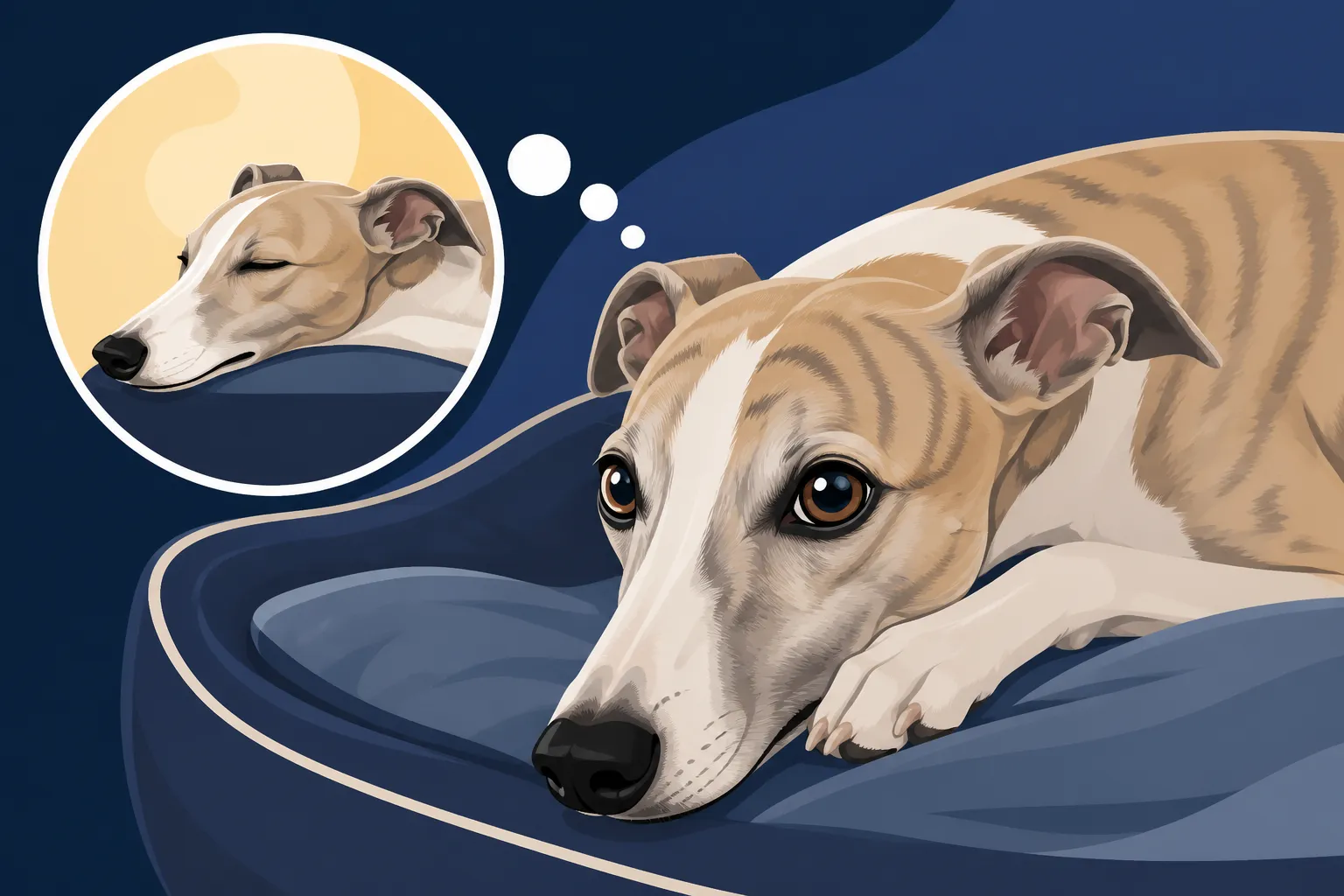
For some Whippets, the muscles controlling their eyelids might not always achieve full closure during REM, especially if they are deeply engrossed in a dream. You might see their eyes twitching rapidly underneath those partially open lids, a clear sign they're deep in dreamland, chasing rabbits or enjoying a delicious phantom meal. This is why you often notice the eye-twitching behavior associated with this open-eyed sleep. It’s a tell-tale sign of dreaming, just like their soft whimpers, leg twitches, or soft barks. It's a fascinating peek into their inner world, and completely harmless.
Evolutionary Traits from Sighthounds
Let's not forget the Whippet's heritage as a sighthound. These dogs were bred for incredible speed and exceptional vision, relying heavily on their eyes to spot prey over vast distances. Their ancestors, even when resting, needed to maintain a heightened sense of their surroundings. Imagine a wild sighthound, needing to be ready to spring into action at the slightest movement or shadow. This vigilance, while less critical for your pampered pet, is still encoded in their DNA.
The ability to rest with eyes partially open could be a subtle evolutionary adaptation, allowing them to appear asleep while still perceiving movement or changes in light. It’s a testament to their innate alert nature. Even though your Whippet is now a beloved companion lounging on your sofa, these ancient instincts can still manifest in their sleep patterns. This doesn't mean they're stressed or anxious; it's simply a genetic echo, a relic of their past that makes them uniquely Whippet. This trait is part of what makes them such fascinating creatures, blending intense athleticism with profound periods of rest.
Understanding Whippet Sleep Patterns
Whippets are masters of relaxation, earning them the affectionate moniker "40 mph couch potatoes." While they certainly love to sprint, they also excel at napping. Understanding their unique sleep patterns can help alleviate any worries about their open-eyed slumber and ensure they're getting the rest they need. You might be surprised by just How Many Hours a Day a Whippet Sleeps.
The Whippet's Sleepy Nature
It’s no secret that Whippets love to sleep. A lot. They can easily clock in 16-18 hours of sleep a day, especially as puppies or seniors. This isn't laziness; it's simply their nature. Their bursts of high-intensity activity require significant recovery time, and their bodies are designed for short, explosive efforts followed by long periods of rest. If your Whippet isn't running full tilt, you can almost guarantee they're curled up somewhere, catching some Z's.
This propensity for deep, undisturbed sleep actually makes the open-eyed phenomenon more common. When a dog is truly relaxed and comfortable in their environment, they're more likely to enter those deeper REM cycles where eyelid control might relax. So, rather than being a sign of poor sleep, it's often an indicator that your Whippet feels safe enough to let go and dream freely. Providing them with cozy, secure resting spots like those found at Chewy or Amazon can further enhance their ability to fully relax.
Different Sleep Stages and Their Manifestations
Just like humans, dogs cycle through different stages of sleep, from light dozing to deep, restorative slumber. The appearance of your Whippet's eyes often correlates with these stages:
- Light Sleep (NREM): During this initial stage, your Whippet might be easily roused. Their breathing is regular, and their muscles are relaxed, but their eyes might still be slightly open, or twitching minimally. This is where you'd most commonly observe the partially open eye, possibly with the nictitating membrane doing its job. They're not fully "out," but definitely resting.
- Deep Sleep (SWS – Slow Wave Sleep): This is a physically restorative stage. Your Whippet's breathing will be slower and deeper, and they'll be less responsive to external stimuli. Their eyes are usually closed, but sometimes a small sliver might remain visible.
- REM Sleep (Rapid Eye Movement): This is the dreaming stage, where the brain is highly active. You'll see those characteristic eye twitches, sometimes beneath closed lids, but often with the lids partially or even fully open. Muscle atonia is strongest here, leading to those adorable leg jerks and soft vocalizations. This is where your Whippet is likely chasing those imaginary squirrels!
Here's a quick overview of how these stages might look:
| Sleep Stage | Eye Appearance | Breathing | Muscle Activity | Responsiveness |
|---|---|---|---|---|
| Light Sleep | Partially open, or fluttering | Regular | Relaxed, minor twitches | Easily roused |
| Deep Sleep | Mostly closed, sometimes slight sliver | Slower, deeper | Very relaxed | Harder to rouse |
| REM Sleep | Open or closed, rapid eye movements | Irregular, shallow | Twitching limbs, vocalizations, muscle atonia | Deepest sleep |
Understanding these distinctions helps you recognize that an open eye isn't a problem, but rather a normal part of their intricate sleep architecture.
When to Be Concerned About Open Eye Sleep
While sleeping with open eyes is generally normal for a Whippet, there are a few situations where it might warrant a closer look from your veterinarian. It's always about context.
- Constant Wide-Open Stare: If your Whippet's eyes are always wide open, unblinking, and dry-looking during sleep, or if they seem unusually stiff or unresponsive, this could indicate an underlying issue. This is distinct from the relaxed, often twitching, partially open eye. Excessive dryness could lead to eye irritation or corneal damage over time.
- Restlessness and Discomfort: If your Whippet appears unable to settle into a deep sleep, is constantly shifting, whimpering excessively, or shows other signs of pain or discomfort alongside the open eyes, it's worth investigating. This could be anything from joint pain to anxiety preventing true relaxation. Consider if they are uncomfortable on their current What a Whippet Bed Should Be Made Of.
- New Onset or Change in Behavior: If your Whippet has always slept with eyes closed and suddenly starts sleeping with them wide open, or if you notice other behavioral changes like increased lethargy, changes in appetite, or unusual vocalizations, a vet visit is a good idea. Any sudden, unexplained change in a dog's behavior or physical state should be checked out.
- Associated Health Issues: If your Whippet has a known neurological condition or a history of seizures, then open-eyed sleep combined with other symptoms could be concerning. Always discuss any new observations with your vet if your dog has pre-existing health challenges.
In most cases, your Whippet's open-eyed sleep is just part of their charm. If you're ever truly worried, a quick chat with your vet can provide peace of mind.
Creating an Optimal Sleep Environment for Your Whippet
Even though open-eyed sleep is natural for many Whippets, ensuring they have the most comfortable and secure sleep environment possible will always contribute to better overall health and well-being. A happy, well-rested Whippet is a joy to live with.
Comfort and Security in Bedding
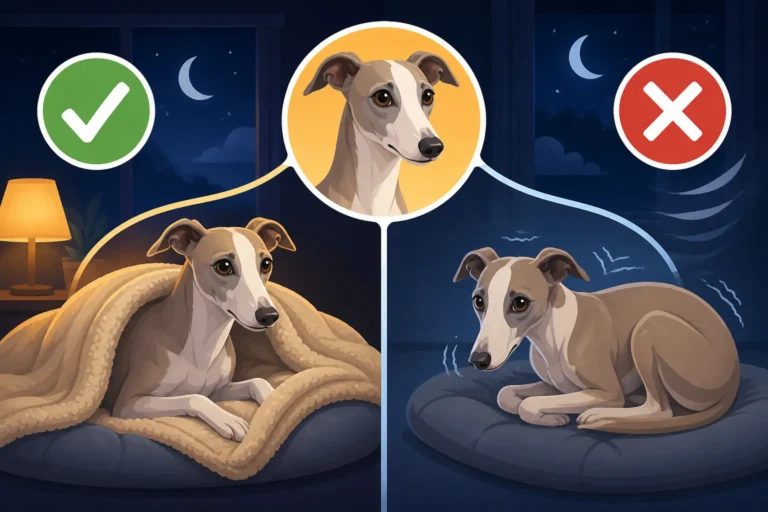
Whippets are lean dogs with very little body fat, making them particularly sensitive to hard surfaces and cold. This is why you'll often find them burrowed under blankets or nestled deep into soft beds. Providing ample, high-quality bedding is paramount for their comfort and can significantly impact their ability to relax into deep sleep. The Beds a Whippet Owner Keeps Buying often highlights this constant search for the perfect snuggle spot.
Invest in orthopedic or memory foam beds to cushion their bony joints and prevent pressure sores, which Whippets are prone to. Don't just get one; scatter several comfortable beds around your home in their favorite napping spots. Think about their crate, living room, and your bedroom. Brands like K&H Pet Products or various options available on Amazon and Chewy offer excellent choices tailored for sighthounds, often with bolsters for them to lean against. Many Whippets also adore soft blankets and throws to burrow under – it gives them a sense of security, much like being in a den. This burrowing instinct is strong, and a soft blanket can make all the difference in achieving truly restful sleep. You might find your Whippet enjoys sleeping Whether a Whippet Should Sleep Under a Blanket.
Minimizing Disturbances
A peaceful sleep environment goes beyond just a soft bed. External disturbances can disrupt your Whippet's sleep cycles, making it harder for them to reach those deep, restorative stages.
- Light: While their partially open eyes might seem to cope with light, a dark room promotes better sleep for most dogs, just as it does for humans. Consider blackout curtains in their primary sleeping area if it's prone to bright morning light or streetlights.
- Noise: A quiet environment is key. If your home is busy, try to create a designated quiet zone where your Whippet can retreat for undisturbed naps. Soft background noise, like a white noise machine or a fan, can help mask sudden household sounds that might otherwise startle them awake.
- Temperature: Whippets get cold easily due to their lack of body fat. A Whippet Has No Insulation and No Padding, so keeping them warm is essential. In cooler months, ensure their sleeping area is draft-free and comfortably warm. Pajamas or a light blanket can also help them retain body heat. Conversely, in summer, ensure they have a cool spot, away from direct sunlight, to prevent overheating. A good temperature balance is crucial for comfort and deep sleep. You might find yourself debating Whether a Whippet Needs a Heated Pad in colder climates.
Routine and Relaxation Techniques
Dogs thrive on routine, and Whippets are no exception. A consistent sleep schedule helps regulate their internal clock and signals to their body when it's time to wind down.
- Consistent Bedtime and Wake-up: Try to maintain regular times for evening winding down and morning wake-up calls. This doesn't mean strict military precision, but a general pattern helps.
- Pre-Sleep Rituals: Just like a child, a Whippet can benefit from a calming pre-sleep routine. This could involve a final potty break, a quiet cuddle on the sofa, a gentle massage, or a soft chew toy. Avoid overly stimulating play right before bed.
- Adequate Exercise: While Whippets are couch potatoes, they still need their daily bursts of activity. Ensure they get their zoomies out and a good walk or playtime during the day. A tired Whippet is a happy Whippet, and a happy Whippet is more likely to sleep soundly. However, make sure this exercise isn't too close to bedtime, as it can be overly stimulating.
- Mental Stimulation: Mental puzzles or training sessions during the day can be just as tiring as physical exercise and contribute to better sleep. Remember, What a Whippet Needs Every Day includes both physical and mental enrichment.
By understanding the unique biology and needs of your Whippet, and by providing them with a truly comfortable and secure environment, you can rest assured that their open-eyed slumber is just another charming quirk of this wonderful breed.
Disclaimer
This article is for general informational purposes only and does not constitute professional advice. Laws, prices and regulations vary by location and change over time. Consult a qualified professional for guidance on your specific situation.