Caring for an Old Whippet That Feels the Cold
It’s a heart-wrenching sight: your beloved Whippet, once a blur of speed and boundless energy, now shivers uncontrollably even indoors, huddling under blankets as soon as the temperature dips. As our elegant companions age, their ability to regulate body temperature changes dramatically, making them far more susceptible to the cold than they once were. This guide is dedicated to helping you understand why your senior Whippet feels the cold so acutely and, more importantly, how you can create a warm, comfortable, and safe environment for them to thrive in their golden years.
Why Older Whippets Feel the Cold More Intensely
The truth is, while Whippets have always been prone to feeling the cold due to their lean build and minimal body fat, the aging process exacerbates this inherent trait. What was once a minor inconvenience becomes a significant challenge, impacting their comfort and overall health. It’s not just a matter of them being a bit chilly; their bodies simply aren’t as efficient at generating and retaining heat as they used to be. Understanding these physiological shifts is the first step in providing the best care.
Loss of Muscle Mass and Body Fat
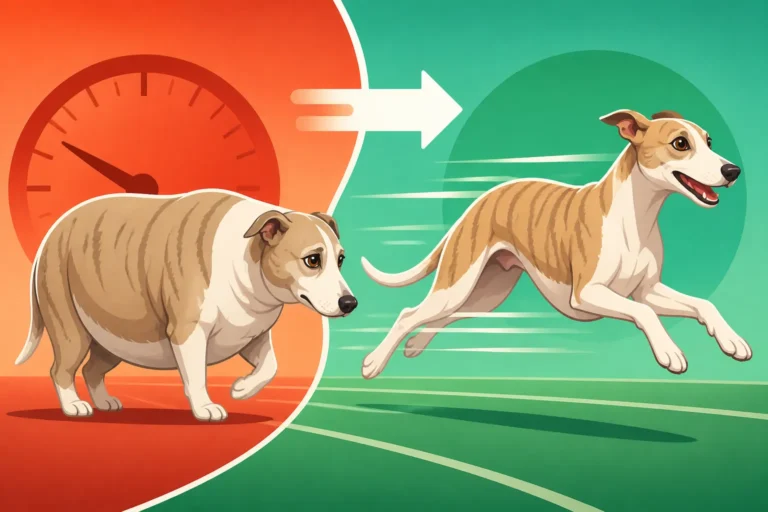
One of the most apparent reasons older Whippets feel the cold more intensely is the natural decline in muscle mass and subcutaneous fat. Young, active Whippets, while lean, still have a good layer of muscle that helps with thermoregulation, and even a minimal amount of body fat provides some insulation. As they age, however, muscle atrophy can set in, and many senior Whippets lose the tiny bit of extra padding they once had. This leaves their delicate bones and organs much closer to the surface, offering little to no natural buffer against chilly air. Imagine trying to stay warm when you feel like you're wearing nothing more than a thin sheet of skin over your skeleton; that's often how a senior Whippet's body struggles. This loss of insulation means that any cold draft or drop in room temperature directly affects their core body temperature, making them vulnerable to rapid chilling.
When you feel your older Whippet's ribs or spine, they might feel even more pronounced than they did in their younger years. While a healthy Whippet should always be lean, a senior Whippet might cross into being genuinely too thin, not from lack of food, but from this age-related muscle and fat loss. This reduced natural insulation means they rely entirely on external sources of warmth. Without adequate blankets, sweaters, or a heated bed, they simply cannot generate enough internal heat to counteract the cold around them. It’s a stark reminder that their physical form, which once made them such agile sprinters, now makes them incredibly vulnerable in cooler conditions.
Slower Metabolism and Circulation
Another critical factor contributing to an older Whippet's increased cold sensitivity is a slowdown in their metabolic rate and circulatory efficiency. A younger, more active dog has a faster metabolism that generates more body heat as a byproduct of energy production. As metabolism naturally slows with age, so does this internal heat production. Their bodies simply aren't burning as many calories or working as hard, even at rest, which means less warmth is created from within. This reduced metabolic furnace leaves them relying even more heavily on external warmth.
Compounding this is often a decrease in the efficiency of their circulatory system. Blood flow, particularly to the extremities like paws, ears, and tail, might not be as robust as it once was. This means that these areas, which are already vulnerable to cold, receive less warm blood, making them colder more quickly. You might notice your old Whippet's ears or paws feeling cooler to the touch, even if the rest of their body is somewhat warm. This decreased circulation can make it harder for them to warm up once they've gotten chilled and also puts them at a slightly higher risk for issues like frostbite in extreme conditions. It's a double whammy: less heat generated internally, and less efficient distribution of the heat they do have.
Underlying Health Conditions
Unfortunately, aging often brings with it a host of potential health issues, and some of these can directly impact a senior Whippet's ability to cope with cold temperatures. Conditions like hypothyroidism, for example, can cause a dog to feel cold all the time, regardless of the ambient temperature, because their thyroid gland isn't producing enough hormones to regulate their metabolism and body temperature effectively. The Hypothyroidism a Whippet Does Not Have is a good read on specific Whippet considerations, but if your older dog shows other signs like lethargy or weight gain along with cold intolerance, it's certainly worth discussing with your vet.
Arthritis and other joint issues, which are common in older dogs, can also make a Whippet more reluctant to move, and less movement means less natural body heat generation. A dog stiff with arthritis might spend more time lying down, thus getting colder. Heart conditions, such as Mitral Valve Disease, common in older Whippets, can also affect circulation, making them feel colder. If your senior Whippet's cold sensitivity seems sudden or extreme, it's always best to rule out any underlying medical conditions with a veterinary check-up. The goal is not just comfort, but ensuring their overall health is being managed effectively, especially as they get Caring for a Whippet Past Ten.
Recognizing the Signs Your Senior Whippet Is Cold
Sometimes, it’s not immediately obvious that your refined canine companion is feeling the chill. Whippets are often stoic, and an older one might not loudly complain. However, they will display a range of behavioral and physical cues that, once you learn to recognize them, clearly signal their discomfort. Paying close attention to these subtle (and sometimes not-so-subtle) signs is crucial for their well-being, allowing you to intervene and provide warmth before they become truly uncomfortable or even hypothermic.
Behavioral Cues
The most common and perhaps easiest behavioral sign to spot is shivering or trembling. This isn't always a sign of fear or anxiety in an older Whippet; often, it’s a clear indication that their body is attempting to generate heat through muscle contractions. You might notice them hunching their back, tucking their tail tightly between their legs, and drawing their paws up close to their body, all in an effort to minimize exposed surface area and conserve warmth. This "crouching" posture is a classic sign of a cold dog trying to make themselves smaller and more compact.
Another common behavioral change is an increased desire to seek out warm spots. Your senior Whippet might gravitate towards sunbeams, cuddle up excessively close to you or other pets, or burrow deeply under blankets, towels, or even clothing piles. If your dog, who usually enjoys lounging openly, suddenly insists on being completely covered or curled tightly in the warmest corner of the room, they're likely telling you they're cold. They might also become restless, pacing or constantly shifting positions, unable to find a comfortable warm spot, or, conversely, become unusually still and reluctant to move from a warm area once they've found one. They might even try to nudge your hand with their nose or paw, as if asking for more covers or a closer cuddle.
Physical Indicators
Beyond the visible shivering, there are several physical indicators that suggest your senior Whippet is feeling cold. Their ears might feel noticeably cool or even cold to the touch, as might their paws. While a dog's nose can be dry or wet regardless of temperature, a cold nose, combined with other signs, can also be an indicator. Gently check the temperature of their inner ear or gums – these areas should feel warm. If they feel cool or cold, it’s a red flag. Their skin might appear paler than usual, particularly in areas with less fur, as their body redirects blood flow to vital organs to conserve heat.
Their posture and general demeanor can also give clues. A cold Whippet might look hunched, tense, and less relaxed. Their breathing might become a bit shallower or more rapid as their body works harder to maintain warmth. If you notice them trying to curl into a tight ball, rather than their usual sprawling comfort, it’s a signal. Moreover, their movement might become stiff or hesitant, especially if the cold exacerbates any underlying arthritis or joint pain. Whether an Old Whippet Feels the Cold More isn't just a subjective feeling; it has objective physical manifestations that astute owners can pick up on.
Changes in Activity Levels
When a senior Whippet is cold, their energy levels and willingness to engage often drop significantly. They might seem more lethargic, sleeping more than usual, or simply appearing less interested in their regular activities like short walks or indoor playtime. A dog trying to conserve body heat will instinctively reduce movement, as activity expends energy that could otherwise be used to stay warm. So, if your typically enthusiastic (even if slower) senior Whippet suddenly turns down a walk they usually enjoy, or shows less interest in their favorite toy, consider if the cold might be a factor.
They might also be reluctant to go outside for potty breaks, especially if it’s particularly chilly, rainy, or snowy. You might notice them holding it longer, or rushing through their business and immediately wanting back inside. This isn't defiance; it's a genuine discomfort with the outdoor elements. Similarly, their once-eager greetings might be muted, and their general engagement with the household might lessen. It's a form of self-preservation, and recognizing this change in their usual routine is an important way to understand their needs. If you see The Signs a Whippet Is Getting Old, coupled with an aversion to cold, it's time to take action.
Creating a Warm and Cozy Indoor Environment
Your home is your senior Whippet's sanctuary, and making it a haven from the cold is paramount. Given their minimal body fat and thin skin, every detail from their bedding to your thermostat settings plays a critical role in their comfort. We’re not just talking about throwing down an extra blanket; we're talking about thoughtful, strategic interventions that ensure they stay toasty and secure, day and night.
The Ultimate Warm Bedding Setup
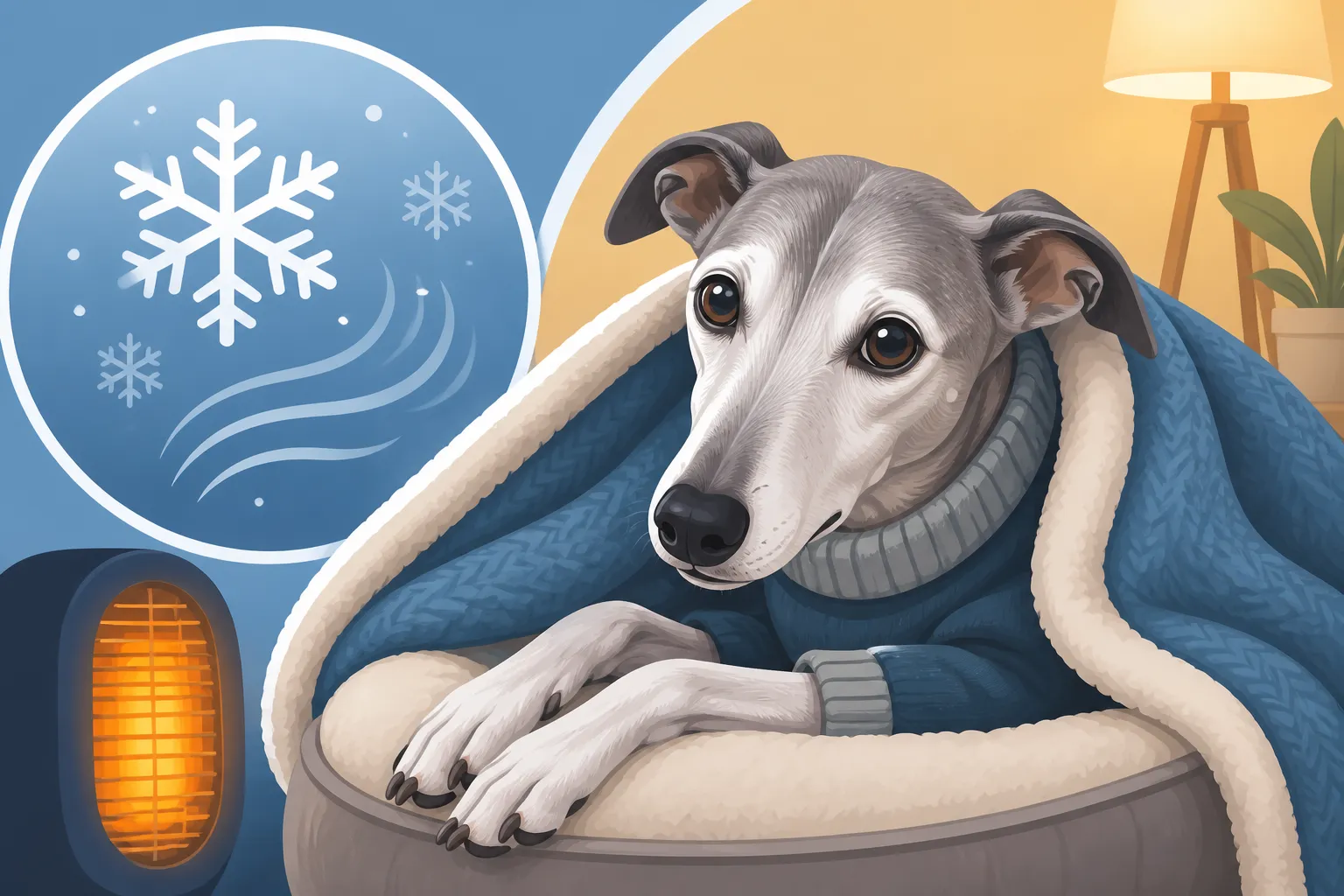
For a senior Whippet, a simple dog bed just won't cut it, especially one that merely has a thin layer of foam. They need plush, insulating, and often multi-layered bedding in every room they frequent. Think memory foam beds that conform to their bony joints, offering pressure relief and warmth. Consider beds with high bolsters that they can lean against, which also helps to block drafts. A good quality, thick orthopedic bed will make a huge difference, particularly for older dogs prone to arthritis. Brands like Chewy offer a wide selection of orthopedic beds that are soft yet supportive, providing essential cushioning for those prominent hip and elbow bones.
Beyond the base bed, layering is key. Think soft fleece blankets or even specialized warming blankets. Many senior Whippets adore beds that allow them to burrow, so providing soft, loose blankets they can nest into is perfect. Fluffy throws, old duvet covers, or even dedicated dog blankets (available on sites like Amazon) create that essential burrowing instinct. Some owners even use heating pads designed for pets, placed under layers of blankets, to provide gentle, consistent warmth. Just be sure these are low-wattage, chew-proof, and have an automatic shut-off feature for safety. Beds That Suit an Arthritic Whippet will delve deeper into specific bed types, but for cold seniors, the rule of thumb is "more is more" when it comes to softness and insulation.
| Bedding Type | Pros | Cons | Best For |
|---|---|---|---|
| Orthopedic Memory Foam | Excellent joint support, good insulation | Can be expensive, heavier to move | Arthritic, very lean, or very old Whippets |
| Bolster Bed | Creates a cozy, secure feeling, blocks drafts | Less versatile, bolsters can wear down | Dogs who like to curl up, seek security |
| Self-Warming Mat | Reflects body heat, no electricity needed | Not super plush, only provides passive heat | Mildly chilly dogs, layering under other beds |
| Heated Bed (Pet-Safe) | Provides consistent, active warmth | Requires electricity, supervision advised | Very cold-sensitive, post-surgery, elderly |
| Fleece/Flannel Blankets | Easy to layer, soft, good for burrowing | No structural support on their own | Layering, burrowing, extra comfort |
Strategic Heating and Draft Control
Maintaining a consistent, comfortable ambient temperature in your home is vital. While you don't want to turn your home into a sauna, ensuring common living areas are warm enough, especially during colder months, is essential. Think about setting your thermostat a few degrees higher than you might typically, particularly overnight or when you're out. Drafts are a silent killer of comfort for Whippets. Their thin coats offer no protection, and a cold draft from a window or door can quickly chill them to the bone. Use draft stoppers under doors, seal leaky windows, and arrange their beds away from direct airflow.
Consider specific heat sources for areas where your Whippet spends a lot of time. Small, portable space heaters can be effective, but they must be pet-safe, never left unattended, and placed where your Whippet cannot knock them over or get too close. Under no circumstances should a Whippet be left alone with an unsupervised space heater. Instead, radiant heat panels or oil-filled radiators can offer gentler, more consistent warmth. Even something as simple as closing internal doors can help contain warmth to certain rooms. Remember, your Whippet likely sleeps near you, so if your bedroom tends to get chilly at night, their sleeping arrangements there need extra attention. Whether a Whippet Needs a Heated Bed in Winter is a question many owners ponder, and for older dogs, the answer is often a resounding yes.
Safe Indoor Spaces for Napping and Resting
A senior Whippet needs designated warm, quiet, and safe spaces where they can retreat and rest undisturbed. These spots should be free from drafts and high traffic, allowing them to relax completely and conserve energy. Ideally, you should have several such spots throughout the house – one in the living room, one in the bedroom, perhaps one in a quiet den – so they always have access to comfort no matter where you are. These aren't just sleeping spots; they're vital for their mental and physical well-being.
Make sure these areas are easily accessible. If your Whippet struggles with stairs or jumping, ensure their primary warm beds are on the main floor. Ramps or steps can help them access favorite couches or human beds where they might prefer to cuddle for warmth. Keep water bowls close by so they don't have to venture into cold areas to hydrate. The key is creating an environment where seeking warmth is effortless, not an additional physical challenge. It reinforces their sense of security and reduces any stress associated with feeling cold and vulnerable.
Dressing for Success: Outdoor Gear for Cold Weather
Taking your Whippet outside in cold weather without proper attire is akin to sending a human out in a blizzard in a t-shirt – it’s just not safe or kind. For senior Whippets, this is even more critical. Their reduced ability to regulate temperature means they chill rapidly. Investing in appropriate outdoor gear isn’t a luxury; it’s a necessity to ensure they can still enjoy their daily walks and potty breaks without risking hypothermia or discomfort.
Choosing the Right Winter Coats and Sweaters
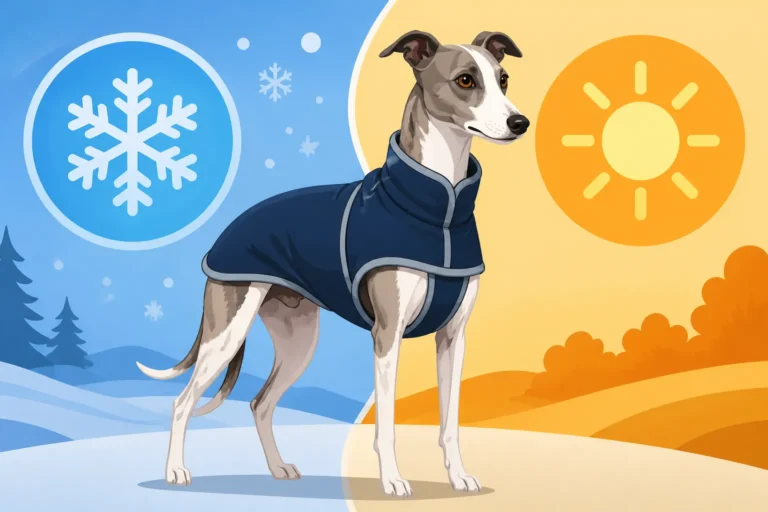
When it comes to outerwear for a senior Whippet, layering is often the most effective strategy. Start with a soft, fitted sweater as a base layer. Wool or fleece are excellent choices for their insulating properties. Over this, a substantial, waterproof or water-resistant coat is essential. Look for coats specifically designed for sighthounds, as their deep chests and narrow waists require a unique fit that standard dog coats often don't provide. A well-fitting coat will cover their entire back, from neck to tail, and ideally have a belly panel to protect their delicate underside from cold winds and snow.
Consider coats with reflective strips for visibility, especially for evening walks, as older dogs may have diminished sight. Look for easy-to-fasten closures, as fumbling with complicated buckles can be frustrating for both you and a stiff senior dog. Having a few options, like a lighter fleece for brisk autumn days and a heavy, insulated, waterproof coat for true winter, is ideal. Many online retailers, including Chewy and Amazon, offer a wide range of specialized sighthound coats. Don't be afraid to measure your Whippet carefully to ensure a snug, but not restrictive, fit. What a Winter Coat for a Whippet Costs might seem like an investment, but it's vital for their health.
Protecting Paws from Cold and Ice
A Whippet's paws, with their thin pads, are highly susceptible to cold, ice, and chemical irritants like road salt. Boots are often essential, especially in snowy or icy conditions. Look for boots that are durable, waterproof, and have good traction to prevent slips and falls on slick surfaces. It can take some time for a Whippet to get used to wearing boots, so introduce them gradually and positively, perhaps starting with short indoor sessions. Ensure they fit well – too loose, and they'll fall off; too tight, and they'll be uncomfortable.
If boots aren't an option, or for mild conditions, consider applying a paw balm or wax (like Musher's Secret) to create a protective barrier against the elements. This helps prevent dryness, cracking, and irritation from snow or salt. Always remember to wipe down your Whippet's paws thoroughly after every outing to remove any salt, chemicals, or ice melt, which can be irritating or even toxic if ingested. Pay close attention to the pads and between the toes, as irritants can hide there.
Head and Ear Protection
While not every senior Whippet will tolerate it, some might benefit from head and ear protection in extremely cold or windy conditions. Whippets have naturally thin ears, which are vulnerable to cold and even frostbite. A snood – a tubular garment that covers the ears and neck – can provide significant warmth and comfort. These are often made from fleece or soft knit materials.
If your Whippet is particularly sensitive to cold wind or feels the cold intensely, a snood can prevent their ears from becoming painfully cold. Introduce it gently and associate it with positive experiences, like treats or praise. Not all dogs will need or accept a snood, but for those who do, it can make a noticeable difference in their outdoor comfort. Observing your Whippet's behavior in different weather conditions will help you determine if this extra layer of protection is something they would benefit from.
Dietary Considerations for Maintaining Warmth and Health
As our Whippets age, their nutritional needs shift. For a senior Whippet who struggles with the cold, their diet becomes an even more critical component of their overall care strategy. Proper nutrition can help support a healthy metabolism, maintain what little muscle mass they have, and provide the energy needed to stay warm. It’s about more than just food; it’s about providing targeted nourishment for their aging bodies.
Adjusting Caloric Intake
It might seem counterintuitive to suggest adjusting caloric intake for an older dog who is less active, but for a senior Whippet feeling the cold, it’s a delicate balance. While many older dogs need fewer calories to prevent weight gain due to decreased activity, a cold-sensitive Whippet might actually benefit from a slight increase in easily digestible, high-quality calories to help fuel their internal furnace. Their body is working harder to stay warm, and that requires energy. However, this isn't a blanket recommendation, and you must monitor their weight closely.
Consult with your veterinarian about the appropriate caloric intake for your individual Whippet, taking into account their activity level, overall health, and tendency to feel cold. Focus on nutrient-dense foods rather than simply adding more volume. High-quality protein helps maintain muscle mass, and healthy fats can provide a concentrated source of energy. Consider senior-specific formulas from reputable brands, which are often formulated with a balance of nutrients to support aging bodies. Some owners find success with fresh food options like those from Ollie, as they are highly palatable and often nutrient-dense, potentially encouraging finicky senior eaters. Feeding an Old Whippet covers these topics in much more detail.
Hydration is Still Key
While we often focus on food, adequate hydration remains absolutely crucial for senior Whippets, especially those prone to feeling the cold. Dehydration can exacerbate feelings of cold, impact circulation, and generally decrease overall well-being. Older dogs might drink less, either due to discomfort, reduced thirst drive, or simply not wanting to venture to a cold water bowl. Ensure fresh, clean water is always available in multiple locations, particularly near their favorite warm resting spots.
You might even consider slightly warming their water or adding a splash of low-sodium broth to encourage drinking, especially if they are reluctant. Wet food or adding water to dry kibble can also increase their daily fluid intake. Monitor their water consumption; if you notice a significant decrease, or if they seem excessively thirsty, it warrants a conversation with your vet, as it could indicate an underlying health issue. Proper hydration supports healthy bodily functions, including circulation and metabolism, which are essential for staying warm.
Nutritional Supplements for Senior Health
Certain supplements can play a supportive role in enhancing your senior Whippet's overall health and, indirectly, their ability to cope with the cold. Omega-3 fatty acids, found in fish oil, can support skin and coat health, circulation, and reduce inflammation, which is beneficial for arthritic joints. Glucosamine and chondroitin are often recommended for joint health, helping to keep them more comfortable and mobile, which in turn encourages more movement and natural heat generation.
Antioxidants can support their immune system, helping them fight off illnesses that might be exacerbated by cold stress. Probiotics can support gut health, ensuring they are absorbing nutrients effectively from their food. Always discuss any new supplements with your veterinarian before introducing them, as they can advise on appropriate dosages and ensure there are no interactions with existing medications or health conditions. A tailored approach, guided by your vet, is always best for your unique senior Whippet.
Addressing Cold-Related Ailments and Health Concerns
For an older Whippet, cold isn't just uncomfortable; it can actively worsen existing health problems or precipitate new ones. Their lean bodies and delicate systems mean they are less resilient to environmental stressors than their younger counterparts. Being proactive in managing cold-related health concerns is a vital part of caring for your senior sighthound.
Managing Arthritis and Joint Stiffness in Cold Weather
It's a common lament among human seniors that their joints ache more in cold, damp weather, and the same holds true for our canine companions. Arthritis and other degenerative joint diseases are incredibly common in older Whippets, and cold temperatures can exacerbate their pain and stiffness. You might notice your Whippet moving even more slowly, struggling to get up from lying down, or showing reluctance to use stairs. The cold can cause muscles around the joints to tense up, reducing flexibility and increasing discomfort.
To help manage this, ensure their beds are ultra-supportive and warm, providing cushioning that alleviates pressure points. Gentle, consistent exercise, even short, slow walks, can help keep joints lubricated, but always keep them warm during and after activity. Consider warm compresses on particularly stiff joints, and discuss pain management options with your vet. This might include anti-inflammatory medications, joint supplements, or even alternative therapies like acupuncture or hydrotherapy. Keeping them warm is a key, non-pharmacological way to reduce discomfort.
Preventing Respiratory Issues
Older dogs, particularly those with pre-existing conditions or weakened immune systems, can be more susceptible to respiratory infections in cold weather. Just like humans, a chill can make them more vulnerable to coughs, colds, and even pneumonia. The thin skin and lack of body fat in Whippets mean their internal systems are less protected from temperature extremes.
Ensure your senior Whippet is always dressed appropriately for outdoor excursions, especially when the air is damp and chilly. Avoid prolonged exposure to cold, wet conditions. If your dog is prone to kennel cough or other respiratory issues, discuss preventative measures with your vet. Keep indoor air from becoming too dry with a humidifier, as dry air can irritate respiratory passages. If you notice any signs of a cough, sneezing, or difficulty breathing, contact your vet immediately, as respiratory issues can escalate quickly in older dogs.
Monitoring for Hypothermia and Frostbite
While less common if your Whippet is primarily indoors and well-cared for, hypothermia and frostbite are serious risks for cold-sensitive senior Whippets during severe winter conditions or if they are accidentally exposed to cold for too long. Hypothermia occurs when a dog's body temperature drops dangerously low. Signs include shivering, lethargy, weakness, shallow breathing, and cold skin/extremities. If you suspect hypothermia, immediately wrap your dog in warm blankets, offer warm (not hot) water, and seek emergency veterinary care.
Frostbite can affect exposed skin, particularly ears, tail, and paw pads. Signs might not appear immediately but can include pale, grayish, or bluish skin that feels cold or hard, followed by redness, swelling, and blistering as the tissue thaws. Prevention is key: never leave your senior Whippet unsupervised in cold temperatures, limit outdoor time, and ensure they are adequately dressed. Always check their extremities upon returning indoors, especially after walks in snow or ice. If you see any signs of frostbite, contact your vet at once.
The Importance of Regular Vet Check-ups for Senior Whippets
As your Whippet gracefully enters their senior years, routine veterinary care becomes even more crucial. These aren't just annual appointments; they're opportunities for proactive health management, particularly for conditions that might be exacerbated by or contribute to cold sensitivity. A good relationship with your vet, ideally one who understands sighthound nuances, is your best defense against age-related health decline.
Discussing Age-Related Changes with Your Vet
Your veterinarian is your most valuable partner in navigating the challenges of senior dog care. During regular check-ups, make sure to discuss all age-related changes you've observed, no matter how minor they seem. This absolutely includes any increased sensitivity to cold, changes in energy levels, appetite, or mobility. These observations provide crucial context for your vet to assess their overall health. Be specific: "My Whippet used to be fine at 60 degrees, but now shivers at 68," or "They seem stiff getting up after a nap, especially in the morning."
Your vet can perform comprehensive physical exams, bloodwork, and other diagnostics to screen for common senior ailments like arthritis, kidney disease, heart conditions like Mitral Valve Disease Is What Ends Most Old Whippets, or thyroid issues, all of which can impact how your Whippet handles cold. Early detection and intervention for these conditions can significantly improve their quality of life and help them stay more comfortable and warm. Don't hesitate to voice your concerns; you know your Whippet best.
Tailored Health Plans for Cold Sensitivity
Based on your Whippet's individual health status, your vet can help you create a tailored health plan to specifically address their cold sensitivity. This might include dietary adjustments, recommendations for specific supplements, or prescription medications for conditions like arthritis or hypothyroidism that contribute to their discomfort. They can also offer advice on specific environmental modifications, like the type of bedding or heating solutions that would be safest and most effective for your home.
This plan isn't static; it should evolve with your Whippet. What works at age 10 might need adjusting at age 12. Your vet can guide you on the best balance of warmth, exercise, and medical management. They can also provide guidance on preventative care, such as dental hygiene, which, while not directly related to cold, is crucial for overall senior health. The Twelve to Fifteen Years a Whippet Lives means a good decade or more of proactive health management.
Understanding Medication Interactions with Cold
If your senior Whippet is on any medications for age-related conditions, it's essential to understand how these might interact with their cold sensitivity or cold weather conditions. Some medications can affect circulation, energy levels, or their ability to regulate body temperature. For example, certain pain medications might make a dog more susceptible to changes in temperature.
Always inform your vet about all medications, supplements, and even flea/tick preventatives your Whippet is taking. Your vet can review these and advise if any adjustments are needed during colder months, or if certain medications might increase their vulnerability to cold. They can also ensure that any new treatments won't inadvertently worsen their cold intolerance. This holistic approach ensures that all aspects of their health and comfort are being considered.
Balancing Warmth with Activity: Keeping an Old Whippet Moving Safely
Even a senior Whippet, particularly one that struggles with the cold, needs regular, appropriate activity. While their days of galloping at Thirty Five Miles an Hour and No Brakes on a Whippet's Recall are likely behind them, gentle movement is crucial for maintaining muscle tone, joint flexibility, good circulation, and mental well-being. The key is to balance the need for exercise with the paramount need for warmth and safety.
Gentle Exercise Routines
For an old Whippet, exercise routines should be tailored to their energy levels, mobility, and cold tolerance. Short, frequent walks are generally better than one long excursion. On cold days, keep walks brief – just enough for a potty break and a gentle sniff around. The goal is gentle movement, not strenuous activity. Walking on soft surfaces, like grass or carpet, can be easier on arthritic joints than hard pavement.
Always dress your senior Whippet in appropriate cold-weather gear, including a coat and potentially boots, even for short outings. Choose the warmest parts of the day for walks. If it’s truly frigid, windy, or wet, it's better to skip the outdoor walk entirely and opt for indoor activities instead. Listen to your Whippet; if they show signs of discomfort, stiffness, or excessive shivering, it's time to head back inside. Whether an Old Whippet Still Wants to Run is a question of adapting, not stopping.
Indoor Play and Mental Stimulation
When outdoor conditions are too harsh, indoor play becomes your senior Whippet's primary source of physical and mental stimulation. Engaging their minds is just as important as engaging their bodies. Think about gentle games of fetch with soft toys down a carpeted hallway, or hide-and-seek with treats. Puzzle toys that dispense kibble or treats can keep them engaged and thinking without requiring strenuous physical activity.
Teaching new, simple tricks or reviewing old ones can also be mentally stimulating. Remember, even short bursts of activity are beneficial. The goal is to keep them moving and thinking, which also helps to generate a little internal body heat, without overexerting them or exposing them to chilling conditions. Keep their indoor environment warm, and provide plenty of soft, non-slip surfaces for them to move on safely.
Warm-up and Cool-down Protocols
Just like human athletes, a senior Whippet can benefit from a gentle warm-up before any activity, and a proper cool-down afterward. Before a walk, a few minutes of gentle massage or slow stretching (if your dog is comfortable with it) can help prepare their muscles and joints. A short, slow walk around the living room before heading out can also serve as a warm-up.
After any outdoor activity, ensure a proper cool-down. This means not just bringing them inside, but also taking off any wet outer layers, giving them a gentle towel rub, and allowing them to settle into a warm, cozy bed. Avoid letting them lie on a cold floor immediately after coming in. The transition from cold outdoor air to warm indoor air, and from activity to rest, should be as smooth and comfortable as possible, minimizing any sudden temperature shocks that could exacerbate their cold sensitivity or joint stiffness. Keeping a Whippet Warm Without Overheating It is the objective here.
Disclaimer
This article is for general informational purposes only and does not constitute professional advice. Laws, prices and regulations vary by location and change over time. Consult a qualified professional for guidance on your specific situation.