Caring for a Whippet Past Ten
Watching your beloved Whippet gracefully transition into their senior years is a profound experience, often filled with a mix of heartwarming moments and genuine concerns. One day they're a blur of speed, and the next you notice a subtle slowing down, a hesitant step, or an extra long snooze. It can be hard to accept that our athletic companions are aging, and it often leaves us wondering how best to support them through this new chapter. This comprehensive guide is dedicated to helping you understand the unique needs of a Whippet past the age of ten, offering practical advice and empathetic insights to ensure their golden years are as comfortable, joyful, and healthy as possible.
Understanding the Whippet Senior Life Stage
It feels like just yesterday you brought home that tiny, bundles of energy, doesn't it? Now, you're noticing a bit more gray around the muzzle, a slower rise from their cozy bed, and maybe a little less zoom in their daily routine. It's a natural part of life, but for many Whippet owners, the senior years can bring a whole new set of questions and worries.
When Does a Whippet Become a Senior?
Defining "senior" for any dog breed can feel a bit arbitrary, but for Whippets, who generally enjoy a lifespan of 12 to 15 years, that shift typically begins around 8 to 10 years old. It’s not a sudden cliff, but more of a gentle slope. For some Whippets, especially those who maintained an active lifestyle and have excellent genetics, you might not notice significant changes until they are well past ten. Others, perhaps with a history of injuries or those who were less active in their prime, might start showing signs of aging a bit earlier.
It's a really common experience to feel a pang of surprise, or even a little denial, when your seemingly ageless Whippet starts to act like a venerable old soul. They've always been such athletes, right? They've always bounded over furniture and raced across fields. Suddenly, you're seeing them choose the path of least resistance, preferring a warm lap to a wild chase. It's important to remember that these changes are normal, and they don't mean your Whippet is "giving up" or is any less happy. It simply means their needs are evolving, and it's our job as devoted companions to meet them where they are. Think of it as a new phase, one that calls for a different kind of care and attention, often focused more on comfort and gentle enjoyment than on peak performance.
Common Misconceptions About Senior Whippets
There are quite a few myths floating around about aging dogs, and some are particularly persistent when it comes to a breed as unique as the Whippet. Understanding these can help you avoid unnecessary worry or, conversely, prevent you from overlooking subtle signs that your senior Whippet needs a little extra help.
One of the biggest misconceptions is that because Whippets are so naturally athletic and often appear lean, they should maintain that high energy and speed throughout their entire lives. While it's true that even an older Whippet might still get a serious case of the zoomies on a good day, their overall activity level will naturally decrease. Their sprints might be shorter, their play sessions less intense, and their naps significantly longer. Expecting them to keep up with their younger selves can lead to frustration for both you and your dog, and can even push them to overexert themselves, potentially leading to injury. Acknowledging their slowing pace isn't admitting defeat; it's embracing their natural progression and ensuring their comfort.
Another common concern revolves around their weight. Whippets are, by breed standard, lean dogs with a visible tuck-up and often discernible ribs. For a senior Whippet, this leanness can sometimes be mistaken for sickness or malnourishment, especially by well-meaning strangers or even less experienced vets. However, it's crucial to distinguish between a healthy, lean senior Whippet and one who is genuinely losing muscle mass or body fat due to an underlying health issue. A truly healthy senior Whippet will still have muscle tone, even if it's not as robust as in their youth, and their ribs will be easily felt but not sharply protruding. A general rule of thumb is that if their spine and hip bones become highly prominent, or if there's a noticeable decrease in muscle over their hindquarters, it's time for a vet check-up. The challenge is that their quiet, stoic nature can often mask discomfort or a decline in health. Unlike some more vocal breeds, a Whippet might simply retreat or become slightly less engaged rather than whine or overtly show pain. This means you, as their dedicated observer, need to be extra vigilant for subtle changes in their behavior, appetite, or movement.
Navigating Common Health Challenges in Older Whippets
As our Whippets age, just like us, they become more susceptible to certain health conditions. Being aware of these common challenges isn't about dreading the future, but about being prepared and proactive so you can catch issues early and provide the best possible care.
Heart Health: The Big One for Whippets
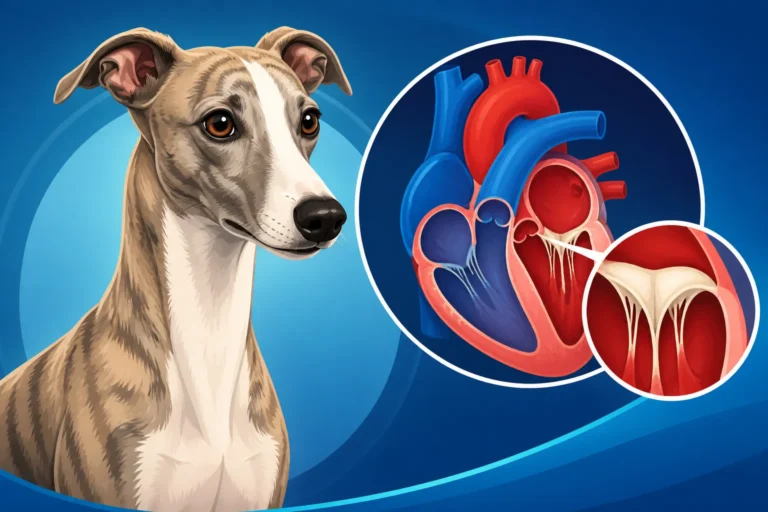
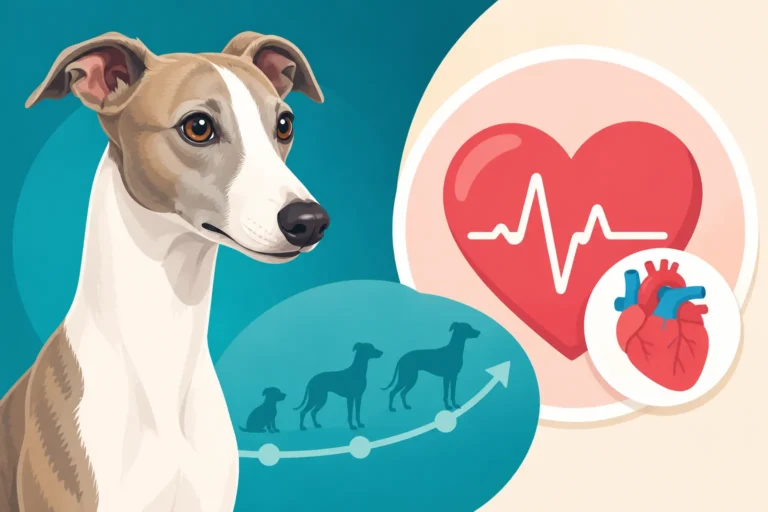
If there's one health concern that frequently looms large for older Whippets, it's heart disease, particularly Mitral Valve Disease (MVD). This is the condition that, sadly, often ends the lives of many old Whippets. MVD occurs when the mitral valve, which separates the two chambers on the left side of the heart, thickens and degenerates, failing to close properly. This allows blood to leak backward into the atrium, putting strain on the heart.
The first sign of MVD is often a heart murmur, which your vet might detect during a routine physical exam. Now, a murmur isn't an immediate death sentence; it's a sound that indicates turbulent blood flow. Many Whippets will develop a heart murmur as they age, and the severity is graded. A low-grade murmur might be perfectly asymptomatic for years, while a higher-grade murmur or one that progresses rapidly can indicate more serious disease. This is why regular check-ups are so vital. If a murmur is detected, your vet might recommend further diagnostics, such as an echocardiogram, to determine the exact cause and severity. This specialized ultrasound of the heart can show the valves in action and measure heart chamber size, providing invaluable information. You can read more about what a heart murmur means and when it becomes serious by checking out our guide on The Age a Whippet Develops a Heart Murmur.
The importance of regular cardiac exams cannot be overstated. Even if your Whippet seems perfectly fine, a yearly vet visit becomes paramount once they hit those senior years. Early detection allows for management strategies, which might include dietary changes, exercise modifications, and eventually, medications like pimobendan or diuretics, which can significantly improve their quality of life and potentially extend it. While it's tough to face, understanding that Mitral Valve Disease Is What Ends Most Old Whippets means we need to be extra diligent. Don't hesitate to ask your vet about a cardiac workup, and if you have concerns, consider seeking a referral to a veterinary cardiologist. Proactive care is truly the best defense when it comes to their precious hearts.
Joint and Mobility Issues
Those long, elegant legs that once carried your Whippet at breakneck speeds can, over time, start to feel the effects of age and gravity. Arthritis and general joint pain are incredibly common in senior dogs, and Whippets are no exception, despite their relatively low body weight. Their lean frame, while an advantage in youth, means they have less natural padding over their joints, which can sometimes make them more susceptible to discomfort as cartilage thins.
You might start to notice your Whippet hesitating before jumping onto the sofa, struggling a bit to get up after a long nap, or perhaps being less enthusiastic about their morning walk. Cold weather often exacerbates these issues, making stiffness more pronounced. It’s heart-wrenching to see them in pain, especially when they’ve been such agile creatures their whole lives. The goal isn't necessarily to eliminate all signs of aging, but to manage their discomfort effectively so they can continue to enjoy their daily lives. Many owners find themselves grappling with the question of When a Whippet Gets Arthritis and what to do about it.
Management strategies often involve a multi-pronged approach. This can include non-steroidal anti-inflammatory drugs (NSAIDs) prescribed by your vet, joint supplements containing glucosamine and chondroitin, and even newer treatments like Librela (monoclonal antibody therapy) which specifically target nerve growth factor involved in pain pathways. Physical therapy, gentle massage, and hydrotherapy can also be incredibly beneficial, helping to maintain muscle mass and flexibility without putting excessive strain on aching joints. Creating an environment that supports their mobility, which we'll delve into later, is also key. For instance, providing Beds That Suit an Arthritic Whippet can make a huge difference in their comfort levels, allowing them to rest deeply without waking up stiff.
Dental Disease and Oral Health
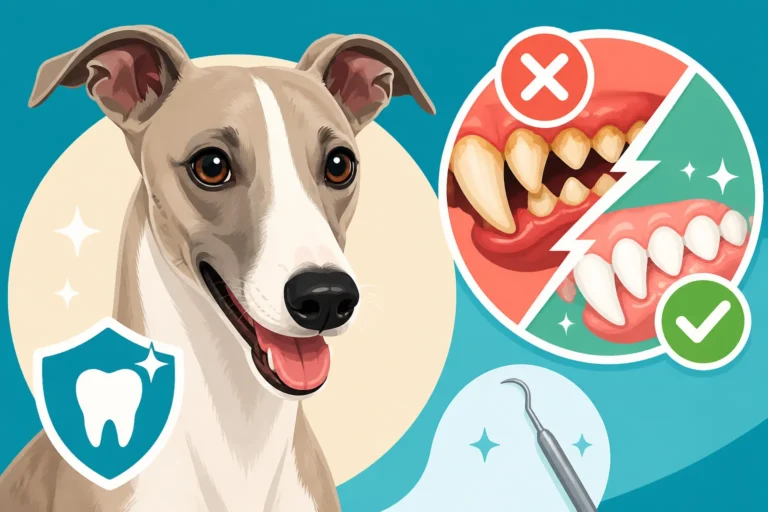
This is one of those silent killers that often goes unnoticed until it's quite advanced. Dental disease in dogs is incredibly common, but for Whippets, with their finer bone structure and often crowded teeth, it can escalate rapidly. By the time a Whippet reaches ten, years of plaque and tartar buildup can lead to serious issues like gum disease, tooth decay, and even tooth loss.
The problem isn't just bad breath, though that's certainly a strong indicator. Untreated dental disease can lead to chronic pain, difficulty eating, and, most alarmingly, can contribute to systemic health problems. Bacteria from infected gums can enter the bloodstream and travel to vital organs like the heart, kidneys, and liver, exacerbating existing conditions or creating new ones. This is why Teeth Are the Whippet Problem That Sneaks Up on so many owners. You might not see obvious signs of pain until the disease is quite advanced, as dogs are very good at hiding discomfort.
Regular professional dental cleanings under anesthesia are the gold standard for maintaining oral health. While the idea of anesthesia for an older Whippet can be daunting, a thorough pre-anesthetic workup and careful monitoring by a vet experienced in sighthound anesthesia protocols significantly mitigate the risks. Between cleanings, daily tooth brushing is ideal, but even wiping their teeth with a dental wipe or providing vet-approved dental chews can help. It's a truth universally acknowledged by Whippet owners that Whether a Whippet Gets Dental Disease Early is often a yes, and that Whether a Whippet's Teeth Need Scaling Often is usually every year or two. Don't let their quiet suffering go unaddressed; good oral hygiene is a cornerstone of senior Whippet health.
Maintaining Optimal Nutrition and Weight
As your Whippet ages, their nutritional needs will subtly shift. Their metabolism might slow down, their activity level decreases, and their body composition can change, all of which impact what and how much they should eat. It's a delicate balance to strike, ensuring they get all the nutrients they need without piling on unnecessary weight or, conversely, losing too much muscle.
Adjusting Their Diet for Senior Needs
One of the first things you might notice as your Whippet enters their senior years is a change in their appetite or metabolism. They might not burn through calories as quickly as they once did, or they could become a bit pickier about their food. The key is to provide a diet that supports their aging body, focusing on high-quality ingredients that are easily digestible and provide targeted support for common senior issues.
Look for senior-specific dog foods, or those formulated for "all life stages" that are balanced and not excessively high in calories. A good senior diet will typically feature slightly lower fat content to prevent unwanted weight gain, while maintaining a moderate to high protein level to help preserve muscle mass, which is crucial for mobility and overall strength in older dogs. Ingredients that support joint health, like glucosamine and chondroitin, are a huge plus, as are antioxidants to combat cellular aging. Fiber content might also be adjusted to support healthy digestion, which can sometimes slow down in older dogs. It's not uncommon for a senior Whippet to become a bit fussier about their food. What they devoured enthusiastically a year ago might now be met with a sniff and a turn of the head. This is where a bit of creativity comes in. Warming their food slightly, adding a tasty topper like a spoonful of plain yogurt, a little low-sodium broth, or cooked lean meat can often tempt their palate. Our detailed guide on Feeding an Old Whippet has more great tips for navigating these dietary changes.
Keeping Weight On Without Overfeeding
This is a tightrope walk for many Whippet owners. We know our Whippets are supposed to be lean, with visible ribs and a prominent tuck-up. However, as they age, distinguishing between a healthy lean body and a concerning loss of muscle mass or fat reserves can be challenging. An older Whippet might start to lose muscle over their hindquarters, making their hip bones appear more prominent, or their spine might become more sharply defined. This isn't just an aesthetic concern; loss of muscle mass can significantly impact their mobility, balance, and overall strength, making them more prone to falls or injuries.
The goal is to maintain a healthy weight that supports their body condition, which means keeping enough lean muscle on them without letting them become overweight. An overweight senior Whippet puts extra strain on already aging joints and organs, compounding any existing health issues. Conversely, a Whippet that is genuinely too thin might not have the reserves to fight off illness or recover from injury. Regularly feeling their ribs and spine is a good practice. You should be able to feel their ribs easily, but they shouldn't protrude sharply without any muscle or fat covering them. Their hip bones should be palpable but not jutting out, and their waist should be clearly visible when viewed from above.
If you notice a significant decrease in appetite or unexplained weight loss, it's always best to consult your veterinarian. It could be a sign of an underlying medical condition, from dental pain making it hard to chew, to kidney disease, or even certain types of cancer. Working with your vet to find the right balance for your senior Whippet's diet is key. Sometimes, simply switching to a more palatable senior formula, adding a healthy fat source like fish oil, or feeding smaller, more frequent meals can make a big difference in maintaining their condition. Understanding Whether an Old Whippet Loses Muscle and how to prevent excessive loss is crucial for their long-term well-being.
Comfort and Environmental Adjustments
Your Whippet has always loved comfort, perhaps more than any other breed! But as they age, comfort transitions from a luxury to an absolute necessity. Their declining physical abilities mean that small environmental changes can make a massive difference in their daily well-being and prevent accidental injuries.
The Importance of Plush Bedding and Warmth
We all know Whippets are thin-skinned and lack the natural insulation and padding of many other breeds. This characteristic, which makes them such sleek athletes in their prime, becomes a significant consideration in their senior years. A Whippet has no insulation and no padding, meaning they feel the cold much more intensely, and hard surfaces can quickly lead to discomfort and painful pressure sores.
As they age, their bodies become less efficient at regulating temperature, making them more susceptible to chilling, even indoors. You might notice them seeking out sunny spots more often, burrowing deeper under blankets, or shivering more frequently. Providing them with multiple warm, soft, and supportive beds throughout the house isn't just a treat; it's essential. Look for orthopedic beds with memory foam that conform to their body, supporting their joints and distributing their weight evenly. This prevents the development of painful calluses and pressure sores, especially on their elbows, hocks, and hips, which can occur from prolonged lying on hard floors. Our guide on The Pressure Sores a Whippet Gets From Sleeping on the Floor really highlights this issue.
In colder months, don't underestimate the need for extra layers. Sweaters, fleece pajamas, and even cozy coats for indoor use can make a huge difference in keeping them comfortable. An old Whippet often feels the cold more than their younger counterparts. You might find yourself dressing them in a lightweight coat even for a quick trip outside on a mild day, just to take the chill off. Keeping a Whippet Warm Without Overheating It is also important; while they need warmth, they shouldn't be panting. The goal is consistent, gentle warmth, ensuring they can rest deeply without being disturbed by the cold or discomfort from hard surfaces. Our piece on Caring for an Old Whippet That Feels the Cold offers more specific tips.
Accessibility and Safety Around the Home
The active, agile Whippet you once knew might now find jumping on and off furniture challenging, or navigating stairs a daunting task. Their eyesight might not be as sharp, and their hearing could be starting to fade. Making simple adjustments around your home can drastically improve their safety, confidence, and quality of life.
Consider investing in pet ramps or steps for access to favorite sofas or beds. This reduces the impact on their joints and prevents falls or awkward landings that could lead to injury. If your Whippet struggles with stairs, especially going down, you might need to limit access or carry them if they're small enough. For those with multiple stories, setting up comfortable resting spots on each floor can prevent the need for frequent stair climbing.
Slick floors, like hardwood or tile, can become hazardous for an older dog with less muscle strength and poorer balance. Lay down non-slip rugs or runners in high-traffic areas, especially where they eat or drink, or where they might be prone to sudden movements. Nightlights can be helpful for a Whippet with diminishing eyesight, especially for late-night potty breaks, helping them navigate their familiar surroundings without bumping into furniture. If their hearing is declining, approach them gently and from the front to avoid startling them. Consistency in furniture placement can also help if their vision is poor; avoid rearranging too frequently. These small changes show how much you value their comfort and can significantly prolong their ability to enjoy their home environment independently.
Mental Stimulation and Quality of Life
As our Whippets age, their physical capabilities may wane, but their need for mental engagement and a sense of purpose certainly does not. Keeping their minds active and spirits high is just as important as tending to their physical health. It enriches their lives and can even help stave off cognitive decline.
Keeping Their Minds Sharp
An aging Whippet might not be able to chase a lure at full tilt, but their intelligent minds still thrive on engagement. Boredom can lead to anxiety, lethargy, or even exacerbate cognitive issues. The key is to adapt mental stimulation to their current physical abilities.
Gentle games, like hide-and-seek with treats, can be wonderful. Puzzle toys, where they have to work to get a kibble or a small treat, are fantastic for keeping their brains active. Even short, calm training sessions can be beneficial. Reviewing basic commands like 'sit,' 'stay,' or 'down' keeps their memory sharp and reinforces their bond with you. Introduce new, simple tricks if they enjoy it, but keep sessions brief and positive, ending before they get tired or frustrated. Maintaining a predictable daily routine can also provide a sense of security and reduce confusion for older dogs, but don't be afraid to introduce novel, low-impact experiences. A new scent on a walk, a different puzzle toy, or a new person to greet can all provide positive mental stimulation. Many owners wonder Whether an Old Whippet Gets Confused; while occasional confusion is normal, consistent disorientation should be discussed with your vet.
Cognitive Dysfunction Syndrome (CDS), often compared to Alzheimer's in humans, can affect older dogs. Signs might include disorientation, changes in sleep-wake cycles, house-soiling, and altered interactions with family members. While there's no cure, early recognition and management through diet, supplements, and medication can help slow its progression and improve quality of life. Mental stimulation, even in gentle forms, plays a crucial role here by keeping neural pathways active.
Adapting Exercise Routines
The image of a Whippet sprinting across a field is iconic, but as they age, that picture will naturally change. While their need for physical activity diminishes, it doesn't disappear entirely. Regular, gentle exercise remains vital for maintaining muscle mass, joint flexibility, healthy circulation, and digestive regularity.
Instead of long, vigorous runs, switch to shorter, more frequent walks. Two to three shorter walks throughout the day might be more beneficial than one long trek, allowing them to stretch their legs, sniff around, and relieve themselves without overexertion. Focus on "sniff walks" where they can explore scents at their own pace, which is incredibly enriching for a sighthound's keen nose and provides mental engagement without physical strain. Allow them to dictate the pace and duration. If they seem tired or stiff, it’s time to head home. Never push an older Whippet beyond their comfort zone; it can lead to pain, injury, and a reluctance to walk at all. Our Whippets are stoic, but even they have limits.
While it's true that Whether an Old Whippet Still Wants to Run can be a resounding "yes!" on occasion, those bursts of speed should be carefully managed. Provide opportunities for a brief, safe sprint in a securely fenced yard if they initiate it, but don't force it. Grass or soft ground is preferable to hard surfaces for minimizing impact on their joints. The key is to listen intently to your Whippet's cues. Are they eager for their walk, or do they seem hesitant? Do they tire quickly, or do they still have a spring in their step? Adjust their routine accordingly, prioritizing gentle movement and enjoyment over intense physical challenge. Consistent, low-impact exercise is far more beneficial than sporadic bursts of activity followed by days of stiffness.
When to Seek Veterinary Care and End-of-Life Considerations
This is perhaps the most challenging section of caring for an older Whippet. It involves knowing when something isn't quite right, and eventually, making the most difficult decision any pet owner faces. Approaching this stage with knowledge and preparation can help ensure your Whippet's comfort and dignity until their very last days.
Recognizing Signs of Trouble
One of the biggest hurdles in caring for an older Whippet is their inherent stoicism. As sighthounds, they are masters at hiding pain or discomfort, a trait that served them well in the wild but can be agonizing for attentive owners. They might not whine, limp overtly, or cry out. Instead, you might notice very subtle shifts in their behavior that, to a trained eye, signal a problem.
Be vigilant for changes in appetite or water consumption, which could indicate anything from dental pain to kidney disease. A sudden increase in thirst, for example, is a common sign of kidney issues or diabetes. Watch for changes in their sleep patterns; are they more restless at night? Are they sleeping significantly more during the day? Pay close attention to their bathroom habits: accidents in the house, difficulty urinating or defecating, or changes in stool consistency are all red flags. Subtle changes in mobility, such as a slower gait, hesitation on stairs, difficulty getting up, or a slight tremor, can indicate joint pain or neurological issues. Any persistent cough, changes in breathing, or unusual lumps and bumps should also prompt a vet visit. Our guide on The Signs a Whippet Is Getting Old goes into more detail on what to look for.
Regular veterinary check-ups are absolutely non-negotiable for senior Whippets, ideally every six months rather than annually. These visits allow your vet to catch subtle changes, conduct routine bloodwork to check organ function, and palpate their joints to assess for arthritis. Don't be afraid to voice every small concern, even if it seems minor. You know your Whippet best, and your observations are invaluable. Pet insurance providers like Healthy Paws can be a real lifesaver during these years, helping to manage the accumulating costs of diagnostics, medications, and specialized treatments that often come with senior care, allowing you to focus on your Whippet’s health without undue financial stress.
Quality of Life Assessments and Difficult Decisions
This is the hardest part of the journey, but it's one we undertake out of immense love for our companions. Eventually, even with the best care, there comes a point when we must objectively assess our Whippet's quality of life. This isn't about prolonging life at all costs, but about ensuring their remaining time is filled with comfort, joy, and dignity, free from chronic, unmanageable pain or distress.
Many veterinarians use "quality of life scales" or similar frameworks to help owners evaluate key aspects of their dog's well-being. These scales typically ask you to rate things like their pain levels, appetite, hydration, hygiene (can they keep themselves clean?), mobility, and their overall happiness/engagement. Are they still interested in treats? Do they greet you with a wagging tail? Do they enjoy gentle cuddles? Are they able to go outside to potty without struggling? It’s important to be honest with yourself and your vet. It's often helpful to keep a journal of their good days and bad days, as decline can be so gradual that it's hard to recognize without looking back.
The decision to say goodbye is agonizing, often the most gut-wrenching choice an owner will ever make. It's an act of profound love, putting their comfort above our own grief. Remember that euthanasia, when performed thoughtfully and peacefully, can be the final gift we give to a cherished pet, freeing them from suffering. Support resources are available, from your vet to pet bereavement counselors, to help you through this incredibly difficult time. Knowing When an Old Whippet Has Had Enough is never easy, but focusing on their quality of life, rather than just the quantity, can guide you to make the right choice for them. Unexpected medical emergencies or ongoing chronic conditions in senior years can be financially burdensome, and this is where a reliable pet insurance plan, such as those offered by Healthy Paws, provides invaluable peace of mind, allowing you to prioritize your Whippet's well-being without additional stress.
Comparing Needs: Young Whippet vs. Senior Whippet
To help visualize the shift in care, here’s a quick overview of how a Whippet's needs often change from their youthful prime to their golden years.
| Aspect of Care | Young Whippet (1-7 years) | Senior Whippet (10+ years) |
|---|---|---|
| Exercise | Frequent, high-intensity sprints, long walks, active play. | Shorter, more frequent, low-impact walks; gentle sniff excursions. |
| Nutrition | High-calorie, performance-oriented food to fuel activity. | Senior-specific formula; focus on digestibility, joint support, muscle preservation. |
| Bedding/Comfort | Any soft bed; tolerates cooler temperatures more easily. | Orthopedic, memory foam beds; multiple warm, draft-free spots; requires extra layers for warmth. |
| Vet Visits | Annual check-ups, vaccinations. | Bi-annual (every 6 months) check-ups, bloodwork, cardiac exams, dental checks. |
| Dental Care | Daily brushing (ideal), preventative cleanings as needed. | Regular professional cleanings are critical; vigilant monitoring for signs of disease. |
| Mental Stimulation | Training, agility, puzzle toys, new experiences. | Gentle puzzle toys, short training refreshers, calm scent work, consistent routine. |
| Joint Care | Generally healthy; occasional sprains from intense activity. | Daily joint supplements, anti-inflammatory medications if needed, ramps, non-slip surfaces. |
| Environmental Safety | Agile and aware; fewer home modifications needed. | Ramps, non-slip rugs, nightlights, limited stair access, stable environment. |
| Monitoring | General health and behavior. | Vigilant for subtle changes in behavior, appetite, mobility, and cognitive function. |
Disclaimer
The information provided in this article is for general informational purposes only and is not a substitute for professional veterinary advice. Always consult with a qualified veterinarian for any health concerns or before making any decisions about your Whippet's medical care or diet. Individual Whippets may have different needs based on their unique health, age, and lifestyle.