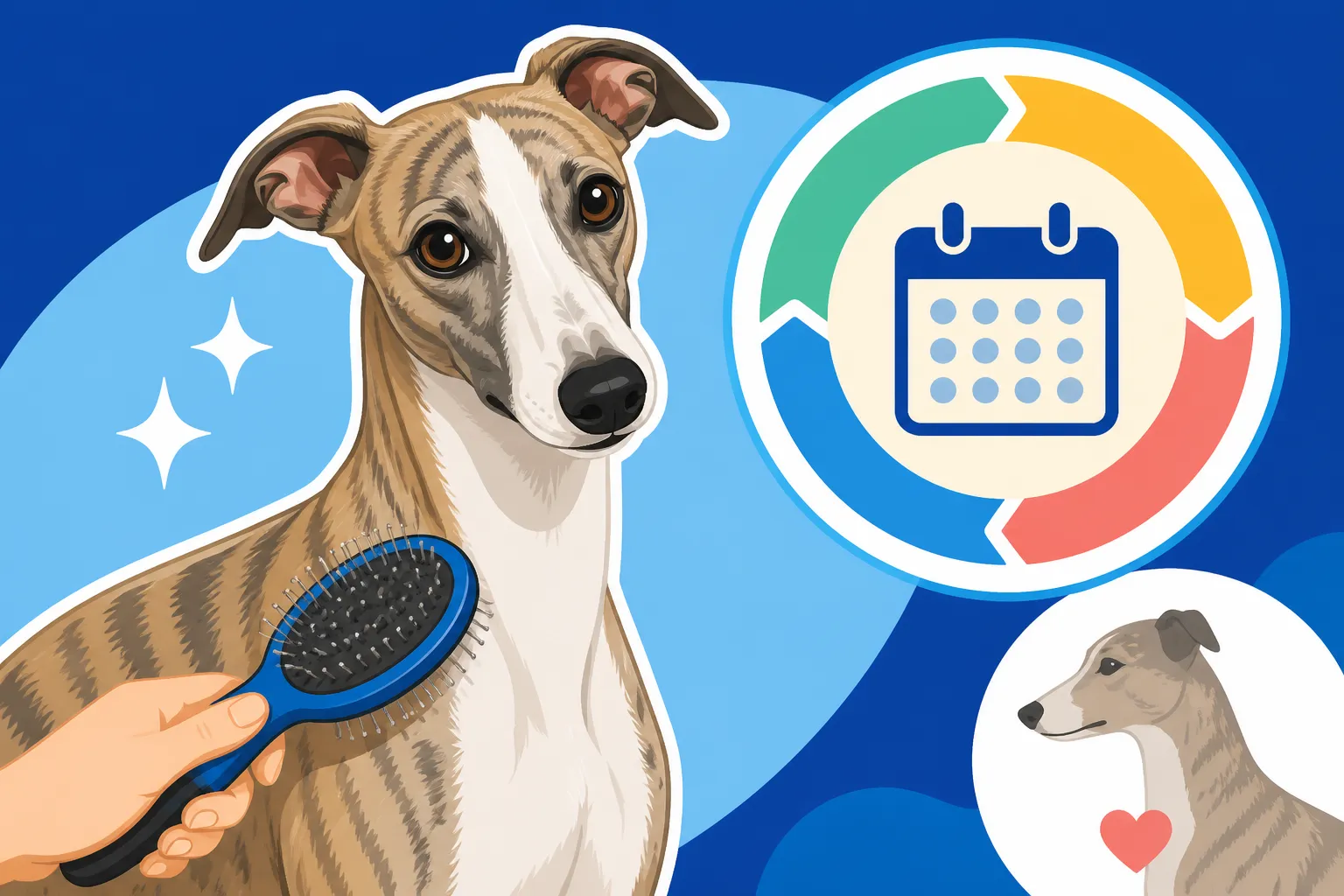
How Often a Whippet Needs Brushing
Oh, the classic Whippet coat! Many people, when they first meet one of these sleek, elegant dogs, assume they're practically shed-free and need no grooming. It's a lovely thought, isn't it? A dog that looks perpetually neat with minimal effort. But the reality for us Whippet owners is a little more nuanced, and while they aren't exactly blowing their coats like a Husky, there's definitely a brushing routine to keep them looking and feeling their best. This guide is here to walk you through exactly how often your Whippet needs brushing, what tools work best for their delicate skin, and how to make grooming a pleasant experience for both of you.
Understanding the Whippet Coat: More Than Meets the Eye
When you look at a Whippet, you see that short, fine coat that gleams in the sun. It's one of their defining features – smooth, close-lying, and undeniably beautiful. But beneath that apparent simplicity lies a bit of detail that influences how we care for it.
The Anatomy of a Whippet's Short, Fine Coat
Unlike many breeds with thick double coats designed for insulation against harsh weather, a Whippet possesses a single, very fine coat. They have virtually no undercoat, which is why they shiver at the mere thought of a chilly breeze and need quite the wardrobe. This lack of an insulating layer means their coat is thin, offering little protection from the elements, but also making it incredibly easy to maintain if you know what you're doing. The hairs themselves are short and relatively stiff, which contributes to their surprising ability to embed themselves into upholstery and clothing despite their small size. It's not a fluffy coat that sheds in big clumps, but rather a constant, fine precipitation of individual hairs.
This unique coat structure also means their skin is quite exposed and delicate. They don't have that thick barrier of fur that protects other breeds, making them prone to The Thin Skin That Sends a Whippet to the Vet for Stitches and sensitive to harsh grooming tools or products. When you're brushing your Whippet, you're not just tending to their hair; you're directly interacting with their skin, and that sensitivity needs to be top of mind. This is also why many Whippets appreciate soft bedding everywhere – to protect those bony prominences and thin skin.
The Reality of Whippet Shedding: It's Not "Shed-Free"
Ah, the "no shedding" myth. It's one of those hopeful whispers you sometimes hear about Whippets, often from people who've only admired them from afar. As a Whippet owner, you know the truth: they absolutely shed. It's just a different kind of shedding. Instead of massive seasonal "blow-outs" that leave tumbleweeds of fur rolling across your floors, Whippets tend to shed small, fine hairs consistently, year-round. It's more like a gentle, perpetual snow flurry of hair, rather than an avalanche.
This constant, low-level shedding means you'll find Whippet hairs on your sofa, your favorite black sweater, and mysteriously, sometimes even in your coffee. The good news is that these hairs are usually easy to vacuum and wipe away from hard surfaces. The bad news is that they can weave themselves into fabric with an almost supernatural ability, making them a bit more stubborn on upholstery. The intensity of shedding can vary, of course, with some Whippets seemingly shedding more than others, and factors like diet, stress, and overall health playing a role. But the expectation should always be: yes, they shed, and regular brushing helps manage it. You can learn more about this in How Much a Whippet Sheds Year Round.
How Often to Brush Your Whippet for Optimal Health
So, with that constant, fine shedding and delicate skin, what's the magic number for brushing frequency? It's not as demanding as a long-coated breed, but it's more than "never."
The Baseline: Regular Maintenance for the Average Whippet
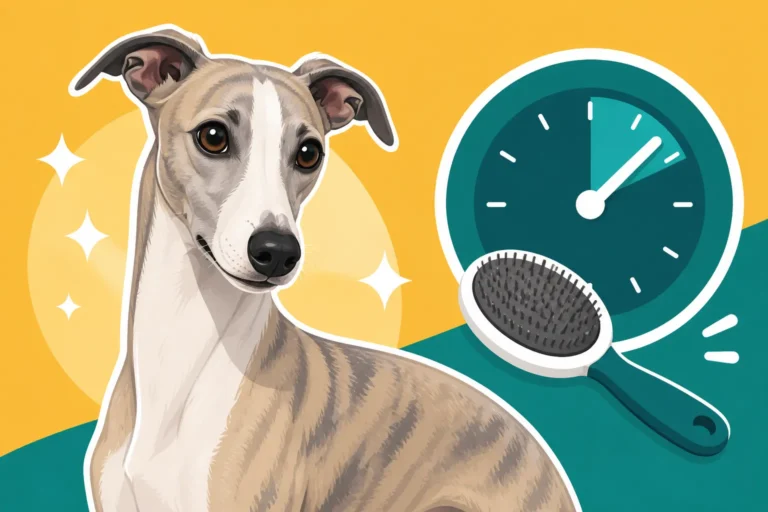
For the average Whippet in good health, a quick brushing session once or twice a week is usually sufficient. This frequency helps to remove loose hairs before they have a chance to migrate all over your home. More importantly, it helps to distribute the natural oils across their skin and coat, promoting a healthy sheen and keeping their skin hydrated. Think of it as a mini-massage that also serves a practical purpose.
These brushing sessions don't need to be long, drawn-out affairs. Five to ten minutes of gentle strokes can make a world of difference. It's less about deep de-shedding (because they don't have that kind of coat) and more about maintaining cleanliness, stimulating circulation, and checking for any skin anomalies. During these sessions, you also get a chance to bond with your Whippet and perform a quick visual inspection of their body for any new lumps, bumps, or skin irritations that might warrant a closer look. This routine easily fits into the general care summarized in What a Whippet Needs Every Day.
When to Increase Brushing Frequency: Seasonal Changes and Special Needs
While once or twice a week is a great baseline, there are times when you might want to increase your Whippet's brushing frequency. Even though they don't have a traditional "seasonal blow" of their coat, some Whippets might shed a little more during spring as they adapt to warmer weather, or if they've been spending more time outdoors. During these periods, increasing brushing to two to three times a week can be beneficial.
Beyond seasonal shifts, pay attention to your individual Whippet's needs. If you notice an increase in shedding due to stress, a change in diet, or a temporary health issue, more frequent brushing can help manage the excess hair. For example, if your Whippet is recovering from a minor skin irritation or a wound (and your vet gives the okay), gentle brushing around the area, but not on the area, can help keep the surrounding fur clean and prevent matting – though mats are rare with their short coat. Similarly, if your Whippet has dry skin or Dandruff on a Whippet, more frequent, gentle brushing can help stimulate oil production and distribute moisturizing treatments or conditioners your vet might recommend.
Choosing the Right Brushing Tools for a Whippet's Sensitive Skin
The type of brush you use is arguably more important than the frequency, especially given a Whippet's notoriously thin and sensitive skin. A harsh brush can easily cause discomfort, irritation, or even micro-abrasions.
Soft, Gentle Brushes Are Your Whippet's Best Friend
When it comes to brushing a Whippet, gentle is the name of the game. You're looking for tools that will effectively remove loose hair and stimulate the skin without scratching or pulling. Here are the best options:
- Rubber Curry Brush or Grooming Mitt: These are fantastic for Whippets. The soft rubber nubs gently massage the skin while grabbing loose hairs. They're non-abrasive, easy to clean, and many dogs find them incredibly soothing. Brands like Kong and Furminator make excellent rubber brushes, and you can often find great, affordable options on Amazon or Chewy. This type of brush is perfect for their short coat.
- Soft Bristle Brush: A brush with natural, soft bristles (like boar bristles) is another excellent choice. It’s gentle on the skin, great for polishing the coat to a shine, and effective at removing fine, loose hairs and surface dirt. These are also wonderful for distributing natural oils.
- Suede or Microfiber Cloth: For a quick pass to remove dust, loose hair, and add a final polish, a damp (not wet) suede or microfiber cloth works wonders. It’s incredibly gentle and leaves the coat looking sleek and gleaming. This is a great daily ritual, even on days you don't do a full brush.
These tools are designed to work with a Whippet's coat, not against it. They remove the hair that's already detached or very loose, without tugging at the skin or causing any pain. This attention to detail in tool choice is a big part of why Why a Whippet's Coat Takes Five Minutes a Week is true.
Tools to Avoid and Why They Harm Whippet Skin
Just as important as knowing what to use, is knowing what to avoid. Whippets are not like other dogs, and tools designed for breeds with different coat types can be genuinely harmful to them.
- Slicker Brushes: These brushes have fine, stiff wire pins and are designed to get through thick, matted coats. For a Whippet, a slicker brush is far too harsh. The pins can easily scratch their thin skin, cause irritation, or even break the skin, leading to discomfort, redness, or even infection.
- Undercoat Rakes or De-shedding Tools with Blades (e.g., some Furminator models): While Furminator makes good rubber brushes, their bladed de-shedding tools are designed to pull out thick undercoats. A Whippet doesn't have an undercoat, so using such a tool would only pull at their delicate single coat hairs and scrape their skin. It would be painful and completely ineffective.
- Metal Combs with Fine Teeth: While a wide-toothed comb might be okay for a quick check for debris, a fine-toothed metal comb can pull at the very short hairs and scratch the skin. They're simply not necessary for a Whippet's coat type and can cause more harm than good.
Always prioritize gentleness and choose tools specifically made for short, fine coats or sensitive skin. If you're ever unsure, opt for a rubber grooming mitt – it's almost impossible to misuse on a Whippet! You can explore options like Which Brush Suits a Whippet's Coat for more specific advice.
Making Brushing a Calm and Enjoyable Routine
For some dogs, grooming is a chore to be endured. For others, it's a spa session. With a Whippet's sensitive nature, making brushing a positive experience from the get-go is key to ensuring they tolerate, and perhaps even enjoy, their grooming time.
Introducing the Brush: Positive Reinforcement from Puppyhood
The best time to introduce grooming tools and routines is when your Whippet is a puppy. Their minds are sponges, and positive early experiences will set the stage for a lifetime of cooperative care. Start with very short sessions, just a minute or two, gradually increasing the duration as your puppy becomes comfortable.
Here’s a basic approach:
- Introduce the tool: Let your puppy sniff and investigate the brush. Give them a tiny, high-value treat when they show interest.
- Gentle touch: Touch the brush to their body for a second, then immediately give a treat and praise. Don't even brush yet, just touch.
- Short strokes: Once they're comfortable with the touch, perform one or two very gentle strokes, then immediately treat and praise.
- Gradual increase: Slowly increase the number of strokes and the duration of the session, always ending on a positive note before they get bored or antsy.
- Focus on comfort areas: Start with areas they typically enjoy being touched, like their shoulders or back, and gradually move to more sensitive spots like their belly or legs, being extra gentle.
Remember, positive reinforcement is everything for a Whippet. How a Whippet Learns When It Bruises From Pressure highlights their incredible sensitivity, making harsh corrections completely counterproductive. Keep treats handy – tiny pieces of cheese, cooked chicken, or even a dollop of peanut butter on a lick mat can make the experience much more enjoyable.
Creating a Consistent and Comfortable Grooming Environment
The environment where you brush your Whippet also plays a huge role in their comfort level. A consistent, quiet, and comfortable space can transform grooming from a dreaded event into a relaxing ritual.
Choose a time when your Whippet is naturally calm, perhaps after a short walk or a play session when their initial burst of energy has waned. A quiet room away from distractions like other pets, children, or loud noises is ideal. Lay down a soft blanket or a comfortable dog bed on the floor or a low, sturdy surface where your Whippet feels secure. Many Whippets prefer being on the floor for grooming, as they might feel precarious on a raised table.
Speak to your Whippet in a soothing, calm voice throughout the process. Make it a bonding time, not just a task. If they seem uncomfortable or try to pull away, pause, reassure them, and perhaps offer a treat before continuing gently. Never force the issue, as this can create a negative association. If you find your Whippet is genuinely distressed by brushing, it might be worth consulting with a positive reinforcement trainer or a vet to rule out any underlying skin issues or pain that could be causing their discomfort.
Beyond the Brush: Comprehensive Coat Care for Your Whippet
While brushing is essential, it's just one piece of the puzzle for maintaining a truly healthy and gleaming Whippet coat. What goes into their body and how you handle other aspects of their hygiene also makes a significant impact.
The Role of Diet and Supplements in a Healthy Coat
A beautiful, shiny coat isn't just about external grooming; it largely reflects internal health. A high-quality, balanced diet is fundamental to a healthy coat and skin. Your Whippet's food should contain adequate protein, healthy fats (especially omega fatty acids), and essential vitamins and minerals. Think about it: if their body isn't getting the right building blocks, how can it produce strong, lustrous hair?
Many Whippet owners find that diets rich in omega-3 and omega-6 fatty acids make a noticeable difference in coat quality, reducing dryness and enhancing shine. These beneficial fats can often be found in fish-based kibbles or through supplements like fish oil. If you're considering a diet change or adding supplements, always discuss it with your veterinarian. Brands like Ollie (fresh dog food) or high-quality kibbles available on Chewy often emphasize skin and coat health, offering options with balanced nutrition. A healthy diet also impacts general energy levels and physical performance, as discussed in Feeding a Whippet That Sprints and Then Sleeps. You might also wonder Whether a Whippet Needs Fish Oil and Whether a Whippet's Coat Shines With Fish Oil.
When Brushing Isn't Enough: Dealing with Skin Issues and Dullness
Sometimes, despite regular brushing and a good diet, your Whippet's coat might still seem dull, or you might notice skin issues. This is when you need to look beyond the brush and consider other factors.
- Bathing: While Whippets don't typically need frequent baths – usually How Often a Whippet Should Be Bathed is once every few months or when truly dirty – the right shampoo is crucial. Use a gentle, moisturizing, pH-balanced shampoo designed for sensitive skin. Harsh shampoos can strip natural oils, leading to dry, flaky skin and a dull coat. Check out Which Shampoo Suits a Whippet's Thin Skin for more specific product guidance. Over-bathing can also dry out their skin, so strike a balance.
- Environmental Factors: Dry indoor air, especially in winter, can lead to dry skin. Consider a humidifier in your home. Allergies, both environmental and food-related, can also manifest as skin irritation, excessive scratching, and a poor coat. If you suspect allergies, a vet visit is essential.
- Underlying Health Conditions: A persistently dull coat, excessive shedding, or skin problems could be indicators of an underlying health issue, such as thyroid problems, parasites, or other systemic diseases. If you've tried adjusting diet and grooming routine without success, a trip to the vet is warranted to rule out medical causes. They can perform diagnostics and recommend appropriate treatments, ensuring your Whippet's overall health, which in turn reflects in their coat.
Remember, your Whippet's coat is a window into their overall well-being. Keeping it well-maintained, healthy, and shiny is a testament to the comprehensive care you provide.
Debunking Common Whippet Coat Myths
It's amazing how many misconceptions swirl around dog breeds, and Whippets, with their unique physiology, are no exception. Let's clear up a couple of the most common ones regarding their coats.
The "No Shedding" Myth
We touched on this briefly, but it bears repeating because it's such a pervasive belief. Many people are drawn to Whippets because they think these dogs don't shed. The reality, as any Whippet owner will tell you, is that they do shed. What sets them apart is how they shed.
Instead of thick, fluffy undercoat shedding, which can create visible piles of fur, Whippets shed fine, short, single hairs. These hairs are lightweight and can easily become airborne or embed themselves into fabrics. You might not see large clumps of hair on the floor, but you will find individual hairs on your furniture, clothes, and pretty much everywhere your Whippet likes to lounge. This constant, low-level shedding means that while they might be considered "low-shedding" compared to, say, a German Shepherd, they are definitely not "no-shedding." Managing this requires the regular, gentle brushing we've discussed, which helps capture those hairs before they become part of your home décor. It's a common frustration, so understanding it realistically helps manage expectations.
The "No Grooming Needed" Myth
This myth often goes hand-in-hand with the "no shedding" misconception. Because Whippets have such short, neat coats, some assume they require no grooming at all beyond perhaps an occasional bath. While it's true that their grooming needs are far less intensive than many other breeds, stating "no grooming needed" is an oversimplification that can lead to neglect of their skin and coat health.
Even a short, fine coat benefits immensely from regular attention. Brushing isn't just about removing loose hair; it's about stimulating blood circulation in the skin, distributing natural oils for a healthy sheen, and providing an opportunity for you to physically examine your dog. During these sessions, you can spot minor cuts, bumps, dry patches, or parasites that might otherwise go unnoticed on their Why a Whippet Has So Little Body Fat and delicate frame. It’s also a fantastic bonding experience that reinforces trust and comfort between you and your Whippet. Skipping grooming entirely can lead to dry skin, a dull coat, and a missed opportunity for early detection of potential health issues. So, while minimal, a consistent grooming routine is indeed needed for a Whippet's well-being.
Whippet Grooming Overview
Here's a quick reference for your Whippet's grooming needs:
| Grooming Task | Recommended Frequency | Best Tools/Tips |
|---|---|---|
| Brushing | 1-2 times per week | Soft rubber curry brush/mitt, natural bristle brush. Gentle strokes. |
| Bathing | Every 2-3 months or as needed | Gentle, moisturizing, pH-balanced shampoo for sensitive skin. Avoid over-bathing. |
| Nail Trims | Every 2-4 weeks | Dremel or clippers, ensure you don't cut the quick. Start early. |
| Ear Cleaning | As needed | Rarely needed for Whippets, but check for wax/dirt occasionally. |
| Dental Care | Daily brushing, yearly vet checks | Dog-specific toothbrush/paste. Address Teeth Are the Whippet Problem That Sneaks Up. |
| Skin Checks | Weekly (during brushing) | Look for lumps, bumps, cuts, dry patches, parasites. |
This article is for general informational purposes only and does not constitute professional advice. Laws, prices and regulations vary by location and change over time. Consult a qualified professional for guidance on your specific situation.