Mitral Valve Disease Is What Ends Most Old Whippets
It’s a heartbreaking reality that as our beloved Whippets age, their bodies, like ours, begin to show signs of wear and tear. One of the most common and distressing issues that many older Whippets face, and indeed what ultimately ends the lives of most, is Mitral Valve Disease. This isn't just a minor issue; it's a progressive heart condition that can slowly steal your dog's vitality and leave you feeling helpless. This guide aims to shed light on MVD, helping you understand its progression, spot the subtle signs, navigate diagnosis and treatment, and ultimately provide the best possible care for your cherished companion.
Understanding Mitral Valve Disease in Whippets
Mitral Valve Disease (MVD), sometimes referred to as Endocardiosis or Myxomatous Mitral Valve Disease (MMVD), is a degenerative condition that primarily affects the mitral valve of the heart. For Whippet owners, especially as your dogs enter their senior years, understanding this condition is crucial. It’s a silent, insidious disease that often progresses slowly, making early detection a significant challenge.
What is the Mitral Valve and Its Job?
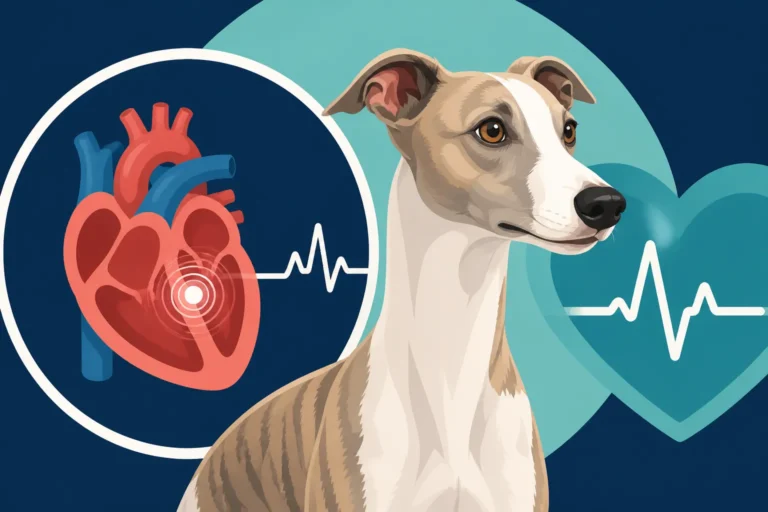
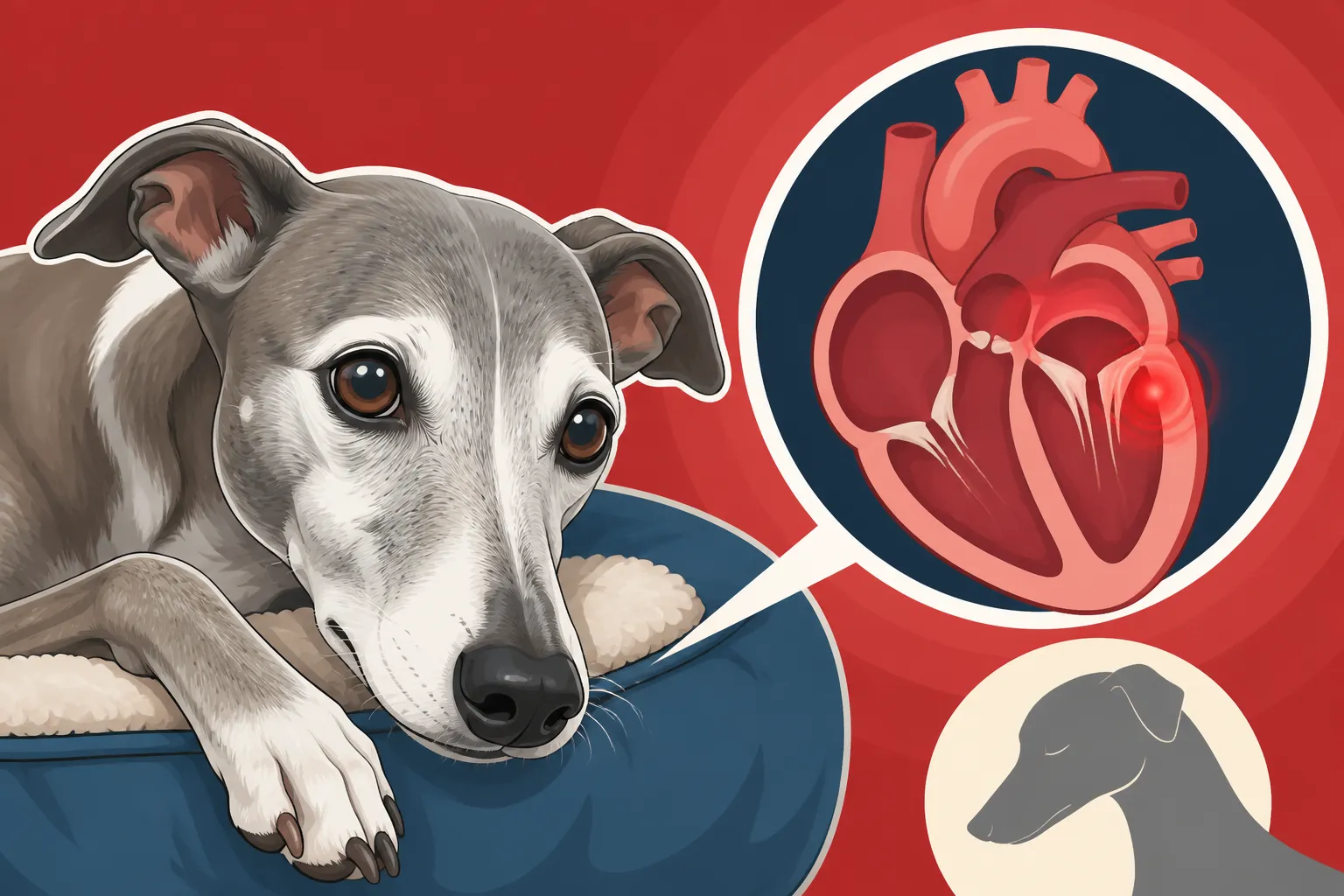
To truly grasp MVD, we need to take a quick peek at the heart's architecture. Your Whippet’s heart is a powerful, four-chambered pump, diligently working to circulate blood throughout their body. The mitral valve is a crucial component located between the left atrium and the left ventricle – the two chambers on the left side of the heart. Its job is incredibly important: it acts like a one-way door, ensuring that oxygen-rich blood, after returning from the lungs, flows smoothly from the left atrium into the left ventricle, and then, crucially, prevents this blood from leaking backwards into the atrium when the ventricle contracts to pump blood out to the rest of the body. Think of it as a perfectly synchronized trapdoor that opens and closes with each heartbeat, maintaining efficient blood flow.
When the mitral valve is healthy, it forms a tight seal, preventing any backflow. But with MVD, this delicate valve begins to degenerate, thicken, and often prolapse (meaning it bulges backward). This prevents it from closing properly. The result? Blood leaks back into the left atrium each time the left ventricle contracts. This backward flow, known as "regurgitation," reduces the heart's efficiency, forcing it to work harder to deliver the necessary oxygenated blood to the body. Over time, this extra workload can lead to the heart enlarging and eventually failing to pump effectively.
Why Whippets Are Susceptible
While MVD can affect any dog breed, it is particularly common in smaller to medium-sized breeds, and unfortunately, Whippets are no exception. Genetics play a significant role, though unlike some breed-specific conditions, it’s not always tied to a single, easily identifiable gene mutation in Whippets. Instead, it’s often considered a polygenic trait, meaning multiple genes contribute to its development. The breed's athletic build and often longer lifespan compared to giant breeds mean they might live long enough for these age-related degenerative changes to manifest.
It's important to distinguish MVD from other heart conditions. Often, when you first get a Whippet, you might hear comments about their "big heart." This is usually a reference to the naturally athletic heart many sighthounds possess, a strong, efficient pump built for speed and endurance. This is not inherently a sign of disease. In fact, understanding that Why a Whippet's Big Heart Is Not a Diagnosis can prevent a lot of unnecessary worry. However, this athletic predisposition does not protect them from the degenerative changes of MVD. As they age, the cumulative stress and genetic factors simply wear down this vital valve. It's a cruel irony that the very heart that makes them such incredible athletes can also be their eventual downfall.
The Progression of the Disease
Mitral Valve Disease doesn't just appear overnight; it typically progresses through several stages, often over years. Understanding these stages is critical for managing the disease and making informed decisions with your vet. The American College of Veterinary Internal Medicine (ACVIM) has developed a staging system to help vets classify and treat MVD:
- Stage A: This stage applies to dogs that are predisposed to MVD (like Whippets) but currently show no structural changes to the heart and no murmur. Essentially, they are "at risk" due to their breed. There's nothing to treat yet, but awareness is key.
- Stage B1: At this point, your Whippet has a detectable heart murmur (the sound of the blood leaking back through the valve), but their heart size is still normal, and they show no clinical signs of heart failure. Many Whippets spend years in this stage. It’s usually identified during a routine vet check-up when your vet listens to their heart. Early detection here, possibly around The Age a Whippet Develops a Heart Murmur, is a common scenario.
- Stage B2: The heart murmur is present, and importantly, the heart has begun to enlarge due to the extra workload of pumping blood. However, your Whippet is still not showing any outward signs of heart failure. This is often when a cardiologist might recommend starting medication, even if your dog seems perfectly fine, as studies have shown early intervention can delay the onset of clinical signs.
- Stage C: This is where things get serious. Your Whippet now has active or historical clinical signs of congestive heart failure (CHF) directly attributable to MVD. This means fluid buildup in the lungs (pulmonary edema) or abdomen (ascites) and noticeable symptoms like coughing, difficulty breathing, or exercise intolerance.
- Stage D: This is the most advanced stage, characterized by refractory CHF, meaning the heart failure is severe and no longer responding adequately to standard treatments. Dogs in this stage require aggressive medical management to maintain a reasonable quality of life.
The journey through these stages can be slow, but it's important to remember that not all Whippets progress at the same rate. Some may live for many years in Stage B1 or B2 without significant issues, while others may progress more rapidly. Regular veterinary check-ups are paramount to monitor progression and intervene at the appropriate time.
The Early Warning Signs and How to Spot Them
One of the most frustrating aspects of Mitral Valve Disease is how subtly it can begin. Whippets are masters at hiding discomfort, a trait rooted in their sighthound nature where showing weakness in the wild could be dangerous. This means that by the time overt symptoms appear, the disease might already be quite advanced. As a dedicated Whippet owner, becoming an astute observer of their daily habits and energy levels is your best defense.
Recognizing a Heart Murmur
For many Whippets, the first "sign" of MVD isn't something you'll notice at home, but rather a sound your veterinarian picks up during a routine physical exam: a heart murmur. A murmur is an abnormal whooshing sound caused by turbulent blood flow. In the case of MVD, this is the sound of blood leaking backward through the mitral valve. Your vet will grade the murmur on a scale, often from 1 to 6, with 1 being very faint and 6 being very loud, sometimes even palpable through the chest wall.
A low-grade murmur (like a 1 or 2) in an otherwise healthy, active Whippet in Stage B1 might require no immediate action other than monitoring. However, a louder murmur, or one that changes in intensity over time, suggests the disease is progressing. It's vital to remember that the intensity of the murmur doesn't always correlate perfectly with the severity of the disease, especially in the early stages. A definitive diagnosis of MVD and its stage requires further diagnostics beyond just listening with a stethoscope. But detecting a murmur is the first critical step, prompting your vet to recommend follow-up tests. Don't dismiss a murmur as "just an old dog thing"; it's a call to action.
Subtle Behavioral Changes
Before any noticeable coughing or breathing difficulties, you might observe subtle shifts in your Whippet's behavior that, when viewed through the lens of potential heart disease, take on new meaning. These changes often mimic general signs of aging, which is why they can be easily overlooked. Keep an eye out for things like:
- Decreased Stamina: Your Whippet might not be as eager for their usual spirited runs or may tire more quickly during walks. Instead of keeping up for miles, they might lag behind or want to cut the walk short. They might still get excited for a short sprint, but recover much slower.
- Reduced Enthusiasm for Play: While they still might greet you with their characteristic full-body wiggle, their interest in prolonged play sessions with toys or other dogs might wane. They might opt for a quick romp and then settle down much faster than before.
- More Sleeping: While Whippets are renowned for being The Whippet Is a Forty Mile an Hour Couch Potato, an increase in lethargy or wanting to sleep more than usual, especially during times they were typically active, could be a red flag. Pay attention to changes in their typical sleep patterns and energy levels.
- Reluctance to Exercise: They might hesitate before jumping into the car for a trip to the park, or show less excitement for activities they once loved. It's not necessarily a lack of desire, but perhaps a physiological inability to perform as they once did. Many of these subtle changes can also be attributed to The Signs a Whippet Is Getting Old, so it's about looking at the complete picture of symptoms.
Respiratory Symptoms
As MVD progresses to more advanced stages (C and D), the heart's inefficiency leads to fluid backing up, primarily into the lungs. This is when respiratory symptoms become noticeable and indicate a serious problem: congestive heart failure.
- Coughing: This is one of the most classic signs of heart failure in dogs. It's often described as a soft, moist cough, sometimes a "hack," and it tends to be worse at night or when your Whippet is lying down. The coughing is caused by the accumulation of fluid in the lungs, irritating the airways. It might sound like they're trying to clear their throat.
- Increased Breathing Rate (Tachypnea): You might notice your Whippet breathing faster than usual, even when resting or sleeping. A normal resting respiratory rate for a dog is typically between 15-30 breaths per minute. If you consistently observe rates higher than this, especially without recent exercise or stress, it’s a significant concern. You can easily monitor this at home by counting their breaths for 30 seconds and multiplying by two.
- Difficulty Breathing (Dyspnea) or Panting: This is a more severe symptom. Your Whippet might struggle to catch their breath, their chest might heave, or they might pant excessively without a clear reason (like being hot or having just exercised vigorously). Their gums might also appear pale or bluish. This is an emergency and requires immediate veterinary attention.
- Restlessness at Night: Because lying down can make fluid buildup in the lungs worse, some Whippets with CHF become restless at night, trying to find a comfortable position, often preferring to sleep with their head elevated or sitting up. This restlessness can also be accompanied by increased breathing or coughing.
Any of these respiratory signs warrant an urgent visit to your veterinarian. Early intervention in congestive heart failure can dramatically improve your Whippet's comfort and prognosis, even if it doesn't cure the underlying MVD.
Getting a Diagnosis: What to Expect at the Vet
Detecting Mitral Valve Disease early and accurately diagnosing its stage is paramount for effective management. When you bring your Whippet to the vet with concerns about a murmur or symptoms suggestive of heart issues, your veterinarian will embark on a systematic process to get to the bottom of it. This journey often involves a combination of physical examination and specialized diagnostic tests.
The Initial Vet Visit and Physical Exam
Your vet will start with a thorough physical examination. This is more than just a quick once-over; it's a crucial step where they gather vital clues. They will:
- Auscultate the Heart: Using a stethoscope, your vet will carefully listen to your Whippet's heart. They'll be listening for the presence, location, and intensity of a heart murmur, which is the hallmark of MVD. They'll also assess the heart rate and rhythm, checking for any arrhythmias (irregular beats).
- Evaluate Lung Sounds: They’ll also listen to your Whippet’s lungs for any abnormal sounds, such as crackles or wheezes, which could indicate fluid accumulation (pulmonary edema) if your dog is in heart failure.
- Check Pulse Quality: Your vet will feel your Whippet’s pulse, often in the femoral artery in the inner thigh, to assess its strength and regularity. A weak or irregular pulse can be another indicator of cardiac compromise.
- Assess Mucous Membranes: They will examine your Whippet’s gums to check their color, which provides insight into oxygenation and circulation. Pale or bluish gums are serious signs.
- Palpate the Abdomen: They might feel your Whippet's belly for any signs of fluid accumulation (ascites), which can sometimes occur with right-sided heart failure (though MVD primarily affects the left side, advanced disease can impact both).
- Observe Overall Demeanor: Your vet will note your Whippet's general energy level, breathing effort, and body condition.
Based on these initial findings, your vet will then determine which further diagnostic tests are necessary to confirm MVD and establish its stage.
Diagnostic Tests: Getting the Full Picture
To accurately diagnose MVD and, more importantly, stage it according to the ACVIM guidelines, your vet will likely recommend a series of diagnostic tests. These tests provide invaluable information about the structure and function of your Whippet's heart and lungs.
- Echocardiogram (Cardiac Ultrasound): This is the gold standard for diagnosing MVD and assessing its severity. An echocardiogram is a non-invasive ultrasound of the heart that allows a veterinary cardiologist or your general practitioner to visualize the heart's chambers, valves, and major blood vessels in real-time. With this, they can:
- Directly see the mitral valve and assess its degeneration (thickening, prolapse).
- Measure the size of the heart chambers, especially the left atrium and ventricle, to check for enlargement.
- Measure the force of the heart's contractions.
- Quantify the amount of blood leaking back through the mitral valve (regurgitation).
- Identify any other structural abnormalities.
An echocardiogram is crucial for distinguishing between Stages B1 and B2, as it provides the definitive evidence of heart enlargement. If your primary vet detects a murmur, they may recommend a Whether a Whippet Needs an Echocardiogram to Confirm with a specialist.
- Thoracic Radiographs (Chest X-rays): X-rays provide a static image of the heart and lungs. While they don't show the heart's function in detail like an echo, they are incredibly useful for:
- Assessing the overall size and shape of the heart.
- Detecting fluid accumulation in the lungs (pulmonary edema), which confirms congestive heart failure (Stage C or D).
- Checking for other lung conditions that might cause coughing, helping to differentiate cardiac cough from respiratory cough.
- Identifying enlarged blood vessels, which can also be indicative of heart disease.
- Blood Tests (NT-proBNP): A relatively newer diagnostic tool, the NT-proBNP test measures a specific hormone that is released when the heart muscle is stretched or stressed. Elevated levels can indicate significant cardiac disease and can help:
- Screen for heart disease in at-risk breeds (though not a definitive diagnosis).
- Predict the risk of developing congestive heart failure in dogs with a murmur.
- Help distinguish between respiratory and cardiac causes of coughing.
- Monitor the effectiveness of treatment.
- Electrocardiogram (ECG): An ECG records the electrical activity of the heart. It's primarily used to identify and characterize arrhythmias, which can sometimes occur alongside MVD, but it's not a primary diagnostic tool for MVD itself.
The cost of these diagnostic tests can be substantial, especially if a cardiology referral is needed. This is where pet insurance, like a plan from Healthy Paws, can be an absolute lifesaver. Knowing that a significant portion of these expenses, including What a Cardiology Referral Costs a Whippet Owner, might be covered can alleviate immense financial stress during an already difficult time.
Understanding the ACVIM Staging System
As mentioned earlier, the ACVIM staging system (A, B1, B2, C, D) provides a standardized way for veterinarians to classify MVD. This system is critical because treatment recommendations vary significantly depending on the stage.
- Stage A: No treatment, but client education on breed risk.
- Stage B1: Murmur present, no cardiac enlargement, no clinical signs. Monitoring only, no medications typically recommended. Recheck every 6-12 months.
- Stage B2: Murmur present, cardiac enlargement (confirmed by echo), no clinical signs. This is the stage where many cardiologists recommend starting a medication called pimobendan, as studies have shown it can significantly delay the onset of congestive heart failure. Regular rechecks (every 3-6 months) with X-rays and potentially echo are usually advised.
- Stage C: Clinical signs of CHF (coughing, difficulty breathing, fluid in lungs) present. This stage requires immediate and aggressive medical therapy, typically involving diuretics (like furosemide) to remove fluid, pimobendan to strengthen heart contractions, and ACE inhibitors to help with blood pressure and fluid balance. Hospitalization might be necessary for stabilization.
- Stage D: Refractory CHF, meaning standard medications are no longer fully controlling symptoms. This stage requires even more aggressive medication dosages, additional drugs, and very close monitoring. The focus shifts to maintaining comfort and quality of life for as long as possible.
Accurate staging guides your vet in crafting the most effective and timely treatment plan, giving your Whippet the best chance at a good quality of life despite their MVD.
Managing MVD: Treatment Options and Lifestyle Changes
Receiving an MVD diagnosis can feel overwhelming, but the good news is that significant advancements in veterinary cardiology mean there are effective ways to manage the disease, especially in its earlier stages. The goal of treatment isn't a cure, but rather to slow the disease's progression, manage symptoms, and enhance your Whippet's quality of life.
Medications for Mitral Valve Disease
Pharmacological intervention is the cornerstone of MVD management, particularly once the heart starts to enlarge (Stage B2) or when congestive heart failure develops (Stage C and D). These medications work in different ways to support heart function and alleviate symptoms.
- Pimobendan (Vetmedin): This medication is a true game-changer in MVD management. It's a positive inotrope and a balanced vasodilator. This means it has a dual action: it strengthens the heart's contraction, helping it pump blood more efficiently, and it dilates (widens) blood vessels, reducing the workload on the heart. Crucially, studies (like the EPIC study) have shown that starting pimobendan in Stage B2 Whippets (those with a murmur and heart enlargement but no clinical signs) can significantly delay the onset of congestive heart failure and extend their symptom-free life. It is typically given twice daily.
- Furosemide (Lasix): This is a powerful diuretic, primarily used once your Whippet develops congestive heart failure (Stage C or D). Furosemide helps the body eliminate excess fluid, particularly the fluid that accumulates in the lungs, causing coughing and breathing difficulties. By reducing fluid buildup, it significantly alleviates respiratory distress. It often needs to be given multiple times a day and can lead to increased urination, so more frequent potty breaks will be necessary.
- ACE Inhibitors (e.g., Enalapril, Benazepril): These medications work by blocking certain hormones that cause blood vessels to constrict and encourage fluid retention. By dilating blood vessels and reducing fluid overload, ACE inhibitors decrease the heart's workload and improve blood flow. They are commonly prescribed alongside pimobendan and furosemide in Stages C and D, and sometimes in Stage B2 in conjunction with pimobendan, depending on the individual case and veterinarian's preference.
- Spironolactone: This is another type of diuretic, often called a potassium-sparing diuretic. It's typically added to the treatment regimen in more advanced cases (Stage C or D), particularly if furosemide alone isn't sufficient to control fluid buildup, or if potassium levels are a concern.
- Other Medications: Depending on specific symptoms or complications, other medications might be used. These can include anti-arrhythmic drugs if significant heart rhythm abnormalities are present, or bronchodilators if airway issues are contributing to coughing.
Adherence to the prescribed medication schedule is absolutely vital. Missing doses or altering dosages without vet approval can have serious consequences for your Whippet's heart health.
Dietary Considerations
What your Whippet eats can also play a supporting role in managing MVD, particularly in later stages.
- Sodium Restriction: One of the most important dietary changes for dogs with MVD, especially those in congestive heart failure (Stage C or D), is sodium restriction. High sodium intake can contribute to fluid retention, making the heart's job harder and exacerbating pulmonary edema. Your vet may recommend a therapeutic cardiac diet, which is specifically formulated to be low in sodium. These diets are typically available through your vet or with a prescription.
- Avoiding High-Sodium Treats: Be very careful with human foods and many commercial dog treats, as they can be surprisingly high in sodium. Think twice before sharing that piece of cheese or deli meat. Opt for low-sodium alternatives or vet-approved treats.
- Maintaining Ideal Body Weight: Keeping your Whippet at a lean, healthy weight is always important, but it becomes even more critical with MVD. Obesity puts extra strain on the heart, making it work harder. Conversely, severe weight loss (cardiac cachexia) can occur in advanced heart disease, and your vet may recommend specific high-calorie, palatable foods to maintain muscle mass.
Always consult your veterinarian or a veterinary nutritionist before making significant changes to your Whippet's diet, as different stages of MVD may require different nutritional approaches.
Exercise Adjustments
Your Whippet is a creature of incredible athleticism, known for their explosive sprints. It’s hard to imagine them not being able to run. However, with MVD, particularly as it progresses, their exercise routine will need careful adjustment. The key is to maintain activity without overexertion.
- Monitoring Exercise Tolerance: Pay close attention to your Whippet's comfort levels during activity. If they start coughing, panting excessively, or seem unusually tired, it's time to stop and rest.
- Short, Frequent Walks: Instead of long, strenuous runs, focus on shorter, more frequent walks. Gentle leash walks several times a day can help maintain muscle mass and provide mental stimulation without putting excessive strain on the heart.
- Avoid Strenuous Activity: High-intensity activities like sustained sprinting, jumping, or intense play with other dogs should generally be avoided, especially in later stages of MVD. If your Whippet has a murmur, you might wonder Whether a Whippet With a Murmur Can Still Run; the answer often becomes 'no' or 'only very gentle, short bursts' as the disease progresses and the heart enlarges.
- Listen to Your Whippet: They will often tell you when they've had enough. Don't push them. Respect their need for rest and adjust your expectations accordingly. The aim is to promote a calm, comfortable lifestyle.
Living with a Whippet with MVD: Daily Care and Support
Beyond medications and dietary adjustments, managing MVD involves a holistic approach to your Whippet's daily life. It's about providing an environment of comfort, consistent monitoring, and unwavering emotional support. This journey can be challenging, but your Whippet relies on you for every step.
Monitoring at Home: Becoming Your Whippet's Health Detective
One of the most impactful things you can do as a Whippet owner navigating MVD is to become adept at monitoring key indicators at home. This allows you to catch subtle changes early and communicate effectively with your veterinarian.
- Resting Respiratory Rate (RRR): This is arguably the most crucial thing to monitor. A consistently elevated RRR is often the first sign that congestive heart failure is worsening or developing. To measure it, count the number of breaths your Whippet takes in 30 seconds while they are completely at rest or sleeping deeply (not dreaming!). Multiply that number by two to get breaths per minute. A normal RRR for a dog is generally less than 30 breaths per minute. Keep a log of these readings. If you notice a sustained increase above their baseline, especially above 30-35 breaths per minute, it's time to call your vet.
- Coughing Frequency and Character: Note how often your Whippet is coughing, whether it's dry or moist, and if it's worse at certain times (e.g., at night, after excitement). Any increase in frequency or change in character warrants a vet call.
- Exercise Tolerance: Continuously observe their willingness and ability to exercise. Are they slowing down more? Are they reluctant to go for walks? This helps gauge their current comfort level and the disease's progression.
- Appetite and Water Intake: Changes in appetite can indicate illness, and increased thirst (polydipsia) can be a side effect of diuretic medications like furosemide, which can also signal dehydration if not managed.
- Energy Levels: A general decline in enthusiasm, increased lethargy, or more time spent sleeping can all be indicators.
Keeping a small journal or using a simple app to log these observations can be incredibly helpful for you and your vet to track trends over time.
Creating a Comfortable Environment
Whippets, with their thin skin and minimal body fat, are particularly sensitive to their environment. For a Whippet with MVD, comfort becomes even more paramount.
- Soft, Supportive Bedding: Due to their lack of natural padding, Whippets are prone to pressure sores, especially as they become less active. Investing in high-quality, orthopedic beds with memory foam can make a huge difference. Ensure they have multiple comfortable spots throughout the house where they can rest without putting pressure on joints or bony prominences. Remember that Beds That Suit an Arthritic Whippet will also benefit a dog with MVD who might be less mobile.
- Warmth: Whippets feel the cold intensely. As MVD progresses, their circulation might be less efficient, making them even more susceptible to chills. Provide soft blankets, dog sweaters, or pajamas, especially in cooler weather or if your home isn't consistently warm. Ensure they have access to warm, draft-free sleeping areas. This aligns with advice on Caring for an Old Whippet That Feels the Cold.
- Stress Reduction: A calm and predictable routine can minimize stress, which is beneficial for a dog with heart disease. Avoid sudden loud noises or chaotic environments if possible. Maintain a consistent daily schedule for feeding, walks, and medications.
- Easy Access: Ensure food, water, and potty areas are easily accessible. If your Whippet struggles with stairs, consider ramps or limiting access to certain areas to prevent overexertion.
Emotional Support for Your Whippet
Living with a chronic illness, even for a dog, can be emotionally taxing. Your Whippet might not understand why they feel unwell or can't run like they used to, but they will sense your presence and reassurance.
- Maintain Routine and Affection: Keep their daily routine as consistent as possible, as this provides a sense of security. Shower them with gentle affection, belly rubs, and quiet cuddles. Your presence is a powerful comfort.
- Mental Stimulation: If physical exercise is limited, find ways to keep their minds engaged. Scent games, puzzle toys, or short, gentle training sessions can provide mental enrichment without physical strain.
- Understanding Their Limitations: It's tough to see your once-speedy Whippet slow down. Resist the urge to push them past their limits, even with the best intentions. Celebrate their good days and be patient and understanding on their tougher ones. They need your patience and unconditional love more than ever.
- Consider a Companion (if appropriate): While a second Whippet isn't always the answer, some dogs thrive with a calm companion to cuddle with. Assess your current Whippet's personality and energy levels carefully before introducing another pet.
This period of your Whippet's life demands immense dedication and empathy. By being vigilant and providing a supportive environment, you can ensure their comfort and happiness for as long as possible.
The Emotional Toll and Planning for the Future
Facing a diagnosis of Mitral Valve Disease in your Whippet is never easy. It brings a myriad of emotions – fear, sadness, frustration, and often guilt. Beyond the practicalities of medication and monitoring, there’s a significant emotional journey for both you and your beloved companion. Planning for the future, however difficult, is an act of love and responsibility.
Coming to Terms with a Diagnosis
It’s completely normal to feel overwhelmed when your Whippet is diagnosed with MVD. You might question if you missed earlier signs, or worry about the financial burden of treatment. You might even feel angry that your otherwise vibrant Whippet is now facing a chronic illness. These feelings are valid. Allow yourself to process them. Reach out to friends, family, or online communities of Whippet owners who have faced similar challenges. Sharing your experiences can provide comfort and practical advice.
Remember, MVD is a progressive disease, and it’s not your fault. You are doing everything you can by learning about the condition and seeking veterinary care. The emotional weight of this journey is heavy, but you don't have to carry it alone. Focus on the present, on giving your Whippet the best possible quality of life today.
Quality of Life Discussions
As MVD progresses, there will come a point where treatment might shift from prolonging life to primarily ensuring comfort and maintaining dignity. This is when discussions about your Whippet's quality of life become paramount. Your veterinarian will be an invaluable resource in objectively assessing your Whippet's condition. Key indicators to consider include:
- Pain and Discomfort: Is your Whippet experiencing chronic pain, shortness of breath, or persistent coughing that significantly impacts their comfort, despite medication?
- Appetite and Hydration: Are they eating and drinking adequately? A sustained lack of interest in food or water is a serious red flag.
- Mobility: Can they still move around comfortably, get up to go outside, and find comfortable resting spots?
- Engagement: Do they still show interest in their surroundings, interact with family, and enjoy small pleasures like gentle petting?
- Hygiene: Are they able to keep themselves clean, or are they struggling with incontinence?
- Good Days vs. Bad Days: Are the bad days starting to outnumber the good days significantly? When the good days become rare, it’s a sign that their quality of life is severely diminished.
These discussions are agonizing, but they are an essential part of responsible pet ownership. The decision is never made lightly, and it's a testament to your love that you are willing to put their well-being above your own grief.
Euthanasia Considerations: Knowing When It's Time
The decision to say goodbye is the hardest one any pet owner will ever make. For Whippets with advanced MVD, where the heart failure is refractory (Stage D) and no longer responsive to aggressive treatment, euthanasia often becomes the kindest option. Knowing When an Old Whippet Has Had Enough is a profound act of compassion.
- Consult Your Vet: Your veterinarian can provide an honest assessment of your Whippet's prognosis and quality of life. They can help you understand if the disease has truly progressed beyond the point of effective management and if your Whippet is suffering.
- Assess Daily Life: Look at the cumulative impact of their symptoms. Are they constantly struggling to breathe? Are they restless and unable to find comfort? Are they experiencing significant discomfort or fear?
- Your Presence is Key: When the time comes, being present with your Whippet, offering comfort and love, is incredibly important. They need to feel your familiar touch and hear your voice as they pass peacefully.
- Grief is Normal: The grief you will feel is real and profound. Allow yourself to mourn. There are many resources, including pet loss support groups and counselors, who can help you navigate this difficult time. Remember the joy and love your Whippet brought into your life, and honor their memory.
This part of the journey is painful, but it's important to remember that you are giving them the ultimate gift of peace, ensuring they do not suffer needlessly.
Prevention and Proactive Health for Your Whippet
While Mitral Valve Disease is largely an age-related, degenerative condition with a strong genetic component, there are still proactive steps you can take to support your Whippet's overall heart health and potentially delay the onset or progression of MVD. It's about combining responsible breeding practices with excellent daily care.
Regular Vet Check-ups: Your First Line of Defense
One of the simplest yet most effective ways to manage MVD is through regular veterinary check-ups. These routine visits allow your vet to establish a baseline for your Whippet's health and detect subtle changes early.
- Annual Exams are Essential: For adult Whippets, annual wellness exams are crucial. During these visits, your vet will perform a thorough physical, including auscultating the heart for murmurs. Catching a murmur when it's low-grade (Stage B1) allows for early monitoring and potentially earlier intervention if it progresses to Stage B2.
- Senior Whippet Care: As your Whippet approaches their senior years, which typically begins around The Age a Whippet Counts as a Senior, annual check-ups should ideally become even more frequent, perhaps every six months. This allows for closer monitoring. Specifically, it's recommended that Whether a Whippet's Heart Should Be Checked Yearly After Eight is good practice, or even more frequently, to detect any developing issues.
- Discuss Any Changes: Don't hesitate to mention any changes you've observed in your Whippet's energy levels, breathing, or behavior, no matter how small they seem. Your observations are invaluable clues for your veterinarian.
These regular visits are also an opportunity to discuss general senior care, nutrition, and any other age-related concerns that might arise as your Whippet enjoys their The Twelve to Fifteen Years a Whippet Lives.
Breeder Responsibility and Genetic Screening
For those considering getting a Whippet puppy, choosing a responsible breeder is a critical step in proactively addressing potential health issues, including MVD. While there isn't a specific genetic test for MVD in Whippets, ethical breeders take cardiac health seriously.
- OFA Cardiac Clearances: Responsible breeders will have their breeding stock screened by a board-certified veterinary cardiologist. This typically involves an echocardiogram and auscultation to detect any murmurs or structural abnormalities. The results are often registered with the Orthopedic Foundation for Animals (OFA) or similar organizations. Look for certifications that indicate "Normal" or "Clear" results. You can learn more about The Health Tests Both Whippet Parents Should Have.
- Pedigree Research: Ask breeders about the longevity and health history of the dogs in their pedigrees, especially regarding heart disease. A breeder who is transparent about health issues, even if a distant relative had MVD, is often more trustworthy than one who claims their lines are "perfect."
- Transparency and Questions: Don't be afraid to ask detailed questions about the parents' health, specifically regarding heart health, and request to see their health certificates. A good breeder will welcome these questions and provide documentation.
While good breeding practices can't guarantee a Whippet will never develop MVD, they can significantly reduce the risk and ensure you're starting with the healthiest possible foundation.
General Wellness and Lifestyle Choices
Maintaining your Whippet's overall health and well-being through good lifestyle choices can indirectly support their heart health and potentially mitigate the impact of MVD.
- Maintain a Lean Body Condition: As discussed earlier, obesity puts extra strain on the heart. Keep your Whippet at a healthy, lean weight throughout their life. You should be able to easily feel their ribs without seeing them prominently, and they should have a discernible waist.
- Balanced Nutrition: Feed a high-quality, balanced diet appropriate for your Whippet's life stage and activity level. While specific cardiac diets are for MVD progression, a good foundational diet is always beneficial.
- Dental Care: While MVD isn't directly caused by dental disease, severe dental disease can lead to systemic inflammation and bacterial infections that, in rare cases, can affect heart valves. Regular dental care, including brushing and professional cleanings as needed, contributes to overall health. The Age a Whippet Starts Losing Teeth and Whether a Whippet's Tartar Builds Faster Than Other Breeds can be concerning, making good dental hygiene even more important.
- Regular, Appropriate Exercise: Encourage regular, moderate exercise throughout their lives. This keeps their cardiovascular system strong. As they age, or if MVD is diagnosed, adjust the intensity as needed, focusing on shorter, gentler activities rather than strenuous sprints.
By taking these proactive steps, you're not just hoping for the best; you're actively contributing to your Whippet's long-term health and doing everything within your power to support their heart for as many wonderful years as possible.
Common Misconceptions About Whippet Hearts
When it comes to heart conditions, especially in a breed with unique physiology like the Whippet, there are several myths and misunderstandings that can cause unnecessary worry or, conversely, lead to a delay in seeking crucial veterinary care. Let's clear up some common misconceptions.
"My Whippet's Big Heart Means It's Unhealthy"
This is perhaps one of the most persistent myths, especially for new Whippet owners. Many sighthounds, including Whippets, possess a naturally larger, more powerful heart relative to their body size compared to other breeds. This "athletic heart" or "physiologic cardiac hypertrophy" is an adaptation for their incredible speed and endurance, allowing them to pump more blood with each beat.
However, many well-meaning vets or even casual observers, unfamiliar with sighthound physiology, might mistakenly interpret this larger heart size on an X-ray or a strong heartbeat as a sign of disease. This can lead to misdiagnosis or undue concern. It's crucial to understand that Why a Whippet's Big Heart Is Not a Diagnosis unless it is accompanied by other signs of structural damage or functional impairment, typically confirmed by an echocardiogram. A healthy, athletic heart is a positive attribute, not a cause for alarm, provided there are no other underlying issues. Always ensure your vet understands sighthound specific parameters or seek a specialist if you have concerns.
"A Cough is Just Old Age"
This is a dangerous misconception that can lead to delayed diagnosis and treatment of serious conditions. While it's true that some older dogs might develop a mild, occasional cough due to irritated airways or minor kennel cough, a persistent or worsening cough, especially if it's moist or occurs predominantly at night, is NOT just a normal sign of old age.
For a Whippet, particularly an older one, a cough is a primary indicator of congestive heart failure. When the heart can't pump blood effectively, fluid backs up into the lungs, causing irritation and coughing. Ignoring this symptom, assuming it's "just old age" or "allergies," can allow heart failure to progress, causing your Whippet significant distress and making treatment more challenging. If your older Whippet develops a cough, it should always be investigated by a veterinarian to rule out heart disease or other serious respiratory issues. The Signs a Whippet Is Getting Old do include some changes, but a persistent cough needs professional assessment.
"Nothing Can Be Done for Heart Disease"
This misconception often stems from a lack of awareness about the incredible advancements in veterinary cardiology. While MVD is degenerative and not curable, it is absolutely treatable. Saying "nothing can be done" dismisses the very real benefits that modern medicine offers.
For Whippets diagnosed with MVD, especially in stages B2, C, and D, there are numerous medications and management strategies that can:
- Delay the onset of clinical signs: Pimobendan, when started in Stage B2, has been shown to significantly extend the symptom-free period.
- Improve quality of life: Diuretics and other heart medications can dramatically reduce symptoms like coughing and breathing difficulties, allowing your Whippet to be more comfortable and enjoy their daily life for longer.
- Extend lifespan: Effective management can add months, and often years, of good quality life to a Whippet with MVD.
- Manage secondary conditions: Cardiologists can also address any arrhythmias or other complications that arise.
With careful monitoring, appropriate medication, and a supportive home environment, many Whippets with MVD can continue to live fulfilling lives. It’s a challenging road, but the dedication of owners and the expertise of veterinarians can make a profound difference. Don't fall into the trap of believing there's no hope; there's often a great deal that can be done to help your beloved companion.
Heart Health Data Overview
To help visualize some key aspects of Mitral Valve Disease and its progression, here is a helpful table summarizing the ACVIM stages, typical findings, and general management approaches. This isn't a substitute for veterinary advice, but rather a tool to help you understand the journey.
| ACVIM Stage | Clinical Presentation (Symptoms) | Key Diagnostic Findings | Typical Management Approach |
|---|---|---|---|
| A | No symptoms, no murmur | Breed predisposition, no structural changes | No medication; owner education on risk. |
| B1 | No symptoms | Heart murmur present, no cardiac enlargement (normal heart size on X-ray/Echo) | No medication; monitor every 6-12 months. |
| B2 | No symptoms | Heart murmur present, cardiac enlargement (LA/LV enlargement on Echo/X-ray) | Pimobendan often started; monitor every 3-6 months. |
| C | Present or historical signs of CHF (coughing, difficulty breathing, exercise intolerance) | Pulmonary edema (fluid in lungs) on X-ray, enlarged heart, severe regurgitation on Echo | Diuretics (Furosemide), Pimobendan, ACE Inhibitors; hospitalization if needed. |
| D | Refractory CHF (severe symptoms despite standard treatment) | Worsening pulmonary edema, severe heart enlargement | Aggressive multi-drug therapy (higher doses, additional diuretics), focus on comfort and palliation. |
This table shows how the disease is a progressive condition, with specific interventions becoming necessary at different points. Being informed allows you to partner with your vet more effectively. The financial implications can also be significant, with diagnostics, medications, and potential emergency visits adding up. Considering pet insurance early in your Whippet's life, from providers like Healthy Paws, can certainly help cushion the financial blow of such an extensive condition later on.
Disclaimer
The information provided in this article is for educational purposes only and is not intended to be a substitute for professional veterinary advice, diagnosis, or treatment. Always seek the advice of your veterinarian or other qualified animal health provider with any questions you may have regarding a medical condition or treatment for your Whippet. Never disregard professional veterinary advice or delay in seeking it because of something you have read here.