Whether a Whippet Puppy Should Grow Slowly
It’s a common worry for new Whippet puppy owners: you bring home this tiny, delicate creature, and sometimes it feels like they’re just too thin, or not growing as fast as you might expect other breeds to. This anxiety often leads to questions about whether you should be trying to get them to bulk up quickly. The truth is, while we naturally want our pups to thrive, pushing a Whippet puppy for rapid growth can actually do more harm than good in the long run. This guide will help you understand the ideal growth trajectory for your Whippet puppy, why a slower, steadier pace is often best, and how to support their healthy development without overdoing it.
The Unique Growth Patterns of Whippet Puppies
Whippets, as sighthounds, are built for speed and agility, not bulk. Their lean physique isn't a sign of ill health or underfeeding; it's a fundamental part of their breed standard and athletic capability. Many new owners, accustomed to more robust breeds, can find themselves a bit stressed, wondering if their Whippet puppy is "too thin" compared to puppies of other breeds. But what looks lean on a Labrador puppy might be perfectly normal, even ideal, for a Whippet.
Understanding the Whippet's Natural Frame
From the moment they're born, Whippet puppies are designed for a different kind of growth than, say, a Retriever or a Mastiff. Their bones are fine, their muscles are long and sleek, and they carry very little body fat. This means that a healthy Whippet puppy will naturally appear slender, with visible ribs, a tucked-up abdomen, and prominent hip bones. This isn't a sign of malnutrition, but rather an indication that their body is developing in line with their sighthound genetics. Trying to fatten them up excessively could lead to unnecessary strain on their developing joints and organ systems, which are not designed to carry a lot of extra weight. It's about proportion and athleticism, not chunkiness.
Why "Slow and Steady" Wins the Race for Development
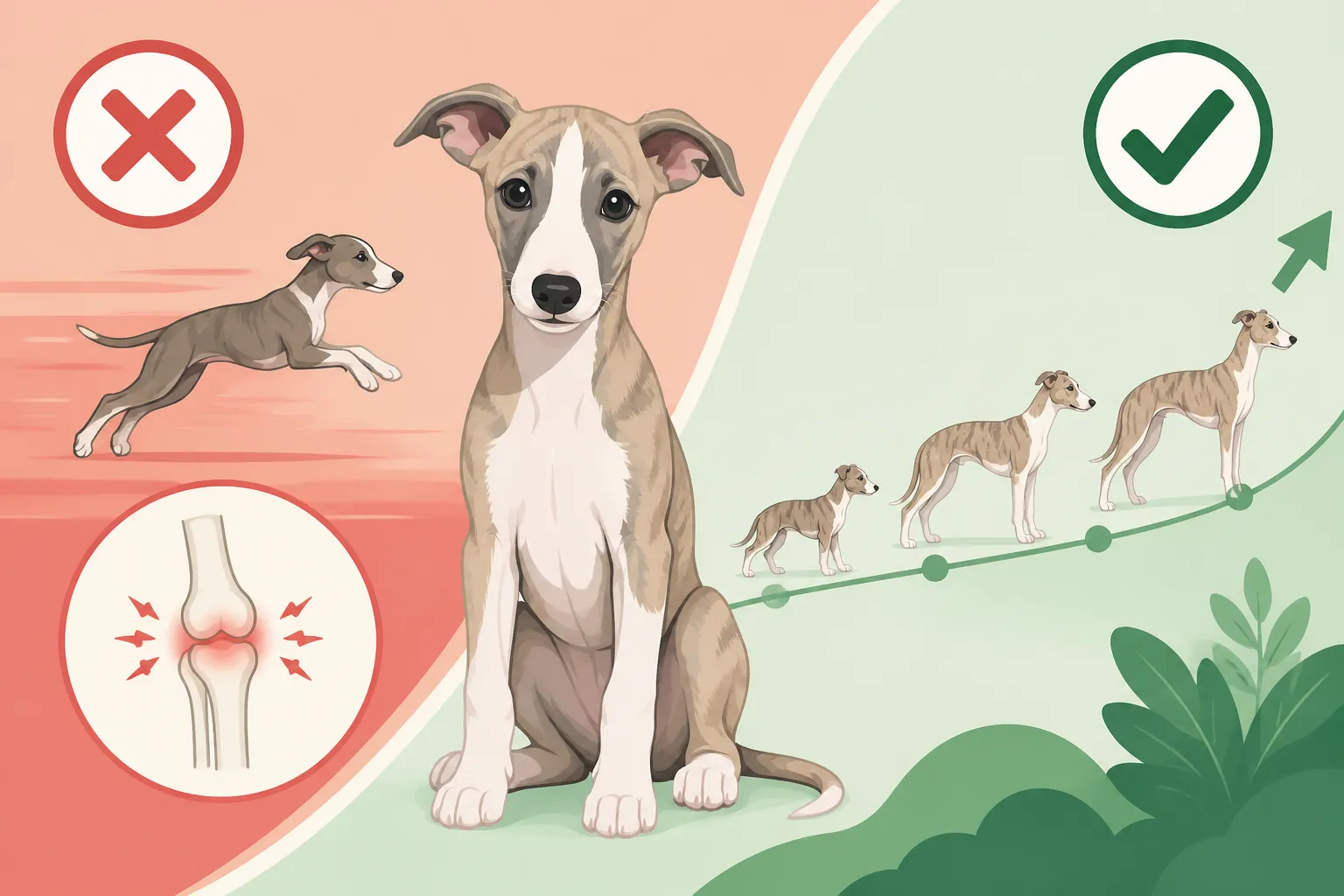
For large and medium-sized breeds, including sighthounds, a slower, more controlled growth rate is generally recommended by veterinary professionals. Rapid growth, often fueled by diets too high in calories or calcium, can put undue stress on a puppy's developing bones and joints. This is particularly crucial for a breed like the Whippet, which relies on sound structure and healthy joints for its natural athleticism throughout its The Twelve to Fifteen Years a Whippet Lives. Over-nutrition in puppyhood has been linked to orthopedic issues such as osteochondrosis (OCD) and other developmental bone disorders, even in breeds not typically predisposed to hip or elbow dysplasia. Allowing your Whippet puppy to grow at a moderate, consistent pace gives their skeletal system time to mature properly, reducing the risk of future joint problems. It's about building a strong foundation, not rushing to reach their adult size.
The Risks of Rapid Growth in Sighthounds
While every puppy owner wants their dog to grow up strong and healthy, for a Whippet, fast growth can be counterproductive and even harmful. Their unique physiology makes them particularly susceptible to issues related to accelerated development. It's important to understand these risks so you can make informed decisions about your puppy's diet and exercise.
Orthopedic Issues and Joint Strain
One of the most significant concerns with rapid growth in any breed, but especially in active sighthounds, is the increased risk of orthopedic problems. When a puppy grows too quickly, their bones can outpace the development of their muscles, ligaments, and tendons. This creates an imbalance that can lead to joint instability and discomfort. For a Whippet, whose entire structure is geared towards powerful, agile movement, compromised joint health can be devastating. Conditions like panosteitis (growing pains) or even more serious developmental bone diseases can be exacerbated by overly fast growth. These aren't just painful; they can impact a dog's quality of life and potentially require costly veterinary interventions. Raising a Whippet Puppy Without Wrecking Its Joints is a topic every owner should understand deeply.
Impact on Overall Health and Lifespan
Beyond joint issues, unnaturally fast growth can put a strain on a Whippet's entire system. The cardiovascular system, still maturing, can struggle with increased body mass. Excessive weight, even in puppyhood, can lead to metabolic issues and set a precedent for obesity later in life, which is a significant risk factor for various diseases. While a Whippet is generally Whether a Whippet Is Cheap to Feed, overfeeding for rapid growth is an expense that can compound into long-term health costs. A steady, moderate growth trajectory supports the harmonious development of all bodily systems, allowing organs, muscles, and bones to grow in sync. This ultimately contributes to a healthier, more resilient adult dog with a better chance at a long, active life.
Nourishing for Steady Growth: Diet and Exercise
Achieving that ideal steady growth means paying close attention to both what your Whippet puppy eats and how much exercise they get. It's a delicate balance, and sometimes the best intentions can lead us astray if we're not informed about the specific needs of sighthounds.
Choosing the Right Food
When it comes to feeding your Whippet puppy, the goal isn't to get them fat, but to provide nutrient-dense food that supports lean muscle development and healthy bone growth without excess calories. Look for high-quality puppy food formulated for medium breeds. While some breeds benefit from large breed puppy formulas that control calcium and phosphorus, for Whippets, a good quality medium breed formula is often appropriate. Avoid "all life stages" foods unless specifically recommended by your vet, as these might not have the precise nutritional balance for growing puppies.
Consider brands that focus on quality ingredients. You might find excellent options available through retailers like Chewy, offering a wide range of premium puppy foods. Some owners also explore fresh food options, which can be fantastic for nutrient absorption, though they require careful balancing to ensure complete nutrition. Brands like Ollie provide pre-portioned fresh food that can simplify this for busy owners. Always consult with your veterinarian about the best food choice for your individual puppy, especially if they have any sensitivities.
| Growth Phase | Approximate Age | Feeding Frequency | Food Type Guidance | Key Focus |
|---|---|---|---|---|
| Early Puppy | 8 weeks – 4 months | 3-4 times daily | High-quality medium breed puppy food | Steady development, adequate energy |
| Mid Puppy | 4 months – 8 months | 2-3 times daily | High-quality medium breed puppy food | Sustained growth, joint support |
| Adolescent | 8 months – 12-18 months | 2 times daily | Transition to adult or specific performance food | Maintaining lean condition, muscle growth |
Remember, these are general guidelines. Each Whippet puppy is an individual, and their caloric needs can vary based on their activity level and metabolism. How Much a Whippet Puppy Eats at Four Months will differ from an older pup, and The Meal Schedule a Whippet Puppy Needs might adjust as they grow.
Appropriate Exercise and Activity Levels
Just as crucial as diet is ensuring your Whippet puppy gets the right amount and type of exercise. It's a common misconception that because Whippets are fast, they need endless hours of strenuous activity as puppies. In reality, sustained, high-impact exercise can be detrimental to their still-developing growth plates and joints.
Puppies need plenty of short, supervised play sessions and opportunities for free play in a safe, enclosed area. Think short sprints, playful tugging, and exploring, rather than forced long runs or intense agility training. A good rule of thumb is about 5 minutes of structured exercise per month of age, twice a day. So, a four-month-old puppy might get two 20-minute sessions of walking or light play.
Avoid activities that involve excessive jumping, twisting, or repetitive impact on hard surfaces. This includes things like jumping off furniture, intense fetching sessions where they stop and turn abruptly, or long runs on concrete. Overdoing it can lead to injuries that impact their long-term soundness. Instead, encourage natural play and short bursts of speed on soft, forgiving surfaces like grass. Whether a Whippet Puppy Should Jump Off Furniture is an important consideration for protecting delicate joints. As they mature, their exercise capacity will naturally increase, allowing them to engage in more vigorous activities.
Monitoring Your Whippet Puppy's Development
Keeping an eye on your Whippet puppy's growth is vital, not just to ensure they're growing at a healthy rate, but also to catch any potential issues early. This isn't about obsessing over every ounce, but understanding what to look for and when to seek veterinary advice.
Regular Weigh-Ins and Body Condition Scoring
One of the best ways to monitor healthy growth is through regular weigh-ins. Weigh your puppy weekly or bi-weekly at home on a reliable scale (you can find affordable pet scales on Amazon or use a human scale by weighing yourself, then holding the puppy and subtracting your weight). Keep a record of their weight. This allows you to see their growth curve and ensure it's steady, not spiking rapidly or plateauing unexpectedly.
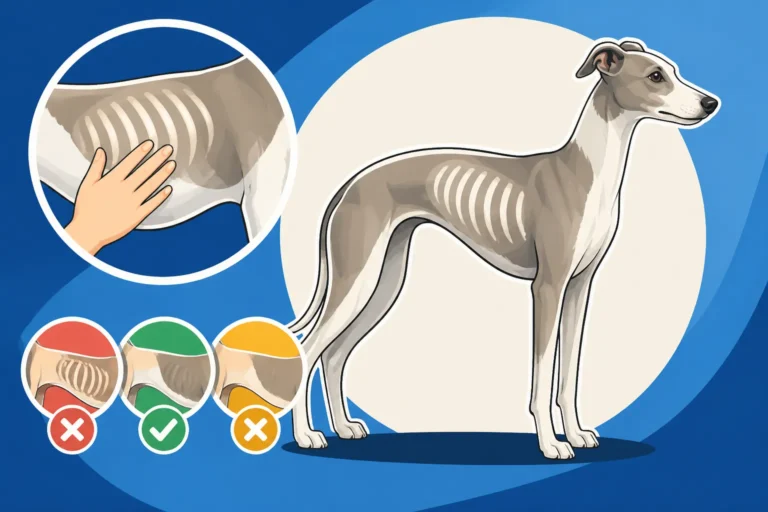
Equally important is body condition scoring (BCS). This is a visual and tactile assessment of your puppy's fat reserves and muscle mass. For a Whippet, you should be able to easily feel their ribs, but not see them prominently protruding like individual bones. You should also see a distinct waist when viewed from above and a noticeable abdominal tuck from the side. If their ribs are completely obscured by fat, or if you can see every rib, vertebra, and hip bone starkly, it's time to adjust their diet or consult your vet.
| Body Condition Score | Description for Whippet Puppy | Action Needed |
|---|---|---|
| Too Thin | Ribs, spine, hip bones very prominent; no fat visible; severe abdominal tuck. | Increase food gradually, consult vet. |
| Ideal | Ribs easily felt but not sharply visible; distinct waist and abdominal tuck; minimal fat covering. | Maintain current feeding/exercise. |
| Too Heavy | Ribs difficult to feel; no visible waist or abdominal tuck; rounded appearance. | Reduce food, increase appropriate exercise, consult vet. |
Your vet will also use BCS during regular check-ups and can give you personalized guidance. Remember, a Whippet's ideal weight is often less than what people assume for a dog of its height, as their build is so slight. What an Adult Male Whippet Weighs and What an Adult Female Whippet Weighs can give you an idea of their final size, but the journey to get there is key.
When to Consult Your Veterinarian
While growth rates can vary slightly between individuals, certain signs warrant a call to your vet. If your puppy is consistently losing weight, failing to gain any weight, or has a sudden, drastic drop in growth rate, it could indicate an underlying health issue. Conversely, if your puppy is gaining weight extremely rapidly and becoming noticeably padded or chunky, your vet can help you adjust their diet to prevent orthopedic problems.
Other red flags include any lameness, limping, reluctance to play, or signs of pain when moving. These could be indicators of orthopedic issues related to growth. Your vet is your best resource for personalized advice on your Whippet puppy's nutrition and development. They can perform health checks, recommend appropriate food, and rule out any medical conditions that might be affecting growth. It’s always better to be proactive and seek professional guidance if you have any concerns about your precious pup's journey to adulthood.
Disclaimer
This article is for general informational purposes only and does not constitute professional advice. Laws, prices and regulations vary by location and change over time. Consult a qualified professional for guidance on your specific situation.