The Signs a Whippet Is Getting Old
Watching your beloved Whippet start to slow down can be a really difficult thing to witness. One day they're zooming around the yard, chasing squirrels with wild abandon, and the next, you notice they're a little stiffer getting up, or perhaps sleeping a lot more. It's a natural part of life, but it doesn't make it any easier. This guide is here to help you understand the subtle and not-so-subtle signs that your Whippet is entering their golden years, so you can provide them with the best possible comfort and care as they gracefully age.
Physical Changes as Your Whippet Gets Older
Just like us, Whippets show their age through their bodies. It’s not always a sudden shift; often, it’s a gradual accumulation of little things that, when you look back, tell a clear story of time passing. Being observant of these physical cues allows you to address their needs proactively.
Stiffness and Reduced Mobility
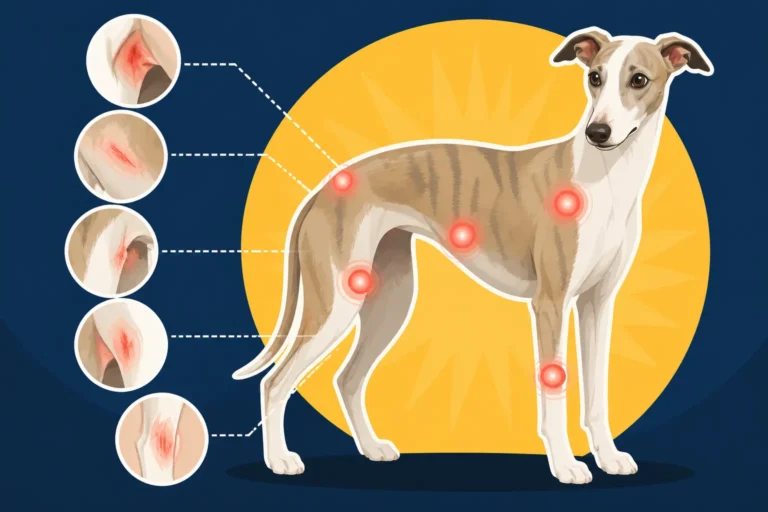
One of the most common signs you'll notice is a change in how your Whippet moves. That once effortless leap onto the sofa might become a more considered climb, or they might even ask for help. They might be slower to rise after a long nap, stretching out their limbs a little longer before fully getting up. This stiffness can often be attributed to arthritis or general joint wear and tear that comes with age.
It’s important to distinguish between a temporary stiffness from overexertion and a persistent, daily stiffness. If your Whippet is consistently moving more slowly, or seems reluctant to engage in activities they once loved, it's a good indicator that their joints are starting to feel the effects of time. You might notice they prefer softer places to lie down, seeking out more comfortable beds. Consider investing in some Beds That Suit an Arthritic Whippet to help alleviate pressure points and provide better support.
Changes in Coat and Skin
A Whippet's coat is usually sleek, fine, and shiny. As they age, you might notice some subtle changes. The coat can become a bit thinner in places, or perhaps a little coarser to the touch. You might also start to see more gray hairs, especially around their muzzle and eyes, giving them that distinguished, wise old look.
Their skin, already delicate, can become even thinner and more prone to tearing. This means you need to be extra vigilant about bumps and scrapes. What might have been a minor brush-off in their younger years could now result in a trip to the vet for stitches. Regularly checking their skin for any unusual lumps, bumps, or dry patches is crucial. Also, be mindful of sun exposure on their thinly haired areas, as their skin can burn easily.
Weight Fluctuations and Muscle Loss
Many older Whippets tend to lose some muscle mass, particularly over their hindquarters and along their spine. This can make them look even leaner than their already slender physique. Conversely, some older Whippets might gain weight if their activity level decreases but their food intake remains the same. Maintaining a healthy weight is absolutely critical for senior Whippets, as excess weight puts extra strain on aging joints and organs.
It’s a fine balance to strike. You want to ensure they're getting enough calories and nutrients to support their body, but not so much that they become overweight. Consult your vet about appropriate senior dog food options and portion sizes. You might find that Feeding an Old Whippet requires a slightly different approach than when they were in their prime.
Vision and Hearing Decline
Just like people, Whippets can experience a decline in their sight and hearing as they age. You might notice your Whippet bumping into furniture in dimly lit rooms, or perhaps hesitating more on walks, especially in unfamiliar environments. Their eyes might develop a cloudy appearance, known as lenticular sclerosis, which is often a normal aging change and usually doesn't significantly impair vision. However, true cataracts can develop and impact their sight more severely.
Hearing loss can be trickier to spot. You might initially attribute their lack of response to being stubborn or deeply asleep. If they no longer come running when you call their name from another room, or they startle more easily when approached from behind, it could be a sign their hearing is fading. When these senses diminish, routines become even more important for their sense of security.
Behavioral Shifts in Senior Whippets
Beyond the physical, a Whippet’s personality and daily habits can also evolve as they age. These changes are often intertwined with their physical comfort and cognitive function.
Increased Sleep and Reduced Energy
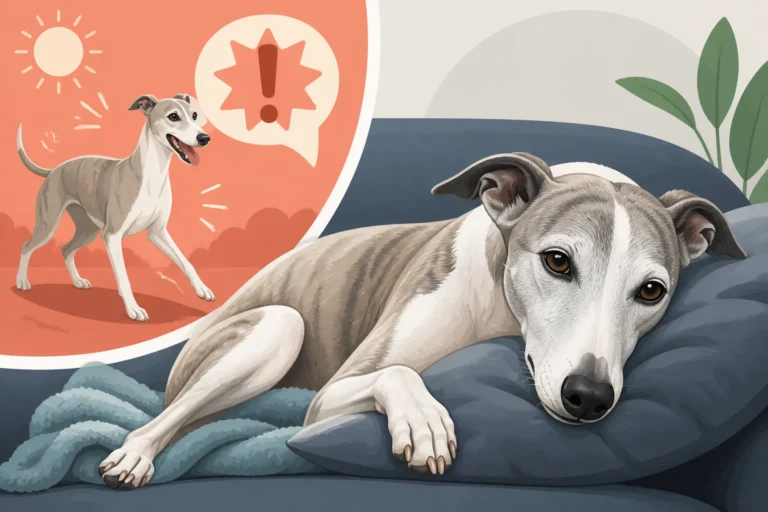
One of the most noticeable behavioral shifts in an aging Whippet is an increase in their sleep and a general decrease in energy levels. Your "forty mile an hour couch potato" might lean more heavily into the "couch potato" side. They'll spend more time napping throughout the day and might be less enthusiastic about long walks or vigorous play sessions. This isn't necessarily a bad thing; it's simply their body telling them they need more rest.
While they might not have the boundless energy of their youth, it doesn't mean they don't still enjoy activity. Short, gentle strolls are often still very much appreciated, and mental stimulation through puzzle toys or gentle training sessions can keep their minds sharp. Don't be surprised if they're still up for a good sprint now and then, but these bursts will likely be shorter and less frequent. It's important to respect their new rhythm and allow them to rest when they need to. After all, Whether an Old Whippet Still Wants to Run might depend entirely on how they feel on any given day.
Changes in Routine and Habits
Older Whippets often become creatures of habit, finding comfort in predictable routines. Any disruption to their schedule, whether it's meal times, potty breaks, or walk times, might cause them a bit more stress or confusion than it once did. You might notice them needing to go outside more frequently, or even having accidents in the house if they can't hold it as long. This isn't usually an act of defiance, but a physical limitation.
Their preferences for interaction might also change. While still loving cuddles, they might prefer quieter moments rather than boisterous play. Some senior Whippets can also develop what's known as Canine Cognitive Dysfunction (CCD), similar to dementia in humans. Signs can include disorientation, changes in sleep-wake cycles, altered interactions with family members, and house-soiling. If you notice these more significant shifts, it's crucial to discuss them with your veterinarian. Whether an Old Whippet Gets Confused is a serious concern that warrants professional attention.
Increased Sensitivity or Anxiety
As a Whippet ages, they can become more sensitive to changes in their environment, loud noises, or even the approach of strangers or unfamiliar dogs. This can manifest as increased anxiety, clinginess, or even grumpiness. Their diminishing senses might make them feel more vulnerable, leading them to seek reassurance from their humans more often. You might find they want to be closer to you, perhaps following you from room to room or insisting on sleeping even nearer than before.
It’s important to create a calm, predictable environment for them, offering comfort and patience. If their anxiety seems severe or is causing distress, a vet can rule out underlying medical issues and suggest strategies to help manage it, from environmental adjustments to potential medications or supplements. Showing them extra love and understanding during this time is paramount.
Common Health Concerns for Senior Whippets
Aging brings with it a higher risk of various health conditions. Being aware of these common issues allows for early detection and management, which can significantly improve your Whippet’s quality of life. Regular veterinary check-ups become even more crucial as your dog ages.
Cardiac Health
Heart conditions are a significant concern for aging Whippets. One of the most common issues is Mitral Valve Disease, which is unfortunately Mitral Valve Disease Is What Ends Most Old Whippets. You might notice a cough, especially at night or when resting, decreased stamina, or changes in their breathing. Your vet will typically listen for heart murmurs during routine exams, which can be an early indicator of a problem.
Early detection of heart issues allows for management that can slow progression and improve your Whippet's comfort. This might involve diet changes, activity modification, and medications. While a strong, athletic heart is normal for a Whippet, any changes warrant immediate investigation.
Kidney Function
As Whippets age, their kidneys, like any other organ, can start to lose some efficiency. Kidney disease can be insidious, with signs often not appearing until the disease is quite advanced. Common symptoms might include increased thirst, more frequent urination, decreased appetite, lethargy, or weight loss.
Routine senior blood work is incredibly important for catching kidney issues early. Your vet will look at specific markers in their blood and urine to assess kidney function. If caught early, dietary changes and certain medications can help support kidney health and slow the progression of the disease, extending your Whippet's comfortable lifespan. This is where comprehensive pet insurance like Healthy Paws can truly make a difference, covering the costs of ongoing blood tests and special diets.
Dental Disease
Dental health is often overlooked until it becomes a significant problem, and it's definitely a major concern for aging Whippets. They are prone to tartar buildup, which can lead to gum disease, painful infections, and even tooth loss. Bad breath is a strong indicator of dental disease, but a thorough examination is needed to assess the extent of the problem.
Regular dental care, including professional cleanings under anesthesia, is vital. While the idea of anesthesia for an older dog can be worrying, the benefits of addressing painful dental issues often outweigh the risks, especially when following a Why a Whippet Needs a Sighthound Anesthesia Protocol. Poor dental health doesn't just cause mouth pain; bacteria from infections can spread through the bloodstream, affecting vital organs like the heart and kidneys. You may even find that Whether a Whippet's Teeth Need Scaling Often becomes a more frequent recommendation.
Cancer
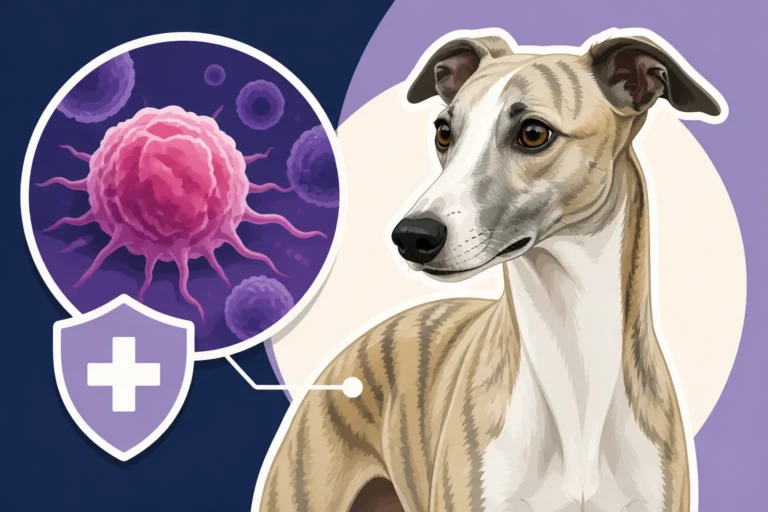
Unfortunately, cancer is a leading cause of death in older dogs, and Whippets are no exception. Lumps and bumps can appear with age, and while many are benign fatty tumors (lipomas), any new or changing growth should be examined by your vet. Be vigilant for unexplained weight loss, changes in appetite, persistent lameness, or any unusual swelling.
Regular full-body checks at home, where you gently feel for any abnormalities, can help you catch things early. If you find something suspicious, your vet can perform a fine needle aspirate or a biopsy to determine its nature. Early detection and treatment can make a significant difference in outcomes.
Supporting Your Senior Whippet
Making adjustments to your home and routine can dramatically improve your aging Whippet's comfort and happiness. It’s about creating an environment that caters to their evolving needs, recognizing that their world is changing.
Environmental Adjustments and Comfort
Think about your home from your Whippet's perspective. Are there slippery floors that make it hard for them to get traction? Rugs or runners can help prevent slips and falls. Is their favorite sleeping spot drafty or hard? Ensure they have multiple soft, supportive beds around the house. For a breed with such little body fat, A Whippet Has No Insulation and No Padding, so keeping them warm is paramount, especially as they get older.
Consider ramps for getting onto the sofa, bed, or into the car, rather than expecting them to jump. This reduces strain on their aging joints. Nightlights can also be helpful for those with diminishing vision, preventing disorientation during nocturnal wanderings. Think about their comfort zones and make them as accessible and cozy as possible.
Nutrition and Hydration
As your Whippet ages, their nutritional needs may change. They might require fewer calories if their activity level has decreased, or they might need a diet formulated to support joint health, kidney function, or cognitive decline. Some senior Whippets can become pickier eaters, so finding a food they enjoy is important to ensure they maintain good health.
Always ensure they have access to fresh, clean water. Hydration is crucial for kidney health and overall well-being. If they're not drinking enough, you might consider adding a little water or broth to their food, or offering a pet fountain to encourage intake. Discuss any dietary changes with your vet to ensure they're getting the right balance of nutrients.
Routine Veterinary Care and Monitoring
Regular vet visits become even more critical for senior Whippets. Many vets recommend twice-yearly check-ups for older dogs to catch potential health issues as early as possible. These visits will typically include a thorough physical examination, blood work to check organ function, and urine analysis.
These routine checks are your best defense against insidious diseases. Being open with your vet about any small changes you've noticed in your Whippet's behavior or physical state is vital. No concern is too small when it comes to their comfort and well-being. Having a robust pet insurance plan like Healthy Paws can provide immense peace of mind, knowing that you're prepared for the increased veterinary care costs that often come with a senior dog, allowing you to focus on their health rather than the bill. Remember that What a Sighthound Vet Costs Over a Whippet's Life can add up, and proactive care is always better than reactive care.
Emotional Support and Quality of Life
Beyond the physical and medical, your senior Whippet needs emotional support. They might rely on you more for comfort and reassurance. Spend quality time with them, even if it's just gentle petting sessions, quiet snuggles on the sofa, or short, leisurely walks. Their world might be shrinking, and your presence becomes even more central to their happiness.
It's natural to feel sad as you see your Whippet age, but try to focus on making their remaining years as comfortable and joyful as possible. There comes a time when we, as pet parents, have to consider the difficult decision of quality of life. This is a deeply personal choice, often made in consultation with your vet, and centers around Knowing When an Old Whippet Has Had Enough. It's a testament to the love we have for them. Cherish these golden years, for they are truly precious. After all, you want to make every moment count during The Twelve to Fifteen Years a Whippet Lives they have with you. This journey of Caring for a Whippet Past Ten is a profound bond.
| Sign of Aging | Description & What to Watch For | Potential Action & Support |
|---|---|---|
| Reduced Mobility | Stiffness, slower getting up, reluctance to jump, difficulty with stairs. | Soft, orthopedic beds; ramps; gentle, shorter walks; joint supplements; vet consultation for pain management. |
| Increased Sleep | More frequent or longer naps throughout the day, less active play. | Respect their need for rest; short, gentle exercise; mental stimulation (puzzle toys); cozy, accessible sleeping spots. |
| Coat/Skin Changes | Thinner coat, graying muzzle, drier skin, easier tearing, new lumps/bumps. | Regular gentle grooming; protective coats in cold weather; sun protection; prompt vet check for new growths or skin injuries. |
| Weight Fluctuations | Muscle loss (especially hindquarters) or unexpected weight gain. | Monitor weight; adjust diet with vet guidance; balanced senior food; regular, appropriate exercise. |
| Decreased Vision/Hearing | Bumping into objects, startling easily, not responding to commands. | Maintain consistent home layout; use verbal cues (if still hearing) or hand signals; approach from front; nightlights. |
| Behavioral Changes | Increased anxiety, confusion, clinginess, house-soiling, altered routines. | Maintain routine; provide comfort & reassurance; discuss with vet (ruling out medical, cognitive decline assessment). |
| Dental Issues | Bad breath, visible tartar, difficulty eating, pawing at mouth. | Regular dental checks; professional cleanings as recommended by vet; daily tooth brushing (if tolerated). |
| Coughing/Breathing Changes | Persistent cough (especially at night), increased breathing effort, reduced stamina. | Immediate vet visit for cardiac assessment; monitor breathing rate; medication as prescribed. |
Disclaimer
This article is for general informational purposes only and does not constitute professional advice. Laws, prices and regulations vary by location and change over time. Consult a qualified professional for guidance on your specific situation.