The Pressure Sores a Whippet Gets From Sleeping on the Floor
It’s a sight that can make any Whippet owner’s heart sink: that tell-tale red patch, a developing callus, or even an open sore on your beloved dog’s elbow, hip, or sternum. Despite our best intentions to provide a soft, loving home, Whippets are incredibly prone to pressure sores due to their unique physiology. This guide will walk you through understanding why these painful spots appear, how to prevent them, and what to do if your Whippet develops one, ensuring your sleek companion stays comfortable and healthy.
Understanding Why Whippets Get Pressure Sores
Whippets are magnificent creatures, built for speed and elegance, but their very design makes them vulnerable to certain ailments that other breeds rarely encounter. Their lean, athletic bodies, while beautiful, lack the natural padding that protects many other dogs from hard surfaces.
The Lack of Natural Padding
Picture a Labrador or a Golden Retriever – they have a good layer of fat and muscle that acts like a built-in cushion. Now picture your Whippet: sleek, refined, with muscle definitions you can practically trace with your finger. This is part of their charm and what makes them such incredible athletes, but it also means they have very little natural insulation or padding between their skin and their bones. When they lie down, especially on a hard surface like a tile floor, concrete, or even a thinly carpeted room, there's nothing to absorb the impact or distribute the pressure.
This lack of padding is a fundamental aspect of their breed, not a sign of them being underweight (unless they are, of course). It means that areas where bone is close to the surface – elbows, hips, hocks, and even parts of their spine – bear the full brunt of their body weight. Over time, this constant pressure restricts blood flow to the skin and underlying tissues, leading to irritation and eventually, tissue damage. It’s why you might worry about your Whippet being "too thin," but it's often just their natural conformation. A Whippet Has No Insulation and No Padding explores this in more detail.
Bony Protrusions and Thin Skin
Compounding the issue of minimal padding are the sharp, prominent bony protrusions inherent to the Whippet's structure. Their elbows aren't cushioned by thick muscle, nor are their hocks, hips, or the points of their shoulders. These areas are literally designed to be efficient for movement, not for lounging on unforgiving surfaces. When a Whippet settles down, these points press directly into the ground.
Furthermore, Whippets have notoriously thin, delicate skin. This isn't just about their short coat; the skin itself is less robust than that of many other breeds, making it more susceptible to damage from friction and pressure. A slight scrape that might barely mark another dog could cause a deep laceration on a Whippet. This combination of prominent bones and fragile skin creates a perfect storm for pressure sores to develop, turning seemingly harmless resting spots into potential hazards.
The Whippet's Love for Hard Surfaces
This is one of those frustrating Whippet quirks: despite having multiple luxurious, soft beds available, many Whippets will still choose to flop down on the coldest, hardest surface they can find – the kitchen tiles, the entryway linoleum, or a bare patch of floor. It’s often because they regulate their body temperature differently. With their low body fat, they can get quite warm indoors, especially if they’ve been active or are just naturally toasty. A cold, hard floor feels like a wonderful relief to them, drawing away excess body heat.
As owners, we often find ourselves in a constant battle, trying to coax them onto soft bedding while they stubbornly return to the cool, hard floor. This preference, though perfectly understandable from their perspective, inadvertently exacerbates their susceptibility to pressure sores. It becomes a delicate balance of providing comfort and warmth when needed, but also understanding their need to cool down, ideally offering them cool and soft surfaces, rather than just hard ones. Why a Whippet Cannot Sleep on a Hard Floor dives deeper into this common dilemma.
Common Areas Where Pressure Sores Develop
Understanding where these sores are most likely to appear is crucial for proactive prevention and early detection. Whippets have several 'hot spots' where their bony structure and lack of padding combine to create vulnerable areas.
Elbows and Hocks: The Grounding Points
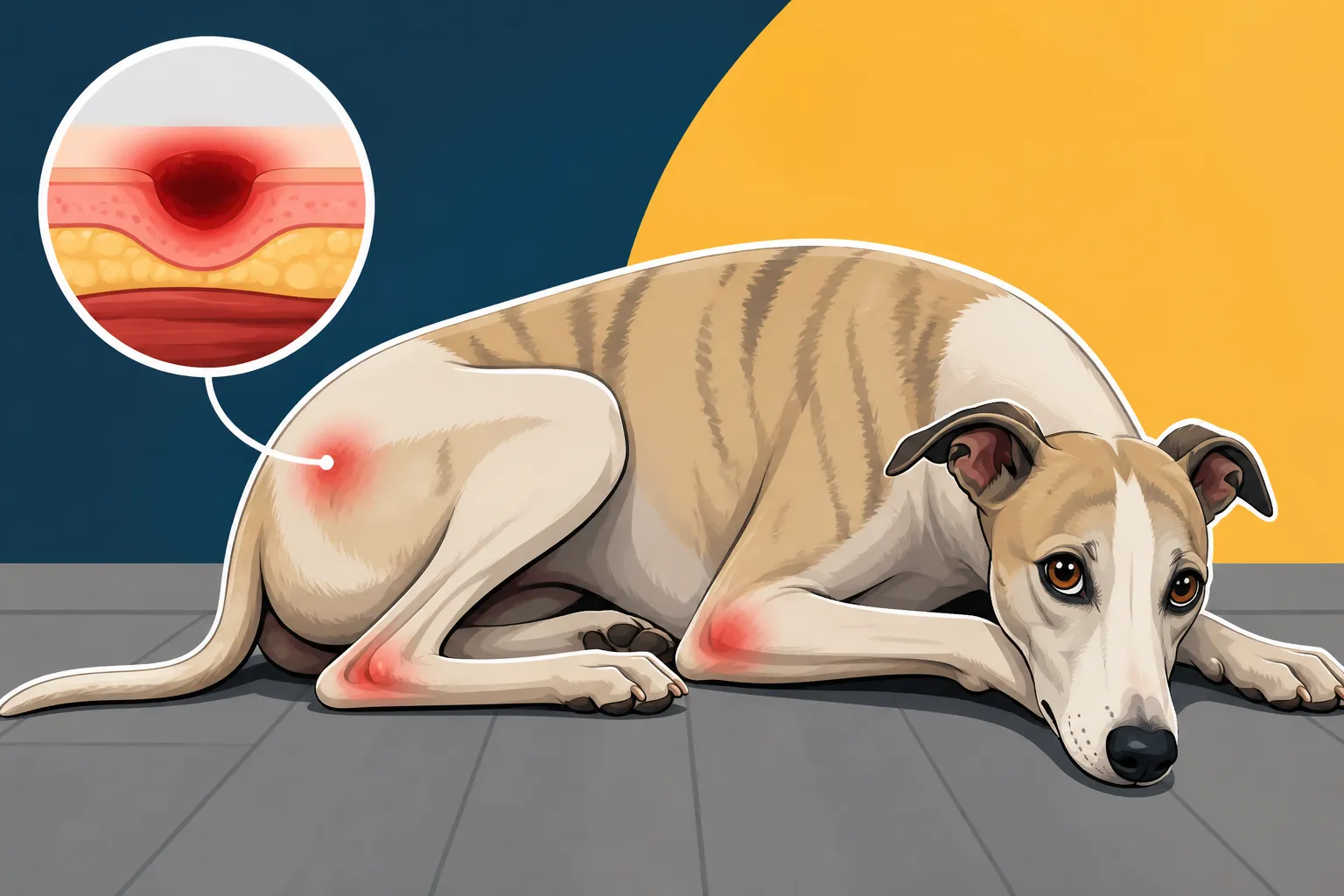
When a Whippet lies down, whether stretched out on their side or curled in a tight donut, their elbows and hocks (the joint just above their back paws, equivalent to our ankles) are almost always making contact with the ground. These are the primary weight-bearing points, essentially acting as anchors when they rest. Over time, the constant pressure and friction on these specific areas can lead to significant problems.
You'll often notice a small bald spot beginning to form on the point of the elbow, perhaps a little pinker than the surrounding skin. This is the initial stage, and if left unaddressed, this area can thicken, darken, and develop into a tough, hairless callus that can eventually crack or ulcerate. The hocks can suffer similarly, though often to a lesser degree than the elbows. Regular checks of these spots are vital. Whether a Whippet Gets Calluses on Its Elbows discusses this specifically.
Hips and Shoulders: Hidden Aches
While less obvious than the elbows, the points of a Whippet's hips and shoulders are also highly susceptible to pressure damage, especially if your dog tends to favor one side when sleeping or spends a lot of time lounging on their side. The bony protrusions here press against hard surfaces, and because they're often covered by a bit more muscle or skin than the elbows, changes might be less immediately visible.
A developing sore on the hip might feel like a thickened patch of skin, sometimes warmer to the touch, and can eventually lead to hair loss in the area. Shoulder sores might present similarly. These spots can be particularly painful because the dog uses these joints for movement, making even mild irritation uncomfortable. Observing your Whippet's preferred sleeping positions can give you clues as to which hip or shoulder might be at greater risk. Whether a Whippet Gets Sores on Its Hips offers more insights into managing these areas.
Spine and Sternum: Surprisingly Vulnerable
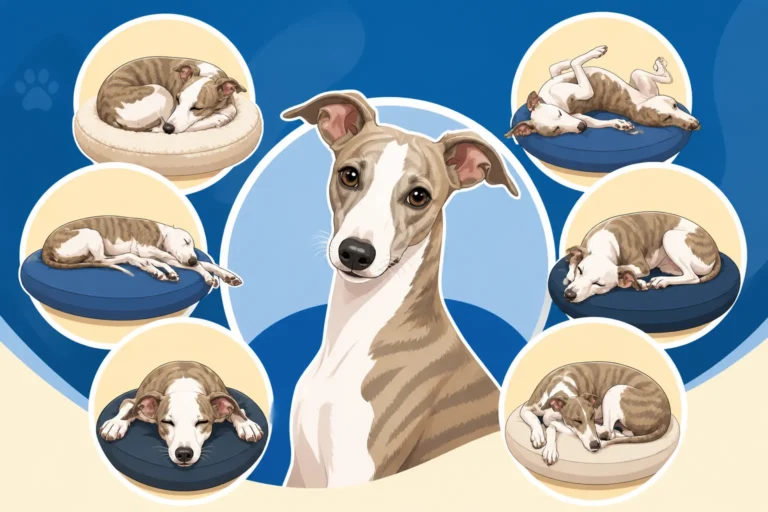
It might seem counterintuitive, but even the spine and sternum (breastbone) can become problematic areas for pressure sores, particularly in Whippets who enjoy sleeping flat on their backs with their legs splayed out or those who sleep curled tightly with their sternum pressed into the floor. The dorsal spines along their back, while protected by some muscle, are still quite prominent, and if a dog habitually lies in a way that puts sustained pressure on one spot, a sore can develop.
The sternum, especially the lower part where it meets the abdomen, can also be a high-pressure point. When a Whippet lies stretched out on their belly or curls up with their chest against a hard floor, the sternum acts as a fulcrum. These areas, while perhaps less common than elbow calluses, require just as much attention. Any reddened skin, hair loss, or sensitivity along the spine or on the sternum should prompt you to assess their bedding situation and sleeping habits.
Recognizing the Signs of a Developing Pressure Sore
Early detection is your best friend when it comes to pressure sores. The quicker you spot the initial signs, the easier it is to prevent them from escalating into something more serious and painful for your Whippet. Regular, gentle inspections are key.
Redness and Irritation: The First Warning
The very first sign that a pressure sore might be developing is often a patch of reddened skin. On a Whippet's delicate, often pale skin, this can be quite noticeable. It might appear as a pinkish or reddish flush on an elbow, hip, or hock. This redness indicates increased blood flow to the area, a response to the constant pressure and mild inflammation. It might also feel a little warmer than the surrounding skin.
At this stage, your Whippet might not show any signs of discomfort, or they might simply adjust their sleeping position more frequently. This is your critical window for intervention. If you spot redness, it's time to double down on soft bedding, monitor the spot closely, and ensure the area is clean and dry. Ignoring it can quickly lead to the next, more concerning stage.
Hair Loss and Thickened Skin: The Callus Stage
If the pressure and irritation continue, the affected area will likely start to show signs of hair loss. The delicate hair follicles are damaged by the constant friction and lack of blood flow, causing the fur to thin and eventually disappear entirely. At the same time, the skin itself will begin to thicken and harden as a protective response. This is the formation of a callus.
A callus can feel rough, leathery, and often appears darker than the surrounding skin, sometimes a grayish or even blackish hue. While a callus itself isn't an open wound, it signifies chronic irritation and a compromised skin barrier. These thickened patches are prone to drying out, cracking, and becoming infected, especially in areas like the elbows where they are constantly rubbing against surfaces. This stage is a clear indication that more aggressive preventative measures are needed. Whether a Whippet's Bald Elbows Grow Hair Back discusses the potential for hair regrowth in these areas.
Open Sores and Infections: When It Becomes Serious
This is the stage every Whippet owner dreads, and it’s when a pressure sore moves from a cosmetic or minor irritation to a serious health concern requiring immediate veterinary attention. If a callus continues to be subjected to pressure and friction, or if it dries out and cracks deeply, the skin can break open. This creates an open wound, or ulcer, which is incredibly painful and a direct pathway for bacteria to enter the body.
Once open, pressure sores can quickly become infected, leading to swelling, pus, foul odor, and systemic signs of illness such as lethargy or fever. The infection can spread to deeper tissues, including bone, making treatment much more challenging. If you ever find an open, weeping, or pus-filled sore on your Whippet, do not delay in contacting your veterinarian. This is an emergency, and professional medical care is essential to prevent severe complications and ensure proper healing.
Preventing Pressure Sores: Creating a Soft Environment
Prevention truly is the best medicine when it comes to Whippet pressure sores. By proactively creating an environment that supports their delicate bodies, you can significantly reduce the risk of these painful lesions developing.
The Importance of High-Quality Bedding
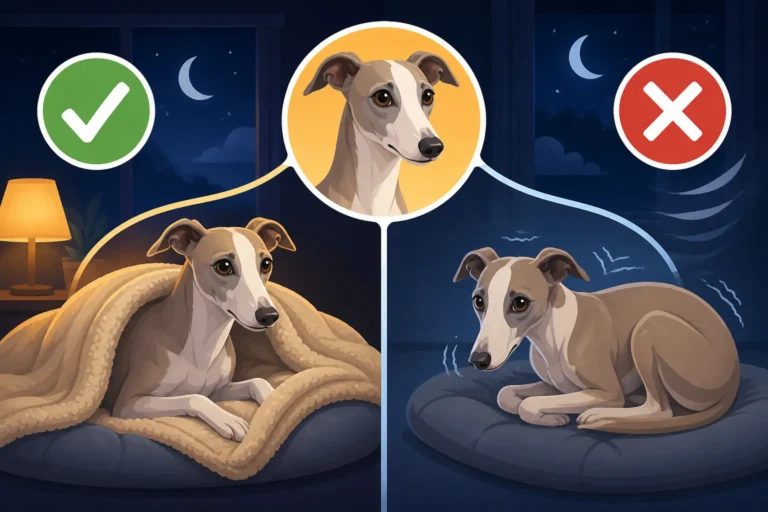
This cannot be stressed enough: every Whippet needs ample, high-quality, orthopedic bedding strategically placed throughout your home. Forget flimsy dog beds or thin blankets; your Whippet needs serious cushioning. Look for beds with dense memory foam or thick, supportive bolsters that elevate their body off the hard floor and distribute weight evenly. Brands like Orvis, Big Barker, or even some offerings found on Chewy or Amazon often provide the necessary density. The key is that when your Whippet lies down, their bony points do not sink through the bed to touch the floor underneath.
Consider having multiple beds in different rooms, especially in areas where your Whippet loves to nap or rest. This includes main living areas, bedrooms, and even a well-padded crate if they use one. The investment in good bedding is far less costly, both financially and emotionally, than treating a severe pressure sore. Regularly check the integrity of the beds – memory foam can compress over time, losing its supportive qualities, so replacement might be necessary. Whether a Whippet Needs Memory Foam explains why this type of bedding is often ideal.
Strategic Placement of Beds and Mats
It’s not enough to just have great beds; their placement is equally important. Think about where your Whippet naturally gravitates. Do they love to sprawl by a sunny window? Do they prefer the cool tiles of the kitchen after a run? Observe their habits. Place a plush, supportive bed in their favorite sunbeam spot, or consider a cooling gel mat (with a soft cover) on the kitchen floor where they might prefer to lie.
For areas where a full bed isn't practical, such as by a back door or in a travel crate, consider thick, comfortable mats or even a folded comforter. The goal is to eliminate any instance where your Whippet chooses to lie directly on a hard, unyielding surface. This might mean having what feels like an absurd number of beds and mats around your house, but remember, for a Whippet, a soft surface isn't a luxury; it's a necessity for their physical well-being. How Many Beds a Whippet Needs in a House offers more guidance on covering your bases.
Encouraging Soft Sleeping Habits
While we can't force our Whippets to sleep on a bed, we can certainly encourage it. Make their beds the most inviting places in the house. You can warm a bed gently with a blanket from the dryer in winter, or place a favorite toy or treat on it. If your Whippet consistently seeks out cold, hard spots, consider if your home is too warm for them. Offering cooler soft bedding, or placing beds in shadier, naturally cooler areas, might appeal more to their need for temperature regulation.
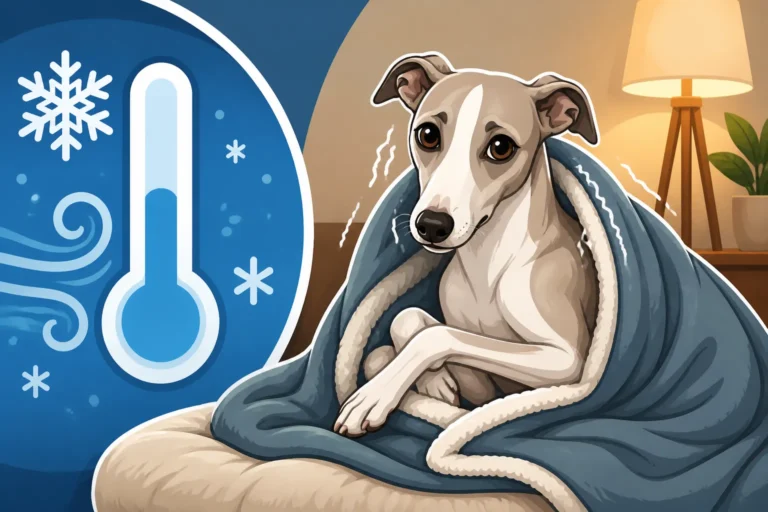
Gentle redirection can also work. If you see them about to lie on a hard floor, gently guide them to a nearby bed and praise them when they settle there. Over time, they’ll associate the soft beds with comfort and positive attention. It's a continuous effort, but consistent encouragement and thoughtful placement of truly comfortable options can shift their preferences towards softer surfaces, protecting those vulnerable bony points. Whether a Whippet Should Sleep Under a Blanket also touches on creating an irresistible sleep environment.
Treating Existing Pressure Sores
Despite your best efforts, a pressure sore might still develop. Knowing how to react swiftly and appropriately can make a huge difference in your Whippet's comfort and recovery.
First Aid for Mild Sores
For very mild cases – think just a bit of redness or the very beginning of a callus with no broken skin – you can often start with some at-home first aid. The absolute priority is to eliminate the pressure on the affected area. This means ensuring your Whippet is only resting on soft, well-padded surfaces. If the sore is on an elbow, for instance, make sure they have an exceptionally soft bed to lie on, and even consider a soft, fitted sleeve or light bandage (applied by a vet or with vet guidance) to cushion the area further.
Keep the area meticulously clean and dry. Gently wash the skin with a mild, dog-safe antiseptic solution (like dilute chlorhexidine) and pat dry thoroughly. You can apply a thin layer of a soothing, pet-safe balm or moisturizer, especially to calluses, to prevent them from drying out and cracking. Aloe vera gel or calendula cream are often good choices, but always check with your vet first to ensure it's appropriate and won't be licked off and ingested in harmful quantities. Monitor the area daily for any worsening or signs of infection. What Belongs in a Whippet Owner's First Aid Kit can help you gather necessary supplies.
When to Seek Veterinary Attention
It is absolutely crucial to know when a pressure sore requires professional veterinary care. Do not hesitate to contact your vet if you observe any of the following:
- Broken Skin: Any open wound, crack, or ulceration.
- Signs of Infection: Redness that spreads, swelling, warmth to the touch, pus, foul odor, or if your Whippet seems feverish or lethargic.
- Pain: If your Whippet yelps when the area is touched, limps, or avoids putting weight on a limb.
- No Improvement: If a mild sore doesn't show signs of improvement within a few days of home care.
- Rapid Worsening: If the sore quickly gets larger or more inflamed.
Your vet might prescribe antibiotics, pain medication, or special wound dressings. They can also properly clean and debride (remove dead tissue) the wound, which is vital for healing but not something to attempt at home. Remember, infections can quickly become systemic and very serious, so prompt veterinary intervention is key to a full recovery. What Repairing a Whippet's Skin Tear Costs gives some idea of the financial side of these issues, highlighting the value of prevention.
Long-Term Management and Healing
Healing a pressure sore, especially an open one, can be a slow and frustrating process. Consistency is key. Your vet will likely give you specific instructions for wound care, which might include daily cleaning, applying topical medications, and changing bandages. It’s imperative to follow these instructions precisely. You’ll need to prevent your Whippet from licking or chewing the sore, which often means an Elizabethan collar (the "cone of shame") or a comfortable inflatable collar. Whether a Whippet Should Wear a Cone After Stitches is a good read on this topic.
Long-term management also involves a complete re-evaluation of your home environment. Are there still hard surfaces your Whippet can access? Do their beds need upgrading or replacing? Are they lying in a way that continues to put pressure on the healing area? You might need to experiment with different bed types, shapes, or even custom-made protective garments to ensure the area remains unpressured. Healing can take weeks or even months, and vigilance is required to prevent recurrence.
Diet and Nutrition's Role in Skin Health
While external measures are paramount, what goes into your Whippet's body plays a significant role in the overall health and resilience of their skin. A well-nourished Whippet is better equipped to heal and resist skin issues.
Essential Nutrients for Skin and Coat
A healthy coat and resilient skin begin with a balanced diet rich in essential nutrients. Protein, for instance, is fundamental, as skin and hair are primarily made of protein. Look for high-quality animal proteins as the first ingredients in your dog's food. Omega-3 fatty acids, found in fish oil and some plant sources, are incredibly important for skin barrier function, reducing inflammation, and promoting a supple coat. Many owners supplement with fish oil, which can be easily found on platforms like Chewy or Amazon.
Vitamins and minerals also play a vital role. Vitamin E is an antioxidant that supports skin health, while zinc is crucial for wound healing and immune function. A complete and balanced dog food should provide these, but sometimes, a vet might recommend specific supplements if your Whippet has ongoing skin issues. Companies like Ollie, known for fresh, human-grade ingredients, often formulate their meals with these skin-supporting nutrients in mind.
Maintaining Ideal Body Condition
It might seem counterintuitive when talking about "lack of padding," but maintaining your Whippet at their ideal body condition is crucial. While a Whippet should always be lean, with visible ribs (usually 2-3) and a prominent tuck-up, being underweight can exacerbate pressure sore problems. If they are truly too thin, they have even less natural cushioning, making their bony protrusions even more pronounced against surfaces.
Conversely, being overweight, while rare for the breed, can also be detrimental by putting undue stress on joints and making it harder for them to shift positions comfortably. Your vet can help you assess your Whippet's body condition score. The goal is a lean, athletic physique where you can easily feel their ribs but not see them sharply protruding, and their hip bones are palpable but not jutting out. How Thin a Whippet Should Look and What Body Condition Score a Whippet Should Be provide excellent benchmarks for this.
Hydration and Overall Wellness
Beyond specific nutrients, adequate hydration and overall systemic health are cornerstones of good skin. Dehydrated skin is less elastic and more prone to cracking and damage. Always ensure your Whippet has access to fresh, clean water. If your dog isn't a big drinker, consider adding a little low-sodium broth to their water bowl or incorporating wet food into their diet.
A strong immune system, supported by good nutrition and a healthy lifestyle, also helps the body fight off potential infections that can arise from skin breaks. Regular exercise, mental stimulation, and consistent veterinary check-ups all contribute to overall wellness, which in turn supports healthy skin and a better ability to heal if a sore does develop. Think of nutrition and general care as the internal defense system for your Whippet's delicate outer layer.
Addressing Bald Patches and Calluses
Once a pressure sore has progressed to a thickened callus with hair loss, or if it has healed from an open wound, the cosmetic and structural changes can be lasting. Understanding what to expect and how to manage these areas is part of lifelong Whippet care.
Moisturizing and Protecting Affected Areas
For calluses or areas of healed skin that remain thickened and bald, consistent moisturizing and protection are key. Regular application of a pet-safe moisturizer or balm can help keep the skin supple and prevent it from drying out, cracking, and becoming irritated again. Ingredients like shea butter, coconut oil (in small, lick-safe amounts), or specialized paw balms can be beneficial. Always choose products designed for pets and avoid anything with harsh chemicals or strong fragrances.
Beyond moisturizing, consider protective measures. Soft, breathable elbow or hock sleeves can provide a continuous cushion for these vulnerable areas, even when your Whippet is moving around. These can be found on online retailers like Amazon or Chewy. Ensure the sleeves are well-fitting – snug enough not to slip, but not so tight that they restrict circulation. This extra layer of protection can make a significant difference in preventing further irritation and allowing the skin to remain healthy.
The Reality of Hair Regrowth
One of the most common questions owners ask is, Whether a Whippet's Bald Elbows Grow Hair Back? The answer is often "it depends." For mild calluses where the hair follicles were only temporarily suppressed, hair might eventually grow back, though it could be finer or a slightly different color than the surrounding fur. This can take a considerable amount of time, often months, and requires consistent protection from further pressure.
However, for deeply established calluses or areas where the skin has been severely damaged and scarred by an open sore, hair follicles may be permanently destroyed. In these cases, the bald patch is likely to remain. The skin may also remain thickened and darker. While cosmetically different, if the area is no longer inflamed, painful, or prone to breaking open, it's considered healed. The focus then shifts to maintaining the health of this altered skin.
Understanding Permanent Changes
It's important to set realistic expectations. Some pressure sores, particularly those that have been severe or long-standing, can lead to permanent changes in your Whippet's skin texture, color, and hair growth. The skin might always be thicker, darker, and hairless in certain spots. This isn't a failure on your part, but simply the body's way of healing and protecting itself.
These permanent calluses or bald patches require ongoing attention. They are still areas of vulnerability and can be more susceptible to drying, cracking, and re-injury if not continuously moisturized and protected from pressure. Regularly checking these spots, even after they've "healed," should become a routine part of your Whippet's daily care regimen. Accepting these changes and focusing on preventing any further deterioration is key to ensuring your Whippet's long-term comfort and well-being.
The Lifelong Commitment to Comfort
Caring for a Whippet's delicate skin and preventing pressure sores isn't a one-time fix; it's a continuous, evolving commitment throughout their life. Their needs may change, and your vigilance will need to adapt accordingly.
Regular Checks and Vigilance
Just like you'd check their teeth or nails, making a habit of regularly inspecting your Whippet's bony points should become second nature. A quick, gentle once-over during cuddle time or after a walk can catch minor issues before they escalate. Pay particular attention to their elbows, hocks, hips, shoulders, and sternum. Feel for any warmth, tenderness, roughness, or changes in skin texture. Look for any redness or thinning hair.
This vigilance is especially important as your Whippet ages. Older Whippets may become less mobile, spending more time lying down, or they might develop arthritis, making it harder to shift positions frequently. This increased inactivity can put them at an even higher risk for pressure sores. Caring for an Old Whippet That Feels the Cold also highlights how their physical changes with age can impact their skin health and comfort. Early detection through regular checks is truly the cornerstone of preventative care.
Adapting to Your Whippet's Needs
A Whippet's life isn't static, and neither should your approach to their comfort. A lively puppy might chew through bedding, requiring more durable options. A young, active adult might tear a muscle running, leading to temporary lameness and more time spent resting, increasing their risk of sores. An elderly Whippet might need extra soft layers, heated beds in winter, or even raised beds to make getting up easier.
Be prepared to adapt. This might mean upgrading beds, adding more blankets, trying different types of protective clothing, or even adjusting the temperature of your home. If your Whippet changes their sleeping habits, like suddenly preferring a new spot or consistently choosing a hard floor, investigate why. Are they too hot? Is their favorite bed no longer comfortable? Being observant and flexible will ensure you're always meeting their current needs.
Investing in Preventative Care
Ultimately, preventing pressure sores is an investment – an investment in time, observation, and quality products. While initial costs for high-quality orthopedic bedding or protective sleeves might seem significant, they are almost always less than the emotional and financial toll of treating severe, infected open wounds. Think of these items as essential health equipment, not luxuries.
Beyond products, invest your time in understanding your Whippet's unique physiology and behavior. Learn their quirks, listen to their subtle cues, and be proactive in creating a safe, comfortable, and well-padded environment. This comprehensive approach to care will not only prevent painful pressure sores but will also contribute to a happier, healthier, and more comfortable life for your beloved Whippet companion, allowing them to enjoy their forty-mile-an-hour sprints and their equally enthusiastic couch potato sessions without worry.
Disclaimer
This article is for general informational purposes only and does not constitute professional advice. Laws, prices and regulations vary by location and change over time. Consult a qualified professional for guidance on your specific situation.