Whether a Whippet Gets Sores on Its Hips
If you're a Whippet owner, or considering becoming one, you've likely noticed just how lean and fine-boned these beautiful dogs are. This elegant physique, while striking, comes with a specific concern: the risk of pressure sores, especially on prominent areas like their hips. It's a genuine worry that many of us face, wondering if our beloved companions are truly comfortable. This guide will walk you through why Whippets are prone to these sores, how to spot them, and most importantly, how to keep your graceful friend free from discomfort.
Why a Whippet's Hips (and Other Bony Areas) Are Prone to Sores
Let's be frank: a Whippet's physique is unique. They're built for speed and agility, not for carrying extra cushioning. This means they naturally lack the generous padding of fat and muscle that many other breeds possess, making certain body parts particularly vulnerable to the rigors of everyday life.
The Natural Lack of Padding
Imagine trying to sleep on a hard floor without a mattress. For a Whippet, that's almost what every surface feels like if it's not soft and yielding. Their skin is incredibly thin, almost like tissue paper in places, and lies directly over bone with very little in between. This isn't a sign that your Whippet is underweight; it's simply how they are genetically designed. When people comment that your Whippet looks "too thin," they often don't understand this breed-specific characteristic. You can learn more about this by reading Why a Whippet Has So Little Body Fat. This inherent lack of natural cushioning means that any prolonged pressure on a bony area can quickly lead to skin irritation and eventually, a sore.
The Most Vulnerable Bony Projections
While the question specifically mentions hips, it's crucial to understand that their hips aren't the only concern. Due to their lean build, Whippets have several prominent bony areas that are highly susceptible to pressure. Think about how they love to curl up or sprawl out – those points are where the trouble starts.
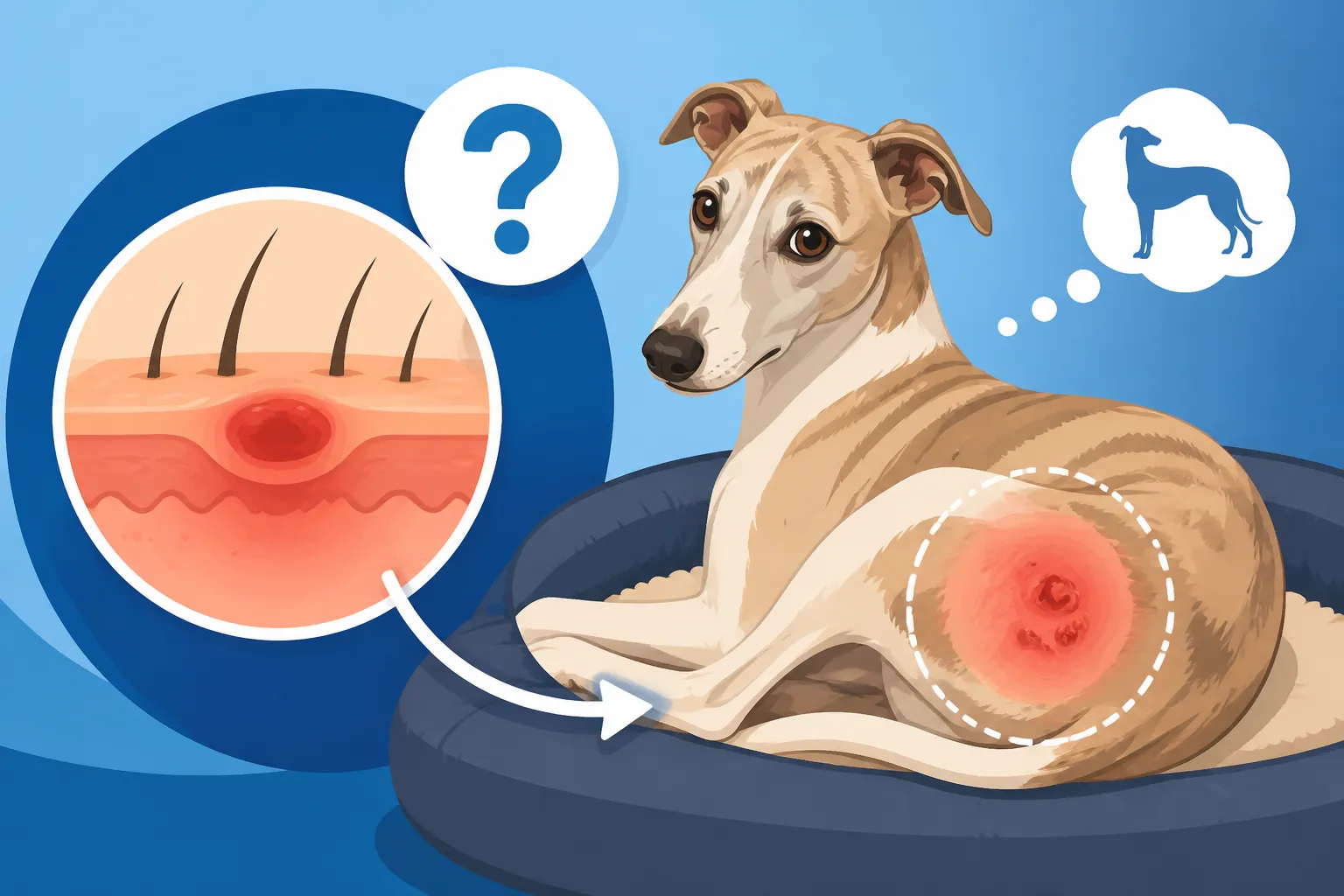
- Hips (Greater Trochanter): This is the outer point of the femur, right on the side of their pelvis. When a Whippet lies on its side, this bone presses against the surface.
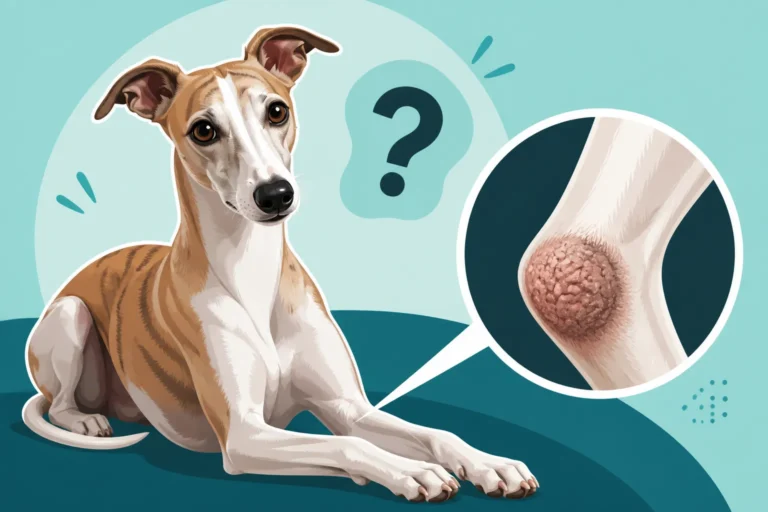
- Elbows (Olecranon): Often the first place you'll notice issues, especially if your Whippet loves to "down" on hard floors.
- Hocks (Ankle Joint): Another common spot, particularly if they frequently rest with their legs tucked under them.
- Shoulders (Acromion): The bony point at the top of their shoulder blade.
- Sternum (Breastbone): When they lie flat on their belly, this long, hard bone can take a lot of pressure.
The constant pressure on these points restricts blood flow to the skin and underlying tissues. Over time, this can cause the skin to become dry, calloused, and eventually break down, leading to painful pressure sores. This is why you so often hear The Pressure Sores a Whippet Gets From Sleeping on the Floor mentioned in Whippet circles.
Spotting the Signs: What a Hip Sore Looks Like on a Whippet
It's easy to worry every time you see a prominent hip bone, but there's a big difference between a naturally lean Whippet and one developing a pressure sore. Knowing what to look for can save you a lot of anxiety and your Whippet a lot of discomfort.
Early Warning Signs and Skin Changes
The key to managing pressure sores is early detection. They rarely appear overnight as a full-blown wound. Instead, they usually start with subtle changes that, if caught, can often be reversed with simple interventions.
- Redness or Discoloration: The very first sign is often a change in skin color over the bony prominence. On pink-skinned Whippets, this will look like a red patch. On darker-pigmented Whippets, it might appear darker or purplish. This indicates inflammation and restricted blood flow.
- Hair Loss or Thinning: You might notice the hair becoming sparse or completely disappearing over the affected area. This is a tell-tale sign of chronic pressure and friction.
- Dry, Flaky, or Scaly Skin: The skin might feel rough to the touch, or you might see flakes, similar to severe dandruff. This is a sign the skin barrier is compromised.
- Calluses: Over time, the body tries to protect these areas by thickening the skin, leading to a hard, tough patch known as a callus. While calluses themselves aren't open sores, they are a precursor and can crack and become infected if not managed.
- Swelling or Tenderness: If you gently press on the area, your Whippet might flinch or show signs of pain. There might also be a slight swelling around the bony area.
It's important to differentiate these signs from the normal appearance of a Whippet's lean body. You'll always be able to feel their bones; the concern is the condition of the skin over those bones. Feeling a Whippet's Ribs and Hip Bones can help you understand what's normal to feel.
Distinguishing Pressure Sores from Minor Scrapes or Bruises
Given their thin skin and energetic nature, Whippets are also prone to minor scrapes, nicks, and bruises from everyday play or brushing against things. It's crucial to know the difference.
- Scrapes/Nicks: These are usually linear or irregular, often with some broken skin and minor bleeding. They are typically caused by an external trauma.
- Bruises: These result from impact and show as discoloration under the skin, but the skin itself remains intact (unless the impact was severe enough to cause a laceration).
- Pressure Sores: These develop gradually due to sustained pressure. They often start as described above (redness, hair loss, callus) and then might progress to an open wound, usually more circular or oval, and sometimes deep. They are less about an acute injury and more about chronic wear and tear.
If you see an open wound on the hip, consider its origin. Was it an accident (scrape) or has it been a red, hairless patch for a while that has now opened up (pressure sore)? The treatment and urgency can differ. Remember, The Thin Skin That Sends a Whippet to the Vet for Stitches is a real phenomenon for our breed, but pressure sores are a different beast entirely, requiring a different approach to prevention.
Your Action Plan: Preventing and Managing Hip Sores
The good news is that with a little proactive effort, you can significantly reduce the risk of your Whippet developing painful pressure sores on their hips and other bony areas. It's all about providing comfort and ensuring their delicate skin is protected.
The Indispensable Role of Soft Bedding
This is perhaps the single most important defense against pressure sores. Your Whippet needs soft, supportive bedding everywhere they like to rest.
- Orthopedic Beds: Invest in good quality orthopedic or memory foam beds. These materials conform to your dog's body, distributing weight evenly and relieving pressure points. A firm base with a thick, soft top layer is ideal. You can find excellent options on platforms like Chewy or Amazon, often with detailed reviews from other sighthound owners. Consider materials like gel-infused memory foam for added comfort and temperature regulation. Learn more about optimal choices in The Beds a Whippet Owner Keeps Buying and Whether a Whippet Needs Memory Foam.
- Strategic Placement: Don't just have one bed in the living room. Whippets are notorious for following the sunbeams or finding the coolest spot on a hot day. Make sure there are soft landing spots in every room they frequent. This might mean multiple dog beds, thick blankets draped over furniture, or even a soft mat in a favorite sunning spot. They really do need Whether a Whippet Needs a Bed in Every Room.
- Crate Comfort: If your Whippet uses a crate, the bottom needs substantial padding. A thin mat won't cut it. Layer soft blankets under and over a thick, orthopedic crate pad. The goal is to eliminate any hard surfaces where bone could press directly.
- Furniture Access: Most Whippets gravitate towards sofas and human beds, and for good reason—they're soft! Allowing them on furniture (with blankets to protect your upholstery, of course) can be a great way to ensure they always have a comfortable place to rest, reducing the time spent on hard floors. Why a Whippet Cannot Sleep on a Hard Floor is not just a saying, it's a plea!
| Bedding Type | Pros for Whippets | Cons for Whippets |
|---|---|---|
| Memory Foam Bed | Excellent pressure relief, molds to body, supportive. | Can be expensive, some dogs find them too warm. |
| Orthopedic Mat | Good support for joints, durable, often washable covers. | Less plush than beds, may not appeal to burrowers. |
| Thick Fleece/Blankets | Soft, warm, easily layered, good for burrowing. | Offers minimal structural support on its own. |
| Bolster Bed | Provides head/neck support, often cozy for curling up. | May not provide enough flat surface for sprawling. |
| Heated Pad | Great for cold-sensitive Whippets, therapeutic for joints. | Electrical hazard risk if not properly used/monitored. |
Regular Skin Checks and Grooming
While Whippets are low-maintenance when it comes to grooming, regular inspections of their skin are vital for preventing sores.
- Daily Visual Checks: Make it a habit to quickly glance over your Whippet's hips, elbows, and hocks whenever you're petting them. Look for any redness, hair loss, or dry patches. This literally takes seconds.
- Gentle Palpation: Gently run your hands over these bony areas. Feel for any changes in skin texture, warmth, swelling, or tenderness.
- Moisturizing (if needed): If you notice dry, flaky skin, consult your vet about a pet-safe moisturizer or balm. Keeping the skin supple can prevent it from cracking and breaking down. Some owners use coconut oil or special paw balms, but always ensure it's safe if ingested.
- Balanced Nutrition: A healthy diet contributes to overall skin health. Ensure your Whippet is receiving all necessary nutrients. If you're considering fresh food options that often boast skin and coat benefits, brands like Ollie offer tailored meal plans, but always discuss any dietary changes with your vet first to ensure it meets your Whippet's specific needs. For general grooming, remember Why a Whippet's Coat Takes Five Minutes a Week is usually all it takes.
Managing Environmental Factors
Sometimes, it's not just about the bed, but the environment itself.
- Avoid Rough Surfaces: Limit your Whippet's time on rough concrete, gravel, or abrasive carpeting. These can cause friction and wear down the delicate skin over bony areas.
- Cold Protection: In colder weather, Whippets feel the chill right down to their bones. This can make them seek out warmer, sometimes harder, spots if soft, warm bedding isn't readily available. Ensure they have warm coats for outdoors and cozy indoor spots. You can learn more about general care for older Whippets in Caring for an Old Whippet That Feels the Cold.
When a Hip Sore Becomes a Vet Visit: Treatment and Long-Term Care
Despite your best efforts, sometimes a pressure sore can develop or worsen. Knowing when to escalate from home care to professional veterinary attention is crucial for your Whippet's health and comfort.
Recognizing When Professional Help is Needed
If you observe any of the following signs, it's time to contact your veterinarian without delay:
- Open Wounds: Any break in the skin, especially if it's weeping fluid, bleeding, or showing signs of pus. This is an open invitation for infection.
- Signs of Infection: Redness that spreads beyond the immediate area, increased warmth, significant swelling, discharge (pus), or a foul odor. Your Whippet might also act lethargic or develop a fever.
- Deep Sores: Sores that appear to penetrate beyond the superficial layers of the skin, potentially exposing underlying tissue.
- Severe Pain: If your Whippet is consistently licking the area, yelping when touched, or showing lameness due to the sore.
- Non-Healing Sores: If a sore doesn't show signs of improvement within a few days of implementing home care, or if it appears to be getting worse despite your efforts.
Don't hesitate to contact your vet even if you're just unsure. It's always better to be safe than sorry, and early intervention can prevent minor issues from becoming major problems.
Veterinary Treatment Options
When you visit the vet for a pressure sore, they will assess the severity and likely recommend a course of treatment based on the specific situation:
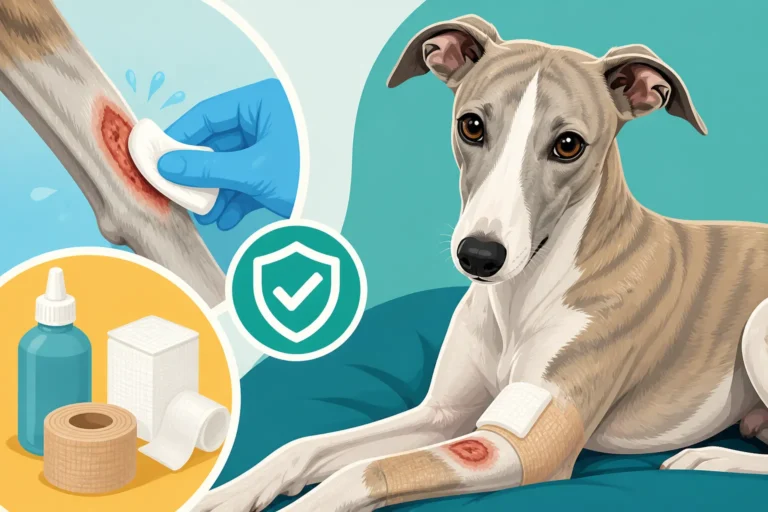
- Wound Cleaning and Debridement: The vet will thoroughly clean the wound and may remove any dead or infected tissue (debridement) to promote healing.
- Antibiotics: If an infection is present or suspected, oral or topical antibiotics will be prescribed.
- Pain Management: Your vet may prescribe pain relief medication to keep your Whippet comfortable during the healing process.
- Specialized Dressings: Depending on the wound, specialized bandages or dressings may be applied to protect the area, absorb discharge, and promote a moist healing environment. These might need to be changed regularly.
- Protective Bandaging or Collars: To prevent your Whippet from licking or chewing at the sore, which can delay healing or introduce more bacteria, your vet might recommend an Elizabethan collar (the "cone of shame") or an inflatable collar. You might also be advised on Whether a Whippet Should Wear a Cone After Stitches for similar types of injuries.
Long-Term Management and Prevention
Even after a sore has healed, the underlying susceptibility remains. Long-term management focuses on ongoing vigilance and consistent preventive measures.
- Continuous Bedding Assessment: Regularly check your Whippet's beds and resting spots for wear and tear. Flat spots in memory foam or thin areas in blankets mean it's time for replacement or additional padding. You might even consider having multiple sets of bedding that can be rotated and washed on a regular basis.
- Weight Management: While Whippets are naturally lean, ensuring they maintain a healthy weight is important. Both being underweight (even less padding) and overweight (increased pressure on joints and bones) can exacerbate skin issues.
- Regular Physical Activity: Appropriate exercise helps maintain muscle tone, which can provide a bit more cushioning over bony areas. However, avoid excessive impact on hard surfaces that could lead to other injuries.
- Senior Whippet Care: As Whippets age, their skin can become even thinner and more fragile. They might also spend more time resting, increasing the risk of sores. Be especially diligent with older Whippets, ensuring their comfort and checking their skin frequently. The Age a Whippet Counts as a Senior is a good time to become even more proactive.
By understanding your Whippet's unique needs and staying proactive with comfort and care, you can ensure their beautiful hips remain healthy and pain-free for a lifetime of zoomies and cozy cuddles.
Disclaimer
This article is for general informational purposes only and does not constitute professional advice. Laws, prices and regulations vary by location and change over time. Consult a qualified professional for guidance on your specific situation.