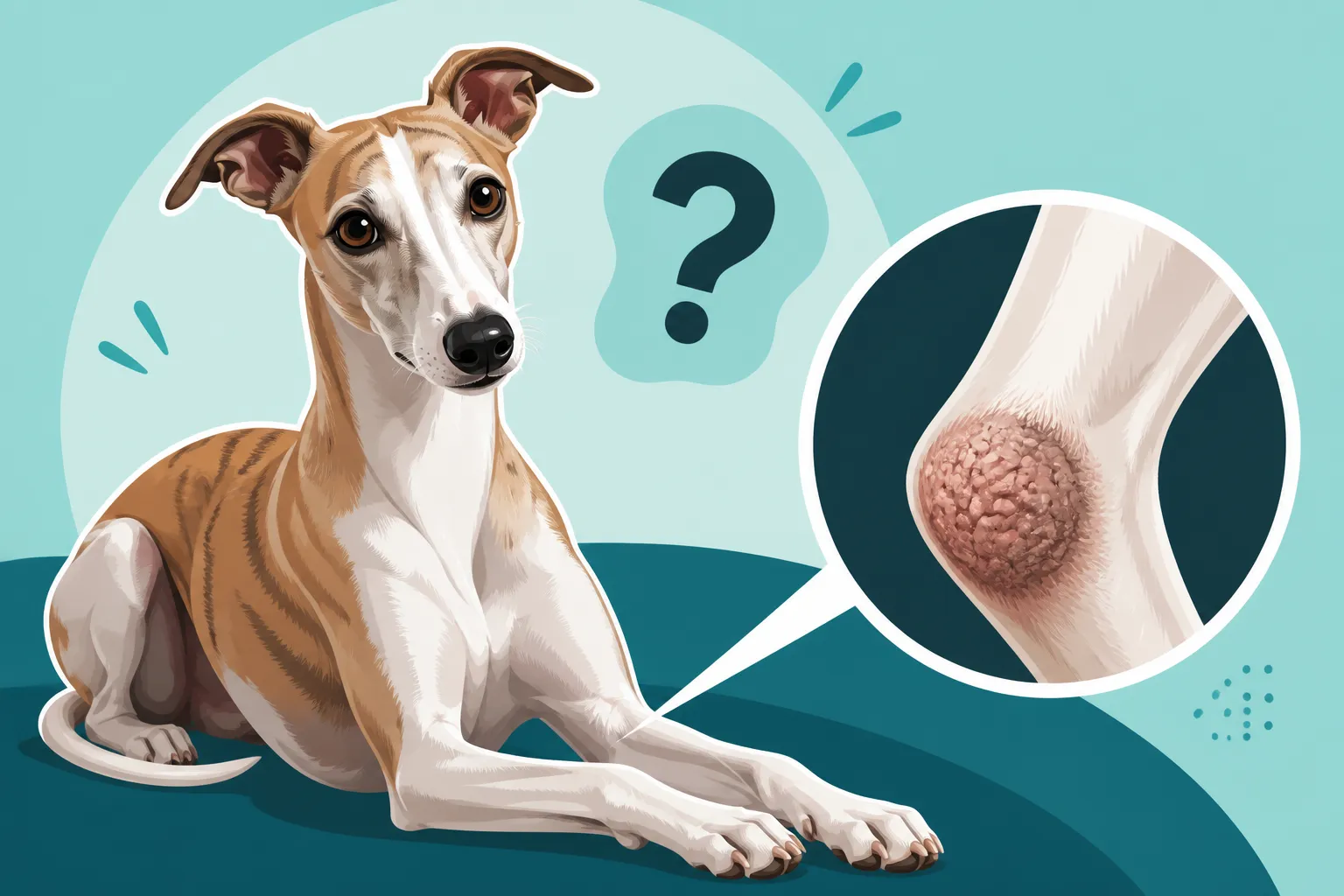
Whether a Whippet Gets Calluses on Its Elbows
It’s a sight many whippet owners have encountered: those lovely, sleek elbows starting to develop rough, discolored patches. You might even feel a pang of guilt, wondering if you've done something wrong. The truth is, calluses on a whippet’s elbows are an incredibly common issue, stemming directly from their unique, lean physiology. It’s not a reflection of poor care, but a challenge inherent to owning these beautiful, thin-skinned dogs. This guide will walk you through exactly why your whippet is prone to elbow calluses, what they look like, and, most importantly, how to prevent and manage them so your graceful companion stays comfortable and healthy.
The Inevitable Truth: Why Whippets Are Prone to Elbow Calluses
Whippets are, unfortunately, absolutely prone to developing calluses, especially on their elbows, hocks, and other bony areas. It’s a direct consequence of their incredibly athletic and streamlined build, which comes with very little natural padding. Unlike many dog breeds that have a generous layer of subcutaneous fat or dense fur to cushion their joints, a whippet simply doesn't have that built-in protection. When they lie down, those bony prominences press directly against the surface beneath them.
Imagine for a moment how a whippet is put together: they are a marvel of speed and elegance, bred for sprinting. Their body condition is meant to be lean, with discernible ribs and a noticeable tuck-up. This means there's minimal muscle or fat overlying their joints. Every time they stretch out for a nap on a hard floor—be it ceramic tile, hardwood, concrete, or even a thin carpet—their elbow joints, hips, and hocks are making direct, sustained contact with an unyielding surface. The body, in its wisdom, responds to this repeated pressure and friction by thickening the skin in those spots. This protective thickening is what we refer to as a callus. It's a natural physiological response, much like how a guitarist develops calluses on their fingertips or a manual laborer on their hands. It's not about neglect, but about the unique anatomy of your whippet. This inherent lack of insulation and padding is a characteristic we often discuss, such as in A Whippet Has No Insulation and No Padding.
The environment your whippet lives in plays a significant role here. If your home features a lot of hard, unforgiving surfaces, your whippet is naturally at a higher risk. Even if you've invested in a luxurious dog bed, your whippet might still seek out a cooler, harder patch of floor during warmer weather or simply out of preference. These seemingly brief periods of contact, repeated day after day over months and years, can be enough to trigger callus formation. It really is a classic scenario where preventing the problem is far simpler and more effective than trying to treat it once it's established. Understanding this fundamental vulnerability in the whippet breed is the crucial first step toward keeping their skin healthy and comfortable.
Where Calluses Form and What They Look Like
While the elbows are arguably the most common and often the most prominent place where whippets develop calluses, these hardened patches of skin aren't exclusive to just one area. Any bony prominence that regularly comes into contact with hard surfaces is a potential site for callus formation. Beyond the elbows, you might also notice them on the hocks—those ankle-like joints on their hind legs—the sides of their hips, or even on their chest, particularly if your whippet has a favorite way of sprawling out on the floor. Each of these spots shares a common characteristic: a lack of significant muscle or fat to cushion the underlying bone, making them prime targets for pressure-induced skin changes. It's important to remember that these aren't just aesthetic concerns; if left unaddressed, calluses can become genuinely uncomfortable for your dog.
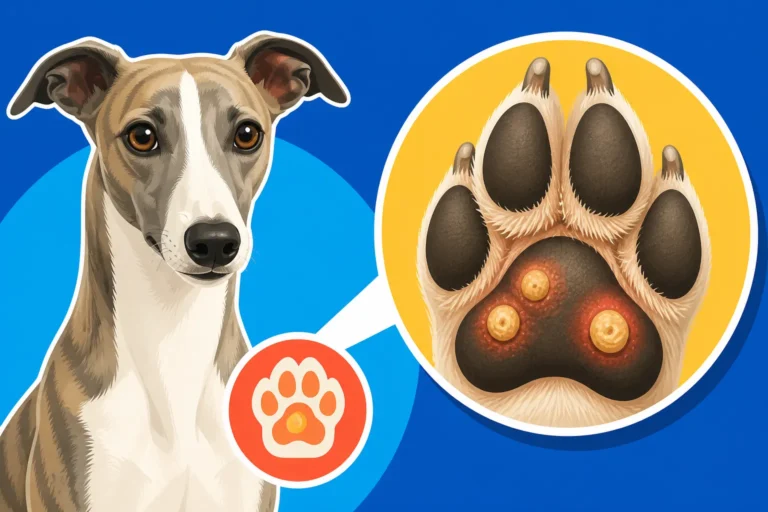
Initially, a callus might manifest as a subtle patch of skin that feels slightly rougher or thicker than the surrounding area, perhaps with a slight darkening of pigment. As the pressure and friction continue over time, the skin in these spots can become incredibly hard, dry, and even cracked. It's also very common for the hair in the affected area to thin out or disappear entirely, leaving a bald spot encircled by the stiff, discolored skin. This phenomenon of hair loss often leads owners to ask Why a Whippet's Elbows Go Bald as one of the first indicators of callus development. The skin might feel scaly to the touch, almost like sandpaper. In more advanced or neglected cases, these hard patches can crack deeply, potentially bleeding and creating an open wound. Such cracks are not only painful but also create an entry point for bacteria, leading to secondary infections, which is a progression we absolutely want to avoid.
It's vital to be able to distinguish between the natural leanness of a healthy whippet and the early stages of callus formation. A healthy whippet will have thin, pliable skin that moves easily over their well-defined musculature. Their bones, particularly around the elbows, will feel prominent, but the skin itself should remain smooth and soft. A callus, conversely, will feel distinctly different—a rigid, often hairless, and sometimes discolored area that stands out from the surrounding skin. If you gently pinch the skin around the suspected callus, you'll feel a clear difference in flexibility and texture. Regular, gentle examinations of these common pressure points, especially as your whippet ages, are invaluable for catching these issues early, long before they become more severe or complicated. This vigilance is a key part of Caring for an Old Whippet That Feels the Cold and may spend more time lying down.
The Difference Between a Callus and a Pressure Sore
While the terms are sometimes used interchangeably in casual conversation, there's a significant clinical distinction between a callus and a true pressure sore, also known as a decubitus ulcer. Understanding this difference is crucial for proper care and knowing when to seek veterinary attention.
A callus is primarily a benign thickening of the skin's outermost layer (the epidermis) in direct response to chronic, repeated friction and pressure. It's the body's natural defense mechanism, an attempt to create a tougher, more resilient barrier. While a callus can be rough, dry, and sometimes even crack, it remains, at its core, an intact, non-infected, superficial skin condition. Think of it as a localized area of hyperkeratosis—excessive horn-like skin tissue.
A pressure sore, on the other hand, represents a much more serious and dangerous progression. It begins with the same prolonged pressure but progresses to the point where the sustained compression restricts blood flow to the skin and the underlying soft tissues. This lack of oxygen and nutrients leads to tissue death (necrosis), resulting in an open wound, ulceration, and a high risk of bacterial infection. Pressure sores are acutely painful, can penetrate deeply, and often require intensive veterinary care, including antibiotics and sometimes surgical intervention to remove dead tissue. They are more frequently observed in dogs who are very elderly, debilitated, or paralyzed, spending long periods in one position without shifting their weight. However, even an otherwise healthy whippet can develop a pressure sore if a deeply cracked callus becomes severely infected and the underlying tissue is compromised. The potential for such severe outcomes is why we emphasize preventing The Pressure Sores a Whippet Gets From Sleeping on the Floor.
The crucial takeaway is this: while calluses are a common, almost expected, part of whippet ownership, they should never be simply ignored. A dry, rigid callus is inherently vulnerable. If it cracks open, it provides a direct pathway for bacteria to enter, potentially escalating what was a relatively benign skin thickening into a painful, serious, and potentially systemic infection. Early intervention and consistent, proactive care are therefore paramount to prevent this dangerous progression and maintain your whippet's comfort and health.
Preventing Calluses: Creating a Soft World for Your Whippet
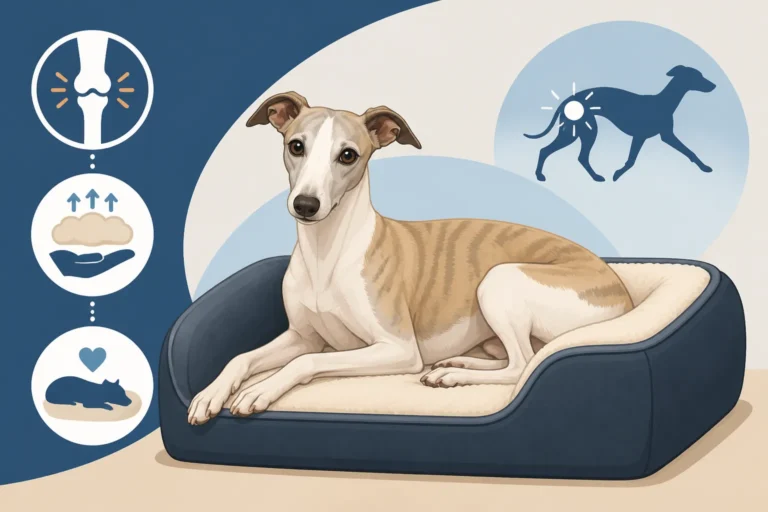
The most effective strategy against the development of whippet calluses is, without a doubt, prevention. This means actively creating an environment where your whippet has constant access to soft, supportive, and comfortable surfaces for resting. It might sound obvious, but many well-meaning owners inadvertently fall short here, often underestimating the sheer amount of cushioning a whippet truly requires. It's not merely about owning a dog bed; it's about strategically placing multiple high-quality, deeply padded beds in every single location your whippet enjoys lounging.
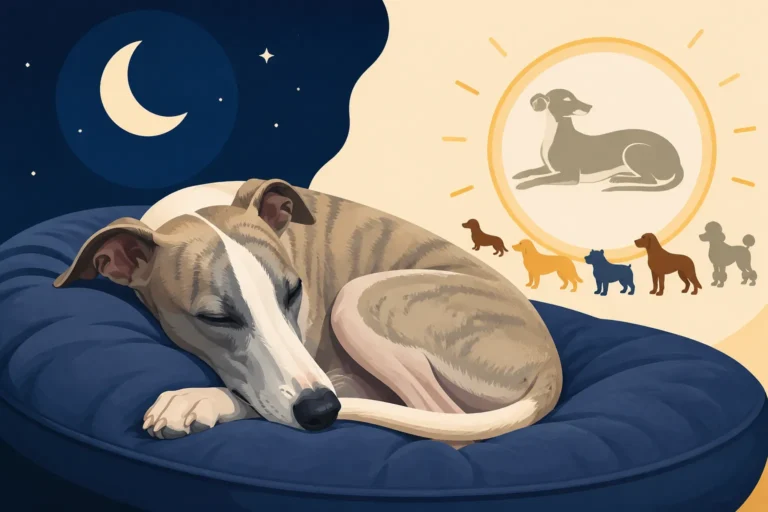
Begin by meticulously observing your whippet's daily habits. Where do they typically settle down for a nap? Is it on the cool tile floor in the kitchen after a walk, the polished hardwood in the living room while you're watching TV, or that thin rug by a sunny window? Every single one of these preferred napping or resting spots absolutely needs a dedicated, plush, and well-padded bed. For whippets, whose natural cushioning is minimal to non-existent, the thickness and density of their bedding are of paramount importance. Memory foam or high-quality orthopedic mattresses are often the gold standard because they excel at distributing weight evenly and relieving pressure points. Reputable pet retailers like Chewy offer a wide selection of orthopedic beds that are particularly well-suited for the unique anatomy of sighthounds. Aim for beds that are at least three to four inches thick, and even thicker if your whippet is older, heavier, or already has sensitive joints. Don't hesitate to purchase several beds—one in the living room, one in the bedroom, one by a favored sunbeam, and perhaps even a sturdy, well-padded one in the kitchen. We often delve into the necessity of multiple comfort zones for your whippet in articles such as How Many Beds a Whippet Needs in a House.
Beyond dedicated dog beds, consider integrating other soft furnishings into your whippet's life. If your household rules permit, allowing your whippet access to the sofa or your own bed provides wonderfully soft and supportive surfaces that will naturally cushion their joints. If allowing them on human furniture isn't an option, then strategically place large, plush throws or thick blankets on the floor in their most frequented lounging spots. Even a thick, soft bathmat can offer crucial temporary relief on a hard kitchen floor. The overarching goal is simple: minimize direct contact between your whippet's bony joints and any hard, unyielding surface as comprehensively as humanly possible. This proactive approach is the cornerstone of effective callus prevention.
Choosing the Right Bedding Material
When selecting bedding for your whippet, understand that not all "soft" surfaces offer the same level of protection for their vulnerable joints. While anything is better than a bare hard floor, certain materials and constructions provide superior cushioning and support, which are critical for preventing callus formation.
Memory foam is widely regarded as the premium choice for whippets, and indeed for any dog prone to joint issues. Its unique property of conforming precisely to your dog's body helps to distribute their weight evenly across the surface, significantly reducing concentrated pressure on bony areas like elbows and hips. This is an enormous benefit for whippets, whose minimal body fat means their bones are very close to the skin's surface. When searching, prioritize beds with a dense, substantial layer of memory foam, rather than just a thin memory foam topper over conventional foam. Excellent, highly-rated options from a variety of manufacturers can be easily found on platforms like Amazon. The question Whether a Whippet Needs Memory Foam often arises, and for many whippets, especially those predisposed to calluses or showing early signs, the answer is a resounding yes due to its superior pressure relief.
Another strong contender is a high-quality orthopedic bed constructed with dense, supportive foam. These beds are specifically engineered to provide robust joint support and maximum comfort, maintaining their loft and supportive qualities over time, unlike flimsy, poly-filled beds that quickly compress and lose their protective benefits. For older whippets, or those already experiencing the discomfort of existing calluses, a pet-safe, low-wattage heated bed can offer additional therapeutic benefits. The gentle warmth can promote increased blood flow to the joints, soothe minor aches, and provide an extra layer of comfort, encouraging them to stay on the bed.
Beyond the internal construction, pay attention to the bed's outer covering. Choose a soft, durable, and easily washable fabric. Materials that are gentle against your whippet's thin skin are ideal, and ease of cleaning is important for maintaining good hygiene, which contributes to overall skin health. Many whippets also love to burrow and feel secure, so beds with bolsters or raised sides can be a fantastic choice. These designs provide a sense of enclosure and offer additional support for their head and neck, further encouraging them to nestle comfortably within the bed rather than sliding off onto a hard, unforgiving floor. This continuous and thoughtful effort to provide a truly plush and supportive environment is incredibly effective in preventing the development of those tough, unsightly elbow patches.
Daily Routines and Environmental Adjustments
Preventing calluses is not solely about investing in the right beds; it's also about establishing consistent daily routines and making thoughtful environmental adjustments that actively support your whippet's skin health. One of the simplest yet most effective habits is to regularly inspect your whippet’s elbows, hocks, hips, and any other potential pressure points. A quick, gentle tactile check during your daily petting or cuddle sessions can help you identify any areas where the skin is starting to thicken, darken, or become bald, long before it escalates into a more significant problem. If you do notice a spot beginning to feel rough or appearing a bit thin on hair, take that as your cue to redouble your efforts in providing extra cushioning in that specific area.
Beyond optimizing bedding, consider your whippet’s overall body condition and activity level. While whippets are inherently lean, being significantly underweight can unfortunately exacerbate their susceptibility to calluses. An underweight whippet has even less natural tissue to cushion their bones, making them more vulnerable to the effects of hard surfaces. Ensure your whippet is receiving a high-quality, nutritionally balanced diet that supports healthy skin, coat, and a good body condition. Brands like Ollie focus on fresh, wholesome ingredients that can contribute to overall canine health. A healthy whippet should have easily palpable ribs and a distinct waistline, but should not appear emaciated or have sharply protruding hip bones. Finding and maintaining this ideal body condition is a fine balance, a topic we explore further in Keeping Weight On a Whippet Without Making It Fat.
Finally, be mindful of your whippet's activities outside the home. If your whippet spends time lounging outdoors on hard patios, concrete, or asphalt, make sure to provide portable outdoor beds, thick mats, or even large, soft outdoor cushions for them. This is especially important if they love to sunbathe, as prolonged exposure to hard surfaces combined with warmth can increase callus risk. Similarly, for car rides, ensure that their crate or designated car spot is adequately padded to prevent pressure points during travel. Every small effort to add cushioning, regardless of the location, significantly contributes to protecting their sensitive joints from the continuous wear and tear that leads to callus formation.
| Bedding Type | Key Features for Whippets | Ideal Applications | Considerations |
|---|---|---|---|
| Memory Foam Bed | Conforms to body, excellent pressure distribution, dense | Primary sleeping bed, older or arthritic whippets | Higher cost, can retain heat, look for washable covers |
| Orthopedic Foam Bed | Firm, resilient support, durable, prevents flattening | Daytime lounging, whippets needing robust joint support | May be heavier/bulkier, ensure sufficient thickness |
| Bolster Bed | Raised edges for head/neck support, creates a secure nest | Living room, crate, car travel, whippets who like to curl | Check cushion density; some can flatten with heavy use |
| Thick Plush Mat | Portable, versatile, provides immediate softness | Extra cushioning on hard floors, under a desk, travel | Not as supportive as a full bed, can bunch up |
| Heated Bed/Pad | Gentle warmth, soothes joints, promotes circulation | Winter nights, older dogs, therapeutic use for stiff joints | Pet-safe electrical, monitor for overheating, potential chewing |
| Thick Fleece Blankets | Affordable, easy to wash, good for nesting and burrowing | Layering, covering furniture, travel, extra warmth | Offers minimal structural support on its own |
Managing Existing Calluses: Care and Treatment
Discovering that your whippet has already developed calluses can be disheartening, but please don't lose hope! While it might not always be possible to completely reverse them to their original state, you can certainly manage existing calluses effectively, significantly improve your whippet’s comfort, and, most importantly, prevent them from worsening or becoming infected. The very first and most critical step, as always, is to thoroughly re-evaluate your whippet’s living environment. Ensure that you’ve maximized the amount of soft, supportive cushioning available to them, precisely as we’ve discussed in the previous section. Without addressing the underlying cause—the chronic pressure on hard surfaces—any treatment efforts will largely be temporary and may not yield lasting results.
Once you’ve optimized their environment, you can begin the process of softening and soothing the affected callused skin. Regular and consistent moisturizing is paramount. Much like how we treat our own dry, cracked skin, a whippet’s calluses will benefit immensely from emollients. Look for pet-safe balms, creams, or specialized skin conditioners that are specifically formulated for dog paw pads or dry, thickened skin. Ingredients such as shea butter, coconut oil, lanolin, or vitamin E are often effective, as are specific veterinary-recommended moisturizers. Apply a small amount once or twice daily, gently massaging it into the callus. This routine helps to rehydrate the skin, making it more supple, flexible, and significantly less prone to painful cracking. You can find many suitable products at pet supply stores or through online retailers like Chewy and Amazon.
For calluses that are particularly thick, hard, or stubborn, your veterinarian might suggest a more intensive approach. This could involve products containing specific active ingredients like urea or salicylic acid, which are known for their ability to gently exfoliate and further soften severely thickened skin. However, it is absolutely essential to consult your vet before using any medicated creams, especially those designed for human use. Many human products contain ingredients that can be toxic if ingested by dogs, and improper application on broken skin can cause irritation or worse. While dealing with severely bald elbows, the question of Whether a Whippet's Bald Elbows Grow Hair Back is frequently asked. With consistent reduction of pressure and diligent skin care, some hair regrowth can indeed occur, though the skin in that area may always retain a slightly thicker texture than the surrounding, unaffected skin.
When a Callus Becomes a Problem: Infection and Veterinary Care
While most calluses are primarily a cosmetic issue, they can rapidly transform into a serious medical concern if they crack open, leading to an infection. An infected callus will present with clear signs: it will likely be noticeably red, swollen, warm to the touch, and overtly painful for your whippet. You might also observe discharge, such as pus, or a distinct, foul odor emanating from the area. Your whippet will almost certainly react by licking, chewing, or nibbling excessively at the affected spot, which unfortunately only irritates and exacerbates the infection. At this critical juncture, home remedies or simple moisturizing are no longer sufficient, and an immediate visit to your veterinarian is absolutely necessary.
Upon examination, your vet will accurately assess the severity of the infection. They will typically prescribe a course of oral antibiotics to clear the bacterial infection. In addition, they may recommend a medicated antiseptic wash or a topical antibacterial ointment to apply directly to the wound. In very rare and severe cases, particularly if the callus has progressed to a deep pressure ulcer that is not healing, surgical debridement—the removal of dead or infected tissue—might be considered, though this is generally a last resort. Preventing these serious infections is precisely why maintaining the suppleness of calluses through moisturizing and providing ample soft bedding is so crucial. A well-hydrated, flexible callus is far less likely to crack than a dry, rigid one. This kind of proactive, attentive skin care is also vital in light of The Thin Skin That Sends a Whippet to the Vet for Stitches for even relatively minor lacerations.
Always remember that a whippet's skin is inherently delicate and requires attentive care. Being proactive in providing a plush, comfortable environment, and remaining vigilant for any changes in their skin—especially on bony prominences—can save both you and your beloved whippet from significant discomfort, pain, and potentially expensive veterinary interventions down the line. It's a small investment of time and attention for the long-term well-being of your graceful companion.
Disclaimer
This article is for general informational purposes only and does not constitute professional advice. Laws, prices and regulations vary by location and change over time. Consult a qualified professional for guidance on your specific situation.