What Belongs in a Whippet Owner’s First Aid Kit
Many Whippet owners live in quiet fear of that phone call from the dog walker or the sight of their beloved sighthound with a sudden injury. Our lean, thin-skinned companions are prone to nicks, scrapes, and deeper lacerations that can look truly alarming, often when you least expect them. This guide will walk you through exactly what belongs in a comprehensive first aid kit specifically tailored for your Whippet, so you're always prepared for those inevitable "oops" moments.
Why a Whippet's Unique Physiology Demands a Specialized First Aid Kit
Whippets are wonderfully elegant and fast, but let's be honest, they're not built for crashing through thorny bushes or wrestling with hefty, thick-skinned breeds. Their delicate build, with minimal body fat and very thin skin, makes them particularly susceptible to certain types of injuries. You know that feeling when you just brush against a doorframe and come away with a nasty scrape? Imagine that, but for a dog whose skin feels almost tissue-paper thin, and who weighs around 30 pounds.
Think about it: most dogs have a good layer of fat and fur to protect them. Not our Whippets. Their skin is quite literally thin, sometimes described as feeling like the skin on the back of your hand, or even thinner. This means that what might be a minor scuff on a Labrador can be a significant, gushing laceration on a Whippet. This isn't to say they're fragile in spirit – far from it! They're tough as nails and incredibly resilient, but their physical structure demands a different approach to first aid.
Because their skin is so fine, it doesn't just tear easily; it also tends to gap open quite dramatically. What looks like a tiny poke can quickly become a wound that requires stitches. The minimal underlying fat means there's less padding to absorb impact, and blood vessels are often closer to the surface, contributing to more apparent bleeding even from superficial cuts. This is why a simple cut can quickly escalate into something that needs immediate attention and the right supplies. You might be surprised at how much blood can come from a relatively small wound, simply because their skin is so fine and their vessels are close to the surface.
Furthermore, Whippets, being sighthounds, are inherently athletic and love to run. This zest for life, combined with their incredible speed, unfortunately increases their risk of accidental injuries. A joyful sprint through tall grass might conceal a sharp stick, or a playful tumble could result in a paw pad abrasion or a skin tear on a leg. These aren't signs of a clumsy dog, but rather an active one whose unique physical characteristics make them more vulnerable to certain types of mishaps. You need to be ready for the unexpected, because with a Whippet, "unexpected" often means "bleeding" and a need for quick, effective first aid.
The Reality of Whippet Skin Tears and Bruising
Anyone who has lived with a Whippet for more than a few months has likely experienced the horror of a skin tear. It’s almost a rite of passage for owners of this breed. One minute they’re frolicking in the garden or playing with another dog, the next there's blood, and you're wondering how on earth such a dramatic injury could have come from seemingly nothing. Their thin skin just doesn't have the resilience or protective layers of other breeds, making everyday occurrences like bumping into furniture, snagging on a loose nail, or even a slightly rough play session with a friend's dog a potential trip to the emergency vet. The Thin Skin That Sends a Whippet to the Vet for Stitches is a really common scenario for us Whippet owners, and it can be quite alarming the first few times it happens.
These skin tears, even if they don't look incredibly deep, often gape widely because of the skin's inherent lack of elasticity and the underlying muscle tension in their lean bodies. This gaping makes them far more susceptible to infection and means they often need more than just a simple bandage. It's not uncommon for a vet to tell you that what looks like a minor cut actually requires several stitches to close properly, simply because the edges won't pull together on their own and stay put without tension. This is a painful lesson many of us learn early on, both for our dog and our wallet.
Beyond tears, Whippets also tend to bruise quite easily. Their fine skin means that even minor impacts, such as a playful bump or a misstep, can leave significant discoloration. While bruises aren't usually a first aid emergency requiring immediate vet attention, they can be indicative of an underlying injury that warrants closer observation, or simply serve as a stark reminder of how delicate their exterior can be. Knowing your Whippet's normal appearance, where its ribs and hip bones typically show, helps you spot unusual swelling or tenderness that might accompany a bruise. Why a Whippet Bruises So Easily is something you'll become very familiar with as an owner, and it's important to differentiate between a simple surface bruise and something more serious.
Essential Supplies for Common Whippet Injuries
Building a Whippet-specific first aid kit isn't about having a complete veterinary hospital in your cupboard, but rather having the critical tools to manage the most common and often startling injuries until you can get professional help. Think of it as your immediate response team for those inevitable scrapes, punctures, and lacerations that come with owning an active, thin-skinned sighthound. Having these items on hand can prevent a small problem from becoming a much larger one, and it certainly helps calm your own nerves when you’re faced with a bloody mess or an unexpected injury.
You don't need to spend a fortune to put together a useful kit, but do invest in quality items that are safe for pets. Many basic human first aid supplies are perfectly suitable for dogs, but always double-check product labels for pet-specific warnings or contraindications. Keep everything organized in a clearly labeled box or bag that's easy to grab in a hurry – a small plastic storage container, an old lunchbox, or even a dedicated "dog first aid" pouch can work wonders for keeping things sorted and accessible.
Cleaning and Dressing Wounds Safely
When your Whippet inevitably gets a cut, the first and most critical step is almost always to clean it thoroughly. This sounds simple, but doing it correctly can prevent infection, which is a significant concern with open wounds. You'll need a good antiseptic solution. Povidone-iodine (Betadine), diluted to a weak tea color with water, is an excellent and safe choice for cleaning wounds. You can also use a chlorhexidine solution, often available at pet stores like Chewy or from your vet's office. Avoid harsh scrubbing, which can further irritate delicate Whippet skin; gentle flushing and dabbing is the key.
For drying and applying solutions, sterile gauze pads are indispensable. Cotton balls or regular household tissues can leave fibers in the wound, which you definitely want to avoid as they can introduce bacteria or hinder healing. You’ll also want some mild, non-stinging sterile saline solution to rinse away any debris like dirt, grit, or grass before applying antiseptics. This is particularly important if your Whippet has scraped itself on dirt, gravel, or through brush. Always remember to wash your hands thoroughly before and after handling any wound, and wear gloves if possible.
Once clean, you absolutely need to cover the wound, especially on a Whippet, to keep it clean, protect it from further contamination, and prevent them from licking or chewing at it. Treating a Whippet's Skin Tear often involves careful bandaging. Non-stick pads or Telfa pads are perfect for placing directly over the wound. They won't adhere to the healing tissue, making subsequent bandage changes much less painful and less likely to disrupt the healing process. Over this, you'll want some conforming gauze roll and, crucially, a good quality self-adhering bandage like Vet Wrap. This stuff is a lifesaver for sighthound legs and tails because it sticks to itself, not to fur, and provides gentle compression without being too tight. You can find Vet Wrap easily on Amazon or at local pet supply stores. Remember, you should always be able to slide two fingers easily under a wrapped bandage – if you can’t, it’s too tight and could cause serious circulation issues.
Tools for Minor Issues and Emergencies
Beyond cleaning and bandaging, a few practical tools are absolute must-haves for any Whippet owner's first aid kit. A good pair of blunt-tipped scissors is essential for cutting bandages safely without accidentally snipping your Whippet's delicate skin or fur. These are much safer than pointed scissors when working near an anxious or wriggly dog. Tweezers are useful for removing splinters, thorns, small pieces of debris from paw pads, or even ticks. Just be careful not to push anything deeper into the skin.
Gloves, specifically disposable latex or nitrile gloves, are also incredibly important. They protect both you and your Whippet from potential infection. You never know what kind of bacteria might be present in a wound, and conversely, you don't want to introduce anything from your hands into an open cut. Keeping a few pairs in your kit is a smart, hygienic move.
Another essential item, particularly for longer-haired Whippets or those with thicker coats (even if minimal), is a small, sharp clipper or trimmer. Sometimes you need to carefully trim away fur around a wound to properly clean it and apply dressings effectively. This also helps you assess the full extent of the injury more clearly. Make sure to use clippers designed for pets to avoid pulling fur or nicking the skin, which would just add to the problem.
Finally, while not a direct treatment, a digital thermometer is vital. Knowing your Whippet's normal temperature (which is typically a bit higher than human body temp, usually between 101-102.5°F or 38.3-39.2°C when at rest) allows you to spot fever or hypothermia quickly. Whippets can get cold easily due to their lack of body fat, especially if they are injured or in shock, so a thermometer helps you monitor them and relay accurate information to your vet.
| Category | Item | Purpose | Notes |
|---|---|---|---|
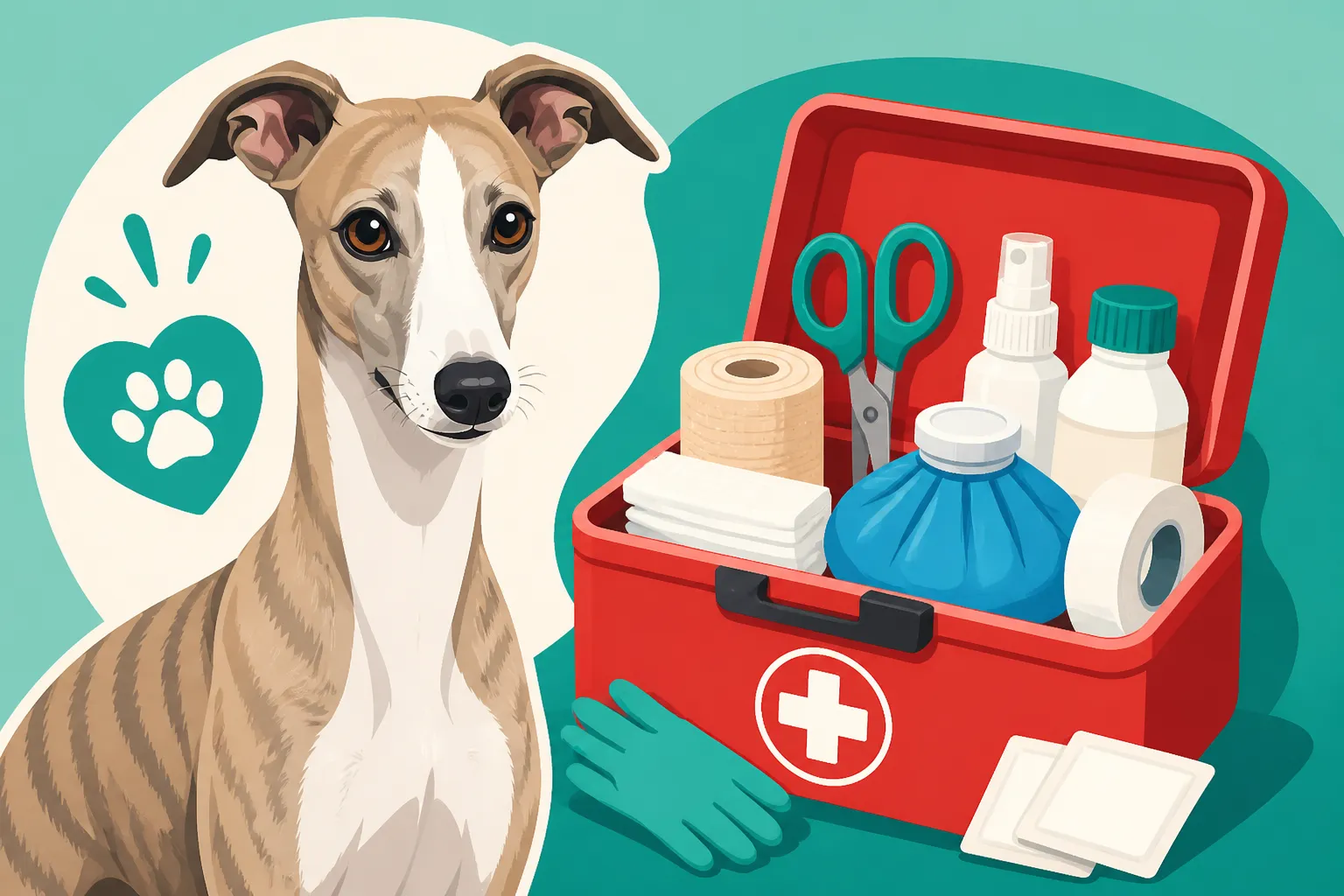
| Wound Care | Antiseptic solution (Povidone-iodine/Chlorhexidine) | Cleaning wounds, preventing infection | Dilute povidone-iodine to weak tea color. Avoid alcohol, hydrogen peroxide. |
| Sterile saline solution | Rinsing debris from wounds, flushing eyes | Non-stinging, safe for sensitive areas. | |
| Non-stick pads (Telfa) | Covering wounds without sticking, protecting from infection | Essential for delicate skin; prevents further trauma during dressing changes. | |
| Gauze rolls/pads | Absorbent dressing, padding under bandages | For cleaning and cushioning, can also be used to apply pressure. | |
| Self-adhering bandage (Vet Wrap) | Securing dressings, light support | Sticks to itself, not fur. Do not apply too tightly – ensure two fingers can slide underneath. | |
| Medical adhesive tape | Securing gauze, light bandaging (e.g., around paws) | Hypoallergenic options are best for sensitive skin. | |
| Tools | Blunt-tipped scissors | Cutting bandages, trimming fur safely | Safer than pointed scissors around a moving dog. |
| Fine-tipped tweezers | Removing splinters, ticks, small debris | Useful for delicate work on paw pads or thin skin. | |
| Disposable gloves | Personal protection, preventing infection | Always wear when handling wounds. | |
| Digital rectal thermometer | Checking body temperature | Essential for detecting fever or hypothermia in an injured dog. | |
| Small pet-safe clippers/trimmer | Trimming fur around wounds for better visibility and cleaning | Battery-operated are convenient for quick use. | |
| Styptic powder/stick (Kwik Stop) | Stopping bleeding from nail quicking accidents | A must-have for anyone trimming nails. | |
| Other Essentials | Leash and muzzle | For safe restraint if injured or distressed | Even the gentlest dog can bite when in pain. |
| Small clean towel/rags | Cleaning up messes, applying pressure to bleeding wounds | Multi-purpose, easy to grab. | |
| Emergency contact list | Vet, emergency vet, poison control numbers | Keep it laminated or in a waterproof bag for quick access. | |
| Thermal blanket (Mylar emergency blanket) | Keeping a shocked or cold Whippet warm | Their low body fat makes them susceptible to cold and shock. | |
| Dog-specific pain relief (Vet-prescribed) | Only use under vet guidance for pain management | NEVER use human pain relievers without explicit vet instruction. | |
| Bitter-tasting deterrent spray | Discouraging licking/chewing of bandages or wounds | Applied to the outside of bandages to prevent self-mutilation. |
Addressing Paw Pad Injuries
Paw pad injuries are incredibly common for active Whippets, especially those who love to run outdoors. They can step on sharp objects like glass or thorns, abrade their pads on rough surfaces like asphalt, or even tear a nail during play. These injuries can be surprisingly painful and can make walking very difficult for your dog. In your first aid kit, include some antiseptic wipes or spray specifically designed for paw pads. These are often formulated to be less irritating than general antiseptics and can be very convenient for on-the-go cleaning after an outdoor adventure.
For deeper cuts or tears on the paw pads, you'll want to apply a non-stick pad and then secure it with Vet Wrap, ensuring it's not too tight. It's notoriously tricky to bandage a paw properly, as it needs to be secure enough to stay on during movement but not so tight that it cuts off circulation to the delicate paw. Practicing a basic paw bandage when your Whippet is healthy can be incredibly beneficial for when a real emergency strikes. Consider adding some bitter-tasting spray to deter your Whippet from licking or chewing at the bandage, a very common problem that can quickly undo all your careful work.
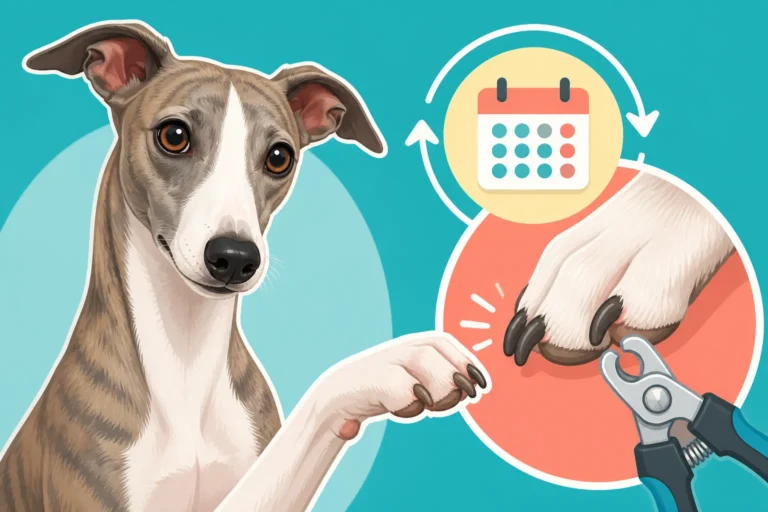
Don't forget nail clippers and a styptic powder or stick (like Kwik Stop, easily found on Amazon or at local pet stores) for those inevitable nail quicking accidents. It happens to the best of us: you're trimming nails, and suddenly you cut a little too far, and it bleeds quite a bit. Styptic powder effectively stops the bleeding quickly and effectively, preventing a minor incident from becoming a stressful ordeal. How Often a Whippet's Nails Need Cutting can give you an idea of how frequently you'll need these tools and potentially have these little mishaps.
Advanced Preparations and When to Seek Professional Help
Having a physical first aid kit is only half the battle. The other, equally important half is having the knowledge and preparation to use it effectively and, crucially, to know when your efforts aren't enough and professional veterinary care is absolutely necessary. It's about being proactive, not just reactive, in your Whippet's health. Your first aid kit is there to help you stabilize, clean, and transport, not necessarily to perform complex medical procedures.
Knowing Your Whippet's Baselines and Emergency Contacts
One of the most valuable "tools" in your first aid arsenal is knowing your individual Whippet. What's their normal resting heart rate? What does their gum color usually look like? What's their typical breathing pattern when relaxed? Having a sense of these baselines helps you quickly identify when something is truly amiss and provides valuable information to your veterinarian. A pale gum color, for instance, could indicate shock or significant blood loss, even if you can't see a massive amount of external bleeding.
Beyond your dog's personal metrics, compile a list of emergency contacts and keep it laminated or clearly written in a waterproof bag inside your first aid kit, and also saved prominently in your phone. This list should include your regular veterinarian's number, the number for the nearest 24-hour emergency veterinary clinic, and the Poison Control hotline number. In a crisis, when adrenaline is high, you don't want to be fumbling through your phone or searching online for crucial information. Emergency Stitches: the Whippet Bill Nobody Budgets For can be a costly surprise, but knowing where to go can save precious time and potentially your dog's life.
Consider also having a small, lightweight emergency blanket (like a foil survival blanket, often available in camping sections) in your kit. Whippets, with their minimal body fat, are very susceptible to hypothermia, especially if they are injured, in shock, or have lost blood. Wrapping them securely in such a blanket can help retain vital body heat while you transport them to the vet, which is particularly important in colder weather or if they are damp. This might seem like overkill, but it's a small, inexpensive item that can make a big difference in a critical situation.
Recognizing When a Vet is Essential
While your first aid kit can handle minor scrapes and stabilize larger injuries, it's absolutely crucial to know when to pack up your Whippet and head straight to the vet. For Whippets, because of their delicate skin, many cuts that might seem superficial can actually be quite deep or extensive, requiring professional sutures and sometimes antibiotics. Whether a Whippet's Cut Always Needs Stitches is a question many owners ponder, but it's almost always better to err on the side of caution and have a professional assess any significant skin tear.
You should seek immediate veterinary attention if your Whippet experiences any of the following:
- Deep or wide gaping wounds: If you can see muscle or bone, or the wound edges are far apart and won't close with gentle pressure, it needs professional closure.
- Excessive or uncontrolled bleeding: If direct pressure doesn't stop the bleeding within a few minutes, or if the bleeding is spurting, it's a critical emergency. How to Stop Bleeding on a Whippet's Leg might involve pressure, but if that fails, immediate vet care is needed.
- Puncture wounds: These can be deceptive. A small external hole can hide significant internal damage, deep tissue infection, or organ penetration.
- Limping, severe pain, or inability to bear weight: This could indicate a fracture, sprain, ligament tear, or deeper muscle injury, which require diagnostic imaging and professional treatment.
- Any head or eye injury: These are incredibly delicate areas, and even minor trauma can have serious and long-lasting consequences for vision or neurological function.
- Difficulty breathing or unusual breathing patterns: This is always a critical emergency, potentially indicating chest trauma, allergic reaction, or heart issues.
- Signs of shock: Pale gums, rapid heart rate, weakness, lethargy, cold extremities, or collapse.
- Ingestion of a toxic substance: Call poison control first, then head to the vet immediately if advised.
- Changes in behavior, disorientation, persistent vomiting, severe diarrhea, or collapse.
Don't ever hesitate to call your vet or the emergency clinic for advice over the phone. They can help you assess the situation, guide you through initial first aid steps, and tell you if your Whippet needs to be seen. It's always better to make the call and be told it's not urgent than to wait and regret it later. Remember, an injury that might be easily treated if caught early can become much more complicated and costly if left too long, potentially leading to chronic issues or severe infection.
Ongoing Care and Prevention
Once your Whippet has been seen by a vet for an injury, your first aid kit will continue to be invaluable for follow-up care at home. You’ll likely need to change dressings, keep the wound clean, and monitor for signs of infection such as redness, swelling, heat, or discharge. Make sure you have enough clean bandages, antiseptic, and non-stick pads to continue care as instructed. Whether a Whippet Should Wear a Cone After Stitches is a question that usually gets a resounding "yes" from vets, so a comfortable Elizabethan collar (the infamous "cone of shame") or an inflatable collar can be a wise addition to your longer-term care supplies, or at least something you know you can pick up quickly from a pet store or clinic.
Preventative measures also play a huge role in minimizing first aid kit use. Regular nail trims help prevent painful tears and breaks. Keeping your yard free of sharp debris, tools, or broken items significantly reduces the risk of paw injuries and skin tears. Being mindful of where your Whippet runs, especially in unknown environments like parks or hiking trails, can prevent many accidents. While you can't eliminate all risks entirely, a watchful eye and a well-maintained home environment go a long way in keeping your Whippet safe. This dedication to What a Whippet Needs Every Day goes hand in hand with preparedness for the unexpected.
Consider enrolling in a pet first aid and CPR course. Many local community centers, animal shelters, or even some veterinary clinics offer them. This hands-on training can give you the confidence and practical skills to act calmly and effectively in a real emergency, which is often just as important as the supplies themselves. Knowing exactly how to apply pressure to a bleeding wound or how to properly immobilize a suspected fracture can be life-saving and certainly reduce panic during a stressful event.
Having a well-stocked Whippet first aid kit isn't about being paranoid; it's about being a responsible, loving owner who understands the unique needs and vulnerabilities of their breed. When an accident strikes, as it almost certainly will at some point in your Whippet's active life, you'll be profoundly grateful for your preparedness.
Disclaimer
This article is for general informational purposes only and does not constitute professional advice. Laws, prices and regulations vary by location and change over time. Consult a qualified professional for guidance on your specific situation.