Whether a Whippet Should Sleep Under a Blanket
If you've ever watched a Whippet artfully "make biscuits" on a pile of blankets before dramatically burrowing deep inside, you've probably wondered: is this just a quirk, or do they really need to sleep under a blanket? Many Whippet owners worry they might be "spoiling" their lean, sleek companions by indulging this habit. But the truth is, for these sensitive sighthounds, snuggling under a blanket isn't just a preference; it's often a fundamental need for both physical comfort and emotional security. This guide will explore why your Whippet instinctively seeks the cozy embrace of a blanket and how to provide the best, safest den for them.
The Whippet's Innate Need for Warmth
It might seem obvious, given their sleek physique, but a Whippet's body is simply not built for retaining heat like many other dog breeds. Their physical attributes, while making them incredible athletes, also make them quite susceptible to the cold, even indoors. This isn't just a minor discomfort; it's a significant factor in their overall well-being.
Why Their Anatomy Demands Extra Warmth
Let's talk about the biology here. Whippets have a very short, fine coat that offers minimal insulation. Unlike double-coated breeds or those with denser fur, there's no thick underlayer to trap warm air against their skin. Coupled with this, Whippets naturally have A Whippet Has No Insulation and No Padding. They are lean, muscular dogs with very little subcutaneous fat. This isn't a sign of being underweight (though some people mistakenly think it is!), but rather a hallmark of their athletic build. Fat acts as a natural insulator, and without much of it, their core body temperature can drop more easily.
Think about how you feel in a thin shirt on a cool evening compared to someone wearing a fleece. That's essentially the difference for a Whippet. Their fast metabolism helps them generate heat when active, which is fantastic when they're sprinting across a field, but it doesn't provide sustained warmth when they're curled up trying to sleep. When they're at rest, their metabolism slows, and they lose heat rapidly through their exposed skin. This is why you'll often see them shivering, even inside a seemingly warm house, especially if they're not deeply buried in a blanket. Why a Whippet Shivers Indoors explores this common phenomenon in more detail.
The Instinct to Burrow and Seek Cover
The desire to burrow isn't just about finding warmth; it's deeply ingrained in a dog's ancestral instincts. Many canids, including domestic dogs, have a natural inclination to seek out small, secure spaces that offer protection from predators and the elements. For a Whippet, whose ancestors were often housed close to their human families in less-than-toasty homes, this instinct is amplified by their physical vulnerability to cold.
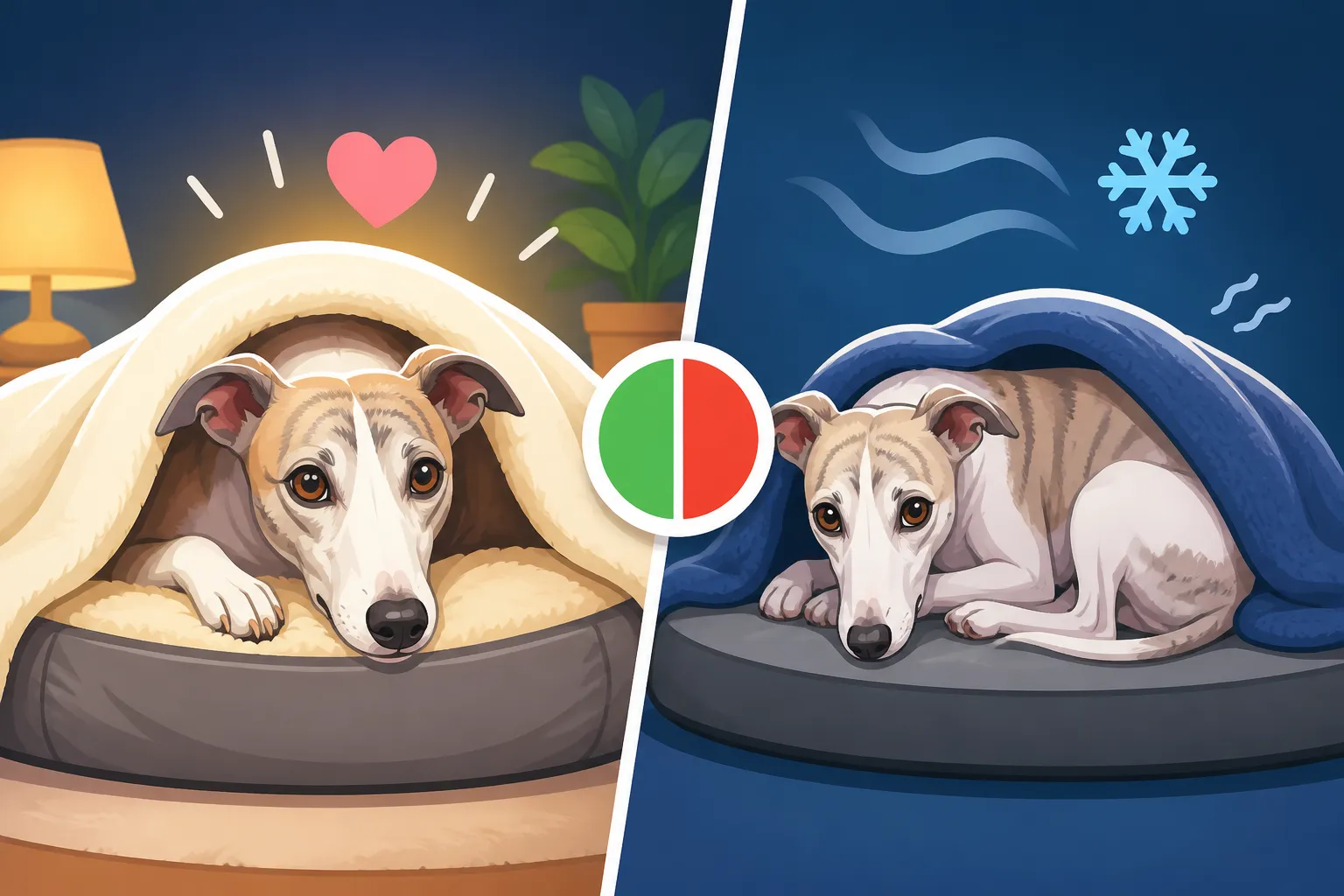
When your Whippet digs and nuzzles its way under a blanket, it's essentially creating its own miniature den. This enclosed space offers a sense of security and containment, mimicking the safety of a natural burrow. It's a primal comfort, a way for them to feel safe and protected, especially when they're at their most vulnerable during sleep. This behavior isn't just cute; it's a testament to their innate needs.
The blanket acts as a barrier, trapping their body heat and creating a microclimate that’s perfectly suited to their lean frame. Without it, they might spend the night restless, constantly shifting to find a warmer spot, or even wake up feeling genuinely chilled. This is especially true in homes where temperatures fluctuate, or if they prefer cooler sleeping environments but still need to regulate their internal temperature.
More Than Just Warmth: Comfort and Security
While warmth is a primary driver, the appeal of a blanket goes beyond mere temperature regulation for a Whippet. These sensitive souls often crave the tactile comfort and psychological security that a snug, covered space provides. It's a holistic need, addressing both their physical and emotional well-being.
The Emotional Comfort of a Snug Space
Whippets are renowned for their affectionate nature and their desire to be close to their people. They are often described as "velcro dogs," happiest when touching or near their human companions. This same desire for closeness and security extends to their sleeping habits. A blanket provides a gentle, constant pressure, which can be incredibly soothing. Think of it like swaddling a baby or using a weighted blanket for a human; the sensation of being encompassed can reduce anxiety and promote a deeper, more peaceful sleep.
For a Whippet, being tucked under a blanket creates a personal haven, a safe zone where they feel protected from the perceived "dangers" of the open room. This can be particularly beneficial for dogs who might be naturally a bit shy, prone to Separation Anxiety in a Whippet, or easily startled by household noises. The blanket muffles sounds and blocks light, contributing to a sense of calm and making their resting place truly their own sanctuary. It's not just about being warm, but about feeling utterly safe and content.
Creating a Den-like Environment
Understanding your Whippet's need for a den-like space allows you to thoughtfully design their sleeping areas. It's about more than just throwing an old sheet on the floor; it's about providing purposeful comfort. Start with the right foundation. Whippets really benefit from high-quality, supportive bedding that protects their bony joints from pressure sores. Why a Whippet Cannot Sleep on a Hard Floor explains this in detail. A plush dog bed with bolsters provides a great base, offering something to lean against and a raised edge to help contain blankets.
Once you have the bed, layer on the blankets. Fleece is often a favorite due to its softness, warmth, and washability. You might need a couple – one for them to lie on top of, and one or two for burrowing. Some Whippets prefer to arrange their own blankets, meticulously nudging and digging until they've crafted the perfect nest. Others appreciate a little help, with an owner gently tucking them in. You can find a vast array of comfortable and durable bedding options, including orthopedic beds and soft blankets, at retailers like Chewy, making it easy to cater to your Whippet's specific needs.
Consider also the placement of their sleeping area. A quiet corner away from high-traffic areas of the home, perhaps even in your bedroom, reinforces that sense of security. Whippets typically sleep many hours a day, so investing in a truly comfortable and secure sleeping environment is an investment in their long-term health and happiness. How Many Hours a Day a Whippet Sleeps is a good read if you're curious about their sleep patterns.
Practical Considerations for Blanket Use
While blankets are generally fantastic for Whippets, there are a few practical considerations to keep in mind to ensure their safety and maximize their comfort. It's all about finding that sweet spot between snug and safe.
Safety and Sizing of Blankets
One of the primary concerns for any pet owner is safety. For Whippets and blankets, the main safety consideration is ensuring they don't get tangled or, in extremely rare cases, overheat. A blanket should be large enough for your Whippet to burrow completely under if they wish, but not so excessively large that it becomes a cumbersome mess. A standard throw blanket or a specifically designed dog blanket is usually ideal. Avoid anything with loose threads, tassels, or small embellishments that could pose a choking hazard.
Material matters too. While warmth is key, breathability is also important. Natural fibers like cotton or breathable synthetics like fleece are generally good choices. Heavy, dense materials that don't allow any air circulation, especially if combined with a very warm room, could theoretically lead to overheating, though this is rare for a Whippet due to their lean build. Always ensure your Whippet can easily get in and out from under the blanket. Observing how they use it will tell you a lot; if they're struggling, adjust the type or amount of bedding.
When Blankets Might Not Be Enough or Are Too Much
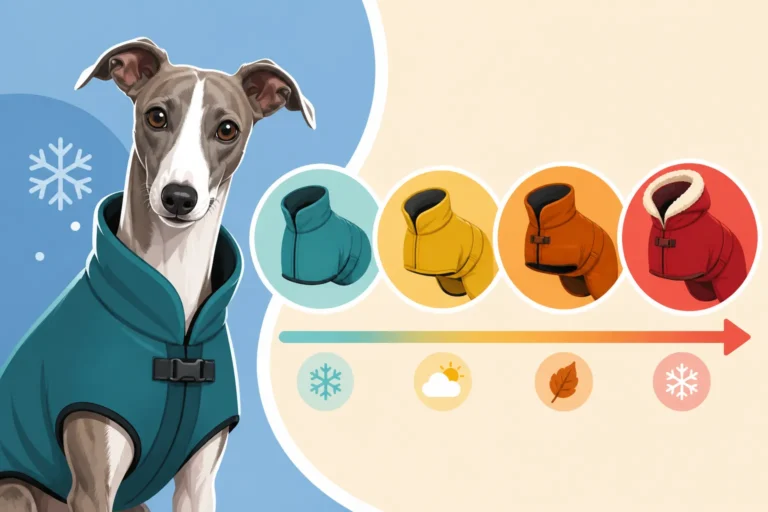
For the vast majority of Whippets, blankets are a boon. However, there are times when they might not be sufficient, or in very specific circumstances, could even be too much. If your home is particularly chilly, especially during winter months, a blanket on its own might not cut it. You might notice your Whippet still shivering or seeking additional heat sources even while covered. In such cases, consider adding a layer of clothing, such as a soft fleece pajama set or an indoor coat. Whether a Whippet Needs a Coat Indoors offers great insights into dressing your Whippet for warmth.
Alternatively, if your home is consistently very warm, perhaps you keep the thermostat high, or it's summer, your Whippet might not need as much heavy blanketing. While they'll likely still appreciate the burrowing aspect for security, they might opt for thinner blankets or only cover themselves partially. Pay attention to your dog's cues: if they're panting excessively, seem restless despite being under blankets, or move off the blankets frequently, they might be too warm. It's always a good idea to ensure they have an uncovered area to move to if they get too toasty. You can explore a variety of indoor apparel and bedding options on sites like Chewy or specific sighthound outfitters, ensuring your Whippet is perfectly cozy year-round.
Addressing Common Concerns and Myths
It's natural to have questions when it comes to providing the best care for our furry family members. When it comes to Whippets and blankets, there are a few misconceptions that pop up. Let's clear the air and reinforce why catering to their need for coziness is simply good pet ownership.
"Spoiling" Your Whippet with Blankets
One of the most common worries I hear from new Whippet owners, or even those who just haven't owned a sighthound before, is the fear of "spoiling" their dog by letting them sleep under blankets or giving them too many soft beds. The idea that dogs need to be tough, or that providing too much comfort makes them weak or demanding, is a persistent myth for some. For a Whippet, this couldn't be further from the truth. As we've discussed, their physical build genuinely makes them more susceptible to cold than many other breeds. Providing warmth and comfort isn't spoiling; it's meeting a fundamental physiological and psychological need.
Imagine telling a human child they're "spoiled" for wanting a warm bed on a cold night. It sounds absurd, right? The same logic applies to your Whippet. They aren't manipulating you; they are instinctively seeking comfort and safety. Embracing their natural inclination to burrow and providing them with plush beds and abundant blankets simply means you're being a responsive and empathetic owner. It contributes to their overall well-being, reducing stress and promoting restorative sleep, which in turn leads to a happier, healthier dog. Don't let anyone make you feel bad for giving your Whippet the comfort they deserve!
Hygiene and Maintenance of Bedding
With all those cozy blankets, you might start to worry about hygiene. After all, blankets can collect hair, dirt, and odors. Thankfully, Whippets are generally a very low-maintenance breed when it comes to grooming. They have short coats, shed minimally, and don't have a strong "doggy" odor, which is a huge plus. How Much a Whippet Sheds is a great resource if you're curious about their minimal shedding. This means their bedding doesn't usually get as dirty as quickly as it might with a longer-haired or more active, muddy breed.
However, regular washing is still essential for cleanliness and to keep their sleeping area fresh. Aim to wash their blankets and bed covers every one to two weeks, or more frequently if they've been particularly active or if you notice any odors. Most fleece blankets and dog bed covers are machine washable, making this an easy task. Using a gentle, pet-safe detergent can help prevent skin irritations, especially for Whippets who have delicate skin. Keeping their bedding clean not only promotes good hygiene but also ensures their cozy haven remains inviting and pleasant for them. You might even find specialized pet-safe laundry detergents at retailers like Chewy that are formulated to handle pet odors and dander effectively, keeping those beloved blankets pristine.
Comparative Look: Whippet Sleeping Needs
To truly appreciate why a Whippet's sleeping habits often involve blankets, it helps to compare their needs with some common misconceptions and other breeds. This table highlights how their unique physiology shapes their comfort requirements.
| Characteristic | Whippet's Need/Behavior | Common Misconception/Contrast |
|---|---|---|
| Body Fat/Insulation | Very low body fat, thin single coat | "All dogs are fine with a basic bed" |
| Cold Sensitivity | Highly sensitive to cold, even indoors | "They're just being dramatic" |
| Burrowing Instinct | Strong instinct to burrow for warmth/security | "It's just a cute habit" |
| Bedding Preference | Soft, plush, ample blankets, den-like spaces | "Any dog bed will do" |
| Comfort Needs | Physical warmth + emotional security | "Only warmth matters" |
| Scent/Cleanliness | Low odor, minimal shedding | "Blankets get too dirty too fast" |
As you can see, a Whippet's needs are quite specific. It's not just about a preference for softness, but a fundamental requirement rooted in their genetics and physical build. Recognizing this allows us to provide them with the optimal environment to thrive. If you're looking to create the ultimate snuggle spot, consider What a Whippet Bed Should Be Made Of to ensure you're providing the best support and warmth possible. Even considering Whether a Whippet Needs a Heated Bed might be relevant in very cold climates or for older Whippets.
The Cozy Reality: Whippets and Their Blankets
So, should a Whippet sleep under a blanket? The answer is a resounding yes, for the vast majority of these elegant sighthounds. Their unique physical composition – thin skin, minimal body fat, and a fine, single coat – means they are inherently more susceptible to cold than many other breeds. This isn't a sign of weakness or a desire to be spoiled; it's a genuine biological need for warmth that often extends to an emotional need for security.
By providing your Whippet with soft, ample blankets, you're not just offering a luxurious comfort; you're fulfilling an instinctual drive to burrow and create a safe, warm den. This contributes significantly to their overall well-being, promoting deeper sleep, reducing anxiety, and simply making them feel more secure in their environment. From a young puppy learning the ropes to an older Whippet who feels the cold more acutely, a blanket is a simple yet profound way to show your love and care. So go ahead, let your Whippet burrow, nudge, and nest to their heart's content. A happy Whippet is often a deeply buried Whippet.
Disclaimer
This article is for general informational purposes only and does not constitute professional advice. Laws, prices and regulations vary by location and change over time. Consult a qualified professional for guidance on your specific situation.