The Positions a Whippet Sleeps In
If you’ve ever lived with a Whippet, you know they are masters of the snooze, often contorting themselves into the most peculiar and endearing positions. From being a tight, coiled ball to a sprawling, belly-up display, their sleep habits can spark both amusement and a little curiosity. This guide will explore the fascinating world of Whippet sleeping positions, what they might tell you about your dog's comfort and well-being, and how to create the perfect slumber haven for your speedy, sensitive companion.
The Classic Whippet Naps: Understanding Their Common Sleeping Positions
Whippets have a repertoire of sleeping positions that are as varied as they are charming. Each posture often gives a little clue into their current state of comfort, temperature, and overall feeling of security. Observing these can be a delightful way to understand your dog better.
The Donut (or Cinnamon Roll): Coiled Up and Cozy
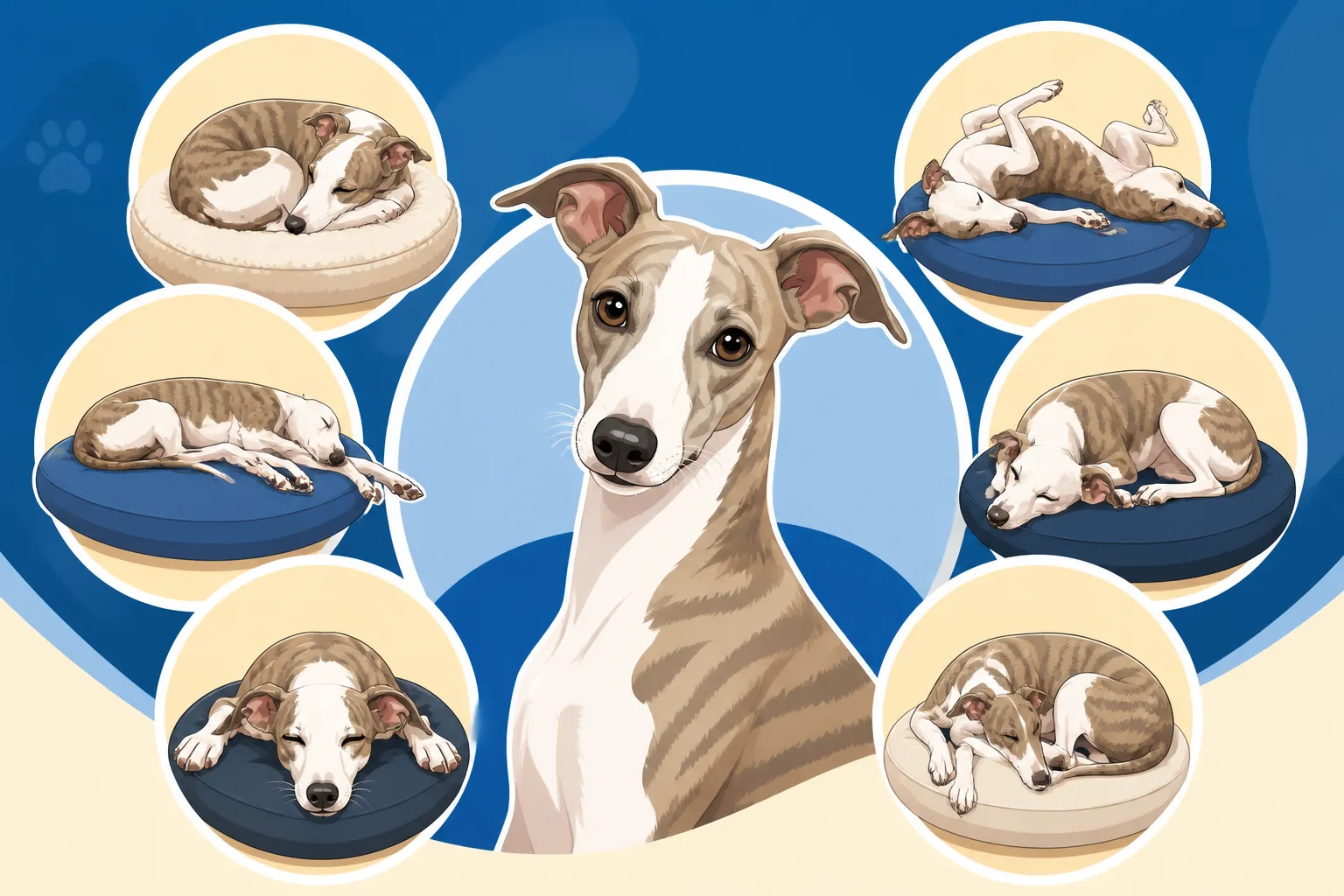
This is perhaps one of the most iconic Whippet sleeping positions, and certainly one you’ll see frequently. Your Whippet will curl up tightly, nose tucked into their tail, resembling a perfect little cinnamon roll or a donut. Often, they’ll seek out a blanket or cushion to perform this maneuver, disappearing under layers of fabric.
The "donut" isn't just for aesthetics; it's a deeply ingrained instinct, especially in sighthounds. It’s primarily a fantastic way for them to conserve body heat. With their minimal body fat and thin coats, Whippets are notoriously susceptible to the cold, and curling up minimizes the surface area exposed to cooler air. It’s also a position of security, making them feel protected and less vulnerable, like being in a small den.
When you see your Whippet in this tight curl, it’s a good sign they are feeling a bit chilly or simply seeking that deep, comforting sense of security. Providing ample soft blankets for them to burrow into can enhance this feeling, allowing them to create their own warm, safe nest. This is a comfort behavior that speaks volumes about their need for warmth and coziness.
The Sprawling Roach: Belly Up and Carefree
Ah, the majestic "roach"! This position is a complete contrast to the donut, yet equally characteristic of a deeply content Whippet. Your dog will be lying entirely on their back, legs flailing loosely in the air, sometimes crossed, sometimes splayed wide. Their belly, chest, and all four paws are exposed to the world.
When a Whippet "roaches," it’s one of the clearest indicators of profound relaxation and absolute trust in their environment. A dog will only expose their vulnerable belly if they feel utterly safe and unthreatened. It’s a sign that they know they are secure in their home and with their family, without a care in the world. Many owners find this position incredibly endearing and often snap a quick photo to capture the moment of pure, unadulterated happiness.
Beyond security, the sprawling roach is also an effective way for Whippets to cool down. Their sparsely furred belly and groin area allow heat to dissipate more easily. So, if your Whippet has been zooming around the yard or if the house is a bit warm, don't be surprised to find them in this hilariously awkward yet deeply comfortable pose. It’s a wonderful reminder that your dog feels completely at home.
The Side Sleeper: Stretching Out
The side sleeper is a more conventional dog sleeping position, but still reveals a lot about a Whippet's comfort. In this pose, your Whippet will be lying on their side, with their legs extended out in front and behind. You might notice their paws twitching, or soft woofs escaping as they cycle through dreams, perhaps chasing phantom rabbits in their sleep.
This position signifies a comfortable and relaxed state, though perhaps not as deeply vulnerable or warm-seeking as the roach or donut. It’s a balanced posture where they are at ease but can still quickly respond if needed. Many Whippets will start their sleep curled up and gradually uncurl into a side-sleeping position as they warm up and relax further into their slumber.
It’s a common sight to find a Whippet stretched out on a soft bed or sofa in this manner, often with a favorite blanket draped over them or nearby. It shows they’re in a state of quiet repose, enjoying a good rest without the immediate need to either conserve heat intensely or expose themselves completely. It’s a perfect reflection of their calm, indoor personality.
Decoding the Quirks: Why Whippets Choose Their Unique Poses
Understanding why Whippets adopt these specific sleeping positions goes beyond simple observation. It delves into their physical characteristics, their innate sighthound instincts, and their individual personalities. These quirks are charming, but they also highlight specific needs that we, as their human companions, should always be mindful of.
The Quest for Warmth: A Whippet's Internal Thermostat
There's no getting around it: Whippets are lean machines, built for speed, not for insulation. Their fine, short coats and lack of body fat mean they get cold very easily, much more so than many other breeds. This physiological reality profoundly influences their sleeping habits. Positions like the tight "donut" are direct responses to this need for warmth, as they minimize exposed surface area.
You’ll often find your Whippet seeking out the warmest spots in the house. This could be a sunbeam, under a pile of blankets, nestled right up against you on the sofa, or even burrowed deep under duvet covers at night. Drafts, chilly floors, or even a slightly cooler room temperature can send them into a desperate search for heat. This is why A Whippet Has No Insulation and No Padding is a truth every owner lives by, and it informs their constant pursuit of cozy spots.
Providing plenty of soft, warm bedding and blankets isn't just a luxury; it's a necessity. Their comfort, and indeed their health, relies on being able to regulate their body temperature effectively. If they’re shivering indoors, it’s a clear sign they need more warmth, and their sleeping positions will reflect this constant internal struggle against the cold.
The Need for Security and Comfort: Feeling Safe and Supported
Beyond warmth, Whippets, like all dogs, crave security. Sighthounds, with their sensitive natures, can often be quite particular about their environment. A curled-up position or burrowing deeply into blankets can offer a profound sense of security, mimicking the safety of a den. It allows them to feel hidden and protected from any perceived threats, even if those "threats" are just the daily household noises.
However, when a Whippet is truly relaxed and feels utterly safe, they will confidently display more vulnerable positions, such as the sprawling "roach." This pose, with their belly exposed, is the ultimate sign of trust in their surroundings and their human family. It says, "I am so comfortable here, I know nothing bad will happen." It's a testament to the strong bond you share and the secure environment you've provided.
Comfort also extends to physical support. Whippets have delicate, bony structures, and lying on hard surfaces can be uncomfortable and even lead to issues like pressure sores. Their desire for soft surfaces and supportive beds plays a huge role in how and where they choose to sleep. A soft, inviting bed meets both their need for physical comfort and their psychological need for a secure haven.
Adaptability and Space Utilization: Fitting into Odd Nooks
One of the most amusing aspects of Whippet sleeping habits is their uncanny ability to fold themselves into the most improbable spaces. You might find them wedged between sofa cushions, nestled precariously on a pile of clean laundry, or curled up in a basket far too small for them. This adaptability is partly due to their flexible, lithe bodies, but it also ties back to their primary drivers: warmth and security.
Small, enclosed spaces tend to be warmer, and they also offer that den-like feeling of being tucked away and safe. Sometimes, it seems they simply choose the softest, most intriguing spot that catches their eye, even if it defies the laws of canine ergonomics. They're not always logical in their choices, which is part of their charm.
This behavior highlights the importance of providing a variety of comfortable sleeping options throughout your home. Even if you've invested in a luxurious dog bed, don't be surprised if your Whippet sometimes opts for a discarded sweater or a sunny spot on the carpet. They're simply utilizing their environment to maximize their comfort and sense of well-being, often with a dash of quirky personality thrown in.
Crafting the Perfect Sleep Sanctuary for Your Whippet
Given their unique needs for warmth, comfort, and security, creating an ideal sleep environment for your Whippet is paramount. It’s not just about giving them a bed, but providing the right bed and setting up their space to truly cater to their sighthound sensibilities.
The Importance of Proper Bedding: More Than Just a Cushion
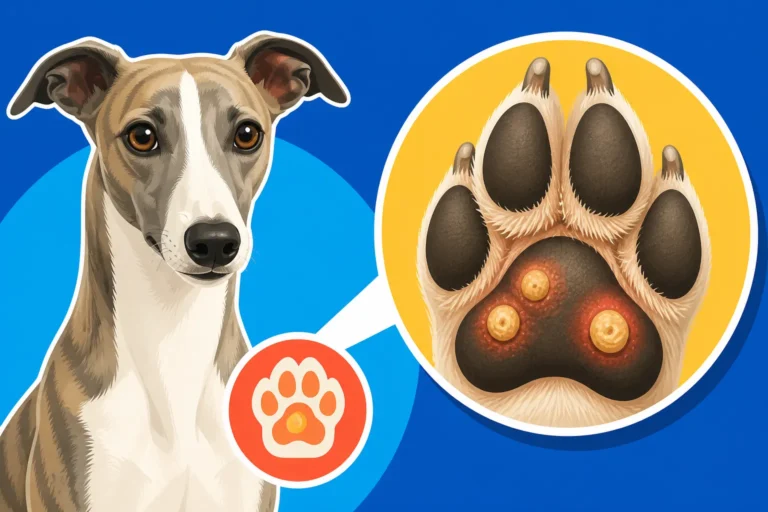
For a Whippet, a bed isn't just a place to rest; it's a critical piece of their comfort infrastructure. Their lean bodies and minimal natural padding mean that hard floors or thin cushions can quickly become uncomfortable and even lead to health issues. Pressure sores, especially on elbows and hips, are a real concern when they repeatedly lie on unforgiving surfaces. This is why paying attention to The Pressure Sores a Whippet Gets From Sleeping on the Floor is so vital.
Investing in high-quality, supportive bedding, such as orthopedic foam or memory foam beds, is highly recommended. These materials contour to their body, distributing weight evenly and relieving pressure points. Bolster beds, with raised sides, are also popular as they provide a sense of security and a cozy headrest. You can find a fantastic array of options on platforms like Amazon or specialized pet stores like Chewy, ensuring you get something durable and comfortable.
Having multiple beds strategically placed around your home caters to their natural desire to follow the sunbeam, avoid drafts, or simply be near their human family. Consider a primary bed in your main living area, another in the bedroom, and perhaps a smaller, portable one for travel or quiet corners. This ensures they always have a soft landing, no matter where they decide to relax. For more ideas, you might find The Beds a Whippet Owner Keeps Buying a relatable read.
Blankets, Covers, and Burrowing Opportunities
A Whippet without a blanket is like a fish out of water – they just don't quite know what to do with themselves! Their instinct to burrow is incredibly strong, driven by their need for warmth and the feeling of a secure den. Providing plenty of soft, pliable blankets is essential for their emotional and physical comfort.
Fleece, faux fur, or even old towels and quilts make excellent burrowing material. Whippets love to "dig" and knead their blankets into the perfect nest before settling down, often disappearing completely under the fabric. This behavior isn't just cute; it's a vital part of their self-soothing and temperature regulation. It's truly amazing to see how much effort they put into creating their perfect cozy hideaway. For a deeper dive into this topic, check out Whether a Whippet Should Sleep Under a Blanket.
Don't be shy about having a generous supply of blankets. They can be draped over beds, sofas, or even left in piles on the floor for impromptu nest-building. Knowing that they have access to these soft, warm layers allows them to indulge their natural instincts and ensures they can always get cozy, whether for a quick nap or a long night's sleep. They truly thrive when they can cocoon themselves.
Temperature Control and Draft Prevention
Because Whippets feel the cold so acutely, maintaining a comfortable ambient temperature in your home is crucial. This is particularly important in their primary sleeping areas. Avoid placing beds directly in front of drafty windows or doors, especially during colder months. A constant draft can make them shiver and seek out less ideal, but warmer, sleeping spots.
In winter, a room temperature that feels comfortable to you might still be too cool for your Whippet, especially an older or less active one. Consider an extra layer of warmth for them. This might involve an insulated bed, or for particularly chilly nights, pajamas or a sweater. Many Whippets adore wearing cozy sleepwear, which provides an extra barrier against the cold. Whether a Whippet Needs Pajamas for Sleeping goes into more detail on this.
Similarly, in summer, ensure they have access to cooler spots if they desire, but without drafts from air conditioning directly hitting them. While they love to bask in sunbeams, ensure they can move to a shadier, cooler spot if they get too warm, especially if they are prone to "roaching" to cool off. The goal is to provide a consistent, comfortable temperature range that allows them to relax without constantly battling either the heat or the cold. For advice on balancing their warmth needs, consider reading Keeping a Whippet Warm Without Overheating It.
When Sleeping Positions Tell a Story: Subtle Cues and Concerns
While most Whippet sleeping positions are signs of contentment and normal behavior, sometimes a change in their preferred posture or an increase in restlessness can be subtle indicators that something might be amiss. As observant owners, it’s important to pay attention to these shifts.
Changes in Sleeping Habits: A Potential Indicator
A sudden and significant change in your Whippet's typical sleeping positions or patterns can be a quiet signal worth noting. For instance, if your dog, who usually enjoys sprawling out in a "roach" or side-sleeping, suddenly starts exclusively curling up tightly in a donut position, it could indicate they are feeling cold more often, or perhaps experiencing some general discomfort or anxiety.
Conversely, a Whippet who always burrows under blankets but suddenly starts seeking out cool, hard floors, might be experiencing overheating or even a low-grade fever. While these shifts aren't always serious, they can be an early sign that your dog is trying to communicate a need. Trust your gut; if something feels "off" about their new habits, it's worth keeping a closer eye on them. Whether a Whippet Should Be Covered at Night can offer insights into regulating their comfort.
Sometimes, it's not just the position but the frequency of position changes. If your Whippet seems unable to settle into any one position for long, constantly shifting and re-nesting, it could be a sign of underlying pain or discomfort that they are trying to alleviate. This can be particularly true in older Whippets, where arthritis or other aches might make finding a comfortable spot a challenge.
Restlessness and Difficulty Settling
A restless Whippet struggling to get comfortable for sleep is another important cue. If your dog circles endlessly, paces, lies down, gets up, and repeats the process, it’s a sign they’re not finding their usual comfort. This restlessness could be due to several factors.
Physical discomfort, such as an upset stomach, bladder pressure, joint pain, or even simply being too hot or too cold, can manifest as an inability to settle. Anxiety can also play a role; a nervous Whippet might struggle to relax into sleep, especially if there are unusual noises or changes in their environment. Why a Whippet Shivers Indoors touches on how subtle environmental factors can affect their comfort.
If the restlessness is accompanied by other symptoms like excessive panting, drooling, whining, or changes in appetite, it's definitely time for a veterinary check-up. Persistent difficulty settling is not typical for a generally laid-back Whippet and shouldn't be ignored, as it could point to a more significant underlying issue that needs attention.
Monitoring for Discomfort and Pain
Your Whippet's sleeping positions can sometimes provide clues about localized pain or discomfort. A dog with a sore hip might favor lying on the opposite side, or one with shoulder pain might adjust their front leg positioning to avoid pressure. Pay attention to how they get up after resting; do they seem stiff, hesitant, or reluctant to move? Do they yelp or groan when stretching?
As Whippets age, like all breeds, they can develop conditions like arthritis. A dog trying to cope with joint stiffness will often adjust their sleeping posture to find relief. For older Whippets, a firm, orthopedic bed becomes even more essential, as soft, unsupportive surfaces can exacerbate joint pain. When a Whippet Gets Arthritis offers more information on this common issue.
Regularly observing your Whippet's comfort level, not just when they are awake but also when they are resting, allows you to catch these subtle signs early. A proactive approach, including regular vet check-ups and providing a truly supportive sleep environment, can make a huge difference in their overall well-being and ensure their unique sleeping positions remain signs of happiness, not discomfort. For tips on supporting your aging companion, consider Caring for an Old Whippet That Feels the Cold.
Here’s a quick overview of what different sleeping positions often signal:
| Sleeping Position | Common Indication | Comfort Level | Energy Conservation |
|---|---|---|---|
| The Donut (Curled Ball) | Warmth-seeking, feeling secure, protected | High (cozy) | High |
| The Roach (Belly Up, Legs Flailing) | Deep relaxation, feeling safe, cooling down | Very High | Low (vulnerable) |
| The Side Sleeper | Relaxed, comfortable, general rest | High | Medium |
| The Lion (Paws Tucked) | Alert but resting, short nap, ready to rise | Medium | Medium |
| The Burrower (Under Blankets/Pillows) | Warmth-seeking, security, "denning" instinct | Very High | High |
Whippets, with their lean bodies and sensitive souls, communicate a surprising amount through their sleeping postures. From the tight, heat-conserving donut to the vulnerable, deeply trusting roach, each pose is a window into their comfort, security, and physical needs. As their devoted companions, understanding these signals and providing a warm, soft, and secure environment allows them to enjoy the deep, restorative sleep they need and deserve.
Disclaimer
This article is for general informational purposes only and does not constitute professional advice. Laws, prices and regulations vary by location and change over time. Consult a qualified professional for guidance on your specific situation.