The Whippet Against an Italian Greyhound
It's a common and completely understandable dilemma: you've fallen in love with the sleek lines and gentle nature of sighthounds, but when it comes to bringing one home, the distinction between a Whippet and an Italian Greyhound can feel a bit blurry. On the surface, they share that undeniable elegance, that lean athleticism, and often, that deep desire to be curled up on your sofa. But beneath those shared characteristics lie some crucial differences in size, temperament, and care that can make one a far better fit for your lifestyle than the other. This guide is here to help you navigate those nuances, offering a realistic look at what it truly means to live with either of these wonderful breeds.
Understanding Their Ancestry and Purpose
To truly understand a dog, you often have to look at its history. What was it bred for? What was its role in human society? For Whippets and Italian Greyhounds, their origins tell vastly different stories that continue to influence their personalities and physical needs even today. It's not just about aesthetics; it's about purpose.
The Whippet's Working-Class Roots
The Whippet, often lovingly referred to as the "poor man's racehorse," emerged from the industrial heartlands of Northern England in the 19th century. These were dogs bred by coal miners and factory workers who couldn't afford the larger, aristocratic Greyhounds but still yearned for the thrill of a race. They needed a dog that was fast, agile, and fiercely competitive, capable of chasing a rag (hence the nickname "snap dog" or "lightning rag dog") across a field for a week's wages. But crucially, this racing prowess had to be balanced with a practical reality: the dog also needed to be a quiet, clean, and affectionate companion, capable of sharing a small home and often the family bed, helping to keep the family warm on cold nights.
This dual purpose of speed on the track and gentle companionship indoors created the unique Whippet temperament we know today. They are dogs built for explosive bursts of speed, but equally content to spend hours snuggled deep under a blanket. They are resilient and relatively robust, accustomed to the hustle and bustle of working-class families, and not prone to extreme fragility despite their delicate appearance. They were, and still are, truly dogs of the people, adaptable and loving. The Poor Man's Racehorse: Whippets in the Northern Coalfields delves deeper into this fascinating history.
The Italian Greyhound's Noble Lineage
In stark contrast, the Italian Greyhound boasts a much longer and more aristocratic history, dating back thousands of years to ancient Egypt and eventually flourishing in Renaissance Italy. These were dogs bred exclusively for companionship, favored by royalty and noble families for their exquisite beauty, delicate features, and lap-dog charm. Their purpose was not to race for a living, but to adorn the laps of ladies and gentlemen, to be admired for their grace and refinement. They were status symbols, depicted in countless artworks, and pampered extensively.
This lineage means the Italian Greyhound was never subjected to the same rigorous working demands as the Whippet. Their breeding focused purely on aesthetics and companionship, leading to a smaller, more refined, and inherently more delicate structure. They were dogs of comfort and luxury, bred to live soft lives. This historical context helps explain why they often carry themselves with a certain regal air, demand constant closeness with their human companions, and are more physically vulnerable than their Whippet cousins. They are truly miniature sighthounds, bred to be delicate treasures.
Size and Physicality: More Than Just a Smaller Version
When people first look at a Whippet and an Italian Greyhound side-by-side, the most immediate difference is size. It’s easy to think of an Italian Greyhound as simply a "mini Whippet," but that's really not accurate. Their builds, bone structure, and overall robustness are quite distinct, impacting everything from their potential for injury to the kind of harness you need to buy.
Decoding the Whippet's Athletic Build
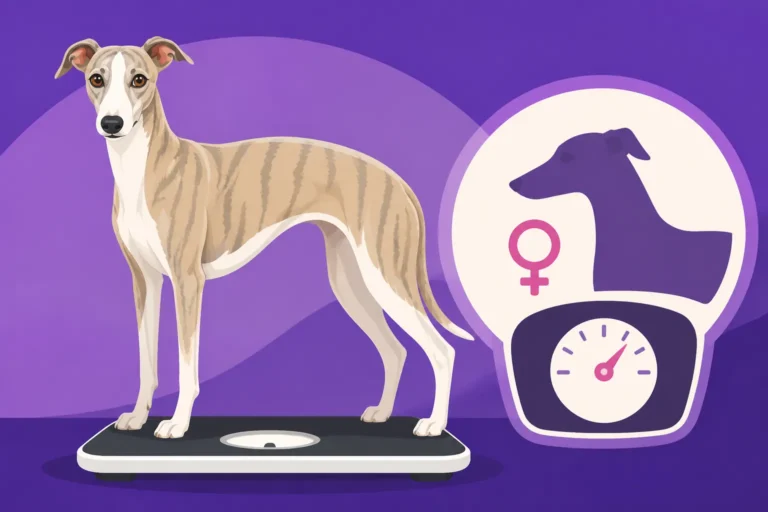
A Whippet, while graceful and elegant, is built for power and speed. They typically stand about 18 to 22 inches tall at the shoulder and weigh between 25 and 45 pounds. This is a dog that can run at speeds up to 35 miles per hour, and their body is engineered for it. They have strong, well-muscled hindquarters, a deep chest that houses powerful lungs and a large heart, and a flexible spine that allows for an incredible double-suspension gallop. Their bone structure, while fine, is sturdy, designed to withstand the forces of high-speed running and quick turns.
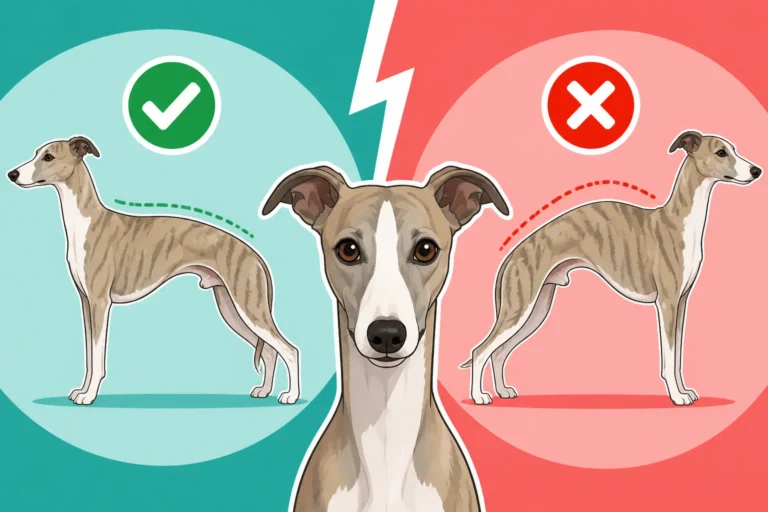
You'll notice their ribs and hip bones are usually visible, but this isn't a sign of malnourishment; it's characteristic of their lean, athletic build. They have very little body fat to insulate them, which is why A Whippet Has No Insulation and No Padding is a critical read for new owners. While they are far from clumsy, they are certainly robust enough for active play with other dogs and can handle the occasional bump or tumble without immediate cause for alarm, though their thin skin does make them prone to tears. How Much Smaller a Whippet Is Than a Greyhound helps put their size into perspective compared to their larger sighthound relatives.
The Delicate Grace of the Italian Greyhound
The Italian Greyhound is a much smaller, more refined creature. They generally stand between 13 and 15 inches tall and weigh a mere 7 to 14 pounds. This isn't just a slight size reduction; it's a fundamental difference in scale and robustness. Their bones are much finer and more delicate, making them significantly more prone to fractures, particularly in their legs. This fragility is a major consideration for prospective owners. A fall off the sofa, a misstep during play with a larger dog, or even jumping off a bed can result in a broken leg, leading to costly vet bills and a lengthy recovery.
Their gait is typically a high-stepping, elegant trot rather than the ground-eating gallop of a Whippet, though they can certainly sprint with surprising speed over short distances. Their fine coat offers even less protection than a Whippet's, making them highly susceptible to cold. It's a valid question Whether an Italian Greyhound Is More Fragile Than a Whippet, and the answer is a resounding yes. They require more careful handling and supervision, especially during their puppyhood and early adolescence when bones are still developing.
Weight and Height Comparison Table
To give you a clearer picture of the typical physical differences, here's a quick comparison:
| Characteristic | Whippet (Adult) | Italian Greyhound (Adult) |
|---|---|---|
| Height | 18-22 inches (at shoulder) | 13-15 inches (at shoulder) |
| Weight | 25-45 pounds | 7-14 pounds |
| Build | Athletic, muscular, sturdy frame | Delicate, refined, fine-boned |
| Body Fat | Very little | Extremely little |
| Speed | Up to 35 mph (sprinting) | Fast over short bursts |
| Fragility | Thin skin, prone to tears | Prone to bone fractures, delicate |
This table clearly illustrates that while both are sighthounds, their physical compositions are built for different realities, with significant implications for their care and daily lives.
Temperament and Lifestyle: Couch Potatoes, Big and Small
Both Whippets and Italian Greyhounds share the sighthound trait of being "forty-mile-an-hour couch potatoes." They love to run, but they love to lounge even more. However, the intensity of their energy and their need for companionship often differ. This is where your personal lifestyle really comes into play.
The Whippet's Energetic Bursts and Chill Modes
A Whippet truly embodies the saying The Whippet Is a Forty Mile an Hour Couch Potato. They need a good, hard sprint or a vigorous play session daily to be truly content. This isn't a dog you can skip exercise with day after day without consequences. They thrive on the opportunity to stretch their legs and hit top speeds, ideally in a securely fenced area where they can't chase after tempting squirrels or rabbits. After their intense exercise, they transform into absolute angels indoors, typically settling down for long naps on the softest bed or blanket they can find.
Whippets are generally adaptable and can live happily in various environments, including apartments, provided their exercise needs are met. They are affectionate and loyal, usually bonding closely with their families. While they enjoy being near their people, they often have a slightly more independent streak than Italian Greyhounds. They're usually fine with a bit of quiet time, though prolonged isolation isn't ideal for any sighthound. They tend to be polite with strangers after an initial period of shyness, and generally get along well with other dogs, especially other sighthounds who understand their play style.
Italian Greyhound: Velcro Dog and Sprinter
Italian Greyhounds, while also lovers of a good nap, tend to be much more attached to their human companions. They are often described as "Velcro dogs," thriving on constant physical contact and craving to be in their owner's lap or snuggled under the covers right beside them. Their need for warmth also contributes to this desire for closeness; they lose body heat very quickly due to their extremely thin skin and lack of fat.
Like Whippets, Italian Greyhounds love to run. Despite their delicate appearance, they possess impressive speed and agility in short bursts. However, their smaller size means their exercise needs can often be met with vigorous indoor play, a good zoomie session in a small, secure yard, or shorter, leashed walks. They are excellent apartment dwellers because of their minimal space requirements and tendency to conserve energy indoors. The challenge often lies in managing their delicate nature during play and ensuring they have safe outlets for their energy without risking injury.
Exercise Requirements and Apartment Living
Both breeds require exercise, but the type and intensity differ.
- Whippets: Need daily opportunities to really run. Think 20-30 minutes of flat-out sprinting or a good hour-long brisk walk/jog. A securely fenced yard is almost non-negotiable for their off-leash safety, as their prey drive is incredibly strong. How Far a Whippet Can Sprint Before It Tires helps explain their energy bursts. They do beautifully in apartments as long as those outdoor exercise needs are rigorously met.
- Italian Greyhounds: Require less intense outdoor exercise than Whippets. Several short walks a day, combined with vigorous indoor play, often suffice. They can get a surprising amount of exercise simply by zooming around your living room. A small, secure yard is a bonus, but not strictly necessary if you're dedicated to their daily walks and indoor activities. Whether a Whippet Suits an Apartment covers similar ground, but for IGs, it's an even more resounding yes.
Choosing between them often comes down to how much you enjoy and can provide for those longer, more intense outdoor runs. If you're a runner yourself, a Whippet might be a fantastic partner. If you prefer shorter, more frequent strolls and lots of cuddles on the couch, the Italian Greyhound might be your perfect match.
Health Considerations: Fragility vs. Robustness
While both Whippets and Italian Greyhounds are generally healthy breeds with decent lifespans, they do come with their own set of potential health concerns, some of which are directly related to their physical differences. Understanding these can help you prepare for potential vet visits and ensure you're providing the best care.
The Whippet's Resilient Nature
Whippets are, by and large, a remarkably healthy and resilient breed. They are not typically prone to a long list of genetic disorders. Their most common "health issue" often revolves around their skin. Because The Thin Skin That Sends a Whippet to the Vet for Stitches is a real phenomenon, they can easily get nicks, cuts, and scrapes from rough play, running through brush, or even bumping into furniture. These wounds often require veterinary attention and stitches, which can be an unexpected cost. However, they generally heal well.
Beyond skin tears, Whippets are generally quite hardy. They can be sensitive to anesthesia, requiring Why a Whippet Needs a Sighthound Anesthesia Protocol, but a knowledgeable vet can manage this easily. They are also prone to developing dental disease, like many small to medium breeds, so regular dental care is crucial. Overall, a well-bred Whippet from health-tested parents is likely to enjoy a long, healthy life, often reaching 12 to 15 years.
Italian Greyhound's Delicate Bones and Dental Needs
Italian Greyhounds, due to their extremely fine bone structure, are notoriously prone to leg fractures. This is arguably their most significant health concern. Puppyhood and adolescence are particularly risky periods, but adults can also suffer breaks from seemingly innocuous incidents. This fragility means owners need to be extra vigilant, providing safe play environments, preventing jumping from heights, and often using ramps or stairs to protect their dog's legs. The recovery from a fracture can be long, involve expensive surgery, and require significant dedication from the owner.
Beyond fractures, Italian Greyhounds are highly susceptible to dental disease, often even more so than Whippets. Their small mouths can be crowded, leading to plaque and tartar buildup at an alarming rate. Regular tooth brushing, dental chews, and frequent professional dental cleanings (under anesthesia) are essential to prevent pain, infection, and tooth loss. They also require Why a Whippet Needs a Sighthound Anesthesia Protocol when undergoing any procedure that requires sedation, including dental work, so finding a vet experienced with sighthounds is paramount. Other potential issues include patellar luxation, epilepsy, and various eye conditions, though these are less common than fractures and dental problems.
General Sighthound Health Protocols
Regardless of whether you choose a Whippet or an Italian Greyhound, both breeds benefit from a veterinarian who understands sighthound physiology. This includes:
- Anesthesia: As mentioned, sighthounds metabolize anesthetic drugs differently, so specific protocols are needed to ensure safe sedation and recovery. Always discuss this with your vet.
- Body Condition: Both breeds are naturally very lean, with ribs and hip bones often visible. A vet unfamiliar with sighthounds might mistake this for malnourishment. Feeling a Whippet's Ribs and Hip Bones explains what to look for to ensure your sighthound is at a healthy weight, not underweight.
- Temperature Sensitivity: Their lack of body fat makes both breeds highly sensitive to cold. Providing coats, sweaters, and warm, soft bedding is crucial. Retailers like Chewy offer a wide array of excellent options, from cozy fleece pajamas to waterproof winter coats, that fit their unique sighthound shape.
- Joint Health: While less common in Italian Greyhounds due to their small size, Whippets can experience joint issues like arthritis as they age, especially if they've been very active. Protecting their joints throughout life, by ensuring they don't over-exercise as puppies and providing good joint support as seniors, is important.
Training and Socialization: Learning Their Way
Both Whippets and Italian Greyhounds are intelligent, sensitive dogs, but they respond best to positive, gentle training methods. Harsh corrections or punishment can easily shut them down or make them distrustful. Their sighthound nature also means certain aspects of training, like recall, present unique challenges.
Whippet Trainability and Sensitivity
Whippets are eager to please and intelligent, making them quite trainable with the right approach. They excel in activities like lure coursing, Fast CAT, and even agility, where their natural speed and prey drive can be channeled. They learn quickly, but can also get bored with repetitive drills, so short, fun training sessions are key. They respond incredibly well to positive reinforcement, especially food-based rewards or a game of chase with a favorite toy. How a Whippet Learns When It Bruises From Pressure highlights their extreme sensitivity to physical and emotional pressure.
The biggest training challenge with a Whippet is almost always their recall. Their prey drive is incredibly strong, and once they spot something to chase, their ears often turn off. This is why Thirty Five Miles an Hour and No Brakes on a Whippet's Recall is such a common owner lament. Unless you have an exceptionally strong, proofed recall, or are in a completely secure, fenced area, a Whippet should always be on a leash. Socialization from a young age is important to ensure they are comfortable with various people and other dogs, as they can sometimes be a bit shy with strangers. Sighthound Manners: A Whippet Meeting Other Dogs offers great advice on this.
Italian Greyhound's House Training and Stubborn Streak
Italian Greyhounds can be a bit more challenging to house train than Whippets. Their delicate bladders, combined with a strong aversion to cold or wet weather, can make accidents indoors more frequent, especially for puppies. Owners often find themselves needing to be very consistent with frequent potty breaks, even setting up covered outdoor potty areas or using indoor potty pads to encourage them to go outside when the weather is unpleasant. This aversion to inclement weather is why The Whippet That Will Not Toilet in the Rain also applies, but perhaps even more so, to Iggies.
While intelligent, Italian Greyhounds can also have a stubborn streak. They learn quickly but may choose to obey only if it suits them or if the reward is highly enticing. Patience, consistency, and positive reinforcement are absolutely vital. Like Whippets, their prey drive is strong, so off-leash excursions in unsecured areas are generally ill-advised. Their small size makes them incredibly fast, and they can disappear in an instant. Early and consistent socialization is important to help them build confidence, as they can be prone to shyness or nervousness around new people and situations.
Socializing with Other Dogs and Small Animals
Both breeds, being sighthounds, possess a strong prey drive. This means introductions to smaller pets like cats, rabbits, or guinea pigs need to be handled with extreme caution and never assumed to be safe.
- Whippets: Many Whippets can successfully live with cats, especially if introduced as puppies. However, their instinct to chase remains, and an unfamiliar small animal outdoors will almost certainly trigger a chase. It's a risk that requires careful management. Living With a Whippet and a Cat offers valuable insights here. With other dogs, Whippets are generally social and enjoy play, though their speed and sometimes boisterous play can overwhelm smaller, less athletic breeds.
- Italian Greyhounds: Due to their more delicate nature, Italian Greyhounds might be less likely to physically harm a cat, but the chase instinct is still very present. Their small size makes them more vulnerable when interacting with larger, more boisterous dog breeds, so supervised play is always recommended. They thrive in homes with other Italian Greyhounds or similarly sized, gentle dogs who understand their play style.
Living with Them: Daily Care and Considerations
Beyond training and exercise, the day-to-day care routines for a Whippet and an Italian Greyhound have some notable distinctions, particularly concerning temperature, feeding, and general comfort.
Coat Care and Temperature Sensitivity
Neither breed requires extensive grooming. Their short, smooth coats are remarkably low maintenance. A quick brush once a week to remove loose hairs and a wipe-down with a damp cloth is usually all they need. They shed minimally and are generally quite clean dogs, with very little "doggy" odor.
However, their lack of body fat and thin skin means both breeds are highly susceptible to cold. This is where the Italian Greyhound's needs often surpass the Whippet's.
- Whippets: Need coats for colder weather, generally when temperatures drop below 45-50°F (7-10°C). They will shiver and be uncomfortable without one. In winter, they often need pajamas or sweaters indoors as well, especially if your home is cool. They love to burrow under blankets for warmth. Whether a Whippet Needs a Coat Indoors is a common question for a reason!
- Italian Greyhounds: Are even more sensitive to cold. They need coats for almost any outdoor excursion once temperatures drop below comfortable room temperature. They frequently need sweaters or pajamas indoors, even in moderately cool homes, and will actively seek out warm places to sleep – often right under your covers. Their thinner coats and smaller body mass mean they lose heat even faster than Whippets. Finding appropriately sized and warm apparel for both breeds is important, and sites like Chewy offer fantastic options tailored to their unique sighthound physiques, from fleece rompers to insulated jackets.
Feeding a Sighthound Appetite
Both Whippets and Italian Greyhounds, despite their athletic builds, generally don't require massive amounts of food. They are efficient metabolizers.
- Whippets: Need a high-quality diet appropriate for active dogs. While they can sprint like mad, they are also excellent at conserving energy, so it's possible to overfeed them. Keeping a close eye on their body condition is crucial. You should be able to easily feel their ribs, and perhaps see the last two. Keeping Weight On a Whippet Without Making It Fat is a common concern for owners. They aren't typically picky eaters, though some can be.
- Italian Greyhounds: Being so much smaller, they eat significantly less than Whippets. They also benefit from a high-quality, nutrient-dense diet. Owners must be careful not to underfeed, as their metabolism is fast, but also not to overfeed, as even a little extra weight can stress their delicate joints. Italian Greyhounds can be notoriously picky eaters, sometimes skipping meals or being highly particular about their food. This requires patience and often experimentation to find a food they consistently enjoy. Whether a Whippet Is Cheap to Feed is often true for both, relative to their size and activity level compared to larger breeds.
Bedding and Comfort Needs
This is one area where both breeds are completely aligned: they absolutely need soft, comfortable bedding everywhere. Their minimal body fat means they have very little natural padding, and sleeping on hard surfaces can quickly lead to pressure sores, especially on their elbows, hocks, and hips.
- Whippets: Benefit from orthopedic dog beds, plush blankets, and soft cushions in every room they frequent. They will happily claim your sofa or bed if allowed. Why a Whippet Needs Soft Bedding Everywhere is not an exaggeration.
- Italian Greyhounds: Even more so, require soft bedding. Their delicate frames are even more susceptible to discomfort and potential pressure points. Cozy, burrowing beds, heated pads in colder climates, and soft blankets are absolute must-haves. They are masters of finding the warmest, softest spot in the house, often creating elaborate blanket nests. You'll want to stock up on dog beds from places like Chewy that offer supportive, plush options.
Ultimately, both Whippets and Italian Greyhounds are incredibly loving, charismatic, and relatively low-maintenance dogs in terms of grooming. The choice often boils down to your comfort level with a more delicate dog, your ability to manage their specific exercise needs, and your willingness to accommodate their varying degrees of "Velcro" attachment and temperature sensitivity. Both will enrich your life with their unique sighthound charm.
Disclaimer
This article is for general informational purposes only and does not constitute professional advice. Laws, prices and regulations vary by location and change over time. Consult a qualified professional for guidance on your specific situation.