Sighthound Manners: A Whippet Meeting Other Dogs
If you've ever found yourself in a dog park, or even just on a neighborhood walk, watching your graceful Whippet navigate interactions with other dogs, you know it can be a unique experience. While most Whippets are sweet-natured, their sighthound instincts and distinct body language can sometimes lead to awkward, or even tense, encounters with breeds that simply don't speak "sighthound." This guide is here to help you understand these nuances, manage tricky situations, and foster truly positive dog-to-dog manners for your beloved Whippet.
Understanding the Whippet's Instinctual Nature
Whippets are sighthounds, and that isn't just a fancy classification; it's a fundamental aspect of who they are, influencing everything from their incredible speed to their unique approach to social dynamics. Their instincts are deeply rooted in centuries of chasing and hunting by sight, and these traits manifest in ways that often set them apart from other dog breeds.
The Power of Prey Drive
Let's be real, a Whippet's chase instinct is powerful. It’s what makes them such exhilarating companions when they’re able to stretch their legs in a safe, fenced area, or participate in activities like lure coursing. But this innate drive to pursue anything that moves quickly – a squirrel, a leaf, or, yes, another dog dashing past – is a huge factor in how they interact. Many dog owners are familiar with the concept of prey drive, but with a sighthound, it's often magnified and triggered by visual cues. That sudden dart, that quick turn, can switch your Whippet from playful to "game on" in a heartbeat, and that can be alarming to other dogs and their owners.
Imagine you're walking your Whippet, and a fluffy little terrier suddenly bolts across your path. To your Whippet, that's not just another dog; it's a moving target, an invitation to a chase that their ancient genes are screaming to accept. This isn't malice; it's instinct. It’s important to recognize that this drive isn't something to be "trained out" entirely, but rather managed and channeled appropriately. Trying to suppress it completely can lead to frustration for your Whippet and more unpredictable behavior.
The intensity of this prey drive means that certain kinds of play, like rough-and-tumble wrestling that's common among many breeds, can quickly escalate if another dog starts "running away" in a way that triggers your Whippet's chase response. What starts as fun can turn into a serious pursuit if not carefully monitored. This is why understanding Why a Whippet's Chase Instinct Overrides Its Recall is so crucial, especially in uncontrolled environments.
Sighthound Play Styles: A Different Kind of Fun
Whippet play often looks distinct from, say, Labrador play. Instead of heavy body slams and boisterous tug-of-war, Whippets often prefer chase games. They love to run, to sprint, to leap and weave, often engaging in what looks like a sophisticated game of tag. They might nip playfully at flanks or rear ends during a chase, a behavior that is completely normal for sighthounds, but can be deeply offensive or terrifying to other breeds.
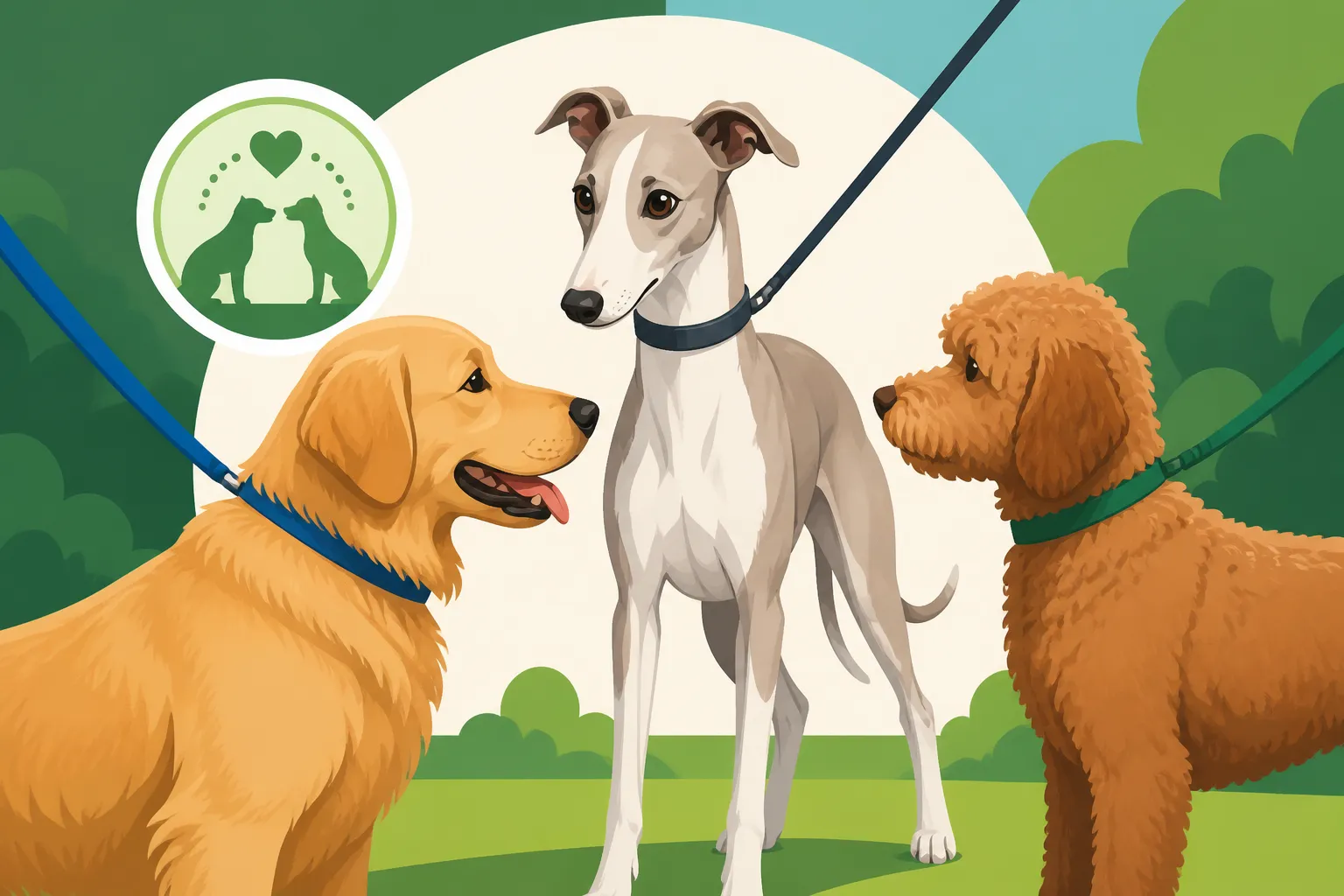
Consider a scene at the dog park: a Golden Retriever might initiate play with a friendly bow, then try to engage in a wrestling match. Your Whippet, however, might prefer to circle, feint, and invite a high-speed chase. If the Golden doesn't understand this invitation, or if the Whippet's "nip" is misconstrued as aggression, things can go south quickly. It's not that your Whippet is being mean; it's just speaking a different language of play.
This unique play style means finding compatible playmates can be a challenge. Other sighthounds often "get it" immediately, running in graceful unison. But a typical bully breed or herding dog, accustomed to different play cues, might find a Whippet's darting, nipping style confusing or even threatening. It’s not uncommon for a Whippet to feel overwhelmed by the rougher, more physical play of some other breeds, leading them to disengage or even react defensively if they feel cornered.
The Nuances of Whippet Body Language
One of the biggest hurdles in successful dog-to-dog interactions for Whippets is their unique body language. What they say with their posture, tails, and eyes is often quite different from what a Labrador, a German Shepherd, or a Poodle might communicate, leading to frustrating misunderstandings.
The "Roach" Back and Other Postural Cues
That beautiful, arched back, or "roach," that is so characteristic of a Whippet's structure isn't just for aesthetics; it's a functional part of their design for speed. But in the dog world, a roached back can sometimes be mistaken for an aggressive or fearful posture, especially by breeds not familiar with sighthounds. A dog with its back slightly hunched might be perceived as either getting ready to spring or feeling defensive and trying to make itself smaller. Neither interpretation is usually what your Whippet intends.
When a Whippet is playing or excited, that arch can become even more pronounced. They might tuck their tail tightly between their legs, not out of fear, but simply as a natural part of their running gait or exuberant play. To many other dogs, a tucked tail screams "fear" or "submission." If another dog approaches a Whippet with a tucked tail, interpreting it as submissive, and the Whippet then suddenly darts away (as Whippets do), the other dog might be confused or, worse, decide to pursue, thinking the Whippet is running from them, not just playing.
Their lean, almost aerodynamic build also contributes to this. They don't have the bulk or the thick fur to cushion perceived "impacts" or soften their movements. Every twitch, every turn, is sharply defined, which can appear more intense to other dogs than a similar movement from a fluffier, bulkier breed. This lack of "padding" also makes them physically sensitive, as we know that How a Whippet Learns When It Bruises From Pressure.
Direct Gaze vs. Averted Eyes
Many dog trainers teach that a direct stare from one dog to another can be a challenge or a threat. While this is often true for many breeds, Whippets can sometimes appear to stare intently because of their powerful sight-hunting instincts. Their eyes are designed to lock onto movement, and when another dog is moving, especially quickly, a Whippet's gaze might naturally follow and fixate. This isn't usually an aggressive challenge; it's just how they're wired to process visual stimuli.
However, a direct, unblinking gaze can be deeply unsettling to another dog, especially one that is already a bit nervous or reactive. They might interpret this focused attention as an impending confrontation, leading them to react defensively. Conversely, some Whippets, particularly those who are a bit shy, might actively avert their eyes, turning their heads away. While this is generally a sign of deference and politeness in dog language, it can sometimes be misinterpreted as disinterest or a precursor to flight, which might also invite unwanted pursuit.
It's a tricky balance: their instinct is to observe, but that observation can be misread. This is why careful management of initial introductions is key. You, as their human, need to be able to read both your Whippet's subtle cues and those of the other dog, and step in to translate or intervene before misunderstandings escalate.
Common Misunderstandings in Dog-Dog Interactions
Because of their unique instincts and body language, Whippets are often at the center of misunderstandings when meeting other dogs. These aren't necessarily "bad" interactions, but they highlight the communication gap that can exist between sighthounds and other breeds.
The "Silent Hunter" Effect
Whippets are often incredibly quiet dogs. They don't bark much, especially not at other dogs during play or initial greetings. While this might seem like a wonderful trait to us, in the noisy world of dog communication, it can be a disadvantage. Many dogs use vocalizations – barks, growls, yips – as part of their greeting and play rituals. These sounds act as signals: "I'm friendly!", "Let's play!", "Too rough!", "Back off!"
When a Whippet approaches another dog silently, with their intense gaze and sudden movements, the other dog might not receive the usual verbal cues to reassure them. They might perceive the Whippet as more predatory or intense because of this lack of vocal feedback. A dog used to a playful bark might be spooked by a Whippet silently circling or darting, leading them to bark defensively or even snap. Your Whippet isn't being rude; they're just not using the "common tongue" of dog park chatter.
This "silent hunter" effect also extends to their exit strategy. When a Whippet has had enough, or if they're overstimulated, they don't usually growl or give warning barks. They just leave, and they leave fast. This sudden departure, especially if another dog was trying to engage them, can again trigger a chase response from a non-sighthound, escalating what was merely an uncomfortable situation for your Whippet into a full-blown pursuit.
Size Differences and Perceived Fragility
Whippets are often described as "delicate" or "fragile," and while they are resilient, their thin skin and lack of body fat do mean they can be more susceptible to injury from rough play. This isn't just our perception; other dogs seem to sense it too, or rather, they don't sense the need to be gentle. A boisterous Golden Retriever or a muscular Pitbull mix might not understand that their playful shove could actually hurt a Whippet.
This creates a dilemma: you want your Whippet to socialize, but you also worry about their physical safety. Many Whippets, particularly smaller females or younger pups, can quickly become overwhelmed by larger, more physical dogs. A playful pounce that's fine for two Retrievers could knock a Whippet off its feet, potentially causing a skin tear or even a more serious injury. We've all seen those worried looks from other owners when their dog gets too close, or the frustration when a seemingly harmless interaction goes awry because of a size mismatch.
This isn't to say Whippets can't play with larger dogs, but it highlights the need for careful supervision and ensuring the play partners are truly compatible. Whether a Whippet Gets Hurt Playing With Bigger Dogs is a very real concern for many owners, and it often dictates where and with whom a Whippet is allowed to play off-leash. It also means you might become "that owner" who is constantly intervening, which can feel awkward but is essential for your Whippet's safety and confidence.
Managing On-Leash Greetings: A Minefield for Whippets
The leash, while a necessary safety tool, can paradoxically create more tension and misunderstanding during dog interactions. For Whippets, whose natural movements are all about flow and speed, being constrained can be particularly stressful, making on-leash greetings a tricky business.
The Frustration of Constraint
Imagine your Whippet, spotting another dog across the street. Their instinct is to flow, to move, to circle and assess. But they're on a leash, tugging against your hand, unable to use their natural sighthound body language to approach or retreat gracefully. This creates what's often called "leash frustration." The dog wants to get closer (or sometimes wants to get away), but the leash prevents that natural movement, building tension.
This tension can manifest in a few ways: a stiff posture, a low growl, or even a sudden lunge. None of these are good signals to the approaching dog. What might be an internal struggle for your Whippet to manage their excitement or apprehension can look like aggression to the other dog. This is why many trainers advocate for avoiding on-leash greetings entirely, especially with dogs whose histories or temperaments are unknown. It removes a significant source of stress for your Whippet and prevents potential misunderstandings.
Furthermore, a Whippet's delicate neck and throat mean that constant pulling against a collar can be uncomfortable or even harmful. A proper sighthound collar, like a martingale, is essential, but even with the right equipment, leash etiquette is key. For more on appropriate gear, consider topics like Whether a Whippet Needs a Martingale to prevent accidental slips and ensure comfort.
The "Barrier Effect" and Its Consequences
The leash doesn't just constrain; it can also act as a psychological barrier. Both dogs feel the constraint, and this can heighten their arousal and decrease their tolerance. A dog that might be perfectly fine greeting off-leash could react poorly when tethered, feeling vulnerable or trapped. Your Whippet, who relies on space and fluidity to communicate, suddenly finds themselves nose-to-nose, unable to retreat or offer polite circling gestures.
This "barrier effect" can lead to what looks like sudden aggression from either side. A quick sniff might turn into a snark, or a lunge that wouldn't happen if both dogs had the freedom to move naturally. As a Whippet owner, you need to be constantly vigilant. Is the other dog approaching too quickly? Is your Whippet starting to stiffen? Does their tail start to tuck tightly, indicating discomfort? Being prepared to calmly turn and walk away, or step between the dogs, is a crucial skill.
It's often better to make a quick, polite excuse ("Sorry, we're in training!") and keep moving than to risk a negative interaction. Every bad experience can chip away at your Whippet's confidence and potentially lead to leash reactivity in the future. The goal is always to set your Whippet up for success, and on-leash nose-to-nose greetings often do the opposite.
Off-Leash Play: Finding the Right Match for Your Whippet
While on-leash greetings are often best avoided, off-leash play in a safe, controlled environment can be wonderful for a Whippet. However, it's not a free-for-all; finding the right playmates and environments is paramount to ensuring their safety and enjoyment.
The Ideal Playmate: Sighthounds or Respectful Peers
The gold standard for Whippet playmates is often another sighthound. Greyhounds, Italian Greyhounds, Salukis, or even another Whippet usually share the same play language: lots of running, chasing, and elegant body-slams that are more about speed and agility than brute force. They understand the nuances of a playful nip during a chase or the sudden stop-and-start rhythms of sighthound games.
If another sighthound isn't available, look for dogs that are calm, respectful, and understand "no." Some non-sighthound breeds can be excellent playmates if they are not overly physical, don't have an intense prey drive that could turn dangerous, and are sensitive to subtle cues. Think of dogs who are happy to run alongside your Whippet rather than trying to body-block or tackle them. Retrievers with lower prey drive, or even some smaller, agile terriers who understand chase games, might fit the bill.
Conversely, avoid dogs that are known for very rough play, constant humping, excessive barking, or high prey drive towards smaller, faster animals. Similarly, dogs who don't respect polite signals to back off can quickly overwhelm a sensitive Whippet. You might even find that your Whippet enjoys chasing a ball with you more than engaging with many other dogs, and that's perfectly fine! Every dog has their own preferences.
Safe Spaces for Unleashed Joy
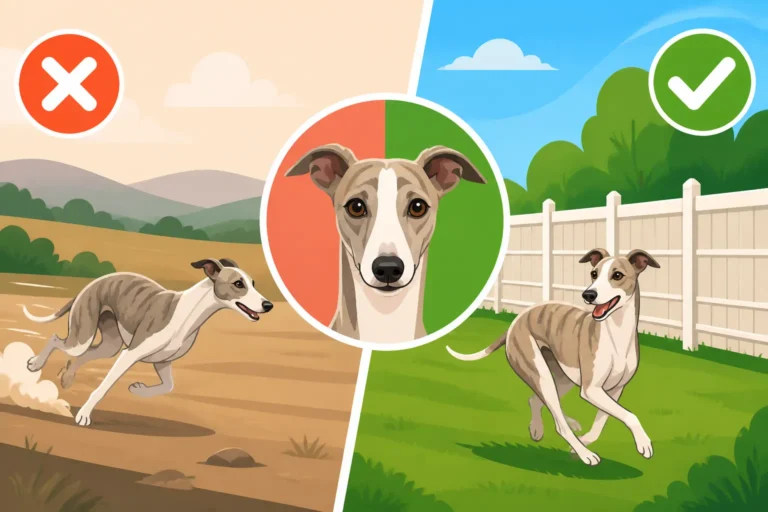
A truly safe off-leash environment for a Whippet means a securely fenced area. We're talking about fences that are high enough to prevent jumping and secure enough to prevent squeezing under or through. Whippets can clear impressive heights when motivated, and their lean bodies can slip through surprisingly small gaps. Never assume a fence is secure enough until you've thoroughly inspected it.
Dog parks can be a mixed bag. Some are fantastic, with responsible owners and well-socialized dogs. Others can be chaotic, with uncontrolled dogs, oblivious owners, and even aggressive tendencies that could put your Whippet at risk. If you choose to go to a dog park, go during off-peak hours, know the regulars, and be prepared to leave immediately if the vibe feels off. It’s not worth risking an injury or a traumatic experience for your Whippet. Where a Whippet Can Safely Run Off Leash is always a question for owners.
Consider renting a private, securely fenced area if available in your community, or joining a sighthound-specific playgroup. These environments minimize risks and allow your Whippet to truly be themselves, engaging in their natural behaviors without fear of misunderstanding or injury. Remember, for a Whippet, speed is their superpower, and they need space to use it safely.
Training for Polite Greetings: Building Confidence and Control
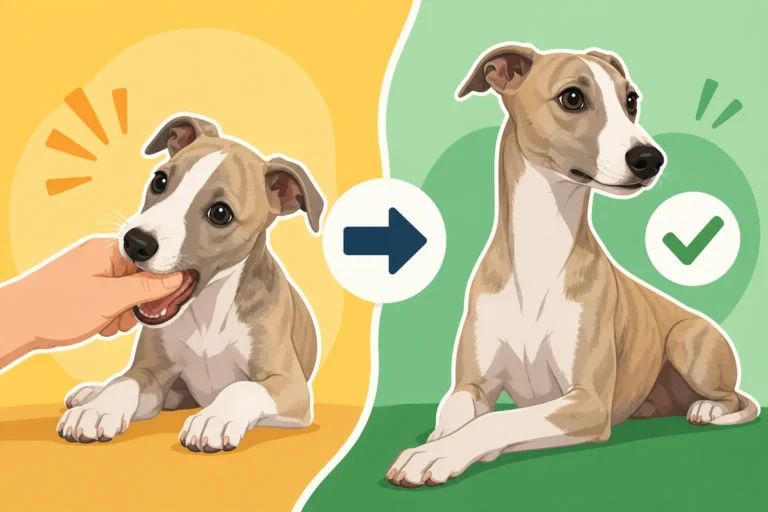
While a Whippet's instincts are strong, they are also intelligent and eager to please their humans. With the right positive reinforcement and consistent training, you can help them develop excellent manners and confidence around other dogs, making interactions safer and more enjoyable for everyone.
Positive Reinforcement and Early Socialization
Whippets are incredibly sensitive dogs. Harsh corrections or punishment-based training methods can easily shut them down, making them fearful and reluctant to engage. Instead, focus entirely on positive reinforcement. Reward every calm interaction, every moment of choosing to look at you instead of lunging, every successful "leave it." Treats, praise, and gentle play are your best friends. How a Whippet Learns When It Bruises From Pressure reminds us how physically delicate they can be, reinforcing the need for gentle handling and training.
Early socialization is absolutely critical for a Whippet puppy. Introduce them to a wide variety of sights, sounds, people, and, most importantly, calm, well-socialized dogs from a young age. Puppy classes with experienced trainers who understand sighthound behavior are invaluable. Ensure these early interactions are positive and don't overwhelm your puppy. A bad experience during critical development stages can have lasting effects. Think about Socializing a Whippet Puppy carefully.
This isn't just about meeting other dogs; it's about building a solid foundation of confidence in different environments. A confident Whippet is less likely to react fearfully or defensively, and more likely to navigate social situations gracefully. Online resources like BAXTER & Bella offer comprehensive puppy training programs that emphasize positive methods and a strong human-dog bond, which is essential for a sensitive breed like a Whippet.
Teaching a Reliable "Look at Me" and "Leave It"
These two commands are absolute lifesavers for a Whippet owner. A solid "look at me" command teaches your Whippet to break focus from distractions (like an approaching dog) and direct their attention to you. This allows you to assess the situation, decide on a course of action, and reward them for making the correct choice. Start practicing this in low-distraction environments and gradually increase the difficulty.
"Leave it" is equally important. It teaches your Whippet to disengage from something they are interested in, whether it's a tempting dropped treat or another dog they are fixating on. This isn't about forbidding them to ever interact, but about giving you control over when and how those interactions happen. It’s a powerful tool for preventing your Whippet from initiating an unwanted chase or an awkward greeting. Practice "leave it" with various distractions, always making it a positive experience where they are rewarded for choosing to ignore the temptation.
These commands create a vital communication channel between you and your Whippet. They empower your dog to make good choices and give you the ability to gently guide them away from potential trouble. Consistency is key; these aren't one-and-done commands. They require ongoing practice in various scenarios to truly solidify.
Desensitization and Counter-Conditioning
For Whippets who already show some nervousness or reactivity around other dogs, desensitization and counter-conditioning are powerful tools. Desensitization means gradually exposing your Whippet to the trigger (other dogs) at a distance where they remain calm and comfortable. Counter-conditioning means changing their emotional response to that trigger, from negative (fear, anxiety, over-excitement) to positive.
For example, if your Whippet gets anxious when another dog is 20 feet away, start by working at 50 feet. Every time a dog appears at that safe distance, immediately give your Whippet a high-value treat or praise. The goal is for them to associate the presence of other dogs with something good happening to them. Over time, you can slowly decrease the distance, always staying below their "threshold" where they start to react negatively. If they react, you've gone too close, too fast – simply increase the distance again.
This process requires patience and keen observation of your Whippet's body language. Look for subtle signs of stress: lip licking, yawning, tail tucked, stiff posture, or hyper-vigilance. The moment you see these, increase the distance. This isn't a quick fix, but a long-term strategy that builds genuine confidence and a more relaxed attitude towards other dogs.
When Things Go Wrong: De-escalation and Prevention
Despite your best efforts, sometimes interactions can go awry. Knowing how to safely de-escalate a tense situation and prevent future incidents is crucial for any Whippet owner.
Reading the Room: Early Warning Signs
The key to de-escalation is often prevention, and prevention hinges on being able to read dog body language – both your Whippet's and the other dog's. Look for subtle cues that signal discomfort or rising tension:
- Stiff body: A rigid posture, either standing tall or low to the ground.
- Hard stare: Direct, unblinking eye contact.
- Whale eye: Seeing the whites of a dog's eyes.
- Lip licking or yawning (out of context): Often stress signals.
- Tail position: A stiff, high tail or a very low, stiffly tucked tail. A rapidly wagging tail isn't always a sign of friendliness; it can indicate excitement or stress.
- Raised hackles: Hair standing up along the spine, a sign of arousal.
- Freezing: Suddenly stopping all movement.
- Growling or low rumbles: Clear warnings.
If you see these signs in either dog, it’s time to intervene before things escalate. Don't wait for a snap or a fight. Trust your gut; if something feels off, it probably is.
Safe Intervention Strategies
If a situation is escalating, your primary goal is to safely separate the dogs without putting yourself at risk.
- Stay Calm: Dogs pick up on our stress. A calm, assertive demeanor from you is vital.
- Verbal Interruption: A loud clap, a sharp "HEY!", or a noise that breaks their focus can sometimes be enough.
- Leash Grab (if safe): If both dogs are leashed, gently pull your Whippet away. If they're off-leash, and you can safely grab your Whippet's harness or scruff without putting your hands near their mouth or the other dog's, do so.
- Physical Barrier: Use your body (if safe), a backpack, or even a jacket to create a visual barrier between the dogs. Never get directly between two fighting dogs with your bare hands.
- Long Line: If you're working on recall, a long line (available on Amazon or at pet stores) allows you to gently guide your Whippet away from trouble without direct physical contact. This is especially useful in an open field where you need control but want to give them space. Whether a Long Line Suits a Whippet can be a great discussion for further reading.
After an incident, immediately remove your Whippet from the situation. Assess for injuries, and then allow both of you to decompress. Don't punish your Whippet for reacting; instead, calmly analyze what went wrong and how you can prevent it next time.
Learning from Experience
Every challenging interaction, while stressful, is a learning opportunity.
- Identify Triggers: Was it a specific breed? A certain type of play? The environment? Noise levels?
- Adjust Your Routine: If dog parks are too overwhelming, find quieter walking trails or secure, private play areas.
- Seek Professional Help: If your Whippet is consistently showing fear, anxiety, or aggression towards other dogs, consult a certified professional dog trainer or veterinary behaviorist. They can help you develop a tailored plan using positive reinforcement techniques.
- Build Confidence: Focus on building your Whippet's confidence through training, enrichment, and consistent positive experiences. A confident dog is a less reactive dog.
Remember, your Whippet relies on you to be their advocate and protector. Understanding their unique needs and challenges is the first step towards building a well-adjusted, socially savvy companion.
Building a Socially Savvy Whippet: Long-Term Strategies
Raising a truly confident and well-mannered Whippet in a dog-filled world requires a long-term commitment to understanding their breed-specific needs and consistently applying positive, thoughtful strategies. It’s about more than just avoiding trouble; it’s about empowering them to thrive.
Continued Exposure, Thoughtfully Curated
Socialization isn't a one-and-done event for puppies; it's a lifelong process. As your Whippet matures, continue to expose them to new sights, sounds, people, and, crucially, a carefully selected circle of canine friends. This isn't about throwing them into every dog park; it's about thoughtful, positive experiences. Regular "playdates" with known, calm, and compatible dogs are far more beneficial than random encounters.
Consider enrolling in advanced obedience classes, scent work, or even agility (when appropriate for their age and joint health). These activities not only provide mental and physical enrichment but also allow your Whippet to interact with other dogs in a structured, often calmer, environment. The focus is on the activity, rather than direct, unstructured play, which can be less overwhelming for some Whippets. For instance, The Age a Whippet Can Start Running With You is an important consideration for physical activities.
Diversity in exposure is also key. Don't just expose them to other Whippets. Let them observe dogs of different sizes, breeds, and temperaments from a safe distance. The more varied positive experiences they have, the more adaptable and resilient they will become. Just make sure the experiences are always positive, even if it means simply observing from afar with treats.
Becoming Your Whippet's Best Advocate
You are your Whippet’s voice and protector. This means being assertive and clear with other dog owners about what your Whippet needs. Don't be afraid to say "no" to unwanted approaches, or to politely inform someone that your Whippet isn't keen on rough play. Many owners assume all dogs want to greet or play, and it's up to you to manage those expectations.
Carry high-value treats and be ready to reward your Whippet for calm behavior in the presence of other dogs. Teach them that you are the source of all good things, even when other dogs are around. This strengthens your bond and reinforces their focus on you. Equipping yourself with the right tools, like a comfortable, well-fitting harness (because The Harness a Whippet Backs Out Of is a real problem!) and a trusty leash, will also give you more confidence and control.
If your Whippet consistently struggles with certain types of interactions, it's okay to limit those interactions. Your dog's comfort and safety should always come first. Some Whippets prefer the company of other sighthounds, or just their human family, and there's absolutely nothing wrong with that.
Prioritizing Mental and Physical Well-being
A well-adjusted Whippet is one whose overall needs are met. This includes regular, appropriate exercise that allows them to use their incredible speed in safe areas. A frustrated, under-exercised Whippet is more likely to have behavioral issues, including reactivity towards other dogs. But remember, How Many Hours a Day a Whippet Sleeps is a lot, so they also need plenty of rest!
Mental stimulation is equally important. Puzzle toys, scent games, and training sessions keep their intelligent minds engaged. A Whippet that is bored or under-stimulated might seek out trouble or become anxious. Providing a rich and varied environment reduces the likelihood of them reacting negatively out of frustration or pent-up energy. Even seemingly small things, like having comfortable, pressure-relieving beds throughout the house (because of The Pressure Sores a Whippet Gets From Sleeping on the Floor), contribute to their overall comfort and thus, their temperament.
Ultimately, fostering positive dog-to-dog manners in your Whippet is a journey of understanding, patience, and unwavering advocacy. By appreciating their unique sighthound nature, proactively managing interactions, and prioritizing their well-being, you can help your Whippet navigate the social complexities of the canine world with grace and confidence.
Disclaimer
This article is for general informational purposes only and does not constitute professional advice. Laws, prices and regulations vary by location and change over time. Consult a qualified professional for guidance on your specific situation.