Whether a Whippet Is Bigger Than a Sloughi
It's quite common for prospective sighthound owners, or even just curious dog enthusiasts, to wonder about the size differences between various breeds in this elegant group. When you look at a Whippet and then a Sloughi, you might immediately notice that one appears more substantial than the other, and you're not wrong to think that way. This guide will meticulously break down the typical physical characteristics of both the graceful Whippet and the majestic Sloughi, helping you understand their distinct statures, why those differences exist, and what they mean for living with each breed.
Understanding the Whippet's Physical Stature
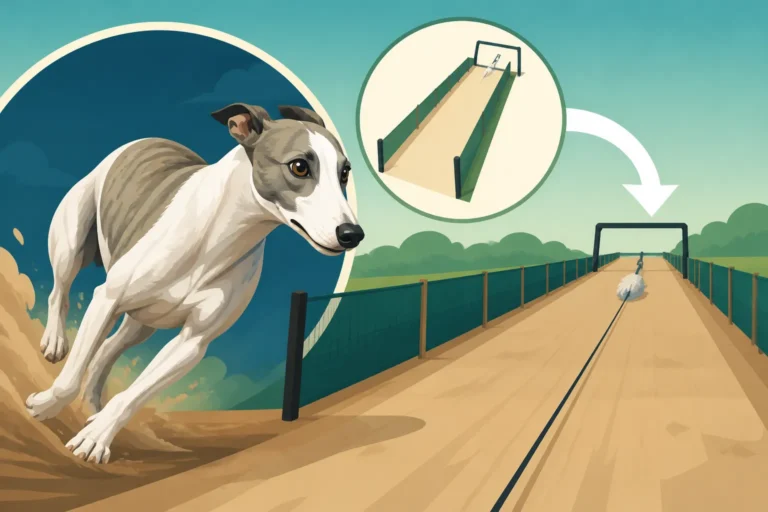
The Whippet, often called the "poor man's racehorse," is a marvel of canine design, built for speed and agility. Their physique is a testament to centuries of selective breeding aimed at creating a dog that could hunt small game and excel in racing over short distances. When you first meet a Whippet, you're immediately struck by their sleek lines and incredibly lean body.
Typical Height and Weight Range of a Whippet
Whippets are considered medium-sized sighthounds, much smaller than their Greyhound cousins but larger than the diminutive Italian Greyhound. For males, you're typically looking at a height between 19 to 22 inches at the shoulder, while females are usually a bit smaller, ranging from 18 to 21 inches. These aren't rigid rules, of course; individual dogs can fall slightly outside these ranges and still be perfectly healthy and typey. In terms of weight, a healthy adult Whippet usually weighs between 25 and 45 pounds. This range accounts for both the natural variation between sexes and individual bone structure. They are meant to be incredibly lean, with a visible tuck-up and clearly defined musculature, which can sometimes lead people unfamiliar with the breed to mistakenly think they are underweight. Rest assured, this lean build is crucial for their athletic prowess.
This ideal weight and height give them their characteristic balance of speed and grace, allowing them to accelerate rapidly and change direction with incredible precision. They carry very little body fat, which is why they shiver even on a mild day and definitely need a good coat when heading outdoors in cooler weather. The Wardrobe a Whippet Needs Because It Has No Body Fat delves deeper into this essential aspect of Whippet care.
The Whippet's Characteristic Build and Proportions
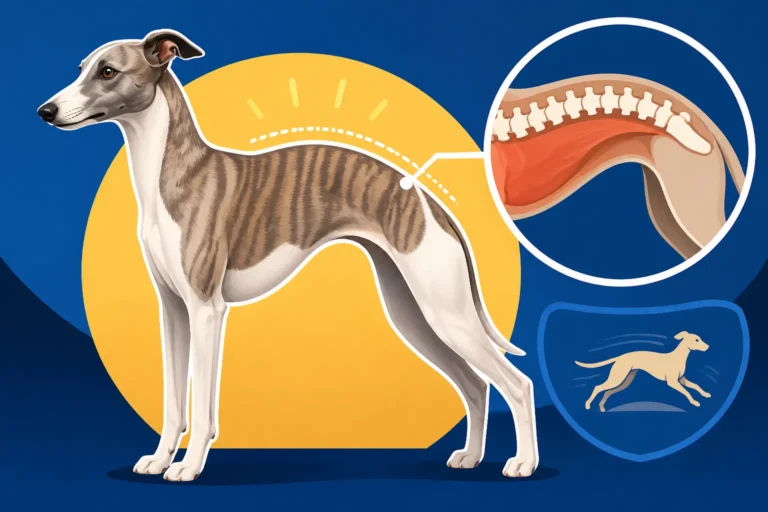
A Whippet's silhouette is unmistakable, defined by several key features that speak to its sighthound heritage. Their most prominent feature is often the elegant arch over the loin, gently curving from the chest back to the hindquarters. This arch, or "roach," isn't merely aesthetic; it's a spring-like mechanism that provides explosive power for their sprints. Coupled with this is a deep chest, allowing for impressive lung capacity, tapering to a significantly tucked-up abdomen. This combination of deep chest and narrow waist is quintessential Whippet, giving them that aerodynamic, almost wasp-waisted look. Their legs are long and straight, with strong, muscular thighs providing the propulsion needed for their incredible bursts of speed.
Their bone structure is fine but surprisingly strong, built for grace under pressure. Unlike some other breeds, you should be able to easily feel a Whippet's ribs and hip bones without them looking emaciated. This is the body condition score that vets familiar with sighthounds consider healthy. Anyone looking to understand What a Whippet Actually Weighs will find that this lean build is perfectly normal and desirable for the breed.
Factors Influencing a Whippet's Size
While genetics certainly play the biggest role in determining a Whippet's mature size, other factors can influence their overall development and perceived stature. The specific breeding lines, for example, can contribute to slight variations. Show-bred Whippets often adhere very closely to the breed standard for height and proportion, while some racing lines might prioritize slight increases in muscle mass or leg length for performance, though still within the general Whippet type.
Beyond genetics, proper nutrition from puppyhood through adulthood is paramount. A well-balanced diet, appropriate for their activity level, ensures healthy bone and muscle development. Overfeeding can lead to an overweight Whippet, which is detrimental to their joints and overall health, while underfeeding can stunt growth and impact vitality. Regular, appropriate exercise also helps sculpt their musculature, contributing to their athletic, well-proportioned appearance. Just like us, a Whippet's physical development is influenced by both nature and nurture, ensuring they reach their full, graceful potential.
Unpacking the Sloughi's Impressive Presence
The Sloughi, often referred to as the Arabian Greyhound, hails from North Africa and carries an air of ancient nobility and resilience. These dogs were traditionally used for hunting game like gazelles, foxes, and jackals across vast desert landscapes, a purpose that shaped their larger, more robust build and incredible stamina. Their presence is immediately more imposing than a Whippet's, embodying strength and dignified elegance.
The Sloughi's Standard Height and Weight
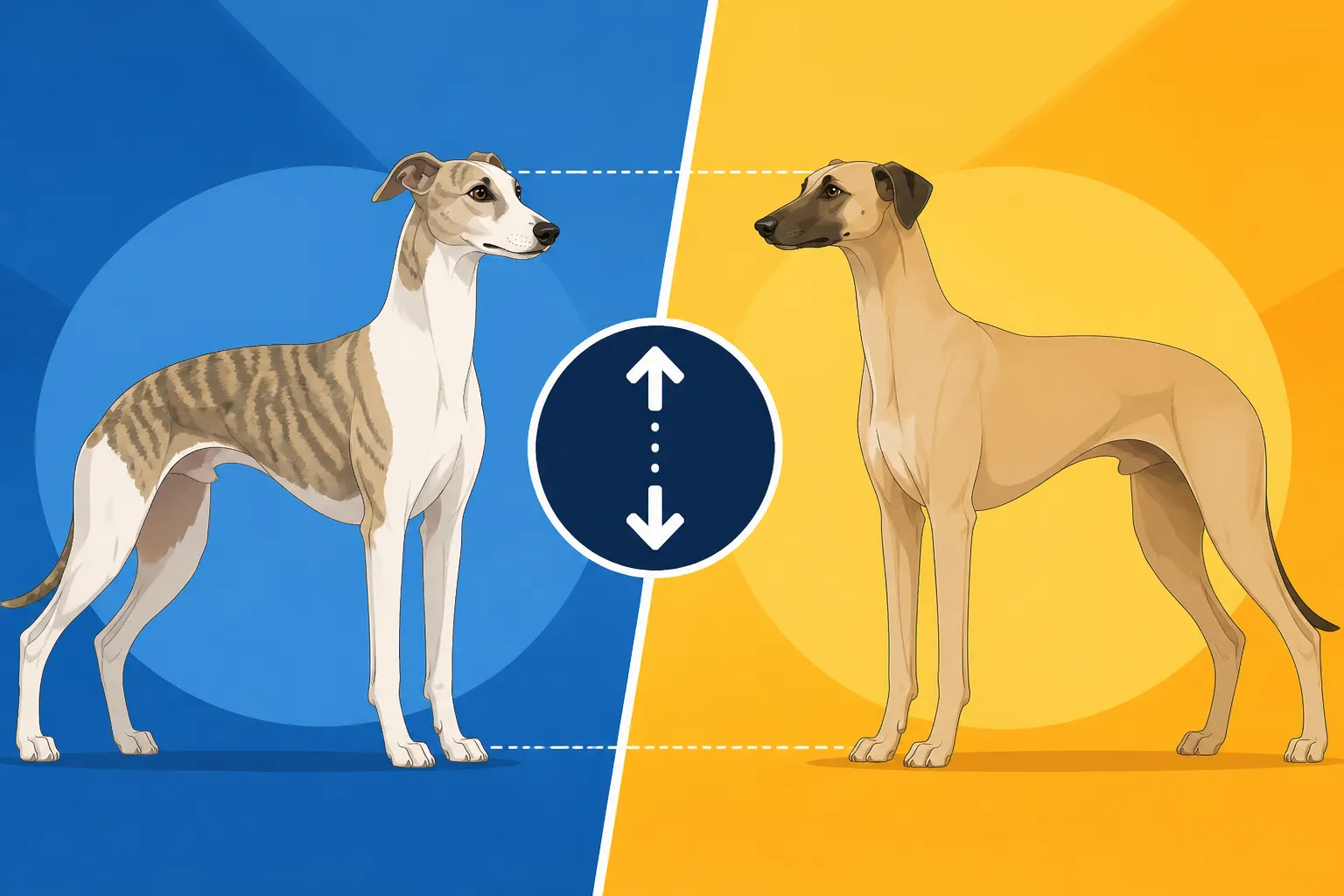
When we talk about size, the Sloughi consistently stands taller and weighs more than the Whippet. Males typically range from 26 to 29 inches at the shoulder, with females being slightly smaller, usually between 24 to 27 inches. This makes them significantly taller than Whippets. In terms of weight, Sloughis are also considerably heavier. A healthy adult male Sloughi can weigh anywhere from 50 to 65 pounds, while females generally fall in the 35 to 50-pound range. These figures highlight a breed that, while still elegant and athletic, possesses a greater overall mass and bone structure than the Whippet.
Their size reflects their historical role as hunters capable of traversing challenging terrain and engaging larger, faster prey than a Whippet would typically pursue. This necessitates a more powerful and enduring physique, making them true athletes of the desert.
Distinctive Body Structure and Overall Appearance
The Sloughi's body structure is characterized by strength, dignity, and a smooth, powerful gait. While they share the deep chest and tucked-up abdomen common to sighthounds, their proportions are generally more substantial than a Whippet's. Their chest is deep but not as dramatically exaggerated in depth compared to their overall height as a Whippet's. The loin is strong and muscular, with a less pronounced arch than a Whippet's, giving them a more level topline or a very slight curve. Their legs are long and powerful, with good bone, capable of covering vast distances with effortless stride. The Sloughi’s overall impression is one of graceful power, a dog built for endurance as much as speed.
Their heads are long and refined, with dark, expressive eyes that convey intelligence and a somewhat reserved nature. They possess a short, fine coat that clings closely to their muscular frame, accentuating their athletic build. While they don't have the "wiry" look of some other sighthounds, their musculature is clear and well-defined, speaking to their desert heritage and enduring strength.
Regional Variations and Influences on Sloughi Size
Like many ancient breeds developed across vast geographical regions, there can be subtle variations in Sloughi type depending on their specific lineage and country of origin. Traditionally, in North Africa, Sloughis might be bred for specific hunting capabilities or regional preferences, which could influence their exact size or build within the general breed standard. For instance, some lines might be slightly finer-boned for speed, while others might be a touch more robust for resilience in harsher conditions.
However, once recognized by international kennel clubs, breed standards aim to create a consistent ideal. Breeders working to these standards strive for uniformity, meaning that a well-bred Sloughi, regardless of its specific kennel, will generally fall within the established height and weight ranges. These standards help preserve the breed's unique characteristics while allowing for healthy genetic diversity. Regardless of minor variations, the Sloughi consistently remains a larger, more powerful sighthound than the Whippet.
Direct Size Comparison: Whippet vs. Sloughi
When you put a Whippet and a Sloughi side-by-side, the differences in their physical presence are immediately obvious. While both are elegant sighthounds with similar general body types, the Sloughi is undoubtedly the larger, more substantial dog. This isn't just a matter of a few pounds or an inch or two; it's a noticeable divergence in overall stature, bone, and muscle mass.
Head-to-Tail: A Side-by-Side Look at Dimensions
Let’s lay it out clearly to really illustrate the scale of difference. Think of it like comparing a sleek, agile sprinter to a powerful, enduring marathon runner – both are athletes, but built for different demands.
| Feature | Whippet | Sloughi |
|---|---|---|
| Height (Male) | 19-22 inches (48-56 cm) at the shoulder | 26-29 inches (66-74 cm) at the shoulder |
| Height (Female) | 18-21 inches (46-53 cm) at the shoulder | 24-27 inches (61-69 cm) at the shoulder |
| Weight (Male) | 25-45 pounds (11-20 kg) | 50-65 pounds (23-29 kg) |
| Weight (Female) | 25-45 pounds (11-20 kg) | 35-50 pounds (16-23 kg) |
| Bone Structure | Fine, elegant, but surprisingly sturdy | Good bone, more substantial, powerful |
| Topline | Distinctive arch over the loin (roached back) | More level or slight curve, strong, muscular |
| Overall Impression | Agile, aerodynamic, compact, swift sprinter | Regal, enduring, powerful, graceful endurance runner |
As you can see from the table, the Sloughi is consistently taller and heavier across both sexes. This means more dog to love, but also more dog to manage in terms of space, strength, and resources.
The Visual Impact of Their Proportions
The visual impact of these differences is significant. A Whippet appears incredibly streamlined and delicate, almost fragile to the uninitiated eye. Their deep chest, dramatic tuck-up, and fine bone give them an ethereal quality, suggesting pure, unadulterated speed. They fit neatly on a sofa, curling into a surprisingly small ball, and can often be easily scooped up if needed.
The Sloughi, on the other hand, commands more space. While still possessing the classic sighthound elegance, they have a more robust and grounded presence. Their longer legs, larger frame, and stronger bone structure make them look like the serious athletes they are. They carry themselves with an inherent dignity that speaks of their ancient lineage and demanding desert life. You wouldn't typically think of "scooping up" a Sloughi; they are a dog that prefers to stand on their own four powerful feet.
Why the Perception of Size Matters to Owners
Understanding these size differences is more than just academic curiosity; it has real-world implications for potential owners. A larger dog, like a Sloughi, will naturally take up more space in your home, vehicle, and even on your bed (if they're allowed!). They'll require larger crates, bigger beds, and more substantial collars and leashes. If you live in an apartment, the Whippet's ability to be a "forty mile an hour couch potato" often makes them a more practical choice. The Whippet Is a Forty Mile an Hour Couch Potato highlights their adaptability to indoor living.
Furthermore, a bigger dog generally means bigger expenses. More food, higher doses of medication, larger grooming supplies, and sometimes even higher costs for things like boarding or pet sitting. It also means more physical strength required to manage them, especially on a leash if they spot a squirrel. While both breeds are gentle and generally easy to live with indoors, the sheer physical presence of a Sloughi is simply greater, which is something every owner needs to consider for their home and lifestyle.
Beyond Pure Size: Temperament and Lifestyle Considerations
While their physical dimensions are a primary differentiator, understanding a Whippet and a Sloughi goes far beyond just how big they are. Their temperaments, energy levels, and overall needs are deeply intertwined with their historical purposes and distinct sizes, leading to nuanced differences in what it's like to share your life with them.
Exercise Needs and Energy Levels
Despite their shared sighthound heritage, their exercise requirements differ quite a bit. The Whippet, while capable of incredible bursts of speed, is famously known as the "40 mph couch potato." They thrive on a good sprint or two each day, whether it's in a securely fenced area or during a vigorous game of fetch, but they are equally content to spend the rest of their time napping on the sofa. Their exercise needs are generally manageable for most active individuals or families who can provide a safe space for them to stretch their legs. They don't typically require miles of sustained jogging, though some do enjoy it. The Whippet That Will Not Toilet in the Rain might offer a chuckle, but it also highlights their preference for comfort, even when it comes to exercise.
The Sloughi, having been bred to hunt over vast North African landscapes, typically requires more sustained exercise. While they too enjoy a good sprint, their endurance is higher, and they benefit from longer, more consistent opportunities to run or engage in vigorous activities. They need ample space to truly open up and move, and daily walks are often not enough to satisfy their physical and mental stimulation needs. Think more along the lines of regular, extended off-leash runs in safe environments, or participation in sighthound sports like lure coursing, which both breeds enjoy but the Sloughi might need more of.
Living Environment and Space Requirements
The size difference naturally impacts the ideal living environment for each breed. A Whippet is incredibly adaptable and can thrive in various settings, from apartments to larger homes, as long as their need for a secure sprint space and plenty of soft bedding indoors is met. Their ability to curl up small and their generally quiet nature make them excellent apartment dwellers. Many owners find their Whippets insist on being close to their people, often sleeping snuggled under blankets, making them perfect companions for cozy living spaces. You can find all sorts of snuggly beds and blankets on Chewy that a Whippet would adore for their indoor lounging.
A Sloughi, being a larger dog, generally benefits from more space. While they are calm and clean indoors, their physical presence is simply greater, and they appreciate a home with a bit more room to stretch out. A house with a securely fenced yard is often preferred, not necessarily for them to live in (both breeds are indoor dogs through and through), but to provide easy access to space for movement. Their larger stride and more enduring nature mean they appreciate longer leashed walks or larger secure areas for off-leash activities. Their noble bearing and slightly more independent nature might also mean they are content with a bit more personal space indoors compared to the often Velcro-like Whippet.
Socialization and Training Differences
Both Whippets and Sloughis are intelligent and sensitive sighthounds, meaning harsh training methods are counterproductive and can damage their trust. Positive reinforcement is key for both. However, there are some subtle differences in their social tendencies. Whippets are often quite gregarious with their family members and, if properly socialized, can be quite friendly with strangers and other dogs. They tend to be eager to please and can pick up on training quickly, though their sighthound nature means their recall can be unreliable if prey is involved. Thirty Five Miles an Hour and No Brakes on a Whippet's Recall perfectly captures this challenge.
Sloughis tend to be more reserved and discerning. While deeply loyal and affectionate with their families, they are typically aloof or indifferent towards strangers. They are not generally "everyone's friend" dogs and require careful, early socialization to ensure they are comfortable and confident in various situations without becoming fearful or overly anxious. Their independent nature, while admirable, can sometimes make training a bit more of a negotiation, requiring patience and understanding of their unique motivations. They are not prone to excessive barking, which is a trait both breeds share, making them relatively quiet companions.
Care and Maintenance: A Size-Related Perspective
When you bring any dog into your life, you're signing up for a commitment to their care and well-being. The size of your dog significantly influences many aspects of this care, from how much they eat to the cost of their veterinary needs. While both Whippets and Sloughis are generally healthy breeds, their differences in size translate into practical distinctions in daily maintenance.
Feeding Requirements and Nutritional Needs
It's a simple fact of biology: a larger dog needs more food to maintain its body weight and energy levels than a smaller dog. This means a Sloughi will consume a greater quantity of food daily compared to a Whippet. This isn't just about volume, but also about the balance of nutrients to support their larger frame and activity level. You'll likely go through bags of kibble or larger portions of fresh food much faster with a Sloughi. When stocking up on your dog's food, whether it's specialized sighthound kibble or treats, places like Chewy offer a wide selection to cater to various dietary needs and sizes.
While both breeds are lean and benefit from high-quality protein, a Whippet's metabolism is incredibly efficient, often making them "cheap to feed" for their athleticism. Why a Whippet Is Cheap to Feed and Expensive to Insure explains this phenomenon. You'll want to ensure you're feeding a diet appropriate for active sighthounds, regardless of size, avoiding anything that might compromise their sensitive systems. Keeping a Whippet at a healthy weight means you should be able to feel their ribs easily, and Keeping Weight On a Whippet Without Making It Fat offers more insights into this specific challenge for Whippet owners. For a Sloughi, you'll also be aiming for a lean, athletic build, just on a larger scale.
Grooming and Coat Care
In terms of grooming, both breeds are relatively low maintenance, which is a blessing for owners. Their short, fine coats mean that a weekly brush with a soft brush or a grooming mitt is usually sufficient to remove loose hair and keep their coats shiny. Neither breed requires professional grooming, clipping, or intricate styling. They are generally clean dogs with minimal "doggy odor," and infrequent baths are usually all that's needed unless they've rolled in something particularly pungent.
The main difference here related to size is simply the amount of dog you're grooming. Bathing a larger Sloughi will take more water, more shampoo, and more physical effort than bathing a smaller Whippet. Similarly, brushing will cover a greater surface area. However, the type of grooming required remains simple and straightforward for both, making them both excellent choices for owners who prefer minimal fuss in this department.
Veterinary Care and Costs Related to Size
This is perhaps where the size difference can hit the hardest, financially speaking. Generally, the larger the dog, the higher the veterinary costs. This is because medication dosages are often calculated by weight, meaning a larger dog will require more medicine, which translates to a higher bill. Anesthesia protocols, while specialized for sighthounds regardless of size, will also involve greater quantities of anesthetic agents for a Sloughi. Why a Whippet Needs a Sighthound Anesthesia Protocol is a critical read for any sighthound owner, as it highlights the unique physiological considerations for these breeds.
Preventative care, such as flea and tick medications, dewormers, and even some vaccinations, can also be dose-dependent and thus more expensive for a larger dog. Surgical procedures, should they ever be needed, can also carry higher costs due to increased anesthesia, larger suture material, and longer recovery times. While both breeds are generally healthy, the potential cost implications of a larger dog should always be factored into your budget planning. This is why many owners consider pet insurance, and it's always wise to research what different plans cover for sighthound-specific issues and how premiums might differ based on breed and size.
Ultimately, while the Whippet is certainly not a tiny dog, the Sloughi is unequivocally the larger and more substantial of the two. Both breeds offer immense companionship and joy, each with their own unique blend of grace, athleticism, and personality. Your choice between them will likely come down to your lifestyle, living space, and personal preferences regarding a dog's physical presence and needs. Whether you lean towards the compact elegance of the Whippet or the noble grandeur of the Sloughi, you're choosing a remarkable sighthound companion.
Disclaimer
This article is for general informational purposes only and does not constitute professional advice. Laws, prices and regulations vary by location and change over time. Consult a qualified professional for guidance on your specific situation.