Where a Whippet Sunburns
One of the trickiest parts of sharing your life with a sleek, athletic Whippet is understanding just how delicate their skin truly is. It's a common frustration for new and even experienced Whippet owners: you want your dog to enjoy the sunshine, to zoom around in the yard, but you're constantly worried about their health. Their beautiful, fine coats and lean build, which make them such graceful athletes and cuddly housemates, also leave them incredibly vulnerable to the sun's harsh rays. This guide is here to walk you through exactly where your Whippet is most likely to get sunburned, why they're so susceptible, how to spot the signs, and most importantly, how to keep them safe and comfortable all year round.
The Naked Truth: Why Whippets Are So Susceptible to Sunburn
It's not just a feeling; it's a fact. Whippets are, by their very nature, predisposed to sunburn. If you've ever looked at your Whippet on a sunny day and thought, "Wow, they look exposed," you're not wrong. This isn't like other breeds with thick double coats or dense fur acting as a natural shield. Whippets are built for speed and efficiency, and that build comes with certain vulnerabilities that we, as their devoted caretakers, need to understand and protect them from.
Thin Skin and Sparse Coats: A Whippet's Natural Vulnerability
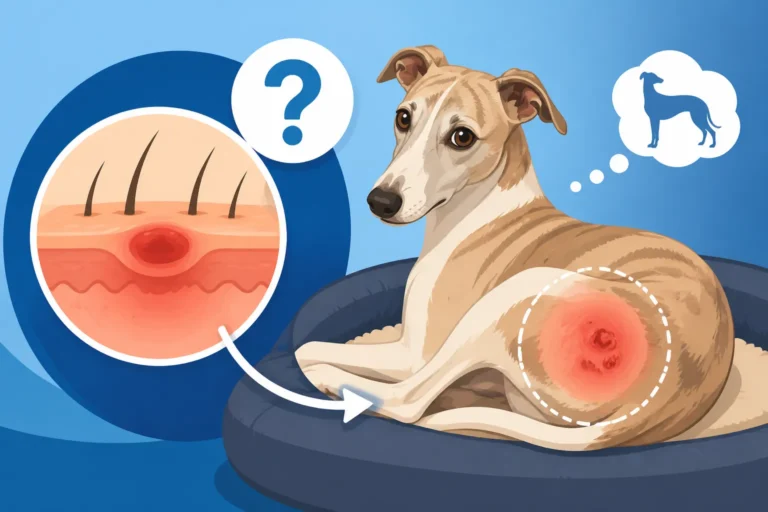
Imagine wearing a sheer silk scarf to protect yourself from the sun – that's roughly the level of protection your Whippet's coat offers. Their fur is incredibly short, fine, and lies close to the body, offering minimal barrier against ultraviolet (UV) radiation. This sparse covering means that the sun's rays have a direct path to their skin. It's a double whammy when you consider their skin itself is also remarkably thin. It’s not robust like a working breed's hide; it's delicate, easily torn, and quick to show irritation, whether from a scrape or from environmental factors like harsh sun exposure.
Many Whippet owners lament the ease with which their dogs get superficial cuts and scrapes, needing a trip to the vet for stitches. This same thinness applies to how their skin handles the sun. Without a thick fur coat to diffuse the UV light, the thin skin absorbs it directly, leading to damage far more readily than in breeds with denser, more insulating hair. This is why you often see warnings about A Whippet Has No Insulation and No Padding – it applies to heat loss, but also very much to sun protection.
Pink Skin and Pigmentation: The Lack of Natural Protection
Beyond the sparse coat, many Whippets have areas of light or even completely pink skin. Think of those beautiful white, cream, or blue-fawn dogs with pale noses and light pigmentation. Just like in humans, lighter skin tones offer less natural protection against the sun. Melanin, the pigment responsible for skin, hair, and eye color, acts as a natural sunscreen. Dogs with less melanin in their skin, particularly in areas like their ears, belly, and nose, are at a much higher risk of burning.
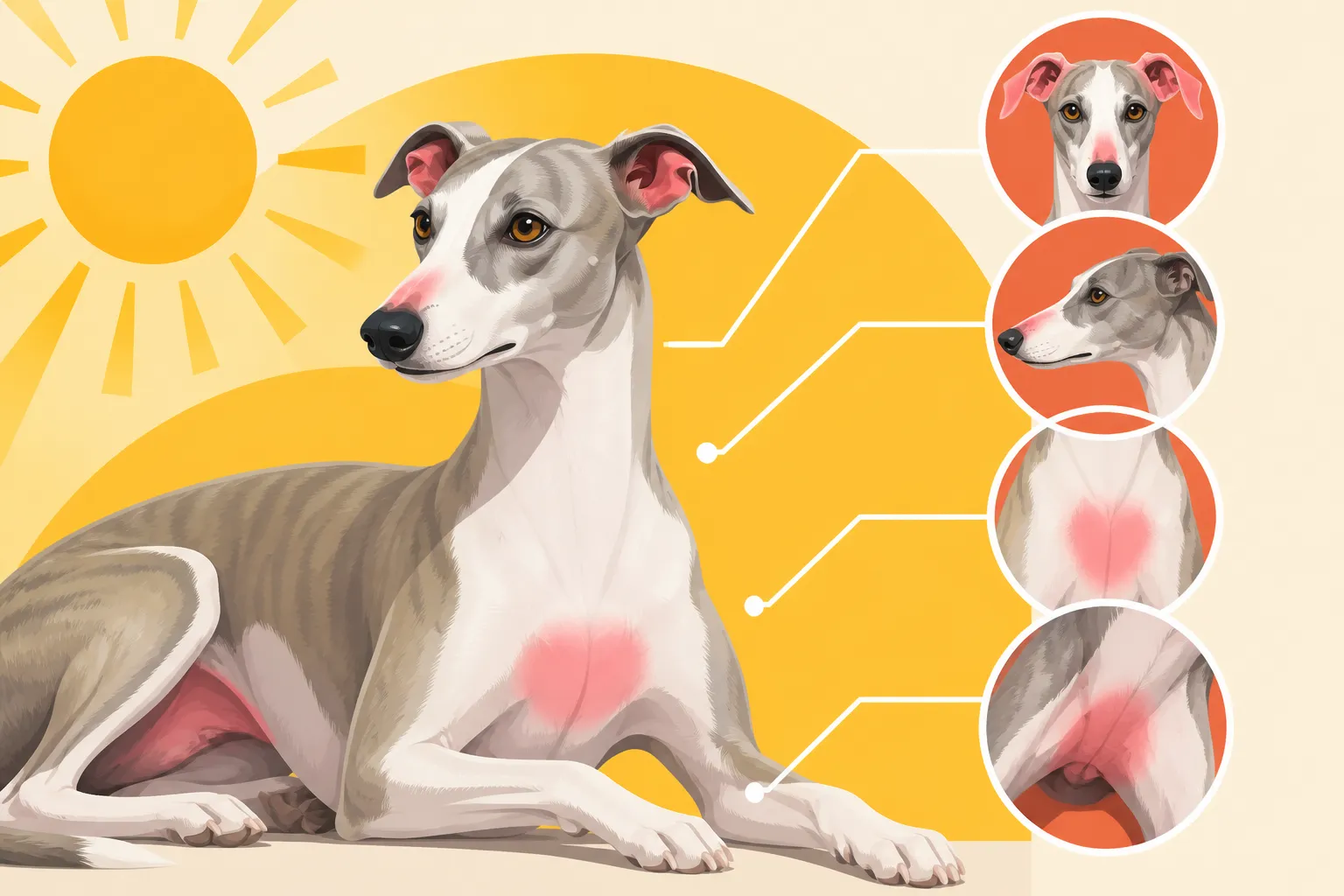
If your Whippet has a pink nose, pink inner ears, or extensive white markings, these areas are essentially unprotected canvases for UV radiation. Even Whippets with darker coats can have surprisingly pale skin underneath, especially on their bellies or inner thighs. These areas, despite the overall dark fur, can still be highly susceptible. It's the same principle as a fair-skinned person burning faster than someone with naturally darker skin – a lack of protective pigment means quicker damage from the sun. You might hear the phrase Why a Whippet's Pink Skin Burns quite often, and now you understand the biological reason behind it.
Common Sunburn Hotspots on Your Whippet's Body
Knowing why Whippets burn easily is one thing, but knowing where to check is crucial. It's not always where you might expect, and direct sun isn't the only culprit. Reflections from surfaces like concrete, sand, or water can also intensify UV exposure, hitting areas that might otherwise seem protected.
The Delicate Ears and Nose: First Line of Exposure
These are often the first places you'll notice a burn, and for good reason. Your Whippet's ears are typically thinly furred, especially on the inside and along the edges. Their soft, rose ears, while beautiful, are incredibly delicate. They're also often held upright or slightly to the side, exposing a large surface area to the sun. The tips and edges are particularly vulnerable, prone to redness, crusting, and even painful peeling.
The nose, especially if it's pink or butterfly-patterned, is another prime target. It's constantly exposed, pointing upwards or forwards as your dog explores the world. The skin on the nose is thin and sensitive, and a sunburn here can be incredibly uncomfortable, leading to dryness, cracking, and a reluctance to eat or drink due to pain. Even a dark nose can get sun damage over time if not protected, though it's less common than with pink pigmentation.
The Belly and Inner Thighs: Ground Reflection and Resting Risks
This might come as a surprise, but your Whippet's belly and inner thighs are major sunburn zones. Think about it: when your Whippet lies down to sunbathe (and let's be honest, they love a good sun puddle!), their sparsely furred or completely hairless belly is directly exposed to the ground. If they're on concrete, sand, or even light-colored grass, the sun's rays reflect upwards, essentially giving them a "double dose" of UV.
Furthermore, these areas are naturally less pigmented in many Whippets. The skin is usually paler, often translucent, showing the faint network of veins beneath. When your Whippet stretches out on their back, soaking up the warmth, their tender belly skin is entirely unprotected. This can lead to severe redness, blistering, and intense discomfort. It's a common oversight, as many owners focus only on the top of the dog, but reflections are a serious concern.
The Back and Head: Direct Sun Exposure Concerns
While the ears and nose are prominent, the top of your Whippet's head and the length of their back are also high-risk areas. When your Whippet is standing or walking in direct sunlight, these are the surfaces absorbing the most direct UV radiation. The spine, in particular, can be susceptible because the fur is often thinnest right along the ridge of the back, and the bone structure means there's less padding underneath.
For Whippets with very short, light-colored fur, or those that spend extended periods outdoors, the back can become severely burned. You might notice the fur there feels unusually warm, and the skin beneath is pink or red. This is especially true for Whippets who enjoy long strolls in open fields or spend time playing in a yard without adequate shade. Even a short walk in strong midday sun can be enough to start the burning process on these exposed areas.
Recognizing the Signs of Sunburn in Whippets
Okay, so you know where to look. But what exactly are you looking for? Catching sunburn early is key to minimizing discomfort and preventing more serious complications. Sometimes the signs are obvious, but other times, they can be subtle and easily missed, especially if you're not specifically looking for them.
Redness, Tenderness, and Peeling Skin
The most immediate and common signs of sunburn are much like those in humans. You'll observe areas of skin that are:
- Reddened: The skin will appear pinker or distinctly redder than normal. This might be a subtle flush or a more vivid, angry red.
- Warm to the touch: The affected skin will feel noticeably warmer than the surrounding areas.
- Tender or painful: Your Whippet might flinch or show discomfort when you gently touch the burned area. They might be reluctant to lie on certain sides or allow you to stroke their ears.
- Swelling: In more severe cases, the skin might appear slightly swollen.
- Peeling or Flaking: After a few days, as the damaged skin begins to heal, you might see it start to peel or flake, much like a human sunburn. This can be itchy and cause your Whippet to scratch, potentially leading to secondary infections.
- Blistering (Severe Cases): Though less common, severe sunburn can lead to blistering. This is a medical emergency and requires immediate veterinary attention, as these blisters can easily rupture and become infected.
Always do a full body check after your Whippet has been out in the sun, especially if they've been napping in a sunny spot. Run your hands gently over their ears, nose, back, and belly, feeling for heat and tenderness.
Beyond the Visible: Pain, Lethargy, and Dehydration
Sunburn isn't just a superficial skin issue; it can have systemic effects on your Whippet's overall health and comfort. If the burn is extensive or severe, your Whippet might exhibit symptoms that extend beyond just the skin.
- Lethargy and Weakness: A significant sunburn can make your Whippet feel generally unwell. They might be unusually tired, less enthusiastic about play, and more prone to sleeping. This is their body's way of conserving energy to heal.
- Loss of Appetite: Pain and discomfort can lead to a reduced desire to eat. If your Whippet is normally a good eater but suddenly turns their nose up at their food, it could be a sign they're feeling poorly from the sun.
- Dehydration: Sunburn can contribute to dehydration, especially if your Whippet has also been exposed to heat. Look for signs like dry gums, sunken eyes, and reduced skin elasticity (when you gently pinch their skin, it should snap back quickly; if it stays tented, they might be dehydrated).
- Fever: In very severe cases, a large area of sunburn can even cause a low-grade fever as the body tries to cope with the inflammation.
- Increased Thirst: Conversely, they might drink more water if they're feeling dehydrated or overheated.
If you observe any of these general unwellness signs in conjunction with reddened skin, it's crucial to seek veterinary advice. What might seem like a simple burn could be impacting your Whippet more deeply. Caring for their delicate skin is paramount, as discussed in The Thin Skin That Sends a Whippet to the Vet for Stitches, and sunburn is one of those common skin issues to prevent.
Practical Prevention Strategies to Keep Your Whippet Safe
Prevention is always better than cure, especially when it comes to sensitive Whippet skin. The good news is that keeping your Whippet safe from the sun doesn't require extreme measures, just a bit of awareness and some smart habits.
Shade, Timing, and Limiting Exposure
This is your first and most effective line of defense. It's also the cheapest!
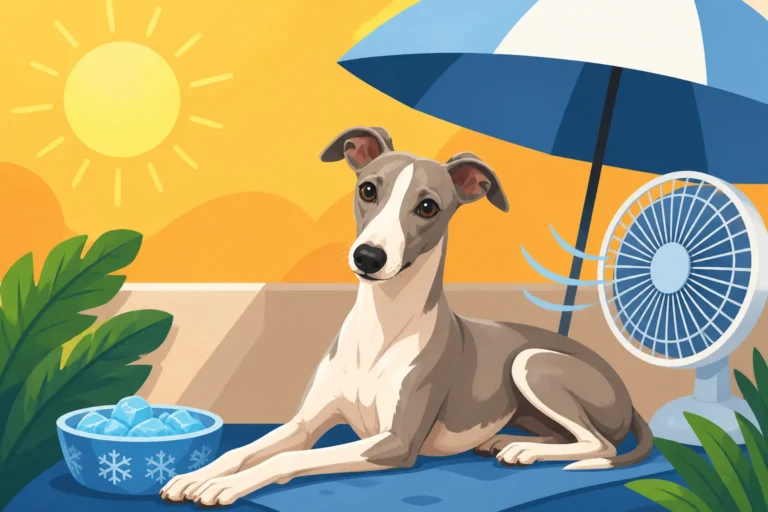
- Seek Shade: Whenever your Whippet is outdoors, ensure they have constant access to shade. This means trees, awnings, umbrellas, or even a covered patio. If you're at a park, choose shady spots for rests. For your backyard, consider shade cloths or strategically placed outdoor furniture.
- Avoid Peak Sun Hours: The sun's UV rays are strongest between 10 AM and 4 PM. If possible, adjust your walking schedule to early mornings or late afternoons/evenings. This not only reduces sunburn risk but also helps prevent overheating. Even on cloudy days, UV rays can penetrate, so don't let a bit of overcast sky fool you.
- Limit Time Outdoors: While Whippets love to run and play, especially in a securely fenced yard or designated off-leash area, be mindful of how long they're out in direct sun. Short, frequent bursts of activity in shaded areas are preferable to prolonged exposure. Remember, a Whippet will often find a "sun puddle" to nap in, even if other shade is available, so supervision is key.
- Indoor Sun Monitoring: Don't forget that sunshine streams through windows. If your Whippet loves to nap in a sunny spot on the floor inside, consider drawing blinds or closing curtains during peak hours. Even behind glass, some UV radiation can get through and cause damage over time.
By simply being smart about when and where your Whippet spends time outdoors, you can significantly reduce their risk of sunburn. This is part of the daily routine and care that What a Whippet Needs Every Day for a happy, healthy life.
Sunscreen Solutions and Protective Apparel
Sometimes shade and timing aren't enough, or you need extra protection for specific activities. That's where sunscreens and protective clothing come in.
- Pet-Safe Sunscreen: Yes, it exists! Look for sunscreens specifically formulated for dogs. These are typically zinc oxide-free (zinc oxide can be toxic if ingested) and fragrance-free. Apply a thin layer to vulnerable areas like the ear tips, nose, and any exposed pink skin on the belly or inner thighs. Reapply as directed, especially after swimming or vigorous activity. Always do a patch test first to ensure your Whippet doesn't have an adverse reaction. You can often find reputable pet sunscreens on sites like Chewy or Amazon, just make sure to read reviews and ingredients carefully.
- Protective Clothing: This is a fantastic option for Whippets, especially those with very light pigmentation or who spend a lot of time outdoors.
- UV Protection Shirts/Coats: Lightweight, breathable dog shirts made with UV-blocking fabric can protect their back and belly. Many brands offer styles designed for active dogs. These can be particularly helpful for dogs that like to lounge in the sun or during longer outdoor adventures. When considering How Many Coats a Whippet Actually Needs, a UV protective shirt should be on the list for summer.
- Snoods/Head Covers: For those sensitive ears, a lightweight snood or head cover can offer extra protection, especially if your Whippet is prone to ear burns.
- Cooling Vests/Coats: While not strictly sun protection, cooling vests often have light-colored fabric that reflects sun and can help keep your Whippet's core temperature down, reducing the combined stress of heat and sun exposure. These are helpful for How a Whippet Handles Summer Heat.
When choosing protective apparel, ensure it's comfortable, breathable, and doesn't restrict movement. Whippets are sensitive, so ill-fitting clothing can cause chafing or stress. Sites like Amazon offer a wide variety of dog clothing, so you can likely find something that fits your Whippet's unique physique.
| Protection Method | Pros | Cons | Best For |
|---|---|---|---|
| Seeking Shade | Free, natural, no irritation | Limits activity area, requires vigilance | Everyday outdoor time, backyard |
| Timing Exposure | Free, reduces overall heat stress | Restricts outdoor schedule | Daily walks, preventing peak burn |
| Pet Sunscreen | Targeted protection, good for specific spots | Needs reapplication, potential for ingestion | Ears, nose, belly; short outings |
| UV Protective Clothing | Covers large areas, physical barrier | May feel warm, dog might resist, fitting issues | Longer outdoor sessions, extensive light skin |
What to Do if Your Whippet Gets Sunburned
Despite your best efforts, sometimes a sunburn can happen. Maybe they found a sneaky sun puddle, or you misjudged the intensity of the day. If you notice your Whippet has a sunburn, don't panic, but do act swiftly and appropriately.
Immediate Relief and Home Care Steps
The moment you suspect a sunburn, take these steps to provide immediate comfort and prevent further irritation:
- Get Them Indoors/Into Shade Immediately: Remove your Whippet from the sun's exposure without delay.
- Cool Compresses: Gently apply cool (not freezing!) compresses to the affected areas. A damp, cool cloth can provide soothing relief. Never use ice directly on the skin.
- Aloe Vera (Pure, Pet-Safe): If you have pure, 100% aloe vera gel (ensure it's free of alcohol, fragrances, and any other additives, as some can be toxic to dogs), you can carefully apply a thin layer to the burned skin. Aloe is known for its soothing properties. Supervise your Whippet to prevent them from licking it off, or use an Elizabethan collar if necessary.
- Avoid Harsh Products: Do not apply human lotions, petroleum jelly, or any other creams unless specifically advised by your vet. Many human products contain ingredients that are toxic to dogs or can exacerbate the burn.
- Prevent Licking/Scratching: Your Whippet will likely feel itchy and may try to lick or scratch the burned areas. This can lead to infection or further skin damage. An Elizabethan collar ("cone of shame") might be necessary to prevent them from self-traumatizing the area.
- Offer Fresh Water: Ensure your Whippet has access to plenty of fresh, cool water to combat any potential dehydration.
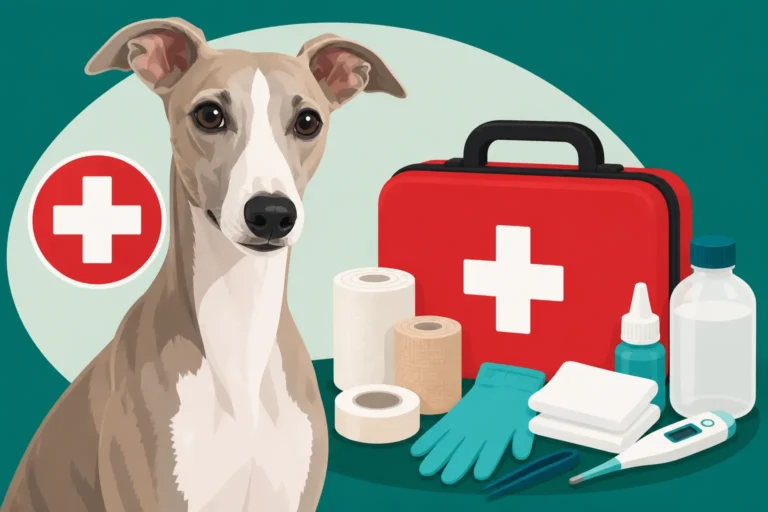
For general Skin First Aid Every Whippet Owner Should Know, being prepared for sunburn relief is an important aspect. Having a pet-safe first aid kit on hand, perhaps purchased from a reliable source like Chewy, can make a difference.
When to Call the Vet for Sunburn Concerns
While mild sunburns can often be managed at home, there are definitely situations where a call to the vet is warranted, if not urgent. Don't hesitate if you observe any of the following:
- Blistering or Open Sores: If the skin has blistered, broken, or looks infected, this is a sign of a severe burn and requires immediate veterinary attention. These areas are prone to secondary bacterial infections.
- Intense Pain: If your Whippet is clearly in significant pain, crying, or unwilling to be touched, they need professional assessment. Your vet can prescribe pain relief and appropriate topical treatments.
- Lethargy, Vomiting, or Diarrhea: If your Whippet is showing signs of systemic illness such as extreme tiredness, loss of appetite, vomiting, or diarrhea, it indicates the burn may be more serious or accompanied by heatstroke.
- Large Areas of Burn: If a significant portion of your Whippet's body is burned, even if not blistering, it can still lead to serious complications and warrants a vet visit.
- No Improvement or Worsening: If home care isn't improving the burn within 24-48 hours, or if it appears to be getting worse, it's time to consult your vet.
Your veterinarian can assess the severity of the burn, rule out secondary infections, prescribe appropriate medications (such as anti-inflammatories, antibiotics, or stronger pain relief), and offer specific guidance for ongoing care. Early intervention can prevent minor burns from escalating into more serious health issues, potentially avoiding more extensive care that could lead to Emergency Stitches: the Whippet Bill Nobody Budgets For if the skin becomes severely damaged.
Whippets are wonderful companions, and their unique physical traits are part of what makes them so special. By understanding their vulnerabilities to the sun and taking proactive steps, you can ensure your beloved Whippet stays safe, comfortable, and healthy, ready for many more years of zooming and cuddling.
Disclaimer
This article is for general informational purposes only and does not constitute professional advice. Laws, prices and regulations vary by location and change over time. Consult a qualified professional for guidance on your specific situation.