Why a Whippet’s Ears Stay Clean
It's quite common for Whippet owners, especially those who've had other breeds, to be pleasantly surprised by just how little attention their Whippet's ears demand. While other dogs might suffer from chronic infections, yeasty smells, or constant scratching, many Whippet parents rarely, if ever, have to clean an ear. If you've found yourself wondering why your sleek sighthound seems to defy the typical canine ear care routine, you're in the right place. This guide will delve into the unique combination of anatomy, physiology, and lifestyle that keeps those beautiful rose ears remarkably clean.
The Anatomy of a Clean Whippet Ear
Many of the ear troubles we see in other dog breeds stem directly from their ear shape and the type of hair surrounding it. For Whippets, their unique ear structure is a natural defense against many common issues, almost as if nature designed them to be low-maintenance in this regard.
The Rose Ear Advantage
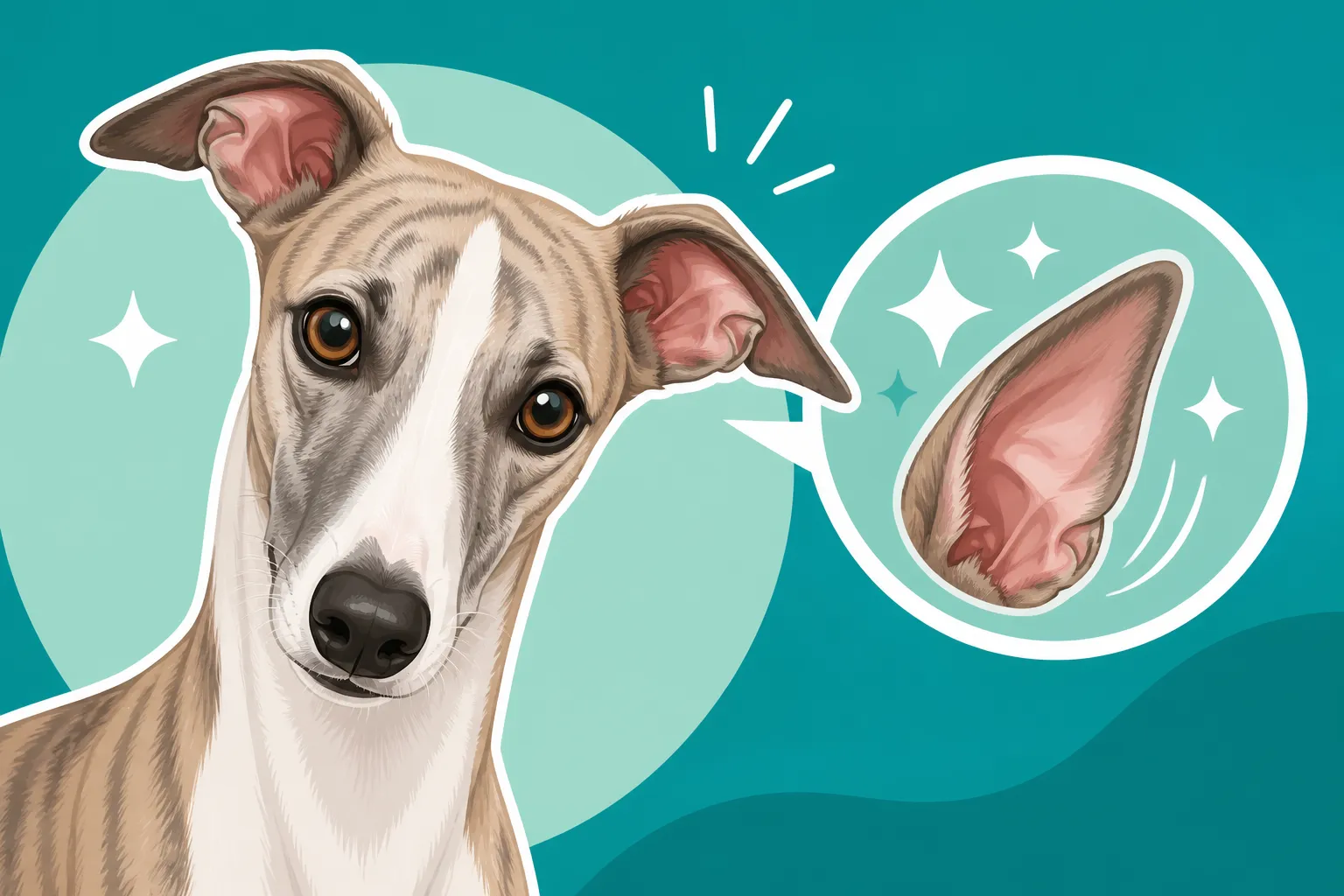
A Whippet’s ears are often described as "rose ears," meaning they are small, fold back, and typically lie flat against the head. However, when alert, they can perk up, forming a lovely crease. The key here isn't just the fold, but the overall openness. Unlike breeds with heavy drop ears that completely cover the ear canal, or those with deeply hooded ears, the Whippet's rose ear allows for excellent air circulation. This consistent airflow is absolutely crucial.
Think of it like this: warm, moist environments are a perfect breeding ground for yeast and bacteria. If an ear canal is constantly covered, trapped moisture from bathing, playing in damp grass, or even just humidity can't easily evaporate. This creates a dark, damp, and warm haven for microorganisms to proliferate. A Whippet's ear, however, has enough natural ventilation to prevent this sauna-like effect. The air can move freely, drying out any moisture and keeping the temperature regulated, making it far less inviting for unwelcome microbial guests. This simple anatomical feature does a lot of the heavy lifting in preventing common ear infections.
Fine Hair, Less Trapped Debris
Take a moment to look closely at your Whippet’s ears, both inside the flap and around the entrance to the canal. What you'll notice is a sparse covering of very fine, short hair. Compare this to a Setter with its luxurious feathering, a Poodle with dense hair growing deep into its ear canal, or even a Terrier with coarse hair that can easily collect dirt. The difference is striking.
This lack of profuse hair might seem like a minor detail, but it’s incredibly significant for ear health. Densely haired ear canals can trap all sorts of irritants: dust, pollen, grass seeds, tiny bits of debris from rolling on the carpet, and even excess ear wax itself. This trapped material can then cause irritation, block air flow even further, and lead to a buildup that encourages infection. Because a Whippet has minimal hair in these areas, there's simply less for foreign bodies to cling to. Anything that does get in has a much easier time working its way out naturally, without getting entangled in a furry mat. It's a natural, built-in broom system, keeping the canal clear and clean.
Low Wax Production and Natural Self-Cleaning
Beyond their excellent ear anatomy, Whippets also benefit from a physiology that generally produces less ear wax than many other breeds. Combined with their active lifestyle, this creates a wonderfully efficient self-cleaning mechanism that minimizes the need for human intervention.
Minimal Cerumen Buildup
Ear wax, or cerumen, serves a purpose: it helps to protect the ear canal from dust, foreign particles, and even some bacteria. However, in many dog breeds, the body produces an excessive amount of this waxy substance. When cerumen production goes into overdrive, it can become a problem. Too much wax can create a blockage, trapping moisture, dirt, and dead skin cells deep within the ear canal. This thick, sticky environment is, once again, perfect for yeast and bacteria to thrive, leading to those persistent, itchy, and sometimes smelly ear infections we know all too well.
Whippets, by and large, tend to produce a healthy, but minimal, amount of cerumen. This means there's rarely a substantial buildup to worry about. Their ears produce just enough to offer necessary protection without creating a waxy plug. This physiological predisposition is a huge advantage, cutting down on one of the most common causes of canine ear issues and making their ears incredibly low maintenance. When you consider how easily a Whippet's delicate skin can be injured, having less need for probing and cleaning is certainly a blessing. You can read more about The Thin Skin That Sends a Whippet to the Vet for Stitches in another article.
The Benefits of Movement and Structure for Self-Cleaning
It's not just about what isn't there (excess hair, excess wax), but also what is – and how it works. A Whippet’s ear canal is designed in a way that facilitates natural drainage and expulsion of debris. The angle and length of the canal, while still L-shaped like all canine ear canals, seem to be particularly effective at allowing gravity and movement to do their job.
When a Whippet runs, shakes its head vigorously after a nap, or even just perks its ears up to listen, these actions naturally help to dislodge any minor flakes of dry wax or stray dust particles. The fine hair and minimal wax mean there's less to cling to the canal walls, so these natural movements are highly effective at moving anything out of the ear. This constant, gentle self-cleaning cycle means that very little accumulates over time, keeping the inner ear remarkably pristine without you ever having to reach for a bottle of ear cleaner. Their active nature, which often involves bursts of speed and playful head bobs, unknowingly contributes to their excellent ear hygiene.
Lifestyle Factors That Contribute to Ear Health
While anatomy and physiology play a huge role, the typical Whippet lifestyle also contributes significantly to their enviable ear health. These dogs are generally cherished house pets, and their daily routines often inadvertently protect them from many environmental factors that can trigger ear problems in other breeds.
Primarily Indoor, Clean Environment
Whippets are not typically outdoor dogs. They thrive indoors, curled up on the sofa, under a blanket, or snoozing on a comfortable dog bed. This indoor lifestyle means they are far less exposed to the elements and environmental irritants that can wreak havoc on ear health. Think about a working dog spending hours in dusty fields, tall grass, or muddy water – all prime sources of foreign bodies and moisture that can enter the ear canal.
In contrast, a Whippet's world is largely confined to clean floors, furniture, and curated outdoor spaces like fenced yards or paved walking paths. This reduces their exposure to pollen, grass seeds, excessive dirt, and parasitic vectors that might lead to ear mites or secondary infections. Being primarily indoors also means they're usually in a more temperature-controlled environment, avoiding extreme humidity or dampness that could foster ear issues. Their preference for comfort and warmth, as highlighted in topics like Whether a Whippet Needs a Coat Indoors, means they spend a good portion of their lives in environments less likely to challenge their ear health.
Diet and Overall Health Considerations
It might not be immediately obvious, but a dog's general health and diet play a significant role in the condition of their skin and ears. Healthy skin is less prone to irritation and infection, and the ear canal is, after all, an extension of the skin. A well-balanced diet provides all the necessary nutrients to support a strong immune system and healthy skin barrier.
If a Whippet is eating a high-quality diet, whether it's a carefully selected kibble from Chewy, a fresh food delivery service like Ollie, or a home-prepared raw diet, their body is better equipped to maintain overall health. This includes keeping inflammation in check and providing the building blocks for healthy skin and coat. Allergies, both environmental and food-related, are a common cause of recurrent ear infections in many dogs. While Whippets can certainly develop allergies, their generally robust health and typically consistent, good quality diet can often mean fewer systemic issues that manifest as ear problems. A healthy gut and a strong immune system contribute to less inflammatory responses, including those that might otherwise lead to ear irritation and discharge. Ultimately, a healthy dog is less prone to a myriad of health problems, including those affecting the ears.
When to Still Be Vigilant: Recognizing Potential Issues
While Whippets are indeed blessed with naturally clean ears, it’s crucial to remember that no dog is entirely immune to problems. Even with all their inherent advantages, issues can arise. Being an observant owner means knowing what to look for and when to seek professional help, rather than assuming their ears will always take care of themselves.
Signs That Something Isn't Right
Despite their excellent genetics and lifestyle, Whippets can still develop ear problems. It might not be as common as in a Cocker Spaniel or a Basset Hound, but it can happen. Common signs of an ear infection or irritation include persistent scratching at the ears, vigorous head shaking, tilting the head to one side, or an unpleasant odor emanating from the ear. You might also notice redness, swelling, or discharge inside the ear canal. The discharge can vary in color and consistency, from waxy black to yellowish-green.
Sometimes, the issue isn't an infection but a foreign body, like a tiny seed or burr that managed to find its way in, especially if your Whippet loves to zoom through tall grasses. Less commonly, a systemic allergy that affects their skin might also manifest with itchy ears, even in a Whippet. It's always best to be proactive. Performing a quick visual check during your regular grooming routine, which is mercifully short for a Whippet since Why a Whippet's Coat Takes Five Minutes a Week, can help you catch problems early.
Gentle Cleaning and Professional Care
For routine maintenance, most Whippets require very little, if any, ear cleaning. However, if you notice a small amount of dark debris or a slight smell, a gentle wipe with a soft cotton ball or gauze pad dampened with a vet-approved ear cleaner can be helpful. Always avoid cotton swabs, which can push debris further into the canal and potentially damage the delicate eardrum. You can find quality, gentle ear cleansers at your local pet store or readily available through online retailers like Amazon. Remember to always follow the product instructions carefully.
However, if you observe any of the more serious symptoms mentioned above – redness, swelling, significant discharge, or obvious pain – it's time to call your veterinarian. Attempting to treat a full-blown ear infection at home can often worsen the problem or lead to chronic issues. A vet can accurately diagnose the cause, whether it's bacteria, yeast, mites, or even an underlying allergy, and prescribe the appropriate medication. They can also ensure there are no foreign bodies or other complications. For sighthounds, it's often beneficial to seek out a vet who understands their unique physiology and potential sensitivities, as discussed in Whether a Whippet Needs a Vet Who Knows Sighthounds.
Here's a quick comparison of ear characteristics in Whippets versus breeds commonly prone to ear issues:
| Characteristic | Whippet Ears | Breeds Prone to Ear Issues (e.g., Cocker Spaniel, Basset Hound) |
|---|---|---|
| Ear Type | Rose ears (small, folds back, good airflow) | Heavy drop ears, pendulous ears |
| Airflow | Excellent ventilation | Restricted, poor air circulation |
| Hair in Ear Canal | Sparse, fine hair | Dense, profuse hair, often growing deep into canal |
| Ear Wax Production | Typically low to moderate | Often high, leading to significant cerumen buildup |
| Moisture Trapping | Minimal due to airflow | High, creates warm, damp environment |
| Debris Trapping | Minimal due to fine hair and structure | High, easily traps dirt, pollen, foreign bodies |
| Self-Cleaning | Highly effective through natural movement | Less effective, often requires manual cleaning |
| Common Problems | Generally few, occasional irritation or foreign body | Frequent infections (yeast, bacterial), mites, allergies |
Ultimately, while Whippets are wonderfully low-maintenance in the ear department, giving their ears a quick visual check during your daily snuggles is a small effort that goes a long way in maintaining their excellent health.
Disclaimer
This article is for general informational purposes only and does not constitute professional advice. Laws, prices and regulations vary by location and change over time. Consult a qualified professional for guidance on your specific situation.