Whether a Whippet Needs Conditioner
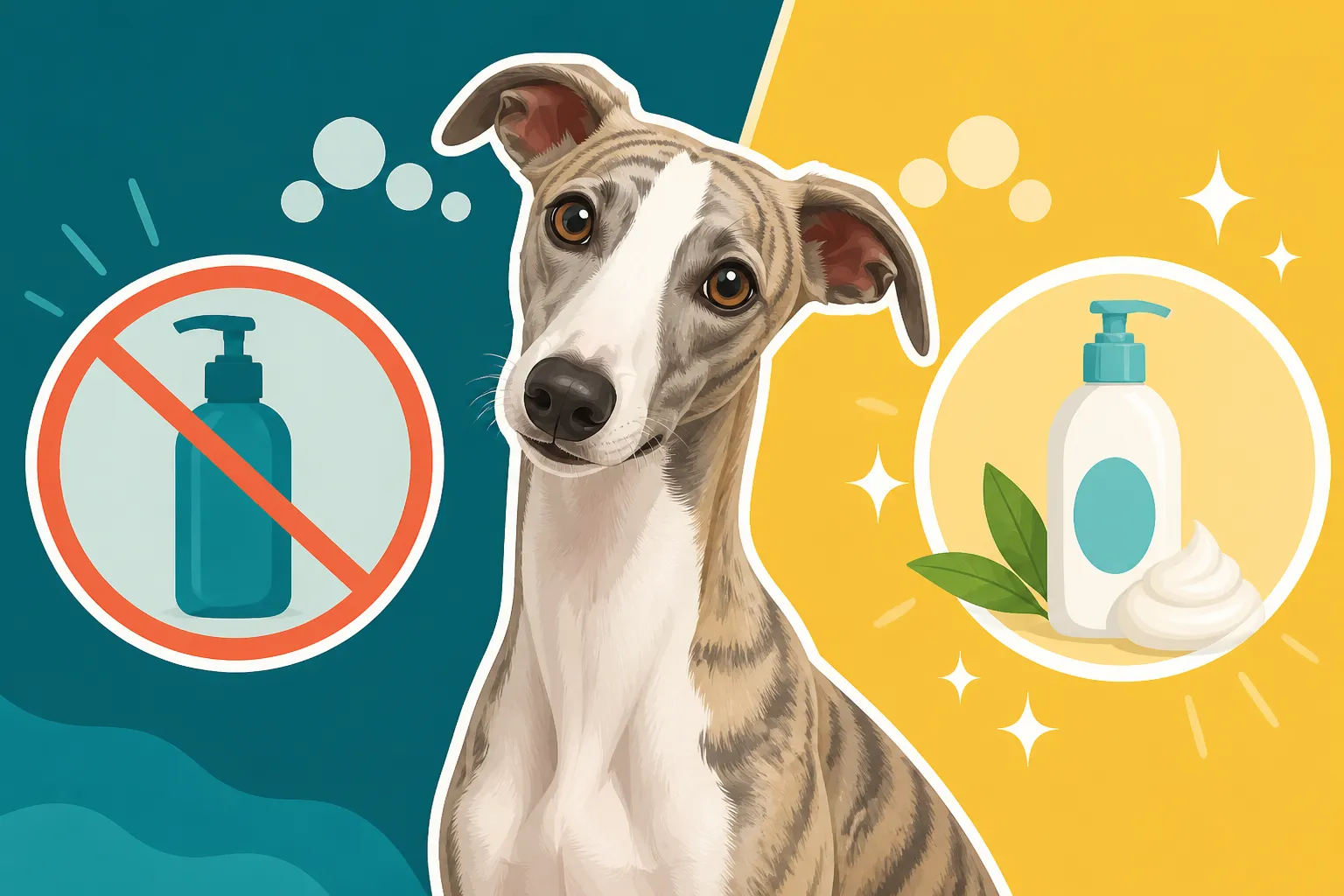
As a whippet owner, you know the struggles: keeping their delicate skin healthy, ensuring their short coat gleams, and wondering if you're doing enough without overdoing it. Many of us have pondered whether our svelte companions actually need a conditioner after their bath, especially when their skin feels a bit dry or their coat looks less than lustrous. This guide will dive deep into the unique characteristics of a whippet's coat and skin, exploring whether conditioner is truly necessary, and offering practical, holistic approaches to keep your whippet looking and feeling their best.
Understanding Your Whippet's Unique Coat and Skin
Whippets are truly special creatures, and their physical makeup reflects their athletic heritage. Unlike many other breeds with thick double coats or ample body fat, whippets are streamlined, built for speed, and have very little natural insulation. This anatomical fact plays a huge role in how we care for their skin and coat.
Their skin is remarkably thin and often quite visible through their fine, short hair. If you’ve ever gently stroked your whippet, you’ve probably noticed how close to the surface their bones and muscles are. This lack of padding, while essential for their agility and speed, also means their skin is more exposed and prone to certain issues that might not affect other breeds. Think about how easily they can get a skin tear – it's a direct result of this thin, delicate covering.
When it comes to their coat, whippets boast a single, smooth, very short layer of hair. There's no thick undercoat to provide insulation or protect the skin from the elements. This single layer is why they're prone to shivering when the temperature drops, and why so many of us find ourselves bundling them up in adorable, yet necessary, sweaters and coats during colder months. It also means that any dryness or irritation on the skin is immediately apparent, unlike a shaggy dog where skin issues can hide beneath layers of fur.
The Anatomy of a Whippet's Coat
A whippet's coat isn't just short; it's designed for minimal drag, incredibly fine, and lies close to the body. This sleekness is part of their charm and efficiency. Each hair is relatively sparse compared to breeds with dense fur, meaning there's less hair overall to hold onto natural oils, dirt, or even product residues. This minimalist coat often gives them that velvety feel we adore, but it also means there's less "buffer" between the external world and their delicate skin.
Their coat also doesn't possess the same kind of natural protective qualities found in breeds with coarser, oilier, or thicker fur. Many breeds develop a somewhat water-resistant coat due to their hair structure and natural oils, but a whippet's coat offers minimal protection against moisture or extreme temperatures. This is important to remember when we consider what products we're applying and what we're hoping they'll achieve. For instance, you might notice that when your whippet gets wet, they get really wet, right down to the skin, which then necessitates getting them thoroughly dry to prevent chills.
Skin Sensitivity and Natural Oils
Because a whippet's skin is so thin and close to the surface, it tends to be more sensitive than the skin of many other dogs. They don't have layers of fat or thick fur to act as a buffer against irritants, harsh weather, or even strong chemicals. This sensitivity means that what might be a mild product for another dog could potentially cause dryness, itchiness, or even a rash on a whippet. It's a common concern among owners, and rightfully so. You often hear about certain breeds reacting poorly to specific flea treatments; whippets, with their delicate nature, require a cautious approach to any topical application.
Their skin naturally produces oils that are crucial for maintaining its health and the luster of their coat. These oils act as a natural moisturizer and a barrier against environmental factors. Over-bathing or using harsh shampoos can strip these essential oils, leading to dry, flaky skin and a dull coat. This is where the temptation to use a conditioner often arises – we see the dryness and reach for a product we associate with moisture. However, sometimes the problem isn't a lack of conditioner, but an imbalance in the natural oil production due to other factors. Why a Whippet's Coat Takes Five Minutes a Week is usually all it needs, because their natural oils and minimal hair do most of the work.
Think of it like this: if your own skin feels dry, your first thought might be lotion. But if that dryness is caused by using a harsh soap, switching to a milder soap might be more effective than just adding lotion on top. The same principle applies here. Which Shampoo Suits a Whippet's Thin Skin is often more critical than adding a conditioner.
Do Whippets Really Need Conditioner? Exploring the Pros and Cons
This is the million-dollar question for many whippet owners. Given their fine coats and sensitive skin, the idea of adding extra moisture and protection with conditioner seems logical. However, it's not always a straightforward "yes." Let's look at when conditioner might be considered and when it's more likely to be an unnecessary step or even counterproductive.
When Conditioner Might Seem Like a Good Idea
There are specific situations where a dog conditioner might appear beneficial for a whippet, or at least where owners often consider it:
- Dry, Flaky Skin: If your whippet suffers from genuinely dry or flaky skin, especially during harsh winter months, a gentle, hypoallergenic conditioner might seem like a solution. The dryness can sometimes manifest as a dull coat or even a bit of dandruff. In these cases, a conditioner designed to moisturize the skin might offer temporary relief, by helping to restore some hydration and soothe irritation. However, it's crucial to first identify why the skin is dry. Is it environmental? Is it diet-related? Or is it simply a reaction to the shampoo being used?
- Dull or Brittle Coat: While whippet coats are naturally sleek, sometimes they can look a bit dull or feel slightly brittle, rather than their usual soft velvet. This might happen if they've been exposed to drying elements like excessive sun, wind, or even certain chemicals. A very light, rinse-out conditioner could potentially add a temporary sheen and make the coat feel softer, much like it does for human hair. But again, it's about addressing the root cause, not just masking the symptom.
- Static Electricity: In very dry environments, especially in winter, whippets can sometimes build up static electricity in their coats, leading to little "shocks" when you pet them. A conditioner can help reduce static by smoothing the hair shaft and providing a bit of moisture. This is a common issue for many short-coated breeds in dry climates.
- Allergy Management: For whippets with environmental allergies, specific medicated or soothing conditioners might be prescribed by a vet to calm irritated skin, reduce itching, and add a protective barrier. These aren't your typical cosmetic conditioners but are therapeutic treatments.
It's important to remember that for whippets, "less is often more" when it comes to products. Their natural coat tends to be self-cleaning and doesn't hold onto dirt or odors like longer, thicker coats do. How Often a Whippet Should Be Bathed is usually not very often, which also reduces the need for constant conditioning.
Potential Downsides and Unnecessary Products
While conditioner can sound appealing, for most whippets, it's often an unnecessary addition to their grooming routine and can even cause issues.
- Residue Buildup: Whippets have very fine, short hair. Conditioners, especially thicker formulas, can easily leave a residue on their coat and skin if not rinsed thoroughly. This residue can attract dirt, clog pores, and lead to skin irritation, making the initial problem worse. Instead of a healthy sheen, you might end up with a greasy, dull, or itchy whippet.
- Over-Moisturizing: While dryness is a concern, over-moisturizing can also be problematic. Excessive moisture can disrupt the skin's natural balance, leading to fungal or bacterial overgrowth, especially in skin folds (though whippets have few of these, their delicate skin is still vulnerable). It can also make the coat feel heavy or "gummy" instead of light and sleek.
- Allergic Reactions: Even mild, supposedly hypoallergenic conditioners can contain ingredients that a sensitive whippet might react to. Fragrances, dyes, and certain chemicals are common culprits. Introducing an unnecessary product increases the risk of an adverse reaction, leading to itching, redness, or hair loss. You want to avoid any potential triggers that might exacerbate their natural skin sensitivity.
- Cost and Effort: Let's be honest, adding another step to bath time takes more time, effort, and money. If your whippet doesn't genuinely need conditioner, why spend the extra resources? Most whippet owners revel in the simplicity of their dog's grooming, and adding an extra product without clear benefit just complicates things.
- Obscuring Underlying Issues: If you're constantly reaching for conditioner to fix dryness or dullness, you might be missing the underlying cause. Is it a dietary deficiency? Is the environment too dry? Is the shampoo too harsh? Simply conditioning might temporarily mask these issues without resolving them, which is a disservice to your whippet's long-term health. For instance, sometimes a dull coat can be an early indicator of dietary deficiencies, and a quality diet, perhaps including a good fish oil supplement, would be more beneficial than any topical conditioner.
For the vast majority of whippets, their healthy skin and coat thrive with minimal intervention. Focusing on a good, gentle shampoo, thorough rinsing, and proper drying is usually all that's required.
Here's a quick comparison of when you might consider conditioner vs. when it's likely not needed:
| Factor | Likely Needs Conditioner (Consult Vet) | Unlikely Needs Conditioner (Normal Care) |
|---|---|---|
| Skin Condition | Persistent flakiness, excessive dryness, redness, prescribed treatment | Healthy, supple, minimal dryness, no irritation |
| Coat Texture | Brittle, excessively dull, static-prone in dry conditions | Soft, smooth, naturally shiny, velvety feel |
| Allergies | Vet-diagnosed skin allergies, prescribed soothing conditioner | No known allergies, skin appears calm |
| Purpose | Therapeutic relief, static control, specific health issue mitigation | Cosmetic enhancement, routine moisturizing beyond shampoo, covering issues |
Holistic Approaches to a Healthy Whippet Coat
Instead of immediately reaching for a conditioner, consider a holistic approach to maintaining your whippet's coat and skin health. Often, the best solutions come from within or from simple, consistent care practices. A truly healthy coat reflects overall well-being.
Nutrition for Skin and Coat Health
What goes into your whippet's body has a profound impact on what you see on the outside. A high-quality diet is the cornerstone of a healthy coat and supple skin.
- Balanced Diet: Ensure your whippet is eating a complete and balanced dog food appropriate for their life stage and activity level. Look for foods with clearly identifiable protein sources (like chicken, beef, or fish) as the first ingredients. Avoid foods with excessive fillers, artificial colors, or by-products, as these can sometimes contribute to skin sensitivities or a dull coat in some dogs. Brands like Ollie focus on fresh, human-grade ingredients that can sometimes make a noticeable difference in coat quality for dogs with sensitivities to traditional kibble.
- Essential Fatty Acids: Omega-3 and Omega-6 fatty acids are crucial for skin and coat health. These can be found in quality dog foods, but many owners opt for supplements. Fish oil, rich in EPA and DHA, is a popular choice for promoting a shiny coat, reducing inflammation, and supporting overall skin integrity. You can find excellent fish oil supplements from retailers like Chewy or Amazon. Whether a Whippet Needs Fish Oil is a common question, and for skin and coat, it's often a good idea.
- Hydration: Don't underestimate the power of fresh water. Just like in humans, proper hydration is vital for skin elasticity and cellular function. Make sure your whippet always has access to clean, fresh water. A well-hydrated dog will have healthier skin from the inside out.
Feeding your whippet for optimum health will often naturally resolve issues like dryness and dullness, far more effectively than any topical conditioner. Feeding a Whippet That Sprints and Then Sleeps needs to be done carefully to ensure they get all the nutrients they need without gaining unnecessary weight.
Proper Bathing Techniques
How you bathe your whippet is far more important than whether you use conditioner. Incorrect bathing can strip natural oils, irritate skin, and lead to the very problems you're trying to fix.
- Choose the Right Shampoo: This is critical for whippets. Opt for a gentle, pH-balanced, hypoallergenic dog shampoo specifically designed for sensitive skin. Avoid shampoos with strong fragrances, harsh detergents (like sulfates), or excessive dyes. Tear-free puppy shampoos are often a good choice even for adult whippets due to their mildness. Which Shampoo Suits a Whippet's Thin Skin is a topic many whippet owners research extensively.
- Frequency: Whippets generally don't need frequent baths. Unless they've rolled in something truly disgusting, bathing every 4-6 weeks, or even less often, is usually sufficient. Over-bathing can strip those essential natural oils. If your whippet rarely smells, you might get away with bathing even less.
- Thorough Rinsing: This is perhaps the most important step if you do use conditioner. Any shampoo or conditioner residue left on the skin can cause irritation, itching, and dryness. Rinse, rinse, and rinse again until the water runs clear and you can't feel any slickness on their coat. Spend extra time ensuring all product is gone, especially under the armpits and in the groin area.
- Gentle Drying: After bathing, gently towel-dry your whippet thoroughly. Their short coat dries quickly, but ensure they are completely dry before being exposed to cold air to prevent chills. A soft, absorbent towel is all you need. If using a blow dryer, use a cool or low-heat setting and keep it moving to avoid burning their delicate skin.
Environmental Factors and Protection
Your whippet's environment also plays a significant role in their skin and coat health.
- Protect from the Elements: Due to their thin skin and lack of fat, whippets are susceptible to sun exposure and cold.
- Sun Protection: Whippets, especially those with light-colored or white coats, can sunburn easily, particularly on their ears, noses, and bellets. Limit sun exposure during peak hours, and consider a light, breathable shirt or pet-safe sunscreen if they'll be out for extended periods.
- Cold Protection: As mentioned earlier, whippets get cold easily. Wearing coats when temperatures drop not only keeps them warm but also protects their skin from drying winds and harsh elements. The Wardrobe a Whippet Needs Because It Has No Body Fat covers this in detail.
- Humidifiers: In very dry indoor environments, especially during winter when heaters are running, the air can strip moisture from skin. A humidifier in the rooms your whippet spends the most time in can help add moisture back into the air, benefiting their skin (and yours!).
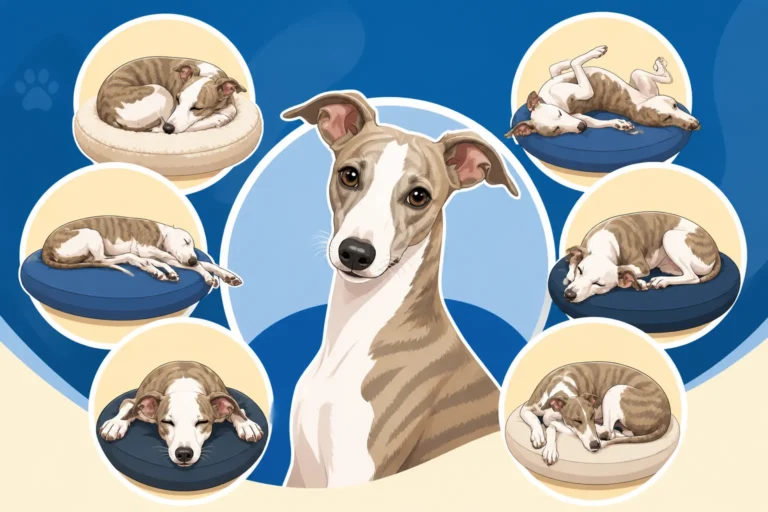
- Soft Bedding: Whippets lack natural padding, making them prone to pressure sores or calluses if they consistently sleep on hard surfaces. Providing ample soft, cushioned bedding throughout your home will protect their skin and joints. This also prevents their delicate elbows and hips from getting dry patches or becoming bald. The Beds a Whippet Owner Keeps Buying is a real testament to this need.
- Regular Brushing: While their coat is short, a quick, gentle brush a few times a week with a soft rubber curry brush or a grooming mitt can do wonders. This stimulates blood flow to the skin, distributes natural oils, and removes loose hair and dander. It's a quick, bonding activity that helps maintain coat health without any products. How Much a Whippet Sheds Year Round can be surprising for such a short-coated dog, and regular brushing helps manage it.
By focusing on these foundational elements – a superb diet, proper bathing, and environmental protection – you'll likely find that your whippet's coat maintains its natural luster and health without the need for additional conditioners. They are naturally sleek, and sometimes the best care is the simplest care.
Disclaimer
This article is for general informational purposes only and does not constitute professional advice. Laws, prices and regulations vary by location and change over time. Consult a qualified professional for guidance on your specific situation.