How Many Baths a Year a Whippet Needs
It’s a common dilemma for Whippet owners: how often do these sleek, delicate hounds actually need a bath? You look at their short, fine coats and think, "Surely they don't need scrubbing constantly," but then they roll in something questionable, or the thought of "dog smell" creeps in. The truth is, Whippets have unique skin and coat needs that often mean less bathing is more beneficial. This guide will help you understand the perfect balance, ensuring your Whippet stays clean, comfortable, and healthy without overdoing it.
The Whippet's Unique Coat and Skin: Why Less is More
Whippets are built for speed, not for braving the elements or accumulating vast amounts of dirt. Their physical structure means they have a very different set of care requirements compared to, say, a fluffy retriever. Understanding these inherent traits is key to knowing how often to reach for the shampoo bottle.
Understanding Their Delicate Skin
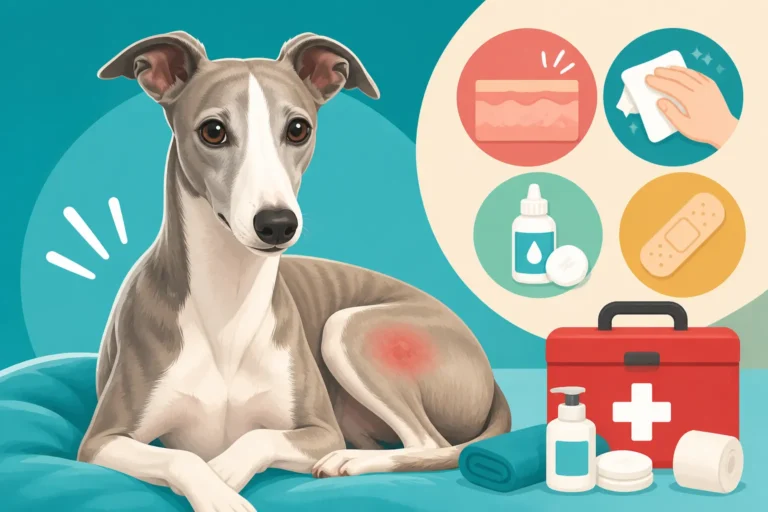
If you've ever touched a Whippet, you know their skin is remarkably thin. It’s almost like tissue paper, stretching taut over their lean musculature with hardly any insulating fat layer underneath. This thinness means it's incredibly sensitive and prone to irritation if not cared for properly. Many owners have experienced the frustration of a seemingly minor scratch turning into a bigger issue, which is a testament to how delicate their skin truly is. The Thin Skin That Sends a Whippet to the Vet for Stitches is a real concern, and improper bathing can exacerbate such sensitivities.
Because their skin is so fine and their coat so short, they don't produce a lot of natural oils that can trap dirt or create a strong "doggy" odor, unlike breeds with denser undercoats. These natural oils, while minimal, are crucial for protecting their skin and keeping it supple. Over-bathing strips away these protective layers, leaving their skin dry, itchy, and potentially vulnerable to environmental irritants or even minor infections. It's a delicate balance; you want them clean, but not stripped bare.
Think of it like washing your own hands too much with harsh soap – they get dry, cracked, and uncomfortable. A Whippet's entire body can feel this way if their natural oils are constantly being washed away. This sensitivity is why selecting the right shampoo and understanding bathing frequency is so important; it's not just about getting them clean, but protecting their primary defense against the outside world.
The Myth of the "Smelly Dog"
One of the greatest joys of living with a Whippet is their almost magical lack of a strong dog odor. While every dog has some smell, Whippets are famously clean and often described as having no scent at all, or a very faint, pleasant one. This is largely due to their short, single coat which doesn't trap dirt, dander, or excessive oils in the same way a double-coated or long-haired breed might. Why a Whippet Barely Smells is not just a pleasant surprise for new owners; it's a fundamental characteristic.
This natural cleanliness means that regular, frequent bathing to combat "smell" is usually unnecessary and counterproductive. If your Whippet starts to develop a noticeable odor, it's often a sign of something deeper than just needing a bath. It could indicate a skin issue, allergies, or even an underlying health problem. Rather than reaching for the shampoo, it might be time for a vet check-up to rule out conditions like yeast infections, bacterial overgrowth, or hormonal imbalances that can cause skin odor.
For most day-to-day situations, a quick wipe-down with a damp cloth or a gentle brush is more than sufficient to keep your Whippet feeling fresh. Their tendency to self-groom, much like cats, also contributes to their overall cleanliness. They don’t typically enjoy being muddy or dirty, and often take great care to keep themselves tidy, reducing the need for owner intervention with a full bath.
Factors Influencing Bath Frequency
While the general rule for Whippets is "less is more," there's no single magic number for how many baths they need in a year. Various factors in your Whippet's life and environment will influence the ideal bathing schedule. It’s about listening to your dog and observing their needs, rather than sticking to an arbitrary calendar date.
Lifestyle and Activities
The biggest determinant of bath frequency is your Whippet's daily life. A Whippet that lives primarily indoors, enjoys leisurely walks on paved paths, and rarely encounters mud or deep dirt will naturally need far fewer baths than one who accompanies you on daily hikes through fields, plays vigorously at dog parks, or participates in dog sports. Consider whether your dog is a dedicated The Whippet Is a Forty Mile an Hour Couch Potato or a high-energy athlete.
For the quintessential "couch potato" Whippet, a bath might only be necessary two to four times a year, or even less, perhaps when they've truly rolled in something offensive or are visibly soiled. Many owners find that a good rub-down with a damp towel after a walk, or using specialized dog wipes, is enough to keep them clean between infrequent full baths. If your Whippet spends a lot of time snuggling on the sofa, you're probably not battling much external grime.
On the other hand, if your Whippet is an avid lure courser, a farm dog, or just a very enthusiastic park-goer who loves to explore every puddle and mud patch, you'll obviously need to bathe them more often. In such cases, a monthly bath might be appropriate, or even more frequently if they get exceptionally dirty. The key is to evaluate the actual level of grime they accumulate and balance that with the need to protect their delicate skin. Even then, quick rinses might be preferable to full shampooing for minor dirt.
Skin Conditions and Allergies
Sometimes, despite their best efforts and your diligent care, Whippets can develop skin issues or allergies, just like any other breed. These conditions can significantly impact bathing frequency and the type of products you should use. It’s a frustrating experience to see your sleek dog scratching and uncomfortable, and it often feels like you’re walking a tightrope between trying to soothe their skin and not making things worse. Dandruff on a Whippet can be a symptom of dry skin or an allergic reaction, signaling a need for specific care.
Whippets, with their thin skin, are sometimes prone to environmental allergies, which can manifest as itchy, red skin, hot spots, or even secondary infections. In these instances, your veterinarian might recommend therapeutic baths with medicated shampoos to help manage symptoms, reduce inflammation, or treat bacterial/yeast infections. These baths are treatments, not just for cleanliness, and would override a "less is more" philosophy for a temporary period. Always follow your vet's specific instructions if medicated shampoos are prescribed.
For Whippets with sensitive skin that isn't necessarily allergic but easily irritated, you might find that certain shampoos, even those labeled "gentle," can cause dryness or itchiness. In these cases, finding the right pH-balanced, hypoallergenic shampoo is paramount. You might even discover that very infrequent bathing, combined with regular wiping down and brushing, is the best approach. It’s about careful observation and, often, a bit of trial and error to figure out what truly works for your individual dog's skin needs.
Seasonal Considerations
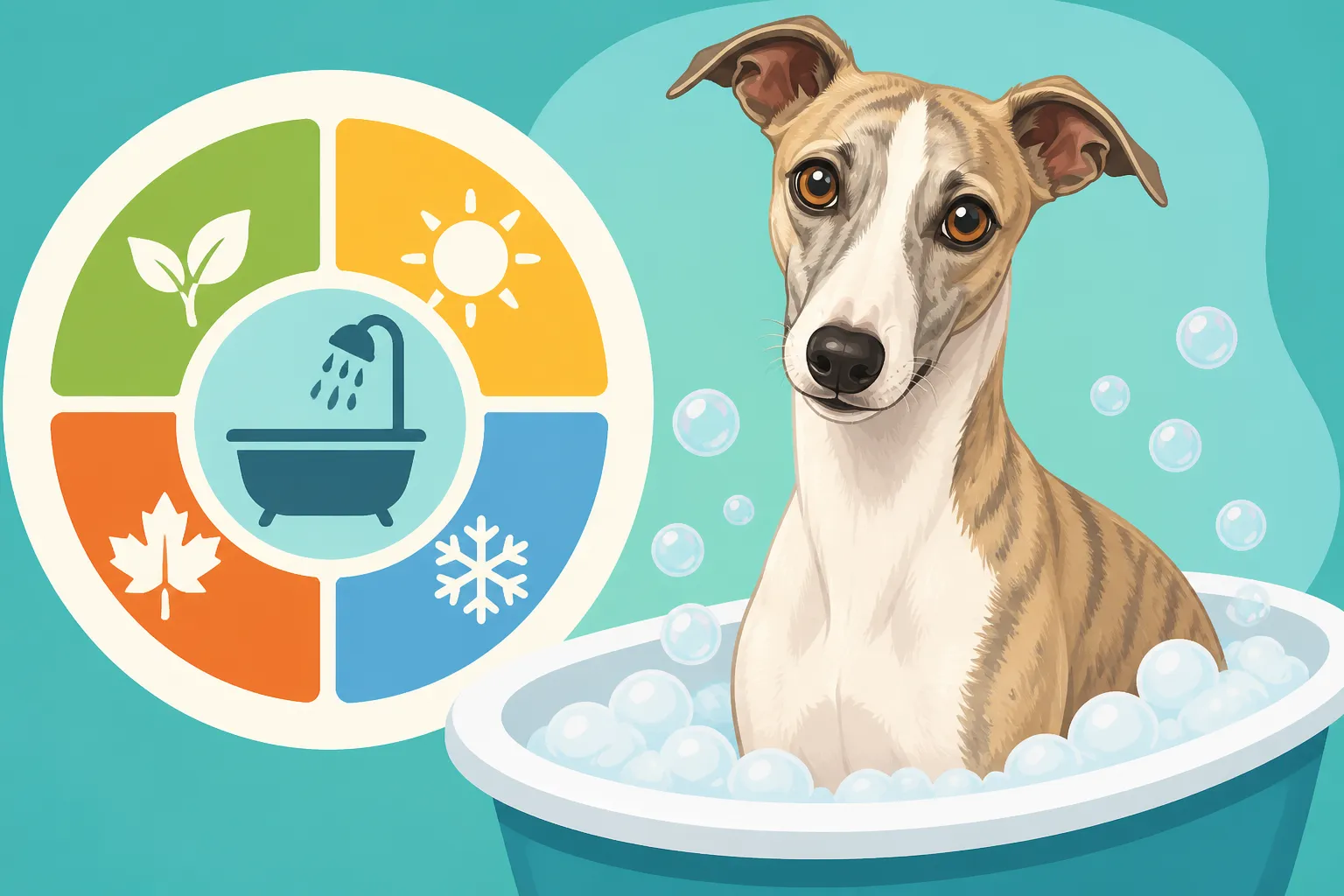
The time of year can also play a role in how often your Whippet needs a bath. Winter generally calls for less bathing, especially if your Whippet spends more time indoors due to cold weather. Whippets, lacking body fat and a dense coat, feel the cold intensely. Whether a Whippet Needs a Coat Below Fifty Degrees isn't just about comfort; it's about basic thermal regulation. Frequent winter baths can strip essential oils, making their skin drier in already harsh, dry air, and can increase the risk of them getting chilled. If they do get muddy on a winter walk, a quick warm water rinse and thorough towel dry is usually sufficient without a full shampoo.
Summer, however, can be a different story. While Whippets generally handle heat well, they might get dirtier more often if they're enjoying outdoor activities like trips to the beach, romping in long grass, or cooling off in shallow creeks. During warmer months, you might find yourself needing to bathe them slightly more frequently, perhaps every 6-8 weeks, especially if they're particularly adventurous. However, always be mindful of their skin. Even in summer, over-bathing can lead to dryness.
Humidity levels can also affect their skin and coat. In very dry climates, frequent bathing can worsen dry skin, whereas in humid climates, it might be necessary to prevent skin issues related to moisture. Observe how your Whippet’s skin reacts to seasonal changes and adjust your bathing routine accordingly, always prioritizing their skin health over perceived cleanliness.
Best Practices for Bathing Your Whippet
When it is time for a bath, it's important to approach it in a way that is gentle, effective, and as stress-free as possible for your Whippet. Their sensitive nature means that a loud, rushed, or cold bathing experience can be truly unpleasant, reinforcing a dislike for future baths. Being prepared and methodical can make all the difference.
Choosing the Right Products
This is perhaps the most critical step for a Whippet owner. Given their delicate skin, not just any dog shampoo will do. You need something specifically formulated for sensitive skin, ideally pH-balanced and free from harsh chemicals, dyes, and strong fragrances that can irritate. Many conventional dog shampoos are designed for thicker, oilier coats and can be far too stripping for a Whippet. Which Shampoo Suits a Whippet's Thin Skin is a question every Whippet owner should consider carefully.
Look for shampoos with natural, soothing ingredients like oatmeal, aloe vera, or colloidal silver. Hypoallergenic formulas are often a safe bet. You might find excellent options on platforms like Chewy or Amazon, where you can read reviews from other sighthound owners. Avoid anything that promises extreme degreasing or heavy deodorizing, as these often contain strong detergents that will strip their natural oils. Sometimes, a conditioner, even a light one, can be beneficial to help restore moisture after shampooing, especially if their skin tends to be dry. Whether a Whippet Needs Conditioner can be a personal preference based on your dog’s specific coat and skin needs.
It's also wise to do a patch test with any new product on a small area of skin before committing to a full bath, just to be sure there's no adverse reaction. Remember, a high-quality, gentle shampoo might cost a little more, but it’s an investment in your Whippet’s skin health and comfort, potentially saving you vet bills down the line for irritated skin.
The Bathing Process: Making it Stress-Free
Bathing a Whippet should be a calm and reassuring experience, not a wrestling match. Prepare everything beforehand: shampoo, conditioner (if using), towels, a non-slip mat for the tub or shower, and plenty of treats. Use warm water, checking the temperature carefully on your wrist – never hot, never cold. A sudden blast of cold water can be quite a shock to a Whippet, who feels the cold intensely.
Start by gently wetting their coat, speaking in a calm, soothing voice. Apply a small amount of shampoo and lather it gently, working from neck to tail, being extra careful around their face and ears. Avoid getting water or soap in their eyes or ears. A soft washcloth can be used for their face. Rinse thoroughly, and I mean thoroughly. Any shampoo residue left on their thin skin can cause irritation and dryness. Many owners find it helpful to rinse, then rinse again, just to be sure. Follow with conditioner if you’re using it, rinsing that out just as meticulously.
Once rinsed, gently squeeze excess water from their coat. Avoid vigorous rubbing with a towel, which can irritate their skin. Instead, pat them dry with a soft, absorbent towel. Whippets often shiver after a bath, even in warm weather, because of their lack of body fat. Dry them as quickly as possible and then wrap them in a warm, dry towel or put them in soft pajamas if it's cool in the house. This helps prevent them from getting chilled. Some Whippets tolerate a low-heat, low-speed hair dryer, but many find the noise and sensation too stressful. If using one, keep it moving and don't let the air get too hot.
Post-Bath Care and Routine Maintenance
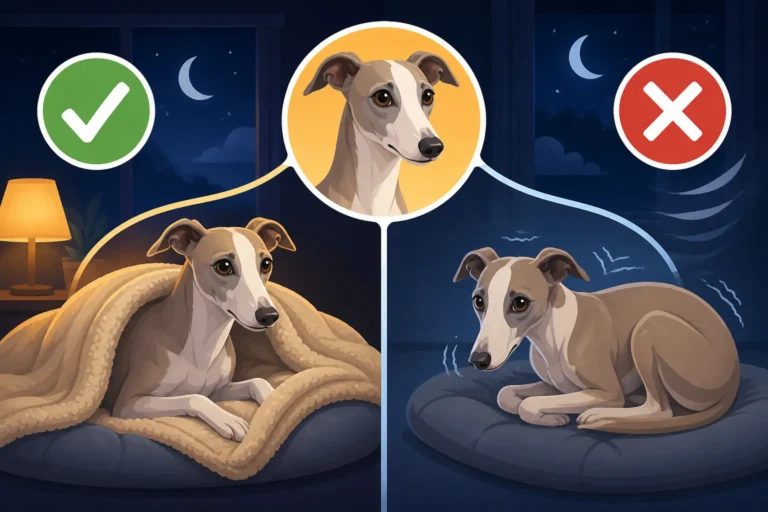
The care doesn’t stop once the bath is over. Post-bath care is just as important for maintaining your Whippet's skin and coat health. After drying, ensure they are kept warm and comfortable until they are completely dry, which, thankfully, doesn't take long with their short coats. Offer them a quiet, cozy spot, perhaps with a soft blanket they can burrow under.
Between baths, regular grooming is vital. This doesn't involve complex styling, but rather simple, consistent care. A soft rubber curry brush or a grooming mitt can be used a few times a week to remove loose hair, stimulate natural oil production, and provide a gentle massage. This is a great way to bond with your Whippet and also allows you to check their skin for any unusual lumps, bumps, or irritations. How Often a Whippet Needs Brushing is usually just a couple of times a week, and it’s a quick task.
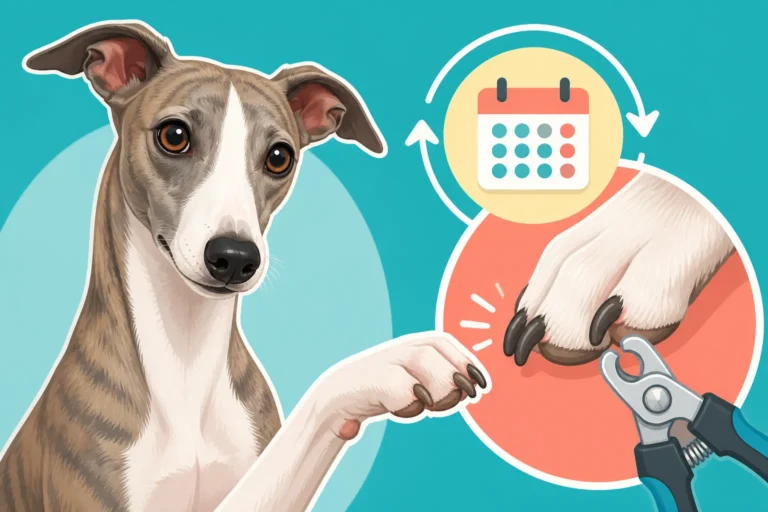
Nail trims are another essential part of their routine. How Often a Whippet's Nails Need Cutting often depends on their activity level, but generally every 2-4 weeks is a good benchmark. Regularly check their paw pads for any cuts or abrasions, especially if they’re active outdoors. For minor dirt or dust, a quick wipe down with a damp cloth or a pet-safe wipe can keep them fresh without needing a full bath. This proactive approach helps extend the time between full baths and keeps their delicate skin in prime condition.
Bathing Frequency Guide
To help visualize how often your Whippet might need a bath, here's a general guide. Remember, these are suggestions, and your individual Whippet’s needs should always take precedence.
| Whippet Lifestyle | Recommended Bath Frequency | Considerations |
|---|---|---|
| Indoor Couch Potato | 2-4 times a year | Minimal exposure to dirt. Focus on gentle wiping, brushing, and checking skin for dryness. Only full baths for visible soiling or odor (which should prompt a vet check). |
| Moderate Activity | Every 2-3 months | Regular walks, occasional park visits. May get slightly dirty but usually just needs a wipe down. Full bath when visibly grimy or if seasonal shedding (minimal for Whippets) prompts it. |
| Active/Outdoor Enthusiast | Monthly or Bi-Monthly | Frequent runs, hikes, dog parks, or lure coursing. Higher chance of encountering mud, dust, or allergens. Consider quick rinses without shampoo for minor dirt; use gentle shampoo for thorough cleaning. |
| Skin Conditions/Allergies | As directed by vet | Therapeutic or medicated baths may be prescribed more frequently for a limited period. Always use vet-recommended products and follow instructions carefully. Revert to less frequent bathing once the condition is managed. |
| Emergency Bath | As needed | For rolling in something truly foul, encountering fleas/ticks (use appropriate flea shampoo), or getting covered in something toxic. This is an "exception to the rule" bath, regardless of the last bath date. |
Ultimately, bathing a Whippet is about mindful care, not routine scrubbing. By understanding their unique physiology and responding to their individual needs, you can keep your Whippet comfortably clean without compromising their delicate skin. When in doubt, lean towards less frequent full baths and more frequent spot cleaning and brushing.
Disclaimer
This article is for general informational purposes only and does not constitute professional advice. Laws, prices and regulations vary by location and change over time. Consult a qualified professional for guidance on your specific situation.