Why a Whippet’s Platelet Count Runs Low
It can be incredibly alarming to get your Whippet's bloodwork back from the vet, only to see a red flag next to their platelet count. Your heart sinks, imagining all sorts of terrible scenarios, even when your dog is acting perfectly normal. This situation is frustrating and confusing, leaving many Whippet owners wondering if something is seriously wrong or if their beloved sighthound is just different. This guide aims to clear up the mystery behind why a Whippet's platelet count might appear low and help you understand when to truly worry and when to breathe a sigh of relief.
The Unique Sighthound Bloodwork Profile and Platelet Counts
One of the most common reasons a Whippet might show a "low" platelet count on a routine blood panel isn't due to a grave illness, but simply because standard veterinary reference ranges aren't always designed for their unique physiology. Sighthounds, including our lithe Whippets, are athletic marvels with certain biological quirks that set them apart from other breeds. These differences extend right down to their bloodwork, and knowing this can save you a lot of anxiety and potentially unnecessary interventions.
Why Standard Reference Ranges Don't Always Apply to Whippets
Most veterinary laboratory reference ranges are established by testing a broad population of dogs. This typically includes a mix of common breeds, often those with a more "average" build and metabolism. However, Whippets, with their lean body mass, incredibly efficient cardiovascular systems, and lightning-fast metabolisms, are anything but average. Their blood parameters often fall outside these general ranges, not because they are sick, but because they are physiologically unique. It's a bit like comparing a marathon runner's heart rate to that of a sedentary person; both can be perfectly healthy, but their baseline numbers will look very different.
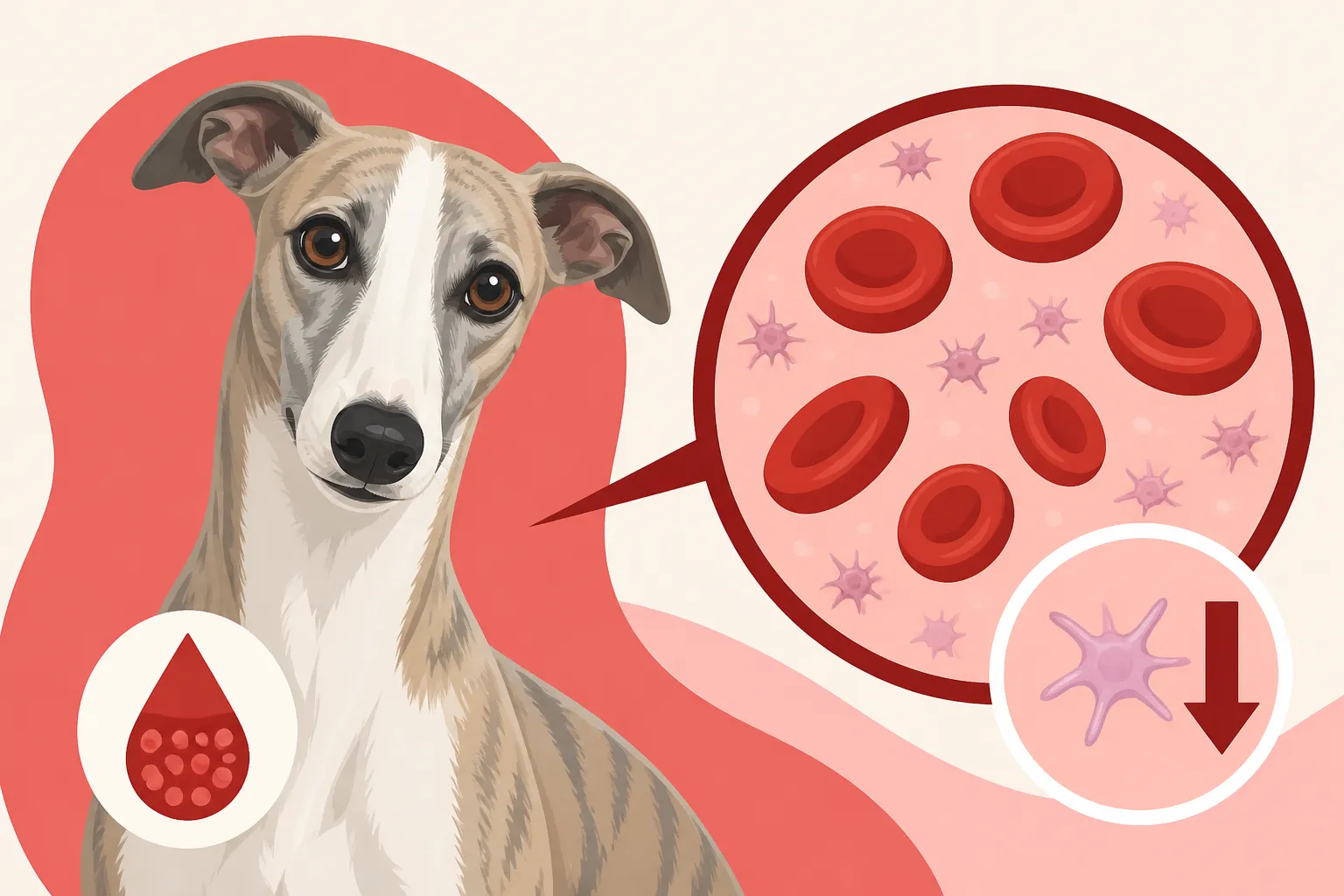
When it comes to platelets, these tiny blood cells are crucial for clotting and stopping bleeding. In many sighthounds, including Whippets, it's common to see platelet counts that are slightly below the lower end of the conventional "normal" range. This phenomenon is often referred to as "sighthound thrombocytopenia" or "idiopathic thrombocytopenia of sighthounds," meaning low platelets without any identifiable underlying disease. The key takeaway here is that a number that would be concerning in a Labrador might be perfectly normal and healthy for your Whippet. It’s one of those crucial instances where a vet really needs to know their sighthounds to interpret results correctly, a point we dive into further in our discussion on whether a Whippet needs a vet who knows sighthounds.
What a 'Low' Platelet Count Actually Means for a Whippet
So, if your Whippet’s platelet count comes back a little low, what does it really signify? For many Whippets, a count that falls below the standard lab’s lower limit, but remains above a certain threshold (often around 100,000-150,000 cells/µL, though some sighthound vets may be comfortable with even lower if the dog is asymptomatic), is considered a "normal abnormal." This means it’s outside the general dog population’s norm but is perfectly acceptable and non-threatening for a sighthound. These dogs show no clinical signs of bleeding issues—no unusual bruising, no nosebleeds, no prolonged bleeding from minor nicks. Their bodies are simply operating efficiently with a slightly lower number of platelets.
It's crucial to remember that the function of platelets is just as important as their number. If your Whippet's platelets are functioning well, a slightly lower count generally isn't an issue. However, if the count dips significantly lower than what's typical even for a sighthound, or if your Whippet is showing any signs of bleeding, then it transitions from a "sighthound quirk" to a genuine concern. This is why understanding your Whippet’s specific breed needs can provide huge peace of mind, especially when you encounter other bloodwork numbers that look wrong on a healthy Whippet. Reputable pet insurance providers, like Healthy Paws, often encourage breed-specific knowledge among their network and policyholders, which can be invaluable for these kinds of unique situations.
Distinguishing Benign Low Platelets from a True Medical Concern
The challenge for any Whippet owner and their veterinarian is figuring out if a low platelet count is just a "sighthound thing" or if it's indicative of a more serious underlying health issue. It’s a fine line, and it requires careful observation and an educated approach. You don't want to dismiss a genuine problem, but you also don't want to put your Whippet through unnecessary stress or treatment for a perfectly normal variation.
When to Worry: Signs of Genuinely Low Platelets in a Whippet
While a numerically low platelet count might be normal for your Whippet, certain clinical signs absolutely warrant immediate concern and investigation. These are the red flags that tell you the low count is no longer just a peculiarity but a potential threat to your dog's health. Keep a close eye out for:
- Easy Bruising: You might notice purplish or reddish bruises (ecchymoses) appearing on their skin, especially on their belly or inner thighs, without any known trauma. Whippets have thin skin anyway, making them prone to injury that sends them to the vet for stitches, but unusual bruising without injury is different.
- Petechiae: These are tiny, pinpoint red or purple spots, almost like a rash, that appear on the gums, inside the ear flaps, or on the belly. They indicate small blood vessels leaking blood under the skin.
- Nosebleeds (Epistaxis): Spontaneous or easily triggered nosebleeds are a significant warning sign.
- Prolonged Bleeding: If your Whippet gets a minor cut or scrape, and it takes an unusually long time for the bleeding to stop, or if bleeding recurs, it’s a concern.
- Blood in Urine or Stool: Red or dark, tarry stool (melena) or blood in the urine can indicate internal bleeding.
- Lethargy and Weakness: While not specific to low platelets, these generalized symptoms in conjunction with any of the above should raise an alarm.
If your Whippet displays any of these clinical signs, regardless of their latest blood test results, it's crucial to seek veterinary attention immediately. These symptoms suggest that their platelets are either too low to function effectively or there's another bleeding disorder at play.
Other Potential Causes for Reduced Platelet Counts
When a Whippet’s platelet count is genuinely low and accompanied by clinical signs, or if the count is dramatically low even without symptoms, then it’s time to look beyond the sighthound anomaly. Several other medical conditions can lead to thrombocytopenia:
- Immune-Mediated Thrombocytopenia (IMT): This is a serious condition where the dog's own immune system mistakenly attacks and destroys its platelets. IMT can be primary (idiopathic) or secondary to other diseases, certain drugs, or even some vaccines.
- Tick-Borne Diseases: Infections like Ehrlichiosis, Anaplasmosis, and Rocky Mountain Spotted Fever are notorious for causing low platelet counts. If you live in an area with ticks, or your Whippet has recently been exposed, your vet will likely want to test for these.
- Certain Medications: Some drugs, including certain antibiotics or chemotherapy agents, can suppress platelet production or increase their destruction. Always inform your vet of all medications and supplements your Whippet is taking.
- Bone Marrow Disorders: The bone marrow is where platelets are produced. Any disease affecting the bone marrow, such as aplastic anemia, certain cancers, or exposure to toxins, can lead to a reduced platelet count.
- Cancers: Lymphoma, hemangiosarcoma, and other cancers can sometimes cause thrombocytopenia, either by affecting bone marrow directly or through other mechanisms.
- Disseminated Intravascular Coagulation (DIC): This is a life-threatening condition where the body’s clotting system goes into overdrive, using up platelets and clotting factors faster than they can be produced. It’s usually secondary to a severe underlying illness.
This list isn't exhaustive, but it highlights why a careful diagnostic workup is essential when a low platelet count is truly concerning. It involves looking at the full blood panel, checking for other anomalies (like why a Whippet's packed cell volume looks anemic in reverse or why a Whippet's creatinine runs high), and considering the dog's overall health and history.
Navigating a Low Platelet Diagnosis in Your Whippet
Receiving any abnormal diagnostic result for your beloved Whippet can be unsettling. When it comes to platelet counts, knowing how to advocate for your dog and what steps to take next is paramount. It’s about finding the right balance between diligence and avoiding unnecessary alarm.
The Importance of a Sighthound-Savvy Veterinarian
Perhaps the single most critical factor in accurately interpreting a Whippet's low platelet count is having a veterinarian who is intimately familiar with sighthound physiology. A vet who regularly treats Whippets, Greyhounds, and other sighthounds will instinctively know that these breeds often present with certain bloodwork peculiarities, including lower platelet counts, high red cell counts, and sometimes even low thyroid readings. They understand that what might be an emergency for a Golden Retriever is often merely a Tuesday for a Whippet. If your regular vet isn't specialized in sighthounds, it's perfectly reasonable to politely inquire about their experience with these breeds or even seek a second opinion from a sighthound-specific practice. This can be particularly vital for situations requiring specialized protocols, such as why a Whippet needs a sighthound anesthesia protocol.
A knowledgeable vet will consider your Whippet's overall health, clinical signs (or lack thereof), and other bloodwork parameters before jumping to conclusions. They might perform a manual platelet count on a blood smear to ensure the automated machine count isn't an artifact, or they might recommend retesting in a few weeks to see if the count stabilizes. They're also less likely to recommend aggressive, potentially harmful treatments for what is, for many Whippets, a benign condition. Understanding what a sighthound vet costs over a Whippet's life might seem like a luxury, but their specialized knowledge can save you far more in the long run by preventing misdiagnoses and inappropriate treatments.
Follow-Up Testing and Management
If your veterinarian determines that your Whippet’s low platelet count warrants further investigation beyond simply acknowledging their sighthound nature, here’s a look at what follow-up testing and management might entail:
- Repeat Bloodwork: Often, the first step is to repeat the blood test after a short period (e.g., 2-4 weeks) to see if the count has changed. Sometimes, stress during the initial blood draw or a transient issue can cause a temporary dip.
- Tick-Borne Disease Panel: If you live in an endemic area or your Whippet has a history of tick exposure, your vet may recommend a panel to test for common tick-borne illnesses like Ehrlichia, Anaplasma, and Lyme disease, as these can significantly impact platelet counts.
- Coagulation Profile: This set of tests assesses how well your Whippet's blood clots overall, looking at parameters beyond just platelet numbers. It can help identify other bleeding disorders.
- Bone Marrow Aspirate/Biopsy: In rare cases, if severe thrombocytopenia persists and other causes have been ruled out, a bone marrow biopsy might be recommended to evaluate platelet production at its source. This is usually reserved for very complex or severe situations.
- Medication Review: If your Whippet is on any medications, a review will be conducted to ensure none are contributing to the low platelet count.
- Treatment for Underlying Conditions: If an underlying cause (like IMT, an infection, or cancer) is identified, treatment will focus on that specific condition. This could involve antibiotics for infections, immunosuppressants for IMT, or other therapies as appropriate.
For the vast majority of Whippets with a slightly low platelet count and no clinical signs, the "management" often involves watchful waiting and simply acknowledging that this is normal for them. It’s an example of how whether a Whippet needs sighthound reference ranges isn't just a suggestion, but often a necessity for accurate care.
Living with a Whippet's Unique Blood Profile
Owning a Whippet means embracing their individuality, from their distinct personality to their specific physical and medical needs. Understanding their unique blood profile is a significant part of being a responsible and informed owner, helping you ensure they live their fullest, healthiest life, which can span the twelve to fifteen years a Whippet lives.
Educating Yourself and Your Vet
Taking an active role in your Whippet's healthcare begins with education. Don’t be afraid to ask questions, do your research, and discuss breed-specific norms with your veterinarian. Printing out articles or research papers on sighthound bloodwork values can be a helpful way to start a conversation with a vet who might be less familiar with these nuances. The more you understand about what makes your Whippet tick, the better equipped you'll be to advocate for their well-being. Knowing about common sighthound peculiarities, like why a Whippet's thyroid reading runs low, can prevent undue stress and unnecessary diagnostic tests.
Remember, you are your Whippet's primary advocate. If you feel uneasy about a diagnosis or a recommended course of action, seeking a second opinion from a sighthound specialist is always a valid choice. This proactive approach ensures your Whippet receives care tailored to their unique needs, not just generic canine protocols. After all, what a Whippet needs every day often differs from other breeds.
Insurance and Breed-Specific Health Considerations
Understanding your Whippet's breed-specific health characteristics, including their unique bloodwork profiles, also plays a role in making informed decisions about pet insurance. Companies like Healthy Paws are increasingly attuned to breed-specific health challenges and genetic predispositions. While a low platelet count might be benign for a Whippet, if further diagnostics or treatment for an actual underlying condition become necessary, having comprehensive pet insurance can significantly ease the financial burden. Whether it's covering extensive blood panels to rule out tick-borne diseases or managing chronic conditions like IMT, insurance provides a safety net.
When choosing a policy, it's wise to review what's covered for breed-specific conditions and whether conditions identified as "normal for the breed" but outside general ranges might lead to complexities in claims if an unrelated, true medical issue arises. Being transparent with your insurance provider and vet about your Whippet's sighthound status can help ensure you’re prepared for any eventuality, allowing you to focus on your dog's health rather than worrying about unexpected bills. Healthy Paws, for example, is known for its comprehensive coverage, which can be a huge relief if your Whippet ever does face a more serious health challenge, rather than just a quirky blood test result.
| Factor | General Dog Platelet Range (approx.) | Typical Asymptomatic Whippet Platelet Range (approx.) | When to Be Concerned (Whippet-Specific) |
|---|---|---|---|
| Platelet Count (cells/µL) | 175,000 – 500,000 | 80,000 – 175,000 (often lower end of general range) | Below 50,000-80,000 OR any clinical signs of bleeding |
| Clinical Signs | None | None | Easy bruising, petechiae, nosebleeds, prolonged bleeding, blood in stool/urine |
| Energy Level | Normal | Normal "couch potato" | Lethargy, weakness, unwillingness to move |
| Treatment Required | None | None (unless symptoms appear) | Yes, dependent on underlying cause |
| Vet Interpretation | Within normal if no symptoms | Normal for a sighthound if no symptoms | Immediate investigation and treatment for underlying cause |
Disclaimer
The information provided in this article is for educational and informational purposes only and does not constitute veterinary advice. Always consult with a qualified veterinarian for any health concerns or before making any decisions related to your pet's medical care. Breed-specific information should be discussed with a vet familiar with sighthounds.