Whether a Whippet’s Tuck Up Can Be Too Deep
It’s a common sight for us Whippet owners, isn't it? You’re out on a walk with your beautifully lean, athletic companion, and someone inevitably comments, "Oh, that poor dog looks so skinny! Are you feeding it enough?" It's frustrating because you know your Whippet is healthy, but their distinctive body shape, particularly that deep, elegant tuck-up, often leads to misunderstandings. This guide is here to help you understand precisely what a Whippet's tuck-up is, when it's considered normal, and whether it can ever be "too deep," separating breed-specific traits from genuine health concerns.
Understanding the Whippet's Distinctive Tuck-Up
The Whippet’s silhouette is unmistakable, and a huge part of that iconic shape is their finely drawn abdomen, often referred to as the "tuck-up." This isn't just a random feature; it's a fundamental part of their sighthound anatomy, built for speed and efficiency.
What Exactly Is a Sighthound Tuck-Up?
Think of a sighthound, whether it's a Greyhound, Saluki, or our beloved Whippet. What’s the first thing you notice about their build? It's that sleek, aerodynamic form, isn't it? The tuck-up refers to the distinct upward curve of the lower abdomen from the rib cage towards the groin. Unlike many other breeds, which might have a more barrel-chested or squarish appearance, sighthounds possess a profound tuck-up. This isn't just aesthetic; it’s a design marvel that allows for maximum leg extension and a shorter, more compact internal organ arrangement, optimizing lung capacity and reducing drag during their incredible bursts of speed. When they run, their deep chest provides ample room for heart and lungs, while the tucked abdomen acts almost like a spring, helping them to coil and extend with immense power.
Why the Tuck-Up is a Hallmark of the Whippet Breed
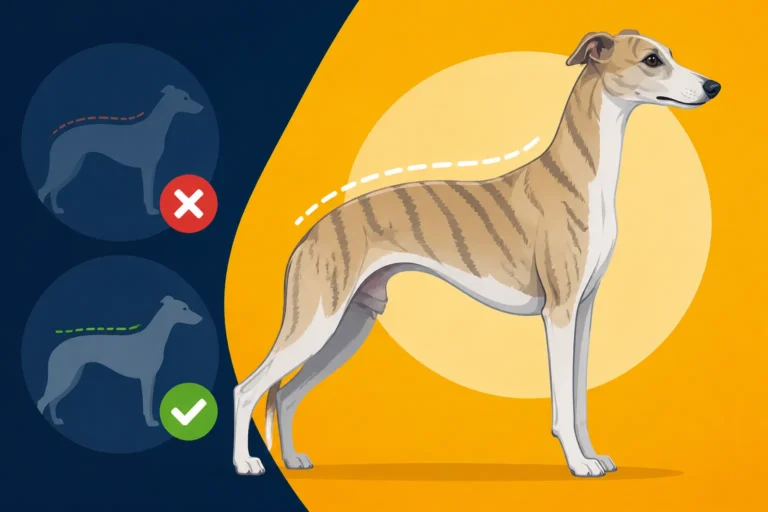
For a Whippet, that tuck-up isn’t just a feature; it’s a defining characteristic of their breed standard and a testament to their purpose. Historically, Whippets were bred for speed, to chase a rag or lure over short distances, and later, for competitive racing. Every aspect of their body, including the tuck-up, contributes to this function. It allows for a greater arch over the loin, creating a powerful spring in their stride. Without that significant tuck-up, a Whippet simply wouldn't have the same elegant, efficient gate or the explosive power they're famous for. It's what makes them look like miniature athletes, finely tuned machines built for grace and velocity. It differentiates them clearly from other breeds and is a key element that helps distinguish The Whippet Against the Greyhound and the Italian Greyhound, showcasing its unique balance between power and compact size.
The Whippet Breed Standard and the Ideal Tuck-Up
When we talk about an "ideal" Whippet, we're often referring to the breed standard, which describes the perfect physical attributes for conformation. This standard isn't just about pretty looks; it outlines the traits that make a Whippet a functional and healthy representative of its breed.
How the Standard Defines the Loin and Underline
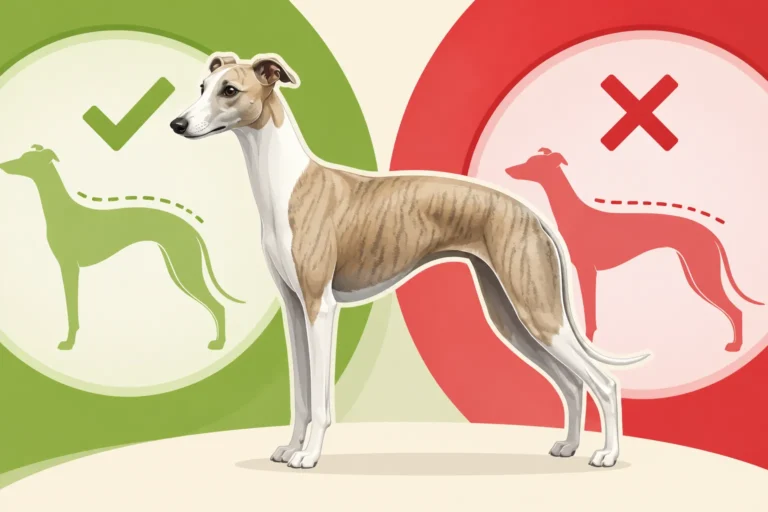
The Whippet breed standard typically describes the loin as broad, strong, and well-arched, leading smoothly into that characteristic tuck-up. The underline, which is essentially the curve from the chest to the abdomen, should show a distinct upward curve, forming a graceful arc. There isn't usually a specific measurement or depth mentioned in the standard, but rather an emphasis on balance and proportion. It should look natural and flowing, not abrupt or overly angular. The goal is to see a deep chest that gradually narrows as it transitions into the tucked-up abdomen, creating that signature "herring-gut" appearance that is so indicative of a true sighthound. This elegant curve is essential for their ability to run with such effortless power and grace. In fact, the way the standard emphasizes the arch over the loin is closely related to the tuck-up; you can read more about it in What the Whippet Standard Says About the Arch.
The Difference Between an Athletic Tuck-Up and an Exaggerated One
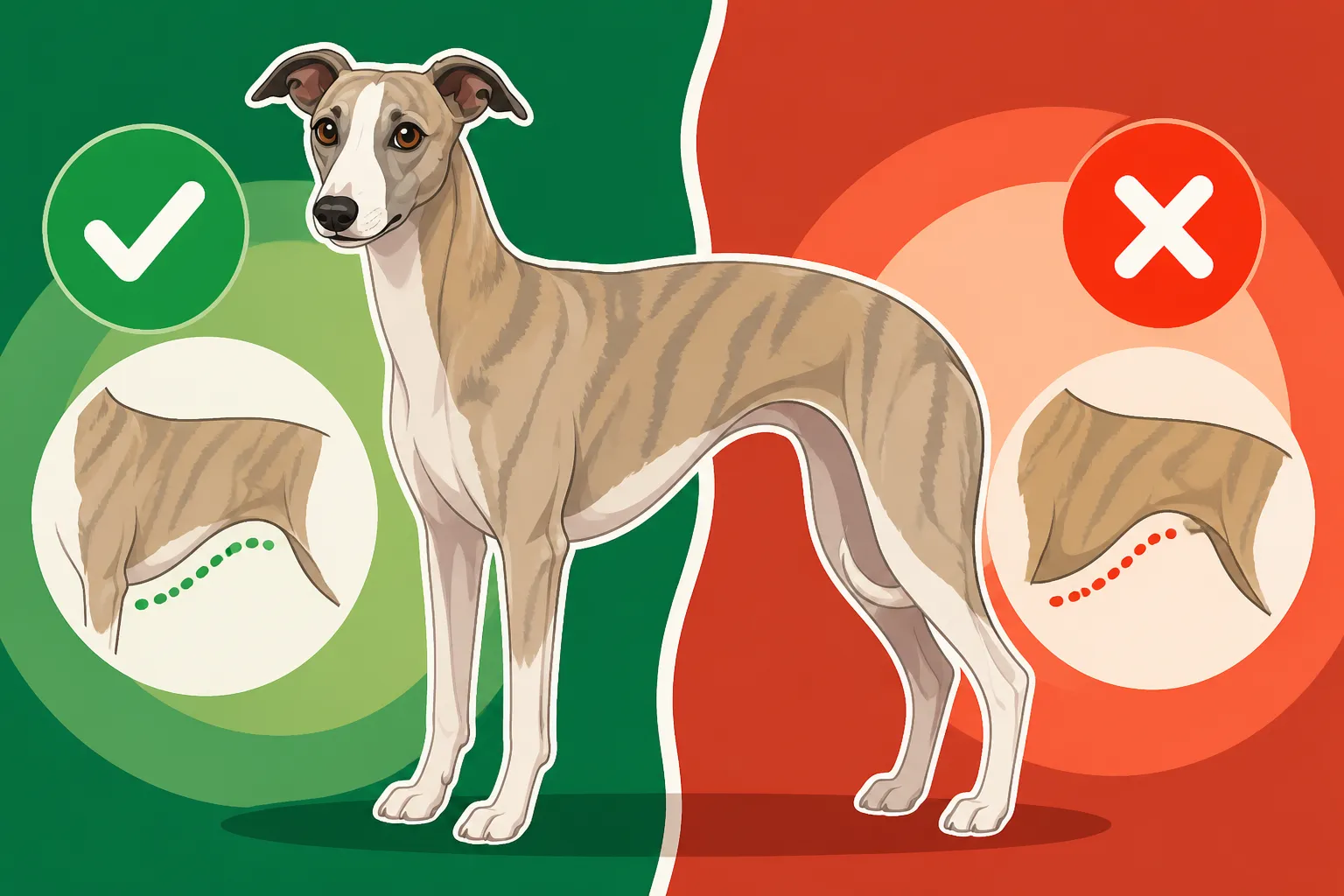
An athletic Whippet will naturally have a prominent tuck-up. These dogs are lean, well-muscled, and their bodies are designed for performance. Their tuck-up will be deep, but it will flow seamlessly from their well-sprung ribs. You'll see definition and muscle tone, not just hollow space. An exaggerated tuck-up, on the other hand, might appear almost scooped out, often lacking the full musculature over the loin or the healthy coverage over the ribs that even a lean Whippet should have. Sometimes, an extreme tuck-up can be accompanied by an overly long or shallow chest, which disrupts the harmonious balance the standard calls for. It’s about discerning between a healthy, functional leanness and a potentially unhealthy or poorly proportioned build. A truly athletic Whippet often has a deep tuck-up because they carry very little body fat, allowing their natural contours to show clearly. This contrasts with some other breeds where more fat can obscure the natural body lines.
Identifying a "Too Deep" Tuck-Up: Conformation vs. Condition
The concern about a "too deep" tuck-up often comes from a place of confusion between a dog’s natural conformation and its actual physical condition. It's crucial for owners to understand the difference and know what visual cues to look for.
Visual Cues of an Overly Tucked Abdomen
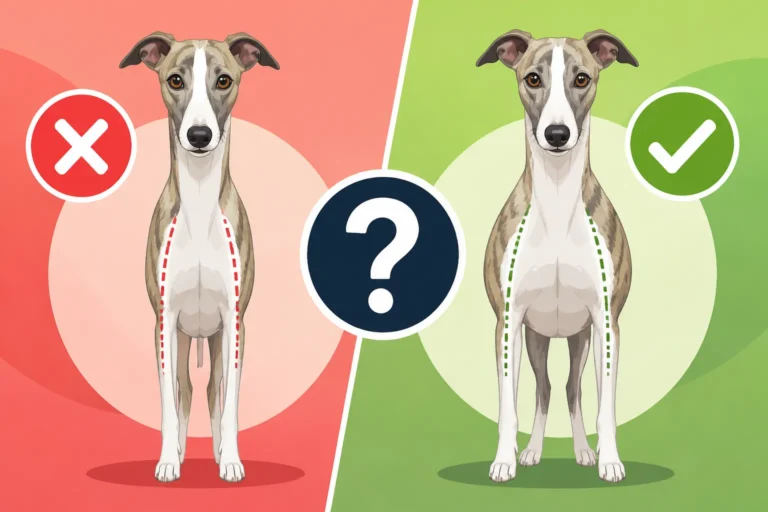
While a deep tuck-up is normal for a Whippet, an overly tucked abdomen might start to look less like a graceful curve and more like an abrupt indentation. If the tuck-up appears to cut sharply upwards immediately after the last rib, rather than gently sweeping, it could be considered extreme. Sometimes, you might notice an absence of underlying abdominal muscle definition, making the area look hollow rather than trim. This isn't always a health issue; sometimes it's simply a matter of individual variation in conformation, falling outside the ideal, but still perfectly healthy. However, if this extreme tuck-up is paired with other signs, it might warrant closer inspection. For example, if the rib cage appears almost flattened or excessively narrow in addition to a very severe tuck-up, it might suggest a structural imbalance.
When a Deep Tuck-Up Signals Being Underweight
This is where the public misconception often lies. A naturally deep tuck-up in a Whippet is not a sign of being underweight on its own. However, if a Whippet is underweight, their tuck-up might appear even more pronounced than usual, making them look emaciated.
How can you tell the difference?
- Ribs: In a healthy Whippet, you should be able to feel their ribs easily under your fingertips, but they shouldn’t protrude sharply or be visible without close inspection, especially when the dog is standing relaxed. If their ribs are clearly visible and feel like sharp ridges, along with an extreme tuck-up, that's a red flag. How Many Ribs Should Show on a Whippet delves into this in more detail.
- Spine and Hip Bones: Similarly, you should be able to feel the spine and hip bones without much padding, but they shouldn't stick out prominently. If the spine, hip bones, and shoulders are sharply angled and easily seen from a distance, combined with a very deep tuck-up, your Whippet might be genuinely too thin. You can learn more about Whether a Whippet Is Genuinely Too Thin and Feeling a Whippet's Ribs and Hip Bones to help you assess.
- Muscle Mass: An underweight Whippet will often lose muscle mass, especially over their hindquarters and along their topline. They'll look bonier all over, not just tucked up.
It’s about looking at the whole picture, not just one feature. A lean, athletic Whippet with good muscle tone will have a deep tuck-up, but their overall condition will be vibrant and healthy. If you’re ever unsure, your vet is always the best person to consult.
Distinguishing Between a Healthy Lean and a Problematic Tuck-Up
To really nail this down, it helps to visualize the differences. Here's a quick guide to help you distinguish between a beautifully lean, healthy Whippet and one that might actually be too thin, with an exaggerated tuck-up contributing to that perception.
| Feature | Healthy, Lean Whippet | Problematic (Underweight/Extreme Conformation) |
|---|---|---|
| Tuck-Up | Deep, graceful, flowing curve from deep chest to groin | Appears overly scooped, sharp, or hollow |
| Ribs | Easily felt, but not prominently visible or sharply protruding | Clearly visible, feel like sharp ridges |
| Spine | Easily felt, but not sharply prominent | Prominently visible, may appear jagged |
| Hip Bones | Easily felt, may show slightly when moving | Protrude sharply, very obvious |
| Muscle Tone | Firm, well-developed over hindquarters and shoulders | Noticeably lacking, appears wasted |
| Energy Level | Typically high, playful, enthusiastic | May be lethargic, weak, or tire quickly |
| Coat | Shiny, healthy, lies flat | Dull, dry, possibly sparse |
| Overall Vibe | Vibrant, athletic, alert | Gaunt, tired, possibly listless |
For a healthy Whippet, we generally aim for a body condition score that allows you to easily feel the ribs without seeing them overtly, and a pronounced waist. You can read more about What Body Condition Score a Whippet Should Be for further guidance. The tuck-up is merely one part of this whole assessment.
Potential Concerns with an Extreme Tuck-Up
While a deep tuck-up is part of the Whippet's charm and design, an overly extreme tuck-up, whether due to genetics or condition, can sometimes raise questions or lead to misunderstandings.
The Impact on Movement and Agility
In terms of pure conformation, if a tuck-up is too exaggerated or abruptly formed, it could theoretically affect the fluid, powerful gait that Whippets are known for. A dog needs balance and proper angulation to move efficiently. If the abdominal area is too constricted or out of proportion with the rest of the body, it might subtly alter their stride, potentially making them less efficient in their gallop or less agile in turns. However, most healthy Whippets, even those with quite pronounced tuck-ups, show no ill effects on their movement. Their skeletal structure and muscular development usually compensate beautifully. Serious issues would typically only arise if the exaggeration was part of a larger structural flaw impacting their overall build, rather than just the tuck-up itself. Think of it this way: a truly athletic Whippet needs a body that acts like a spring, coiling and releasing energy. An extreme, unbalanced tuck-up might interfere with that natural spring mechanism.
Misconceptions About Health and an Extreme Tuck-Up
This is perhaps the biggest "concern" – not necessarily a health one for the dog, but a perception one for the owner. Many people, accustomed to seeing dogs with fuller, less tucked-up bellies, immediately assume a deeply tucked Whippet is starving or unwell. This leads to unsolicited advice, judgmental stares, and sometimes even accusations of neglect. It’s incredibly frustrating for dedicated Whippet owners who know their dogs are in peak condition, well-fed, and loved. The truth is, the Whippet's physiology is simply different. They have very little body fat, and their skin is thin, which means their lean musculature and skeletal structure are much more apparent than in breeds with thicker coats or more subcutaneous fat. They are built lean, not designed to be plush or bulky. This natural leanness also contributes to Why a Whippet Has No Insulation and No Padding, making them feel the cold more acutely.
The Emotional Toll of Misinformed Public Opinion
I've been there, and I know many of you have too. That sinking feeling when a well-meaning but utterly misinformed stranger tells you to "feed your dog more." It's not just annoying; it can be genuinely upsetting. You pour your heart and soul into caring for your Whippet, ensuring they have the best nutrition, exercise, and love, only to have their natural physique misinterpreted as a sign of neglect. This constant need to explain or justify your dog's appearance can be emotionally draining. It can make you feel self-conscious about taking your Whippet out in public, which is a real shame because they thrive on walks and new experiences. It also highlights a wider lack of education about sighthound breeds in general. As owners, we often become accidental ambassadors, trying to educate people one walk at a time. It’s a burden, but it’s one we carry for our unique dogs.
Supporting a Whippet with a Naturally Deep Tuck-Up
Embracing your Whippet's natural physique, deep tuck-up and all, means providing them with the right care that caters to their unique needs. It’s all about maintaining that athletic leanness without falling into the trap of letting them get truly underweight.
Nutritional Support for Maintaining Healthy Weight
For a Whippet, maintaining a healthy weight is a delicate balance. They are naturally lean, and their metabolism can be quite efficient for their size, especially if they are active. However, it’s not about overfeeding to make them "look less skinny" to strangers. It's about feeding a high-quality, nutritionally dense diet that supports their energy levels, muscle mass, and overall health.
- Quality Food: Choose a premium dog food that lists meat as the first ingredient. Look for formulas designed for active breeds or those with higher protein and fat content. Brands available at places like Chewy often have a wide selection, allowing you to compare ingredients and find one that suits your Whippet's specific needs and taste preferences.
- Appropriate Portions: Follow the feeding guidelines on the food package, but always adjust based on your dog's individual activity level and body condition. If your Whippet is very active, racing or lure coursing regularly, they might need slightly more. If they're more of a couch potato, they might need a little less. Regular weight checks and feeling their ribs are better indicators than simply observing their tuck-up.
- Meal Frequency: Some Whippets do better on two meals a day to help them process nutrients efficiently and avoid feeling overly full. This also helps with consistent energy levels throughout the day. You can find more details on How Many Meals a Day a Whippet Needs.
- Healthy Snacks: If you need to add a few extra calories, opt for healthy, digestible snacks like cooked lean meats, hard-boiled eggs, or certain fruits and vegetables. Avoid excessive high-fat human foods, which can upset their sensitive stomachs.
Comfort and Care Considerations for Lean Dogs
Beyond nutrition, a deep tuck-up and overall lean body mean your Whippet has specific comfort needs that differ from thicker-coated or more padded breeds.
- Soft Bedding Everywhere: With minimal body fat, Whippets are prone to pressure sores on bony prominences like elbows, hips, and hocks if they lie on hard surfaces. Investing in high-quality, orthopedic beds is crucial. Think memory foam or thick, well-padded options. Many owners even place soft blankets or small beds in every room where their Whippet might choose to nap. Chewy offers a vast array of dog beds, from orthopedic to bolster styles, perfect for providing cushioning for your Whippet's delicate frame. Why a Whippet Cannot Sleep on a Hard Floor offers more insights into this critical need.
- Warmth: That sleek, tucked-up body offers little insulation against the cold. Whippets get chilly easily, both indoors and out. A wardrobe of coats, sweaters, and even pajamas is not a luxury but a necessity for many. This isn't just for walks; many Whippets need a sweater indoors in cooler temperatures, or pajamas for sleeping, especially in winter. You can explore The Wardrobe a Whippet Needs Because It Has No Body Fat for more specific advice on this.
- Protection for Thin Skin: Their thin skin, especially over the tucked-up abdomen and legs, is more susceptible to nicks and scrapes from rough play or running through brush. While the tuck-up itself isn't usually injured, the lean nature of their body means any skin tear needs prompt attention. Having a What Belongs in a Whippet Owner's First Aid Kit can be very helpful for these minor incidents.
Advocating for Your Whippet's Unique Physique
As a Whippet owner, you often become an unwitting advocate for the breed. Don't be afraid to educate others politely when they comment on your dog's "skinniness."
- Be Prepared to Explain: Have a simple, concise explanation ready. Something like, "Whippets are sighthounds, bred for speed, so they're naturally very lean and athletic. This deep tuck-up is characteristic of the breed, just like a greyhound's!"
- Lead by Example: A confident, happy Whippet with a beautiful, shiny coat and an athletic build is the best advertisement for healthy leanness. When people see your dog thriving, even with their prominent tuck-up, it can help shift their perspective.
- Connect with Other Whippet Owners: There's immense comfort and solidarity in connecting with other Whippet owners who understand these unique challenges. Online communities or local sighthound groups can be a great resource for sharing experiences and support.
- Focus on Health, Not Perception: Ultimately, your Whippet's health and well-being are paramount. As long as your vet confirms they are at a healthy weight, are active, and have a good appetite, you can rest easy knowing you're doing right by your dog, regardless of external perceptions.
Embrace that distinctive tuck-up, for it is a badge of honor for this magnificent, athletic breed. It's a key part of what makes a Whippet, a Whippet.
Disclaimer
This article is for general informational purposes only and does not constitute professional advice. Laws, prices and regulations vary by location and change over time. Consult a qualified professional for guidance on your specific situation.