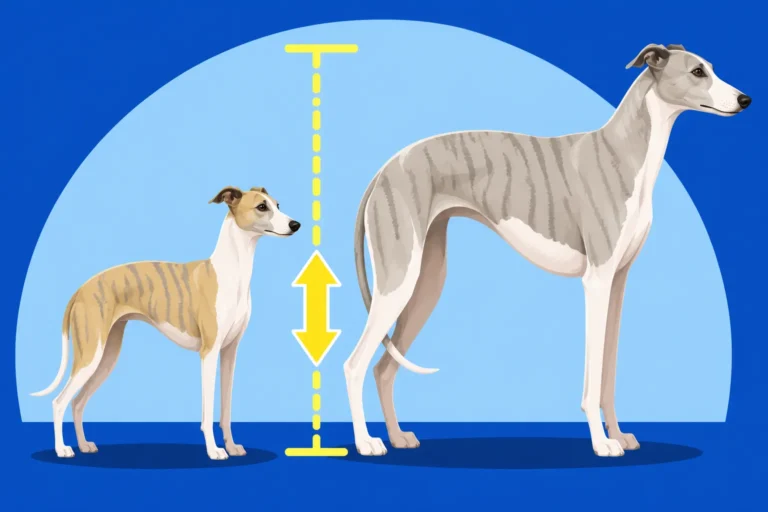
Where Whippet Registrations Are Heading
Whippet registrations can look like a simple popularity score, but they are shaped by breeder capacity, household preferences, registry rules, and the difference between a dog being registered and a dog being owned. This guide explains what registration patterns can—and cannot—tell us about the breed’s direction, and how to read the signals without mistaking short-term fluctuations for a lasting trend.
What Whippet registration numbers actually measure
Registration is not the same as popularity
A registration total counts dogs recorded with a particular organization. It does not count every Whippet living in a home. Some owners never register their dogs, while others use a different registry or have a Whippet whose pedigree is unknown. The total is useful, but it is only one view of the breed’s reach.
The numbers also reflect how puppies enter the world. A small number of active breeders may produce fewer litters in a given period, even when interest from prospective owners is strong. A breeder may pause after a litter, reduce breeding as dogs age, or keep puppies for future breeding or showing. Those decisions affect registrations without necessarily changing public interest.
It helps to separate three questions: How many Whippets are registered? How many people are looking for one? And how many Whippets are living in homes? Registration data most directly answers the first. Waitlists, rescue inquiries, event participation, and breeder conversations may offer clues about the second, but none is a complete measure by itself.
Different registries tell different stories
A registry’s records reflect its own rules, recognition, and reporting practices. The American Kennel Club, The Kennel Club in the United Kingdom, and other organizations do not necessarily count the same dogs or publish data in directly comparable ways. Comparing totals without checking what each organization includes can lead to an apples-to-oranges conclusion.
A dog might also be registered with one organization but not another. Rules around pedigree documentation, litter recording, transfers, and eligibility can influence which dogs appear in a particular set of figures. Registration totals should therefore be read alongside the registry’s definitions and the period being measured.
Historical context matters, too. The breed’s arrival and acceptance in different countries did not happen all at once. The story behind How the Whippet Reached America and The Year the AKC Recognized the Whippet helps explain why American records have their own timeline and why a registration trend should be interpreted within its regional context.
Why short-term changes can be misleading
A single rise or dip is not enough to show that Whippets are becoming broadly more or less popular. Litter availability can fluctuate for ordinary reasons: breeder age, health testing, time constraints, housing, and the practical workload of raising puppies. A low count in one period may reflect fewer litters being bred rather than a sudden loss of interest in the breed.
The opposite can happen as well. A burst of online attention may bring new inquiries, but registrations may not rise immediately. Responsible breeders often have limited litters, carefully planned pairings, and prospective homes who wait. In that situation, interest might show up first in questions, waitlists, or attendance at local events, with registrations following later.
A more useful reading looks at several periods in a row and asks what else changed. Did the registry alter its reporting? Were there unusual disruptions to breeding? Did interest grow in a particular activity or region? Trends become more meaningful when the surrounding circumstances are understood.
What may shape the breed’s registration direction
The Whippet’s appeal to modern households
Whippets have a distinctive combination of athletic ability and home-centered habits. They can be startlingly fast outdoors, yet many settle happily on a comfortable bed after exercise. That mix can appeal to people looking for an active dog who is not necessarily demanding constant motion around the house.
Still, the breed is not a fit for every household. A strong chase instinct, sensitivity to cold, and need for safe opportunities to move freely can be a surprise to someone who chooses a dog based only on its elegant appearance. Honest information about day-to-day life can influence whether an interested household follows through with a breeder or decides another breed is a better match. The Household a Whippet Was Built For and Whether a Whippet Suits a First Time Owner offer useful context for making that decision.
The breed’s racing and showing traditions also contribute to its identity. Different interests can shape which dogs are bred, what qualities prospective owners seek, and where they encounter the breed. The relationship between those communities is not a simple split between two kinds of dogs, but The Split Between Racing and Show Whippets helps explain why the Whippet’s history and present-day activities are varied.
Breeder capacity and responsible planning
Registration growth depends partly on whether there are enough well-planned litters to meet demand. Responsible breeding involves more than finding two dogs and arranging a mating. Breeders consider health, temperament, structure, pedigree, and the homes available for puppies. They may also decide not to breed when a suitable pairing, support system, or placement plan is not in place.
That means a registration count should not be treated as a target breeders ought to chase. If inquiries rise faster than responsible breeding capacity, longer waits may be a healthy outcome. A careful breeder may ask about a household’s schedule, fencing, previous dog experience, and plans for exercise rather than simply matching the first available puppy with the first person who asks.
People comparing breeders can benefit from understanding what they are being asked to commit to, and what the breeder expects in return. What Whippet Owners Wish They Had Known is a helpful reminder that the practical parts of ownership matter just as much as the breed’s appeal in a photo or a race.
Visibility, media, and new interest
A breed can become more visible without immediately becoming more common. Social media, dog sports, films, and word of mouth can prompt people to search for Whippets. That attention may lead to genuine long-term interest, but it can also be temporary or focused on a narrow image of the breed.
For example, a video of a Whippet sprinting may attract someone who assumes the dog needs hours of hard exercise each day. A clip of one curled under a blanket may attract someone who assumes the breed is low-maintenance in every respect. Neither snapshot shows the full picture: safe exercise, prey drive, coat and bedding needs, training, and the value of a secure routine all matter.
Events can provide a more grounded introduction. Meeting Whippets at a show, lure-coursing event, or local breed gathering lets prospective owners see dogs in different settings and talk with people who live with them. Interest that grows from realistic exposure is more likely to lead to a suitable match than interest built entirely on a viral moment.
How to read registration trends without overinterpreting them
Use a small set of indicators together
No single measure can tell the full story. Registration figures are most useful when considered alongside other signs, such as breeder availability, event participation, and the number of people seeking breed-specific information. These indicators may point in the same direction, but they can also diverge.
| Signal | What it may help show | What it cannot prove on its own |
|---|---|---|
| Registry totals over multiple periods | Whether recorded registrations are generally rising, falling, or steady | How many Whippets live in homes or how much public interest exists |
| Breeder waitlists and inquiries | Whether prospective owners are seeking puppies | How many inquiries will become suitable homes |
| Show, racing, and activity participation | Whether people are engaging with the breed and its communities | The total number of pet Whippets |
| Rescue and rehoming inquiries | Whether owners need help placing dogs | A complete measure of breed popularity or ownership problems |
| Search and social media attention | Whether the breed is attracting public attention | Whether that attention will last or lead to responsible ownership |
The key is to look for consistency over time. If multiple indicators move in a similar direction, the case for a broader shift becomes stronger. If one measure changes while the others remain steady, it may be a temporary or registry-specific effect.
Compare like with like
When reading a chart or article about registrations, check the geography, time span, and registry before drawing a conclusion. A national trend may not reflect what is happening in a particular state, county, or local breed club. Likewise, one registry’s annual total may not be comparable with another organization’s figures.
It is also worth checking whether the data covers puppies registered, litters recorded, or all dogs added to a registry. Those are not necessarily identical measures. If the definition is unclear, the safest interpretation is narrow: the figures show a change in that registry’s recorded activity, not a complete change in the breed’s population.
For a comparison with another familiar sighthound, Whether the Whippet Is More Popular Than the Greyhound can help frame the question. Even then, registration comparisons need to account for the breeds’ different histories, roles, and registration patterns rather than treating one total as a definitive popularity contest.
Watch for evidence of healthy interest
A promising direction is not simply a larger number. Healthy interest includes prospective owners learning about the breed’s needs, breeders placing puppies carefully, and communities making space for both newcomers and experienced owners. A surge in demand that encourages rushed breeding or unrealistic expectations is not automatically good news for the dogs.
Potential owners can help by asking specific questions about health testing, temperament, early socialization, contracts, and ongoing breeder support. They should also think through ordinary life: who will exercise the dog, what happens during a workday, and whether the home can manage a Whippet’s chase instinct safely. Practical preparation—including planning for food, bedding, coats, and a first-aid kit—makes ownership more manageable. Some households use retailers such as Chewy to organize recurring supplies, but the important thing is choosing items that suit the individual dog and discussing health-related decisions with a veterinarian.
What registration patterns mean for prospective owners
A smaller count does not always mean a rare or hard-to-find breed
A breed may have modest registration totals compared with the most commonly owned dogs and still have an established network of breeders, clubs, and activities. Conversely, a breed can receive plenty of online attention while having limited responsible puppy availability. “Rare” is often used loosely, so prospective owners should ask what the word means in a specific conversation: rare in a region, uncommon in a registry, or simply not familiar to the speaker.
If finding a puppy takes time, use the wait to research the breed and meet adult dogs. A responsible breeder may have no puppy immediately available but can explain future plans, discuss what they look for in homes, and help someone decide whether a Whippet is right for them. A rushed purchase because a litter is available now is not necessarily a better choice than a thoughtful wait.
Registration data can help explain the broader landscape, but it cannot tell you whether a specific breeder is responsible or whether a particular puppy will suit your household. Those questions require direct conversations, documentation, and a realistic look at the dog’s needs.
Prepare for ownership rather than chasing a trend
Whether Whippet registrations rise or remain steady, the same practical questions matter to a new owner. A Whippet needs secure management outdoors, patient training, comfortable places to rest, and protection from cold weather when conditions call for it. Owners should also plan for veterinary care and learn how the breed’s lean build affects everyday handling.
A basic supply plan is one small way to reduce the scramble during the first weeks. Make a list of food, bowls, a well-fitted collar or harness, bedding, grooming essentials, and weather-appropriate clothing. Chewy can be one option for comparing routine supplies and keeping a household list organized; check product suitability and availability before relying on any retailer for a particular item. The goal is not to buy everything at once, but to have the essentials ready before the dog arrives.
After settling in, adjust based on the individual Whippet. One dog may need extra bedding in a drafty room; another may be comfortable with a simpler setup. A puppy’s needs will change as it grows, while an adult dog may arrive with established preferences. Chewy may also be useful when maintaining a repeat shopping list, but a veterinarian or experienced breeder is a better source for questions about diet, supplements, or medical needs.
Follow the breed beyond a single number
The direction of Whippet registrations is best understood as a pattern, not a headline. Long-term records can reveal changes in registered litters, but they need context from registry practices, breeder capacity, public interest, and the different ways people participate in the breed.
For anyone considering a Whippet, the most useful takeaway is to look past popularity. Meet the dogs, talk with knowledgeable owners, and weigh the breed’s everyday needs against your household’s routine. Registration numbers can describe part of the breed’s story; a good match depends on the life you can offer the dog.
Disclaimer
This article is for general informational purposes only and does not constitute professional advice. Laws, prices and regulations vary by location and change over time. Consult a qualified professional for guidance on your specific situation.