Whether a Flat Backed Whippet Is Faulted
It’s a common moment for many Whippet owners: you’re admiring your elegant companion, perhaps watching them stretch out after a nap, and you start to wonder about their shape. Specifically, that beautiful, sinuous back. You've heard about the "arch" or "roach" that Whippets are supposed to have, and you might find yourself scrutinizing your dog, wondering if their back is "flat" and if that's a problem. Rest assured, this guide is here to demystify the Whippet topline, explain what the breed standard truly means, and clarify whether a less pronounced arch is actually a "fault" or just a normal variation in a beloved pet.
Understanding the Whippet Topline: A Hallmark of the Breed
The Whippet, with its sleek lines and athletic build, is instantly recognizable by its distinctive silhouette. A huge part of that iconic look is its topline, the elegant curve of its back that speaks volumes about its design for speed and agility. But what exactly defines this characteristic, and why is it so important to the breed?
The Breed Standard's Ideal Arch
When we talk about the Whippet topline, the breed standards from organizations like the American Kennel Club (AKC) and the UK Kennel Club consistently emphasize a "graceful arch" or "roach." This isn't just an aesthetic preference; it's deeply rooted in the Whippet's function as a sighthound. Imagine a powerful spring or a bow under tension – that's essentially what the Whippet's back is designed to be. This arch, particularly over the loin (the area just in front of the hindquarters), acts like a natural suspension system. It allows for the incredible flexibility needed to coil and extend rapidly during a full-speed gallop, absorbing impact and propelling the dog forward with immense power. Without this specific curvature, the Whippet's efficiency in movement, its signature "double suspension gallop," would be significantly compromised. It's a key element that enables them to achieve those breathtaking bursts of speed. What the Whippet Standard Says About the Arch
Where the Arch Should Begin and End
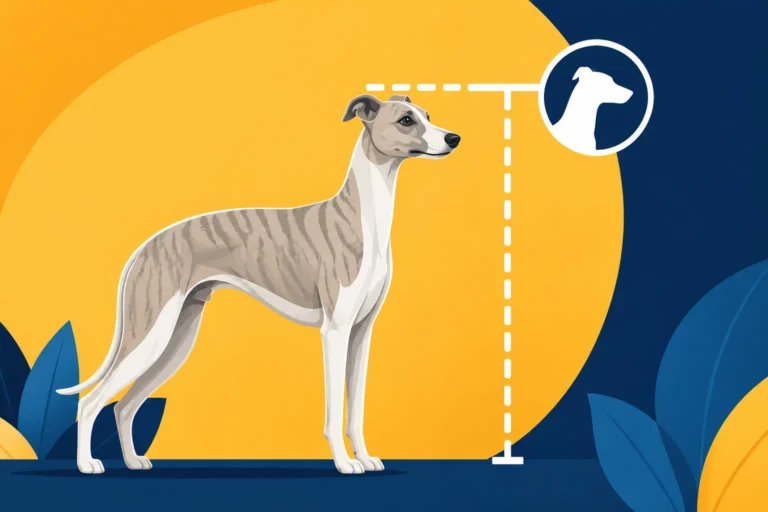
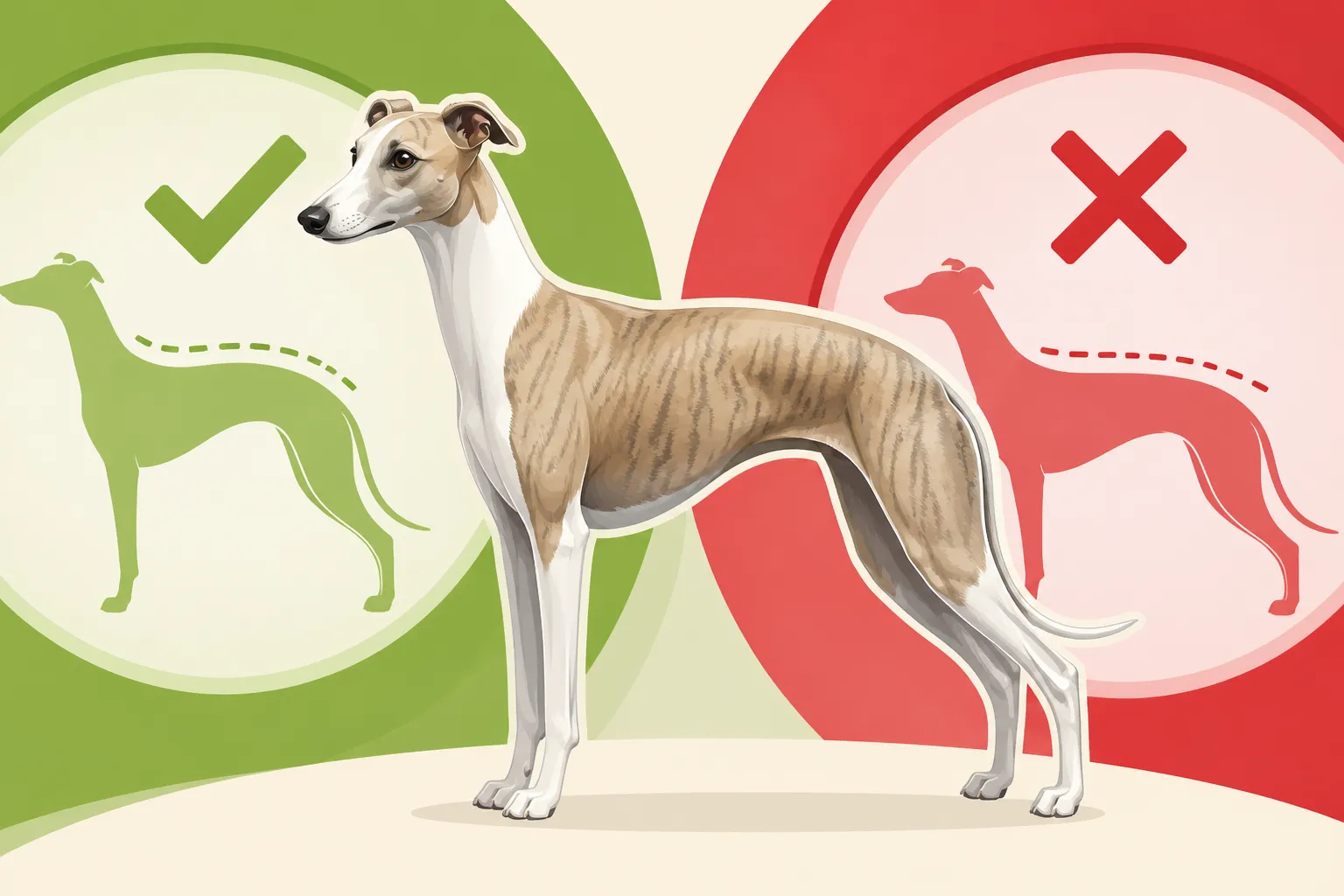
The ideal Whippet arch isn't just a haphazard curve; it's a precisely described feature within the breed standard. Typically, it’s meant to begin gently behind the withers (the highest point of the shoulders), gradually rise in a smooth, elegant curve over the loin, and then flow seamlessly into the slight curve over the croup (the area leading to the tail) before the tail set. It's a continuous, flowing line, not an abrupt hump or a sharp dip. This carefully defined arc ensures optimal mechanical advantage for the dog's powerful hindquarters, allowing them to drive off the ground with maximum force. A back that appears too straight or "slab-sided" would lack this critical springiness. Similarly, an arch that is too abrupt or too high, often referred to as a "wheel back," can also be considered a deviation from the ideal, as it might restrict rather than enhance fluid movement. It’s all about balance and function working together to create that quintessential Whippet grace.
Differentiating a Flat Back from an Acceptable Topline
The phrase "flat backed" can conjure up images of a dog with a completely straight, unyielding spine, but in the context of Whippet conformation, it’s a bit more nuanced. It’s crucial to understand that there’s a spectrum of topline variations, and what might seem "flat" to an untrained eye isn't necessarily a disqualifying fault.
What "Flat Backed" Actually Means to a Judge
For a conformation judge, a truly "flat backed" Whippet is generally one that lacks the characteristic arch over the loin. It's not just about a minimal curve; it often implies a lack of proper musculature and spinal structure that should create that strong, flexible topline. A flat back can be indicative of poor overall structure, perhaps a short loin, insufficient muscle development in the hindquarters, or a general lack of the elegant proportions that define the breed. It means the dog's build doesn't efficiently support the powerful, elastic gait that a Whippet is known for. While a slight deviation from a highly pronounced arch might simply be considered "less ideal" or a minor flaw in the show ring, a dog with a genuinely flat back would be seen as a significant departure from the breed standard and would likely be faulted, impacting its competitive standing. The focus is always on how the topline contributes to the dog's overall functionality and adherence to the breed's historical purpose.
The Spectrum of Topline Variations
It's important to remember that not every Whippet will have an identical, picture-perfect arch. Just like people, dogs have individual variations. You might see some Whippets with a more pronounced roach, while others have a more subtle, gentler curve. What might appear "flat" to someone accustomed to seeing very exaggerated arches could actually be a perfectly acceptable, functional topline that is simply less dramatic. The standard calls for a "graceful arch," which leaves some room for interpretation and natural variation among healthy, well-structured dogs. The key is that the back should not be straight like a plank, nor should it dip or be excessively humped. Instead, it should flow smoothly, indicating flexibility and strength. It's about the overall picture of the dog in motion and at rest – how well all its parts fit together – rather than fixating on one isolated angle of its back. Many wonderful, athletic, and healthy Whippets may have a topline that isn't the extreme show-ring ideal, but they are still sound and beautiful dogs. This is especially true for pet Whippets, where minor conformational differences rarely impact their quality of life. Whether a Flat Backed Whippet Is Faulted
Functional Implications: Speed, Agility, and Health
Beyond the aesthetics of the show ring, the Whippet's topline has significant practical implications for its athleticism and overall health. The very design of their back is a testament to their purpose as swift, agile hunters.
How Topline Affects Movement and Performance
The characteristic arch in a Whippet's back is not just for looks; it is an engineering marvel designed for speed. When a Whippet runs, especially at a full gallop, its back flexes and extends like a coiled spring. The arch provides the crucial leverage and elasticity needed for the "double suspension gallop," where all four feet are off the ground twice during each stride – once when extending and once when collecting. A proper, well-muscled topline, particularly over the loin, allows the powerful hindquarters to drive forward efficiently and the spine to flex without strain. How a Whippet's Roach Affects Its Speed If a Whippet has a truly "flat" or stiff back, this essential flexibility is compromised. It can lead to a less efficient stride, requiring more energy for less ground covered, and potentially hindering their top speed and agility. Imagine trying to run a sprint with a board strapped to your back – it would limit your range of motion and make you less efficient. Similarly, a Whippet with a less-than-ideal topline might not be as agile or as quick to change direction, which could be a factor in activities like lure coursing or racing. A strong, flexible back also helps prevent certain types of soft tissue injuries that can occur when a dog is pushing its body to its limits. The Muscle a Whippet Tears Sliding on Wet Grass
Health Considerations for a "Flat" or Straight Back
For the vast majority of pet Whippets, a slightly less prominent arch in the back is usually not a cause for health concern. These variations are often just part of their unique individual conformation, much like some people have straighter backs and others have more pronounced spinal curves. However, in rarer instances, a truly flat or unusually rigid back could potentially be a red flag. It could indicate underlying structural issues, such as certain spinal conditions, muscular weakness, or even a past injury that has affected their flexibility. For example, conditions like spondylosis, though not specifically tied to "flat back" in Whippets, can affect spinal flexibility. If you notice a sudden change in your Whippet's topline, or if their back suddenly appears much straighter or stiffer than before, accompanied by signs of discomfort, lameness, or reluctance to move, that's definitely a reason to consult your veterinarian. They can properly diagnose any potential issues and rule out problems like Hip Dysplasia in a Whippet, which, while less common, still relate to overall skeletal soundness. Remember, a vet can differentiate between a normal conformational variance and something that requires medical attention. Regular check-ups, including an annual Whether a Whippet Should Have a Cardiac Exam, can help monitor overall health.
Show Ring Standards Versus Pet Home Realities
The world of dog shows places immense importance on adherence to the breed standard, but for a family pet, priorities naturally shift. It’s a key distinction when considering your Whippet’s back shape.
Why Conformation Matters in the Show Ring
In the realm of conformation shows, every line and curve of a Whippet's body is scrutinized against the written breed standard. This standard acts as a blueprint for the ideal specimen, embodying the breed's historical function, health, and characteristic appearance. The graceful arch over the loin is a defining characteristic, essential for the Whippet’s signature speed and agility. Therefore, a judge in the show ring is specifically looking for that well-defined, flowing topline. Even subtle deviations, such as a back that is perceived as too flat, too roached, or too long, can be considered faults and will affect a dog's placement. In a highly competitive class, even a minor flaw in topline can be the difference between winning and losing. The goal in the show ring is to preserve and promote the ideal physical traits that make a Whippet a Whippet. This is also why How Show Whippets Differ in Size From Racing Whippets is often a topic of discussion, as slight structural differences can be prioritized differently in various competitive venues.
Does It Matter for a Companion Whippet?
For the vast majority of Whippet owners whose dogs are cherished family members and not show competitors, whether their dog has a "perfect" show-ring topline is largely irrelevant. Your Whippet's primary job is to be your loving companion, to snuggle on the sofa, to enjoy spirited runs in a safe, fenced area, and to bring joy into your life. As long as your Whippet is healthy, happy, and comfortable in their own skin (and bones!), a slightly less dramatic arch in their back will not diminish their quality of life or their ability to be a wonderful pet.
In a pet home, functionality in terms of running, playing, and living comfortably is paramount. If their "flatter" back doesn't cause them pain, restrict their movement, or lead to any health issues, then it’s simply part of their unique charm. Focus on providing them with excellent care, a balanced diet (perhaps sourced from reputable online retailers like Chewy), comfortable bedding (especially important for their thin frames), and plenty of love. These are the things that truly matter for The Twelve to Fifteen Years a Whippet Lives by your side. A dog's value as a companion is never, ever determined by how closely they adhere to a show standard.
Common Misconceptions and What to Look For
It's easy to get caught up in specific breed characteristics, especially when looking at pictures of "ideal" dogs. However, understanding the nuances and when to truly be concerned is vital for any Whippet owner.
Over-Emphasis on the "Roach"
One of the biggest misconceptions new Whippet owners can fall into is an over-emphasis on the degree of the "roach" or arch in their dog's back. It’s important to remember that the breed standard describes a balanced dog, where all parts work in harmony. A judge evaluates the dog as a whole, from its head and expression to its tail set and movement. While the topline is a significant feature, it's not the only feature. Obsessing over a single aspect can lead to unnecessary worry. Furthermore, a Whippet's physique changes throughout its life. A young Whippet puppy or adolescent might not have fully developed the musculature that defines the mature arch. Likewise, a very fit racing Whippet might have a more pronounced muscle tone that accentuates the arch, while a less active pet might have a softer look. Even senior Whippets can lose some muscle tone, which can affect the appearance of their topline. The Age a Whippet Finally Matures It's crucial to consider the dog's age, condition, and overall conformation rather than fixating on just one curve. Ensuring your Whippet maintains a healthy weight and condition, as discussed in guides like Keeping Weight On a Whippet Without Making It Fat, will also play a role in how their topline appears.
When to Consult a Professional
While minor variations in topline are usually not a concern for a pet Whippet, there are times when it’s wise to seek professional advice. If you have genuine concerns about your Whippet's back, the first step is always to consult your breeder. A responsible breeder has extensive knowledge of their lines and the breed standard and can often offer insights into what is normal for their particular dogs. If the breeder isn't available or you still have concerns, your veterinarian is your next best resource. They can assess your dog's overall physical condition, check for any signs of pain or discomfort, and evaluate their mobility. A vet can differentiate between a natural conformational variation, a slight deviation from the ideal that causes no harm, and a potential underlying health issue that might require attention. This is especially true if you notice a sudden change in their back's shape, if they are reluctant to jump or run, or if they show any signs of pain when their back is touched. Providing a healthy diet, readily available from places like Chewy, supports strong bones and muscles, contributing to overall structural soundness.
Topline Conformation: Ideal vs. "Flat" Comparison
To help visualize the differences we've discussed, here's a table comparing the characteristics often associated with an ideal Whippet topline and what might be referred to as a "flat" or less-than-ideal topline in the context of the breed standard.
| Feature | Ideal Whippet Topline | "Flat" or Less Ideal Topline | Implications for Pet Whippets |
|---|---|---|---|
| Overall Shape | Graceful arch rising over the loin. | Less pronounced arch, appearing straighter over the loin. | Minor variations usually have no impact on pet health or happiness. |
| Flexibility | Elastic and powerful, crucial for double suspension gallop. | May be less flexible, potentially affecting efficiency in gait. | Unless extreme, unlikely to hinder normal running/play for a pet. |
| Musculature | Well-developed loin muscles supporting the arch. | May appear weaker, lacking definition over the loin. | Can be influenced by age and fitness; often no issue if dog is healthy. |
| Movement | Smooth, powerful, efficient stride. | May exhibit a less springy or slightly more restricted gait. | Only a concern if it causes pain or significantly limits activity. |
| Show Ring Ranking | Highly desired, contributes to high placement. | Considered a fault; will negatively impact competitive standing. | Not relevant for a companion dog; focus is on health and well-being. |
| Health Concern | Generally indicates good structure and soundness. | Rarely a direct health concern unless accompanied by pain or new onset. | Consult vet if sudden change, pain, or mobility issues arise. |
This article is for general informational purposes only and does not constitute professional advice. Laws, prices and regulations vary by location and change over time. Consult a qualified professional for guidance on your specific situation.