Whether a Whippet Needs More Protein
It's a common thought among Whippet owners, especially when you look at their incredibly lean, muscled frames: "Surely a dog built for speed and power needs extra protein, right?" You might stare at your graceful athlete, all muscle and sinew, and worry if their regular dog food is truly doing enough to support that magnificent physique. Many of us grapple with this, wondering if we should be supplementing or switching to a specialized diet to keep them in peak condition. This guide will delve into the realities of a Whippet's protein needs, helping you understand how to fuel your sighthound effectively without overdoing it.
Understanding the Whippet's Unique Physique
When you first welcome a Whippet into your home, or even if you've had one for years, their physical appearance often sparks questions about diet. Unlike many other breeds, a healthy Whippet is naturally lean, almost to the point where casual observers might mistakenly think they are underweight. This distinctive build – deep chest, narrow waist, prominent hip bones, and visible rib definition – is precisely what makes them such incredible athletes.
The Lean, Muscular Sighthound Build
Whippets possess a physique honed over centuries for speed and agility. They have very little subcutaneous fat, which is the layer of fat directly under the skin that gives other dogs a softer, more padded appearance. This lack of insulation means they feel the cold intensely, leading many owners to invest in The Wardrobe a Whippet Needs Because It Has No Body Fat. Their musculature, however, is exceptional, built for powerful bursts of speed rather than sustained endurance. You can often see the ripple of muscles under their thin skin, particularly across their shoulders and thighs.
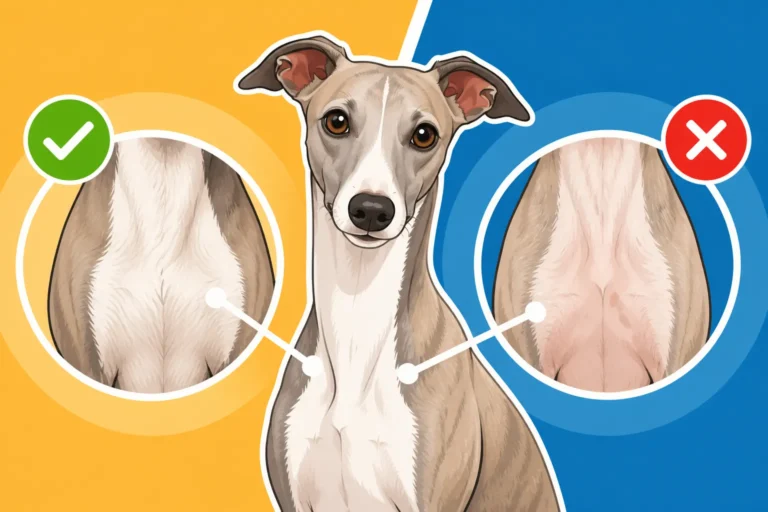
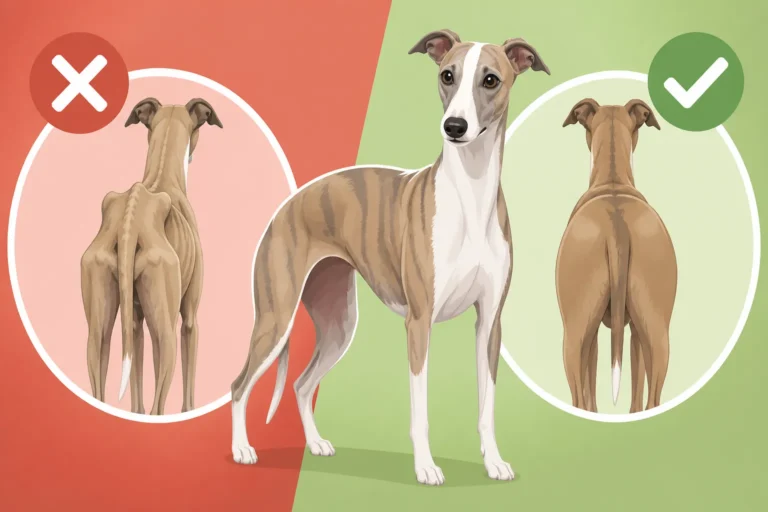
This inherent leanness means that what looks "thin" on a Labrador might be perfectly healthy for a Whippet. Owners often face well-meaning comments from strangers about feeding their dog more, but it’s crucial to remember that their ideal body condition is simply different. You should be able to easily feel, but not necessarily see, their ribs without pressing hard. Their hip bones might be visible, and they should have a clear waist tuck. For more on what a healthy Whippet should look and feel like, consider reading Feeling a Whippet's Ribs and Hip Bones and What Body Condition Score a Whippet Should Be.
Metabolism and Energy Demands
Whippets are sprinters, not marathon runners. Their energy demands are characterized by short, intense bursts of activity, followed by long periods of rest and recovery. This means their body primarily utilizes carbohydrates and fats for readily available energy during those sprints, and then protein for muscle repair and maintenance during their extensive downtime.
While they can reach incredible speeds, often around 35 miles an hour, they don't typically sustain this for extended periods. A quick dash around a securely fenced field, a game of chase, or a lure coursing session might only last a few minutes. The rest of their day is usually spent napping, often burrowed under blankets on a soft bed. This lifestyle, which many owners affectionately describe as a "40-mile-an-hour couch potato," influences their dietary needs. They need efficient fuel for those intense moments, but not a constant influx of energy that would be required for an endurance athlete.
The Role of Protein in a Whippet's Diet
Protein is an essential macronutrient for all dogs, playing a vital role in virtually every bodily function. It's not just for big, bulky muscles; it's the building block of life itself.
The Basics of Protein and Its Functions
Protein is composed of amino acids, some of which are "essential," meaning a dog's body cannot produce them and they must be obtained through diet. These amino acids are crucial for:
- Muscle repair and growth: This is often the first thing people think of with protein, and it's certainly true for a Whippet's powerful sprinting muscles. After exercise, muscle fibers undergo microscopic damage, and protein is used to repair and rebuild them, making them stronger.
- Enzyme and hormone production: Enzymes facilitate countless chemical reactions in the body, while hormones regulate everything from metabolism to mood. Both are protein-based.
- Healthy skin and coat: Keratin, a key structural protein, forms the basis of skin, hair, and nails. A lack of adequate protein can lead to a dull coat, dry skin, and slower wound healing.
- Immune system support: Antibodies, which fight off infections, are also proteins.
- Transport and storage of molecules: Proteins help carry nutrients, oxygen, and other substances throughout the body.
For a Whippet, whose skin can be quite delicate and prone to tears, adequate protein intake is also important for skin health and tissue regeneration, which can aid in healing if they ever need Emergency Stitches: the Whippet Bill Nobody Budgets For.
Quantity vs. Quality: What Really Matters
When we talk about protein, it's easy to get caught up in percentages, but the quality of the protein source is often more important than the raw number on the label. High-quality protein sources are those that provide a complete amino acid profile and are highly digestible, meaning the dog's body can easily absorb and utilize the nutrients.
Common high-quality protein sources include:
- Animal-based proteins: Chicken, beef, lamb, turkey, fish (salmon, cod), eggs, and organ meats. These typically offer all essential amino acids in appropriate ratios.
- Plant-based proteins: While some plant proteins (like soy or peas) can contribute, they often don't provide a complete amino acid profile on their own and are generally less digestible for dogs compared to animal proteins.
A diet might have a high protein percentage but be less effective if that protein comes from poor-quality, undigestible sources. Always look for named meat sources as the first ingredient on a dog food label.
Debunking the "More is Always Better" Myth
This is where the common misconception about Whippets and protein often arises. While their lean, muscular build might suggest they need exceptionally high protein levels, for the average pet Whippet engaging in typical daily exercise (walks, yard play, occasional sprints), "more" protein isn't necessarily "better."
A healthy adult dog's protein requirements for maintenance typically fall within the range of 18-25% on a dry matter basis. For moderately active dogs, this might creep up slightly. For pet Whippets, a good quality food within this range is usually perfectly sufficient.
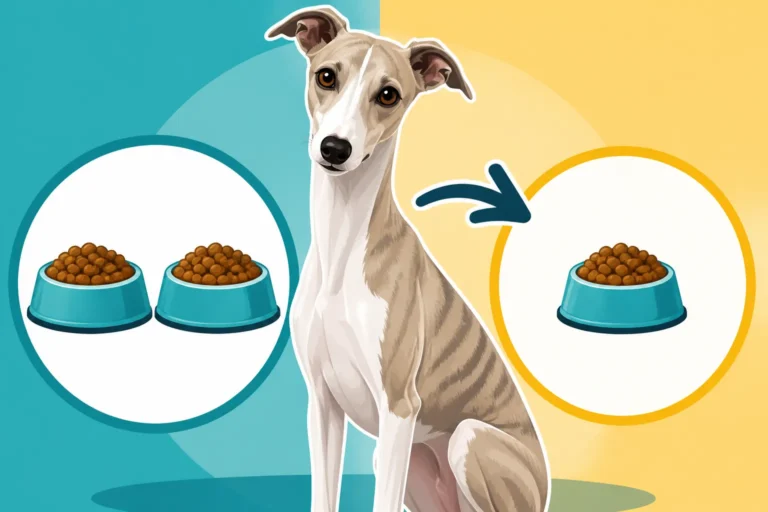
What happens if you feed excessive amounts of protein? Once a dog's body meets its protein needs for repair, growth, and other functions, any excess protein is either converted into glucose for energy (which can then be stored as fat if not burned off) or simply excreted through urine. It's not stored as "extra muscle." While generally safe for healthy dogs, chronically feeding extremely high protein diets (e.g., above 30-35% for a non-working dog) can potentially put extra strain on the kidneys over a long period, especially if there's an underlying predisposition. For most pet Whippets, it's simply an unnecessary expense and doesn't offer additional benefits.
For serious racing Whippets or those engaged in demanding activities like competitive lure coursing, their needs might be slightly different. They expend more energy and require more intensive muscle repair. In these cases, a diet on the higher end of the typical protein range, or even slightly above, might be beneficial for optimal recovery and performance. This is why some owners consider Whether a Racing Whippet Needs a Performance Food. However, even for these athletes, the focus remains on quality and balance rather than just pushing raw protein numbers sky-high.
Determining Your Whippet's Protein Needs
So, how do you figure out the right amount of protein for your Whippet? It comes down to a few key factors: age, activity level, health status, and the quality of the food itself.
General Guidelines for Adult Whippets
For a healthy, adult pet Whippet with a moderate activity level (daily walks, some playtime, and plenty of naps), a commercially available dog food formulated for "all life stages" or "adult maintenance" with a protein content between 22-28% on a dry matter basis is often ideal. This range provides ample protein for muscle maintenance, tissue repair, and overall health without being excessive.
Remember, the dry matter basis is crucial. If a label says "25% protein," but the food is 75% moisture (like many wet foods), the actual dry matter protein content is much higher. You can calculate dry matter protein by taking the guaranteed analysis protein percentage, dividing it by 100 minus the moisture percentage, and then multiplying by 100. For example:
If a wet food is 10% protein and 80% moisture:
10% / (100% – 80%) = 10% / 20% = 0.5
0.5 * 100 = 50% dry matter protein.
Many high-quality kibbles naturally fall into this sweet spot. Brands you might find on Chewy or Amazon often list their protein percentages clearly, making it easier to compare.
Considerations for Puppies, Seniors, and Active Dogs
- Puppies: Growing Whippet puppies have higher protein and calorie needs to support their rapid development. They typically require diets formulated specifically for puppies, which generally have higher protein levels (e.g., 28-32% dry matter) and carefully balanced calcium and phosphorus to support healthy bone growth without encouraging too rapid growth. You'll want to ensure they get proper nutrition for their developing bodies to avoid issues down the line, so choosing a food appropriate for their age is key.
- Senior Whippets: As Whippets age, their metabolism can slow, and they might become less active. However, senior dogs can also experience muscle loss (Whether an Old Whippet Loses Muscle). Moderate protein levels are still important to help maintain muscle mass. Some senior formulations reduce fat and calories, while maintaining adequate protein. It's often more about digestibility and nutrient absorption in older dogs.
- Highly Active/Racing Whippets: For Whippets actively engaged in racing or other high-intensity sports, their protein needs might be at the higher end of the adult range, possibly even slightly above 28%, to support intense muscle repair and recovery. These dogs often benefit from performance diets that balance higher protein with increased fat for sustained energy. Feeding a Whippet That Sprints and Then Sleeps dives into their unique energy cycles.
Here’s a general comparison table for protein needs across different life stages and activity levels:
| Life Stage/Activity | General Protein % (Dry Matter Basis) | Key Considerations |
|---|---|---|
| Puppy | 28-32% | Essential for growth, development; look for balanced Ca:P ratio. |
| Adult (Maintenance) | 22-28% | Supports muscle, skin, coat, and daily functions for typical pet activity. |
| Adult (Highly Active/Sport) | 28-32% | Aids in muscle repair and recovery from strenuous exercise. |
| Senior | 22-28% (or slightly higher) | Important for maintaining muscle mass; focus on digestibility. |
Reading Food Labels and Choosing Quality Ingredients
When evaluating dog food, always check the ingredients list. Look for:
- Named meat as the first ingredient: This indicates a substantial amount of animal-based protein. Examples: "Chicken meal," "deboned salmon," "lamb." Avoid vague terms like "meat meal" or "poultry by-products" high up on the list without clarification.
- Reputable brands: Companies like Purina, Royal Canin, Hill's Science Diet, and others formulate their foods based on extensive research and feeding trials. More boutique or "fad" brands may not always have the same scientific backing. You can find a vast array of choices from these trusted brands on platforms like Chewy or even Amazon.
- AAFCO statement: Look for a statement from the Association of American Feed Control Officials (AAFCO) indicating the food is "complete and balanced" for a specific life stage (e.g., "for adult maintenance" or "for growth and reproduction"). This ensures the food meets minimum nutritional requirements.
If you're considering fresh food options, brands like Ollie often formulate meals with higher protein content using whole ingredients, which can be an excellent choice if it fits your budget and lifestyle. Just ensure any homemade or fresh diet is balanced with the help of a veterinary nutritionist.
Practical Feeding Advice for Your Whippet
Feeding your Whippet for optimal health and performance doesn't have to be complicated, but it does require attention to detail and understanding their specific needs.
Monitoring Body Condition, Not Just the Scale
Because Whippets are naturally lean, it's easy to misjudge their weight. Instead of relying solely on the number on the scale, focus on their body condition score (BCS). As mentioned earlier, you should be able to:
- Easily feel the ribs without pressing hard, but they shouldn't protrude sharply.
- See a distinct waist when viewed from above, like an hourglass figure.
- Observe a significant abdominal tuck when viewed from the side, with the belly scooping up towards the hind legs.
- Feel the hip bones easily, but they shouldn't be excessively prominent.
If your Whippet is looking too thin despite eating well, or if they're gaining weight, adjust their food intake or consult your vet. Sometimes, if you're struggling to keep weight on a Whippet, a slightly higher fat content in their diet can be more effective than just boosting protein, as fat is a more concentrated source of calories. See Whether a Whippet Needs a High Fat Diet for more information.
Consistency and Meal Timing
Establishing a consistent feeding schedule is important. Most adult Whippets do well on two meals a day, morning and evening. This helps with digestion and keeps their energy levels stable. For a racing Whippet, feeding times might need to be adjusted around training and events to prevent bloat or discomfort during strenuous activity.
Avoid free-feeding, as Whippets, despite their lean appearance, can sometimes be surprisingly opportunistic eaters, especially if you have other pets. While some Whippets are notoriously picky eaters, others will happily polish off whatever is put in front of them. For more details on portion sizes, refer to How Much a Whippet Should Eat.
When to Seek Professional Guidance
While general guidelines are helpful, every Whippet is an individual. If you have concerns about your Whippet's weight, muscle mass, coat quality, or overall energy levels, don't hesitate to consult your veterinarian or a board-certified veterinary nutritionist. They can:
- Assess your Whippet's specific needs: Taking into account age, activity level, any underlying health conditions, and current body condition.
- Recommend specific diets: They might suggest a prescription diet or a particular brand and formulation that suits your dog best.
- Guide you on supplements: While most commercial dog foods are complete and balanced, some situations might warrant specific supplements, though this is rare for general protein needs.
For example, a Whippet with certain health issues might have altered protein requirements. However, for the vast majority of healthy Whippets, focusing on a high-quality, balanced diet from a reputable brand will provide all the protein they need to maintain their stunning physique and live a long, happy life.
Disclaimer
This article is for general informational purposes only and does not constitute professional advice. Laws, prices and regulations vary by location and change over time. Consult a qualified professional for guidance on your specific situation.