Whether a Blue Whippet Loses Coat Over Time
It's a common and understandable worry for anyone who loves their blue Whippet: you've fallen in love with that stunning, unique slate-grey coat, and the last thing you want to see is it thinning, becoming patchy, or looking dull. Many Whippet owners, especially those new to the lovely blue variety, fret over whether this beautiful color comes with a predisposition to losing that gorgeous coat over time. This guide is here to shed light on why some blue Whippets experience coat changes, what's normal, and what might be a sign of something more.
Understanding Blue Whippets and Color Dilution
When you have a blue Whippet, you're not just looking at a pretty color; you're looking at genetics in action. Blue is essentially a "diluted" form of black, meaning the black pigment in their coat isn't as intensely deposited, giving it that soft, greyish-blue hue. This dilution is a natural genetic variation, and in most cases, it poses no health problems at all. However, sometimes, this genetic quirk can be linked to a specific type of coat issue.
The Genetics Behind Blue Coats
To truly grasp why a blue Whippet's coat might change, we need to talk a tiny bit about genetics. Don't worry, I won't get too bogged down in complicated science. Essentially, all dogs carry genes that determine their coat color. For a Whippet to be blue, they must inherit two copies of a specific dilute gene, often referred to as the "d" gene (dd). If they had even one dominant "D" gene (Dd or DD), they would appear black, or fawn, or brindle, depending on their other color genes. So, a blue Whippet is, by definition, genetically dilute. This is why you'll often hear discussions about Why a Blue Whippet Is a Dilute. It's not a flaw, but a specific genetic expression.
This genetic makeup is what makes their coat color so striking. It's also why breeders must be very careful when breeding blue Whippets, ensuring they understand the lineage and health history to avoid inadvertently doubling up on genes that could lead to problems. Most blue Whippets go their entire lives without any coat issues related to their color, living full and active lives, charming everyone they meet.
What is a "Normal" Whippet Coat?
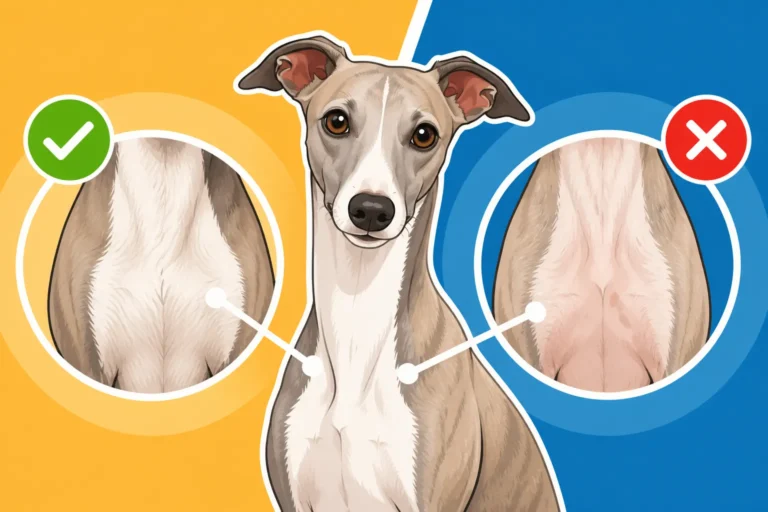
Before we dive into potential issues, let's talk about what a healthy Whippet coat generally looks like. Whippets, regardless of color, have short, fine, and very close-lying coats. They're naturally sleek and often have a beautiful sheen. You should be able to see a good healthy glow to their fur, and it should feel smooth to the touch. It's normal for a Whippet to shed, of course, but it's usually minimal and not something you'd typically describe as "losing coat" in large patches or thinning dramatically. Their skin underneath should appear healthy, supple, and without redness, flaking, or irritation.
Now, because Whippets have such thin skin and minimal body fat, their coats often appear very sparse compared to, say, a Labrador. You can easily see the musculature and bones beneath their skin. Why a Whippet Has So Little Body Fat is a common topic among owners, and it directly relates to why their coats are so fine. This natural leanness can sometimes make normal shedding or very minor thinning seem more dramatic than it would on a thicker-coated breed. It's crucial to distinguish between a naturally fine Whippet coat and one that is genuinely experiencing unhealthy coat loss.
What is Color Dilution Alopecia (CDA)?
So, while most blue Whippets will have perfectly healthy coats their entire lives, there is a specific, uncommon genetic condition associated with dilute colors called Color Dilution Alopecia (CDA). This is what most people are worried about when they ask if a blue Whippet will lose its coat over time. It's not a certainty, but it's a possibility that owners of dilute-colored dogs, including blue Whippets, should be aware of.
The Development of CDA
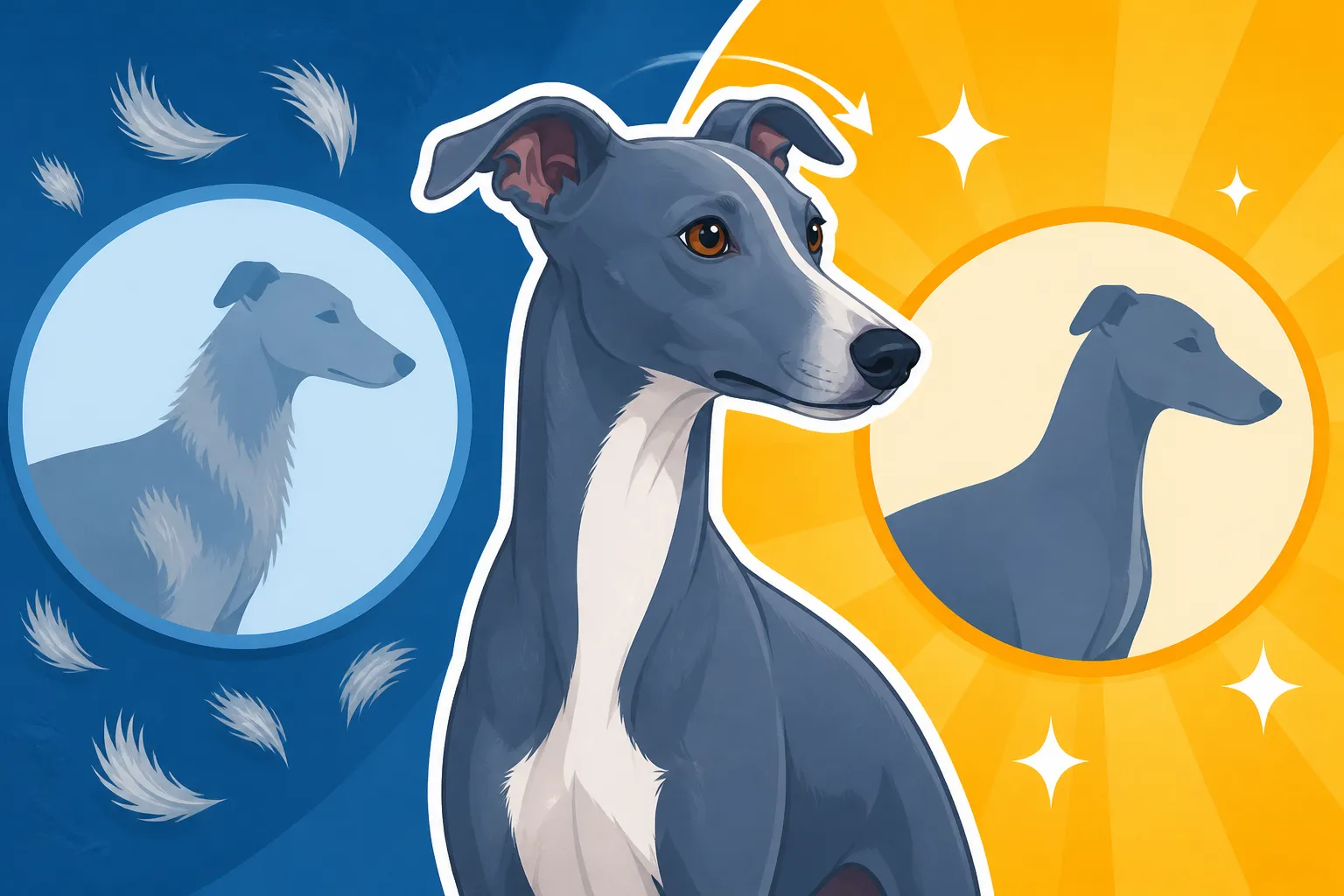
Color Dilution Alopecia is a genetic condition that primarily affects dilute-colored dogs, such as blue (dilute black) and fawn (dilute red) individuals. It's characterized by a progressive thinning or loss of hair, often starting in areas where the coat is darkest (which for blue dogs would be the blue areas). The onset and severity can vary wildly. Some puppies might show signs of thinning coat quite early, sometimes even before a year old, while in others, it might develop more subtly over several years.
This isn't just about the hair falling out; it's often accompanied by skin issues. The hair follicles themselves become abnormal, leading to brittle hairs that break easily or fail to grow properly. This leaves the dog with sparse, dull, and often rough-feeling fur. It's a frustrating condition because it can compromise the skin's barrier function, making the dog more susceptible to secondary skin infections, dry skin, and flakiness. Owners often report their blue Whippet developing Whether a Blue Whippet Has Skin Problems as a result of CDA, which is a key indicator that it's more than just simple shedding.
Symptoms and Progression of CDA
The signs of CDA typically begin with a dulling of the coat, followed by hair loss that often starts on the trunk of the body. The hair can become brittle, break easily, and fail to regrow. Affected areas might look moth-eaten or completely bald. The skin in these areas can also become dry, scaly, and prone to secondary bacterial infections or folliculitis (inflammation of the hair follicles). You might notice blackheads forming, or the skin might feel greasy and irritated.
Consider a hypothetical scenario: a young blue Whippet, say around 18 months old, starts to show some thinning on their back and flanks. At first, you might dismiss it as normal shedding or just how their coat lays. But then you notice the hair isn't growing back, and the skin underneath starts to look a bit flaky. When you gently run your hand over their back, the hair feels coarser and snaps easily. This is the typical insidious progression of CDA, which makes it so distressing for owners who just want their dog to be comfortable and healthy. It's a gradual process, not usually a sudden, dramatic hair loss event, which can make it hard to pinpoint initially.
| Symptom | Description | Early Signs | Advanced Signs |
|---|---|---|---|
| Coat Dullness | Loss of natural sheen, appearing lifeless. | Subtle reduction in shine. | Noticeable dull, rough texture. |
| Hair Thinning/Loss | Progressive decrease in hair density, often patchy. | Sparse patches, especially on trunk. | Bald areas, 'moth-eaten' appearance. |
| Brittle Hair | Hairs easily break when touched or brushed. | Hairs feel coarse, break easily. | Significant hair breakage, stubble. |
| Dry, Flaky Skin | Skin in affected areas becomes dry and may shed flakes. | Mild dryness, occasional flakes. | Scaly patches, sometimes itchy. |
| Recurrent Skin Infections | Increased susceptibility to bacterial infections due to compromised skin barrier. | Minor redness or bumps. | Pustules, crusts, unpleasant odor. |
| Comedones (Blackheads) | Small black plugs forming in hair follicles. | Small, dark spots on skin. | Numerous visible blackheads. |
Diagnosing CDA in Whippets
If you suspect your blue Whippet might have CDA, it's really important to get a proper veterinary diagnosis. This isn't something you can self-diagnose from an internet search. Your vet will typically perform a physical examination and may recommend skin biopsies. These biopsies are crucial because they allow the veterinary pathologist to examine the hair follicles under a microscope, looking for characteristic abnormalities like melanin clumping within the hair shafts and distorted follicles, which are hallmarks of CDA.
They might also rule out other conditions that can cause similar symptoms, such as demodectic mange, ringworm, allergies, or hypothyroidism. It’s important to remember that not all coat loss in a blue Whippet is CDA, and other issues can be more common. Getting a definitive diagnosis is key to understanding the problem and managing it effectively. A vet who knows sighthounds well will understand their unique dermatological profile, which can be immensely helpful.
Recognizing the Signs of Coat Loss and Skin Issues
Beyond CDA, there are other reasons a Whippet might experience coat changes or skin problems. It’s important for owners to be vigilant and know what to look for, so they can address issues promptly.
Distinguishing Normal Shedding from Coat Loss
First, let's establish that Whippets do shed. While it's not the monumental shedding you might see with a Golden Retriever, they certainly drop hair. Their short, fine hairs can sometimes embed themselves into fabric in surprisingly tenacious ways! A healthy Whippet will have a consistent, sleek coat, even with normal shedding. You might notice a bit more hair on their beds or your clothes, especially during seasonal changes, but you shouldn't see large bald patches or a dramatic thinning across their body. How Much a Whippet Sheds Year Round is generally minimal, so any significant change warrants attention.
True coat loss, on the other hand, involves noticeable bare patches, a very sparse coat where it should be thicker, or hair that seems to break off rather than shed naturally from the root. The skin underneath might also look abnormal—red, flaky, greasy, or bumpy. If you're seeing any of these more concerning signs, it's time to investigate further, because it's probably not just "normal shedding."
Common Skin Issues in Whippets
Whippets, with their minimal body fat and delicate skin, are prone to certain dermatological challenges. It's not always about the color of their coat. For instance, skin tears are incredibly common due to their thin skin, and while not coat loss, they certainly highlight the fragility of their integumentary system. The Thin Skin That Sends a Whippet to the Vet for Stitches is a real concern for many Whippet owners.
Beyond injuries, other common issues include:
- Allergies: Just like us, Whippets can suffer from environmental allergies (pollen, dust mites) or food allergies. Symptoms often include itching, redness, ear infections, and sometimes secondary bacterial skin infections, which can lead to hair loss from scratching and inflammation.
- Parasites: Fleas, mites (like demodex or sarcoptes), and ticks can all cause intense itching and subsequent hair loss from scratching, biting, and skin irritation.
- Hypothyroidism: While The Hypothyroidism a Whippet Does Not Have is a common misconception, true hypothyroidism can sometimes lead to a dull, thinning coat and dry skin, though it's less common in Whippets than some other breeds.
- Nutritional Deficiencies: A poor diet lacking essential fatty acids, vitamins, and minerals can manifest as a dull coat, dry skin, and even some hair loss. This is where diet plays a huge role in overall skin and coat health.
It's vital to differentiate between these common, treatable conditions and a genetic issue like CDA. Each requires a different approach to management and care.
Caring for a Blue Whippet's Skin and Coat
Whether your blue Whippet has CDA or just delicate skin, proactive care is essential. While CDA is not curable, its symptoms can be managed to improve your dog's comfort and quality of life.
Daily and Weekly Coat Maintenance
Even with a short coat, regular maintenance makes a big difference. For blue Whippets, especially if they show any signs of skin sensitivity or potential CDA, a gentle routine is paramount.
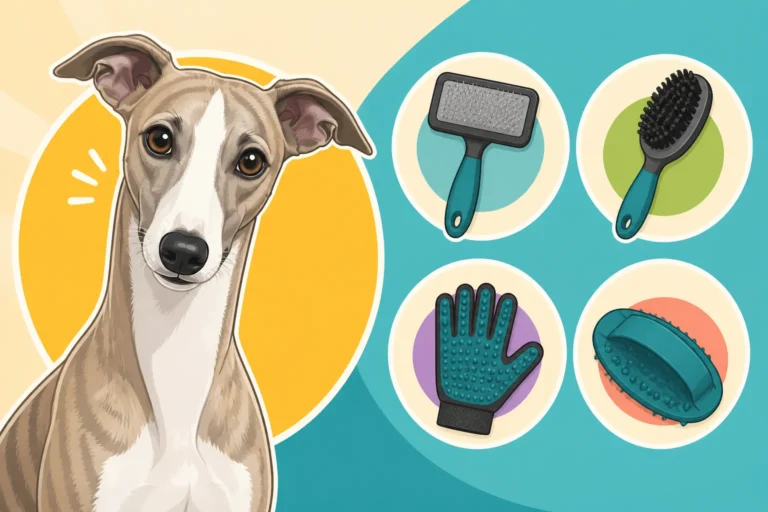
- Gentle Brushing: Use a soft brush, like a rubber curry comb or a velvet grooming mitt, to gently massage their skin and remove loose hairs. This stimulates circulation and distributes natural oils without irritating delicate skin. For a Whippet, brushing should be a pleasant bonding experience, not a harsh one.
- Bathing: Whippets don't need frequent bathing, usually once a month or every few months unless they get particularly dirty. When you do bathe them, choose a mild, hypoallergenic shampoo specifically designed for sensitive skin. Look for products that are sulfate-free and contain soothing ingredients like oatmeal or aloe vera. Many owners find specialized shampoos on online retailers like Chewy or Amazon. Make sure to rinse thoroughly to avoid any residue that could irritate the skin. Which Shampoo Suits a Whippet's Thin Skin is a topic close to many Whippet owners' hearts.
- Moisturizing: If your Whippet has dry skin, a veterinary-approved leave-in conditioner or topical moisturizing spray can be beneficial. These can help to maintain the skin's barrier function and prevent excessive dryness and flaking, which is especially important for dogs with CDA.
Nutritional Support for Skin and Coat Health
Diet plays an enormous role in the health of your Whippet's skin and coat. A high-quality diet provides the building blocks for strong hair and healthy skin.
- Omega Fatty Acids: These are superstars for skin and coat health. Omega-3 and Omega-6 fatty acids, found in fish oil and certain plant oils, can reduce inflammation, improve skin barrier function, and promote a shiny coat. Many owners add a fish oil supplement to their Whippet's diet. You can find excellent quality supplements on Chewy or even through your vet. Whether a Whippet Needs Fish Oil is often a resounding yes for many owners seeking optimal skin and coat health.
- High-Quality Protein: Hair is mostly protein, so ensuring your Whippet gets adequate, easily digestible protein is crucial. Look for dog foods where a named meat source is the first ingredient.
- Balanced Diet: Whether you feed kibble, fresh food, or raw, ensure it’s a complete and balanced diet appropriate for your Whippet's life stage and activity level. Some owners opt for fresh food delivery services like Ollie, which can offer highly digestible, nutrient-dense meals. Always consult with your vet or a veterinary nutritionist before making significant dietary changes.
Environmental Considerations and Protection
Because of their thin skin and minimal coat, Whippets are more susceptible to environmental factors.
- Sun Protection: Blue Whippets, like other light-colored or thin-skinned dogs, can be prone to sunburn, especially on sparsely haired areas like the belly, ears, and nose. Limit sun exposure during peak hours, and consider dog-safe sunscreen for exposed areas if your Whippet loves to lounge in the sun.
- Comfortable Bedding: Whippets need soft, well-padded bedding to prevent pressure sores, especially on bony prominences like elbows and hips. If your blue Whippet has thinning hair, extra padding can help protect sensitive skin. The Pressure Sores a Whippet Gets From Sleeping on the Floor are a common concern and can exacerbate any underlying skin fragility. Ensure they have plenty of cozy spots around the house, ideally off hard floors.
- Temperature Regulation: Whippets feel the cold intensely. A good wardrobe of coats and sweaters is essential, not just for warmth but also to protect their delicate skin from scrapes and harsh weather, particularly if they have a compromised coat. The Wardrobe a Whippet Needs Because It Has No Body Fat is a real thing! In warmer weather, ensure they don't overheat if wearing coats or during exercise.
Veterinary Management for CDA
If your blue Whippet is diagnosed with CDA, your vet will work with you on a management plan. There is no cure for CDA, but symptoms can often be managed to improve comfort and prevent secondary infections. This might include:
- Topical Treatments: Medicated shampoos, conditioners, or sprays to address dry skin, scaling, or secondary infections. These often contain ingredients like chlorhexidine for bacterial infections or miconazole for yeast, along with moisturizing agents.
- Oral Medications: Antibiotics for bacterial infections or antifungals for yeast infections, if present. In some cases, your vet might discuss supplements like melatonin or vitamin A, though their effectiveness for CDA can vary.
- Regular Monitoring: Consistent check-ups to monitor skin health, adjust treatments, and address any new issues that arise. Managing CDA is often a long-term commitment, requiring patience and close partnership with your veterinarian.
While the thought of your beautiful blue Whippet losing their coat can be upsetting, being informed and proactive with their care can make a world of difference. Most blue Whippets will never experience CDA, but for those who do, understanding the condition and committing to a thoughtful care routine will help them live happily and comfortably.
Disclaimer
This article is for general informational purposes only and does not constitute professional advice. Laws, prices and regulations vary by location and change over time. Consult a qualified professional for guidance on your specific situation.