Whether a Whippet Puppy Needs Large Breed Food
Bringing home a Whippet puppy is an absolute joy, filled with boundless energy, adorable sleepy cuddles, and endless questions about how to best care for your new family member. One of the most common dilemmas new Whippet owners face when standing in the pet food aisle, gazing at all the options, is whether their rapidly growing, long-legged pup should be eating "large breed puppy food." It's a natural assumption, given how quickly these little athletes shoot up, but it's a question rooted in a misunderstanding of what makes a Whippet unique. This guide will help you understand why large breed formulas aren't typically the best choice for your Whippet puppy and what nutritional path will truly support their healthy development.
Understanding Your Whippet Puppy's Unique Growth Needs
It's completely understandable to look at your gangly Whippet puppy, all legs and not much else, and wonder if they're destined to be a "large breed." They certainly seem to sprout up overnight! However, the term "large breed" in canine nutrition refers to a very specific type of growth, and it's not one that perfectly aligns with our elegant sighthounds. Getting this distinction right is crucial for their long-term health.
Why Whippets Aren't "Large" Breeds Even If They Grow Fast
When pet food manufacturers label a product "large breed puppy food," they're talking about breeds that typically weigh over 70 pounds as adults, sometimes much more, and have a prolonged growth period. Think Great Danes, Mastiffs, Saint Bernards, or even larger German Shepherds. These breeds carry a significant amount of bone and muscle mass, and their skeletal development needs to be carefully managed to prevent serious orthopedic issues later in life. Their growth is slow, steady, and designed to support a massive frame.
Whippets, on the other hand, are medium-sized dogs. An adult male Whippet generally weighs between 25-45 pounds, and a female slightly less. While they might appear to grow incredibly quickly, especially during their first six to twelve months, their overall size and bone structure are fundamentally different from those true large breeds. Their bones are delicate, their frame is light, and their muscle is built for explosive speed, not sheer mass. They reach their adult height and weight much faster than a large breed, usually maturing around 12 to 18 months, whereas a giant breed might still be growing well into its second year. This distinction in size and growth trajectory means their nutritional needs are also quite different. What an Adult Male Whippet Weighs and What an Adult Female Whippet Weighs offer good context on their mature size.
The Dangers of Too Much, Too Fast Growth
For large and giant breeds, unchecked rapid growth is a huge concern. If a Great Dane puppy grows too quickly, it can lead to devastating conditions like hip dysplasia, elbow dysplasia, and osteochondritis dissecans (OCD), where cartilage doesn't form properly in the joints. To combat this, large breed puppy foods are specifically formulated to encourage slower, more controlled growth. They typically have a lower caloric density and a very precise balance of calcium and phosphorus.
Now, while a Whippet is certainly not prone to the same issues as a giant breed, feeding them a diet that promotes excessively fast growth for their specific body type isn't ideal either. If a Whippet puppy is overfed or fed a diet too rich in calories for its needs, it can still put unnecessary stress on its developing bones and joints, even if those bones are lighter and less prone to the same severe issues. It's about finding that sweet spot where they grow at a healthy, consistent pace for a Whippet, allowing their lean, athletic frame to develop properly without undue strain. Think of it less as preventing massive orthopedic deformities and more about ensuring optimal joint health and structural integrity for a high-performance breed. Your goal should be a slow and steady progression, not a sudden burst of growth. Whether a Whippet Puppy Should Grow Slowly really highlights this important concept.
What "Large Breed" Puppy Food Actually Offers And Why It's Not a Match for Whippets
Understanding the why behind large breed food is key to understanding why it's not the right fit for your Whippet. It's not just about the size of the kibble; it's about the entire nutritional profile, meticulously engineered for a very specific type of dog.
Calorie Density and Protein Levels
One of the primary differences in large breed puppy food is its calorie density. These diets are designed to provide all the necessary nutrients without delivering an excess of calories. The idea is to prevent a puppy from gaining weight too rapidly, which, as we discussed, can put immense strain on their developing joints and skeletal system. They are formulated to support slow, consistent weight gain over a longer period.
For a Whippet puppy, this can be a problem. Whippets are naturally lean and incredibly active. Even as puppies, they have bursts of energy that require fuel. A large breed puppy food might simply not provide enough calories for your Whippet to thrive and maintain a healthy weight. They need a diet that supports their rapid metabolism and helps them build strong, lean muscle without becoming either too thin or, conversely, developing unhealthy fat stores. While a Whippet is designed to be lean, you don't want them to be underfed during their critical growth phases, which a low-calorie diet could inadvertently lead to. Feeding a Whippet That Sprints and Then Sleeps covers how important appropriate calorie intake is for these active dogs.
When it comes to protein, large breed formulas typically have adequate protein levels for growth, but again, it's about balance. Whippets need high-quality protein to develop their powerful musculature. A standard or medium breed puppy food will typically offer a protein percentage that aligns well with a Whippet's needs without being excessively high or low, allowing for optimal muscle development without forcing overly rapid growth.
Calcium and Phosphorus Ratios
This is perhaps the most critical factor in determining if a food is appropriate for a growing puppy, especially for breeds with unique growth rates. The calcium and phosphorus content, and more importantly, their ratio, are meticulously controlled in large breed puppy foods. These diets often have a slightly lower calcium percentage and a narrower calcium-to-phosphorus ratio to prevent disorders like skeletal deformities and joint disease in giant breed puppies. Too much calcium, particularly, can interfere with normal bone development in these predisposed breeds.
For a Whippet puppy, these specific, often lower, calcium levels might actually be counterproductive. Whippets have a different bone structure and growth pattern. While they certainly need adequate calcium and phosphorus for strong bones, the precise balance found in a typical "all life stages" or "medium breed puppy" formula is usually more appropriate for their needs. Using a large breed formula could potentially lead to suboptimal mineral intake for a Whippet, or at the very least, an imbalanced ratio that doesn't quite match their physiological requirements for healthy bone and joint formation. Always remember, more isn't always better, and less isn't always better; it's about getting the right amount and right ratio for the individual breed.
Choosing the Right Food for Your Whippet Puppy
Navigating the pet food aisle can feel like a minefield with all the choices out there, but armed with the right knowledge, you can confidently pick the perfect diet for your Whippet puppy's unique needs. The goal is to support healthy, steady growth for their athletic, lean build.
Look for "All Life Stages" or "Medium Breed Puppy" Formulas
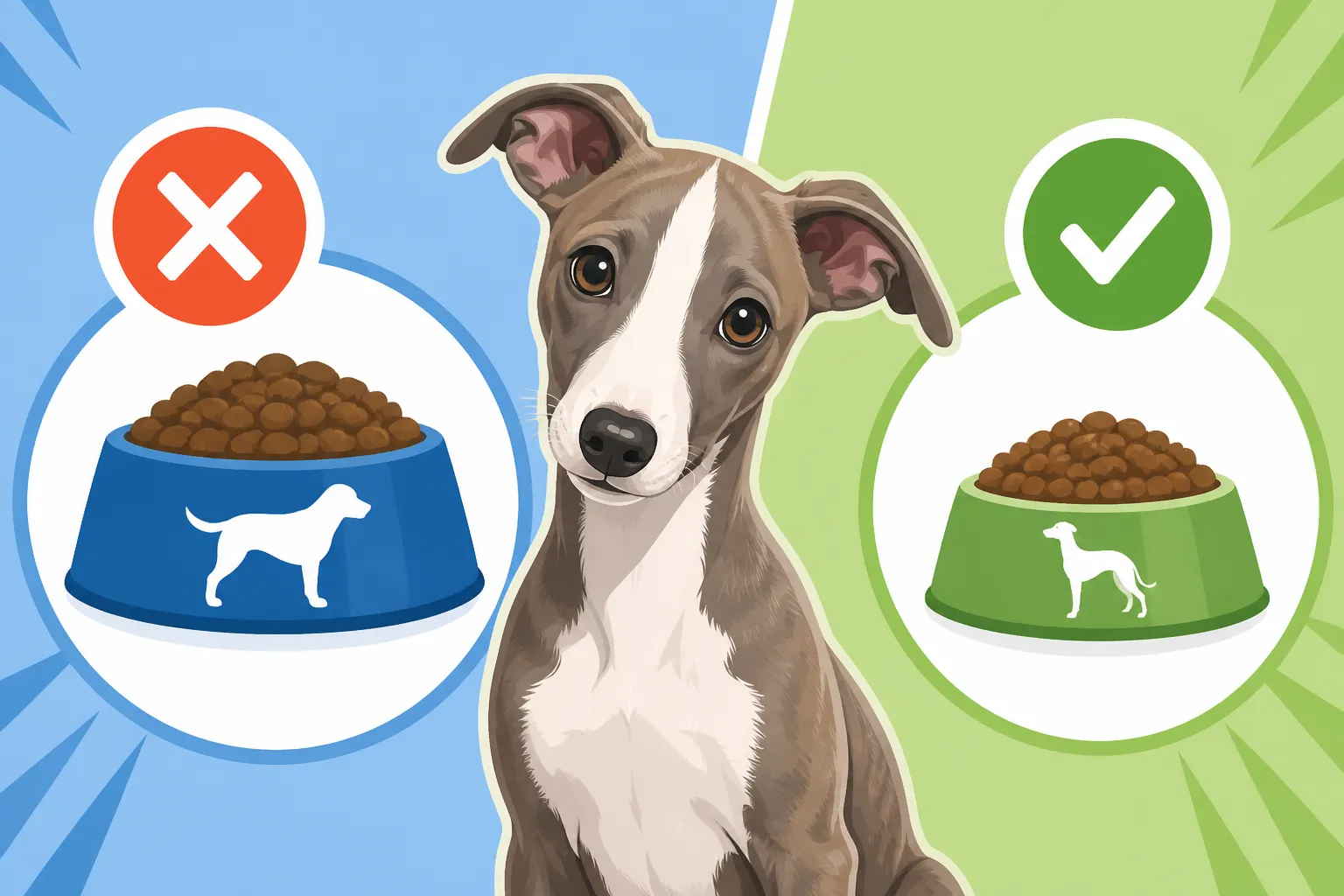
Instead of fixating on "large breed," your best bet for a Whippet puppy is to look for foods labeled either "all life stages" or specifically "medium breed puppy." These formulations are typically designed to provide balanced nutrition for dogs of various sizes or for those in the medium range, which perfectly encompasses the Whippet.
When you're checking the bag, always look for the AAFCO (Association of American Feed Control Officials) statement. You want to see something like "formulated to meet the nutritional levels established by the AAFCO Dog Food Nutrient Profiles for growth and reproduction" or "for all life stages." This statement assures you that the food is complete and balanced for a growing puppy. Many high-quality brands offer excellent options in this category. For example, if you're looking for brands with strong reputations and a wide range of formulas, you can often find detailed information and customer reviews on sites like Chewy or Amazon. They make it easy to compare ingredients and nutritional breakdowns.
Key Nutritional Considerations for Your Whippet Puppy
Beyond the AAFCO statement and "medium breed" label, understanding a few key nutritional components will help you select the best food:
- High-Quality Protein: Whippets are athletes, even as puppies. They need robust, lean muscle development. Look for animal protein sources (like chicken, lamb, salmon, beef, turkey) listed as the first one or two ingredients. These provide the essential amino acids crucial for muscle, skin, and organ health.
- Healthy Fats: Fats are a concentrated source of energy, vital for active puppies, and crucial for healthy skin and a shiny coat. Look for named fat sources like chicken fat or salmon oil. Omega-3 fatty acids, especially DHA, are also a fantastic addition for brain and vision development.
- Complex Carbohydrates: These provide sustained energy for your puppy's zoomies and growth spurts. Ingredients like sweet potatoes, brown rice, barley, and oats are good choices. Avoid excessive fillers that offer little nutritional value.
- Balanced Vitamins and Minerals: While you don't need to memorize every single vitamin, a well-formulated commercial puppy food will have a complete and balanced profile. This includes appropriate levels of calcium and phosphorus for healthy bone development, but without the specific, lower ratios found in large breed formulas.
Monitoring your puppy's body condition is paramount. You should be able to easily feel their ribs, but not see them prominently protruding, and they should have a visible tuck-up at their waist. If your puppy seems too thin or too heavy, consult your vet about adjusting their food intake. What a Vet Says About a Whippet's Weight is an excellent resource for understanding how to assess their ideal condition.
When in Doubt, Consult Your Vet
While general guidelines are incredibly helpful, every Whippet puppy is an individual. Their activity level, genetics, and even their metabolism can vary. That's why your veterinarian is your absolute best resource for personalized dietary advice. They can assess your specific puppy's growth trajectory, current weight, energy levels, and overall health to recommend a food that perfectly suits their needs. They can also advise on specific brands or ingredients that might be beneficial or to avoid.
Sometimes, new owners want to explore options beyond traditional kibble, such as fresh or lightly cooked foods. Companies like Ollie focus on delivering human-grade ingredients, and these types of services often provide detailed nutritional information and even tailored plans based on your dog's breed and age. If you're considering a non-traditional diet, discussing it with your vet is even more critical to ensure it's nutritionally complete and appropriate for a growing Whippet.
Here’s a quick overview to help clarify the differences:
| Feature | Large Breed Puppy Food (Generally) | Standard/Medium Breed Puppy Food (Better for Whippets) |
|---|---|---|
| Target Adult Weight | Over 70 lbs | Up to 70 lbs |
| Growth Rate Supported | Slow, prolonged growth | Moderate, steady growth |
| Calorie Density | Lower to prevent rapid weight gain | Appropriate for active medium-sized puppies |
| Calcium/Phosphorus Ratio | Specific, often lower calcium for bone health in giant breeds | Balanced for typical puppy bone development |
| Kibble Size | Often larger for chewing | Varies, suitable for typical puppy mouths |
| Primary Goal | Prevent orthopedic issues from excessive growth | Support healthy, natural development of average-sized dogs |
In conclusion, while your Whippet puppy might look like they're trying to grow into a small horse overnight, they are fundamentally different from a truly large breed. Choosing a high-quality "all life stages" or "medium breed puppy" formula, and always consulting your veterinarian, will set your elegant companion on the path to a healthy, happy, and well-nourished life. The Age a Whippet Reaches Full Weight can give you an idea of their developmental timeline.
Disclaimer
This article is for general informational purposes only and does not constitute professional advice. Laws, prices and regulations vary by location and change over time. Consult a qualified professional for guidance on your specific situation.