Where the Whippet Was Developed
It's easy to look at a sleek, elegant Whippet today, curled up on the sofa like a furry, four-legged croissant, and imagine they've always been pampered royalty. But that couldn't be further from the truth! Their origins are far more gritty, born from the hardscrabble lives of working-class people, and understanding this history is key to truly appreciating the remarkable dogs they are and why they act the way they do. This guide will take you back in time to explore the fascinating, often surprising, places and purposes that forged the Whippet breed.
The Industrial Cradle of the Whippet
Before the Whippet became the beloved "poor man's racehorse" or the show ring darling, it was a dog of necessity, bred by resourceful working-class families in the industrial heartlands of England. Imagine the soot-stained landscapes, the coal mines, and textile mills where men toiled long hours. These communities were rich in spirit but often poor in material wealth, and every animal had to earn its keep. This practical need, combined with a deep love for dogs, laid the foundation for the Whippet we know today.
More Than a Pet: The Working-Class Companion
For the miners and mill workers of Northern England, a dog wasn't just a fluffy companion; it was often an integral part of the household economy and a source of sport and pride. They needed a dog that was small enough to live comfortably in a cramped cottage, quiet enough not to draw undue attention from landlords, yet fast and keen enough to provide entertainment, companionship, and occasionally, a bit of extra food for the table. The Greyhounds that ran on the grand estates were too large and costly for their humble homes, so they looked to create something similar but scaled down. The Poor Man's Racehorse: Whippets in the Northern Coalfields perfectly captures this sentiment. These dogs weren't given fancy names or pedigrees; they were simply "snap dogs" or "rag dogs," valued for their utility and speed, not their lineage. They shared beds with their families, scavenged scraps, and were cherished members of the family unit, despite their rugged existence.
Blending Speed and Tenacity: The Ancestral Mix
So, how did they create such a unique animal? The Whippet's ancestry is a fascinating blend, a testament to the selective breeding practices of these working-class enthusiasts. The most prominent influence was undoubtedly the Greyhound, prized for its incredible speed and sighthound build. Breeders would often acquire smaller, perhaps less "perfect" Greyhounds that didn't make the cut for formal racing, bringing their speed and elegant lines to the mix. However, pure Greyhounds were still too big and sometimes too delicate for the rough-and-tumble environment of the mining villages.
To instill the desired traits of tenacity, quick turning ability, and a smaller, hardier frame, terrier blood was introduced. It's believed that breeds like the now-extinct Old English White Terrier, and perhaps even the Manchester Terrier or Bedlington Terrier, played a role. These terriers brought their fierce prey drive, robust constitution, and ability to dispatch small game swiftly. The result was a dog that possessed the explosive speed of a sighthound, but with the scrappy, durable nature of a terrier, perfectly suited to the demands of its environment. How Miners Built the Whippet From a Greyhound They Could Afford delves deeper into this ingenious breeding.
The Northern English Heartlands
When we talk about "where the Whippet was developed," we're really talking about a specific geographical and cultural landscape: the industrial north of England, particularly regions like Lancashire, Yorkshire, and Northumberland. These were areas buzzing with coal mining, textile manufacturing, and a strong sense of community. The close-knit nature of these towns meant that dog breeding was often a shared passion, a way to escape the daily grind and inject excitement into life.
The dogs were bred locally, often within families or small circles of friends, with specific traits in mind for local competitions. There wasn't a formal breed club or a national standard in these early days; instead, a dog's value was determined by its performance on the track or in the field, and its ability to bring a smile to its owner's face after a long, hard week. This informal, grassroots development over many generations truly solidified the Whippet's unique characteristics. Which County Claims the Whippet provides further detail on these specific regional ties.
The Rise of Rag Racing and Snap Dog Contests
The utility of the early Whippet wasn't just about catching rabbits for dinner; it was heavily intertwined with popular working-class sports that offered both entertainment and a chance to win much-needed money. These events—rag racing and snap dog contests—were crucial in shaping the breed's physical and mental attributes, emphasizing quick acceleration, agility, and an intense prey drive.
The Thrill of the Chase: Rag Racing Unveiled
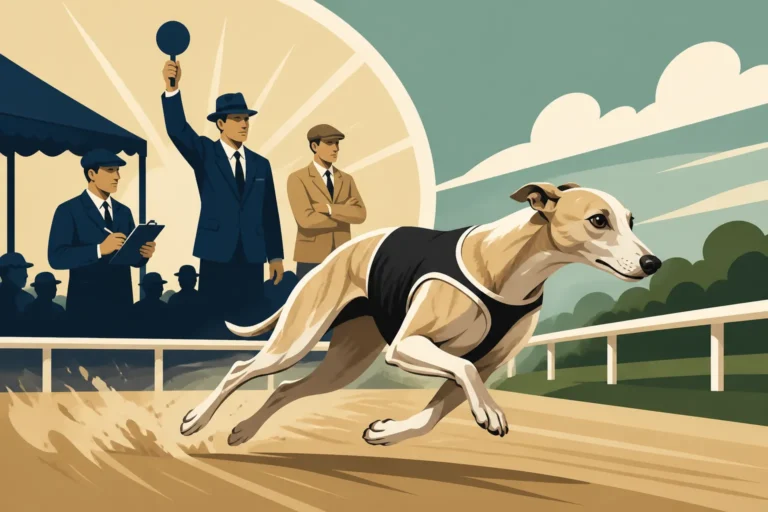
Imagine a Sunday afternoon, the working week behind them, and crowds gathered in an open field, eagerly anticipating the main event: rag racing. This was the predecessor to modern lure coursing and Fast CAT, but with a raw, earthy charm. Two handlers would stand at opposite ends of a straight 200-yard track. At one end, a dog would be held, vibrating with anticipation. At the other, its owner or another handler would frantically wave a piece of cloth—a "rag"—to get the dog's attention, calling its name and enticing it to run. When the starter's pistol fired, the dog was released, launching itself down the track at incredible speed, chasing the fluttering rag.
The goal was simple: be the fastest. These races were thrilling, often decided by mere inches, and substantial sums of money (often a week's wages for the participants) were bet on the outcome. This intense focus on short-distance speed and acceleration directly influenced the Whippet's lithe, muscular build and their incredible burst of speed. Rag Racing and the Week's Wages Riding on a Whippet paints a vivid picture of these historical races.
The "Snap Dog" Legacy: More Than Just Speed
Beyond the pure speed of rag racing, another popular pastime that helped define the Whippet was the "snap dog" contest. This might sound a bit harsh to modern ears, but it reflected the practical needs and entertainment values of the era. In these contests, dogs would be released into an enclosure with rabbits. The objective was for the dog to catch and "snap" the rabbit as quickly as possible, demonstrating not just speed but also an effective prey drive and the ability to turn sharply and capture its quarry.
This practice emphasized the dog's hunting instincts and efficiency. A good snap dog was highly prized, not only for winning contests but also for its ability to put food on the family table when poaching rabbits was a common, albeit illegal, means of supplementing a meager diet. These contests further cemented the Whippet's strong prey drive and its lean, agile physique, capable of lightning-fast maneuvers. Even today, you can see this quick-to-react instinct when a Whippet spots a squirrel or rabbit! What Snap Dog Contests Asked of a Whippet explains these unique competitions in more detail.
A Wager and a Weekly Wage
The social and economic impact of these early Whippet activities cannot be overstated. For many working-class families, these races and contests were more than just a hobby; they were a significant part of their cultural fabric and, crucially, a source of potential income. Winning a bet on a prized Whippet could mean the difference between a sparse meal and a slightly more substantial one, or perhaps even cover a small bill. This financial incentive spurred owners to breed and train their dogs meticulously, always striving for that extra fraction of a second or a sharper turn.
This aspect also fostered a strong sense of community and rivalry. Owners would gather, boast about their dogs, and exchange breeding tips. The shared experience of these events provided much-needed excitement and camaraderie in lives that were otherwise often monotonous and demanding. The humble Whippet, therefore, wasn't just a dog; it was a symbol of hope, pride, and a little bit of thrilling escapism for the working men and women of industrial England. The Legality of Early Whippet Racing touches on some of the societal aspects around these events.
From Working Dog to Show Ring Star
As the industrial landscape of England began to change and societal norms evolved, so too did the role and perception of the Whippet. What started as a utilitarian companion and racing marvel gradually ascended to the status of a recognized breed, eventually captivating enthusiasts beyond its humble origins and finding its way into the show ring and family homes across the globe.
Formal Recognition and Early Standards
It wasn't until the late 19th century that the Whippet began its journey from the rag-racing tracks to formal recognition. The English Kennel Club officially recognized the breed in 1891, a pivotal moment that marked its transition from an informally bred working dog to a standardized purebred. This recognition brought with it the development of the first breed standards, outlining the ideal physical characteristics and temperament. Breeders began to focus not just on speed and hunting prowess, but also on conformation, elegance, and consistency in appearance.
This shift meant a greater emphasis on documented pedigrees and a more structured approach to breeding. While still retaining their core athleticism, the Whippet started to be appreciated for its aesthetic qualities, its graceful lines, and its gentle demeanor indoors. This formal acknowledgment helped preserve the breed and allowed it to gain wider acceptance among dog fanciers who might not have been involved in the working-class sporting scene. The Year the Kennel Club Recognized the Whippet details this important milestone.
The Divergence: Racing Lines vs. Show Lines
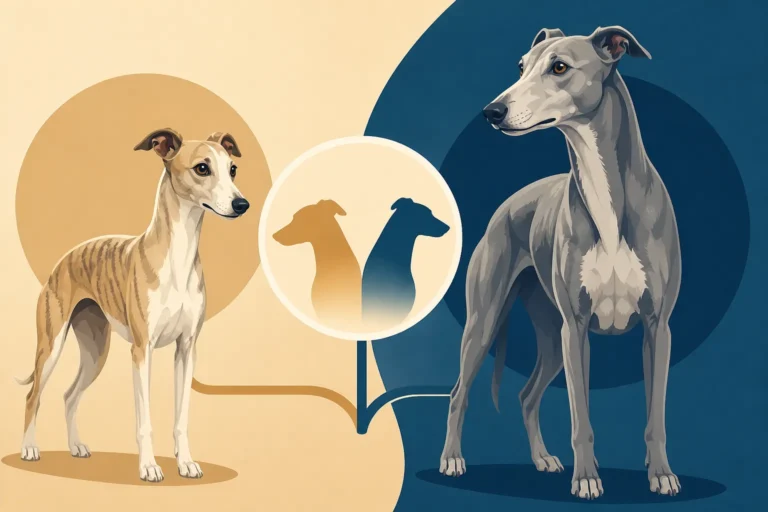
With formal recognition and the rise of dog shows, a natural divergence began to occur within the breed. Some breeders continued to prioritize the Whippet's original purpose: speed and performance on the track. These "racing lines" focused on maintaining the explosive power, agility, and drive that made them champions in coursing and track events. Dogs from these lines might exhibit a more athletic, perhaps less "refined," build in terms of show ring aesthetics, but they were undeniably fast.
On the other hand, "show lines" emerged, with breeders meticulously selecting for conformity to the written breed standard, emphasizing elegance, specific proportions, and a calmer temperament suited for the show ring and family life. While these dogs still possessed inherent sighthound speed, their primary goal wasn't to win races but to excel in conformation events. This split is quite common in many breeds that have both working and show histories, and The Split Between Racing and Show Whippets offers a deeper look into this fascinating development. Today, a Whippet can still be found thriving in both worlds, a testament to the versatility bred into them from their very beginnings.
International Appeal: Spreading Beyond Britain
It wasn't long before the Whippet's charms reached beyond the shores of Great Britain. The breed's quiet nature, manageable size, and stunning athleticism made it appealing to dog lovers in other countries. The Whippet made its way across the Atlantic, gaining popularity in America where it was recognized by the American Kennel Club (AKC) in 1888, even before its English counterpart. American enthusiasts, many of whom were also working in industrial centers, embraced the breed for similar reasons as their British counterparts.
From America, and through various breeding programs, the Whippet's elegant silhouette and endearing personality spread throughout Europe and eventually worldwide. Today, you'll find Whippets gracing homes, competing in a myriad of dog sports, and earning championship titles on every continent. Their journey from a coal miner's companion to an international sensation is truly remarkable, showcasing how a dog bred for specific, humble purposes can evolve to capture the hearts of a diverse global audience. How the Whippet Reached America offers insight into this global spread.
The Enduring Legacy of Their Origins
Even as the modern Whippet enjoys a life of comfort on plush beds and in loving homes, the echoes of its hardscrabble origins resonate in nearly every aspect of its being. Understanding this deep-seated history isn't just a fun fact; it's essential for providing the best possible care and appreciating the nuances of these wonderful dogs.
Temperament Shaped by History
The Whippet's temperament is a beautiful paradox, directly shaped by its dual history as a hunter/racer and a beloved house dog. On one hand, they are incredibly gentle, affectionate, and calm companions indoors – often referred to as "40 mph couch potatoes." This calm demeanor was crucial for a dog that needed to live quietly within a small, bustling family home without demanding constant attention or being destructive. Their ability to switch off and rest, sometimes for 18-20 hours a day, allowed them to conserve energy for explosive bursts of activity.
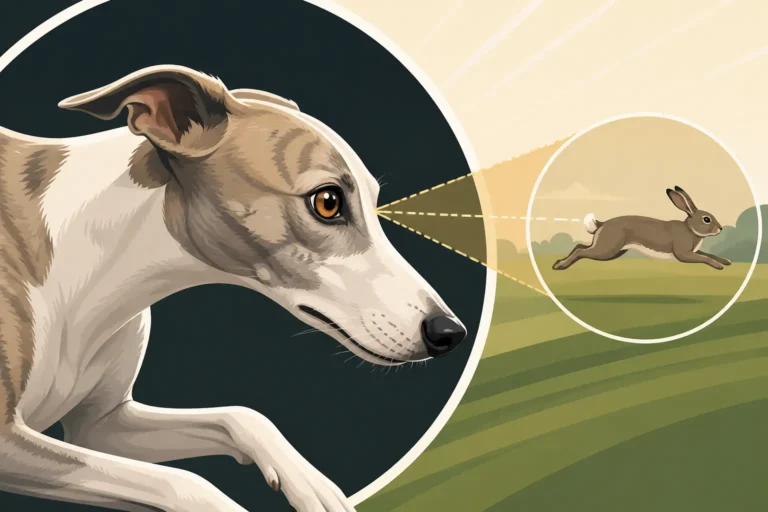
On the other hand, their ancestry as keen hunters and racers means they possess an incredibly strong prey drive and an instinct to chase. This manifests as that sudden darting after a squirrel in the park or their sheer joy in a good game of fetch. While they are sensitive dogs who respond best to gentle, positive reinforcement, their deep-seated chasing instinct is something owners must always be aware of, especially when considering off-leash freedom. Why a Whippet Cannot Be Let Off Leash in an Open Field highlights the importance of this historical trait in modern management.
Physical Traits That Tell a Story
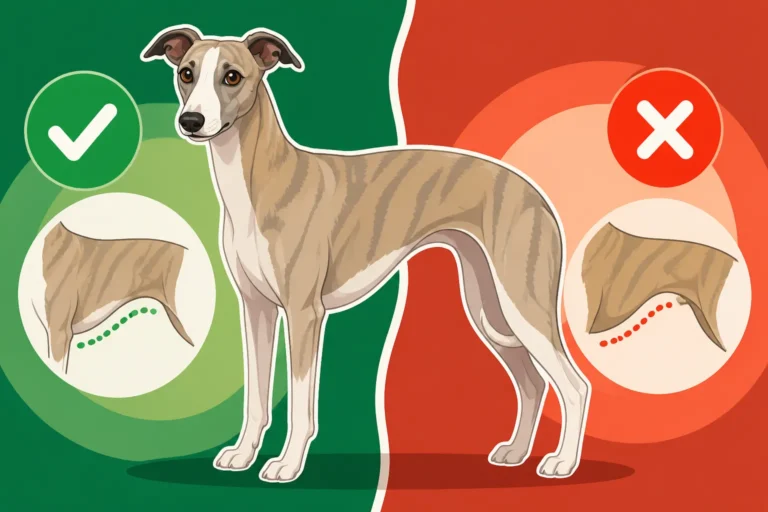
Every physical characteristic of a Whippet tells a story about its origins. Their lean, muscular physique, with a deep chest for lung capacity and a famously arched back (or "roach"), is a perfect example of a body built for speed and agility over short distances. This conformation allows for maximum extension and contraction, making them incredibly efficient sprinters. You can almost see the history of the rag race in their streamlined form.
Their thin skin and fine, short coat, which offer almost no insulation or padding, are also direct links to their past. While this makes them prone to skin tears and susceptible to cold, it reflects a time when they primarily lived indoors with their families, benefitting from body heat, and were not expected to withstand harsh outdoor elements for extended periods. This lack of natural padding also makes soft, well-cushioned beds a necessity in modern homes, which you can easily find on platforms like Chewy, ensuring they don't develop pressure sores. Similarly, a good collection of coats and sweaters becomes less of a luxury and more of a requirement for many Whippets, again, easily sourced from retailers like Chewy, especially for outings in chilly weather. A Whippet Has No Insulation and No Padding explores this in detail. Even their delicate, rose-shaped ears and intelligent, keen eyes speak to a breed that was always alert and ready to spot distant movement.
Why Understanding Their Roots Matters Today
For any Whippet owner, new or experienced, a grasp of the breed's history is incredibly valuable. It helps you understand why your Whippet might be shivering on a cool day, why they might launch themselves after a rabbit despite your best recall efforts, or why they cherish their cozy bed above all else. It contextualizes their unique needs for warmth and soft bedding and explains their profound love for a good sprint followed by an even better nap. When looking for food for your athletic companion, consider performance diets available at stores like Chewy, which can help support their high energy bursts, even if they spend most of their day napping.
Understanding their origins fosters greater empathy and allows you to provide an environment that truly caters to their instincts and physical requirements. It helps you manage their prey drive safely, appreciate their need for comfort, and celebrate their incredible athleticism. It’s a reminder that beneath the elegant exterior of your beloved Whippet lies the heart of a working-class champion, a dog shaped by ingenuity, necessity, and the enduring bond between humans and their canine companions.
Disclaimer
This article is for general informational purposes only and does not constitute professional advice. Laws, prices and regulations vary by location and change over time. Consult a qualified professional for guidance on your specific situation.