Rag Racing and the Week’s Wages Riding on a Whippet
The image of a sleek, elegant Whippet lounging gracefully on a plush sofa is a familiar one to most owners today. We adore them for their incredible speed, yes, but also for their calm demeanor indoors, their affectionate nature, and their uncanny ability to find the coziest spot. Yet, if we rewind time a couple of centuries, particularly to the industrial heartlands of Northern England, the Whippet was not bred for leisurely pursuits or Instagram fame. Instead, this remarkable little sighthound was a vital part of working-class life, deeply intertwined with the grueling existence of miners and mill workers. Many wonder about the true origins of this "poor man's racehorse" and how their very survival often hinged on a sport called rag racing. This guide will take you back to those gritty origins, exploring the desperate stakes, the raw excitement, and the enduring legacy of a sport that shaped the Whippet as we know it.
The Birth of a Working-Class Champion: Whippets and the Coalfields
Imagine life in the coalfields and textile towns of 19th-century Britain. Long hours, dangerous conditions, meager wages, and often, little hope for upward mobility. In this harsh reality, a dog wasn't just a pet; it was often a tool, a companion, and sometimes, a lifeline. The Whippet emerged from this crucible, a testament to human ingenuity and the enduring bond between people and their dogs.
Necessity as the Mother of Invention: Why Miners Bred Whippets
Miners and mill workers, scraping by on subsistence wages, couldn't afford the grand, aristocratic Greyhounds that graced the estates of the wealthy. But they yearned for the thrill of the chase, the excitement of competition, and perhaps, a small chance to supplement their paltry income. This need led to the creation of a smaller, more manageable sighthound – the Whippet. These were not dogs bred for aesthetic standards or fancy pedigrees initially. They were bred for speed, agility, and a keen prey drive. The goal was to create a dog that could hunt small game like rabbits for the pot, provide a burst of joy in a monotonous life, and, crucially, earn its keep on the impromptu race tracks. It was a practical endeavor born of necessity. The genetic blend that produced these early Whippets often involved smaller Greyhounds, and sometimes, even terriers, to infuse a bit of grit and tenacity into their delicate frames, resulting in a dog perfectly suited to both the hunt and the sprint. You can delve deeper into this lineage by reading How Miners Built the Whippet From a Greyhound They Could Afford.
The Miners' Companion: More Than Just a Racer
Beyond the track and the hunt, the Whippet held an indispensable place in the miners' homes. These dogs were not relegated to outdoor kennels; they were integral family members, sharing beds and hearths with their human companions. In the cold, damp cottages of the industrial north, a Whippet offered warmth and comfort, burrowing under blankets alongside its owner. They were quiet, undemanding companions during the long, dark hours when the men were in the pits or the women toiled in the mills. This close proximity fostered a deep bond, a mutual reliance that transcended simple ownership. The Whippets provided quiet comfort, a furry hot water bottle on a cold night, and a distraction from the harsh realities of daily life. This intimate living arrangement is why modern Whippets are so incredibly well-adjusted to indoor life and are known for their affectionate, cuddly nature. It’s part of their DNA. If you’ve ever wondered about this unique bond, exploring The Whippets Miners Carried to Work offers more insight. This heritage also explains Why a Whippet Slept in the Family Bed.
What Was Rag Racing? Understanding the "Lightning Rag Dog"
Rag racing was the original sport of the Whippet, an exhilarating and often chaotic spectacle that drew crowds and fueled dreams. It was a stripped-down, raw form of racing, perfectly suited to the working-class communities that created it.
The Simple Setup: Lures, Tracks, and Spectators
Unlike the grand, purpose-built tracks for Greyhounds, Whippet rag racing was an informal affair. Races took place on open fields, stretches of common land, or even cobbled streets, wherever a straight line could be marked out. The "lure" was often nothing more than a rag or handkerchief, tied to a string and pulled rapidly by the owner or a designated helper. The course itself was typically short, usually around 200 yards, a distance that allowed the Whippet to reach its phenomenal top speed in a burst. Imagine the scene: a makeshift track, perhaps two lines of rope or simply a clear path through the grass, lined with enthusiastic spectators. The simplicity was key; it required minimal equipment and could be set up almost anywhere, making it accessible to anyone with a fast Whippet and a desire to compete. The essence of the race was pure, unadulterated speed, a chase instinct honed over generations. For a deeper dive into the mechanics of these early races, check out How a Whippet Rag Race Was Run.
The Race Itself: Speed, Agility, and the Finish Line Call
The excitement was palpable as the Whippets were lined up, often held by handlers or even their owners, straining at the leash. At the signal, the dogs were released, tearing down the track after the fluttering rag. The owners at the finish line would wave another cloth, or shout and call out, enticing their dogs with familiar voices and movements to drive them across the finish. This practice of "waving the rag" was crucial, as it tapped into the Whippet's deep bond with its owner and its intense prey drive. It wasn't just about chasing a lure; it was about reaching their beloved person, who held the tantalizing prize. The sprint was breathtakingly fast, a blur of motion as these "lightning rag dogs" covered the ground with incredible efficiency. Every muscle, every sinew, was engaged in the pursuit. It was a pure display of athletic prowess, a moment where the drudgery of daily life melted away, replaced by the thrill of the chase and the hope of victory. Learn more about this crucial interaction by exploring Why Whippet Owners Waved Cloth at the Finish Line and The Older Name Snap Dog for the Whippet.
The Stakes Were High: Betting the Week's Wages
For many, rag racing was far more than a recreational pastime; it was a high-stakes gamble, a desperate attempt to gain a financial edge in an otherwise unforgiving world. The outcomes of these races could profoundly impact a family's well-being.
A Desperate Wager: Risking Everything on Four Paws
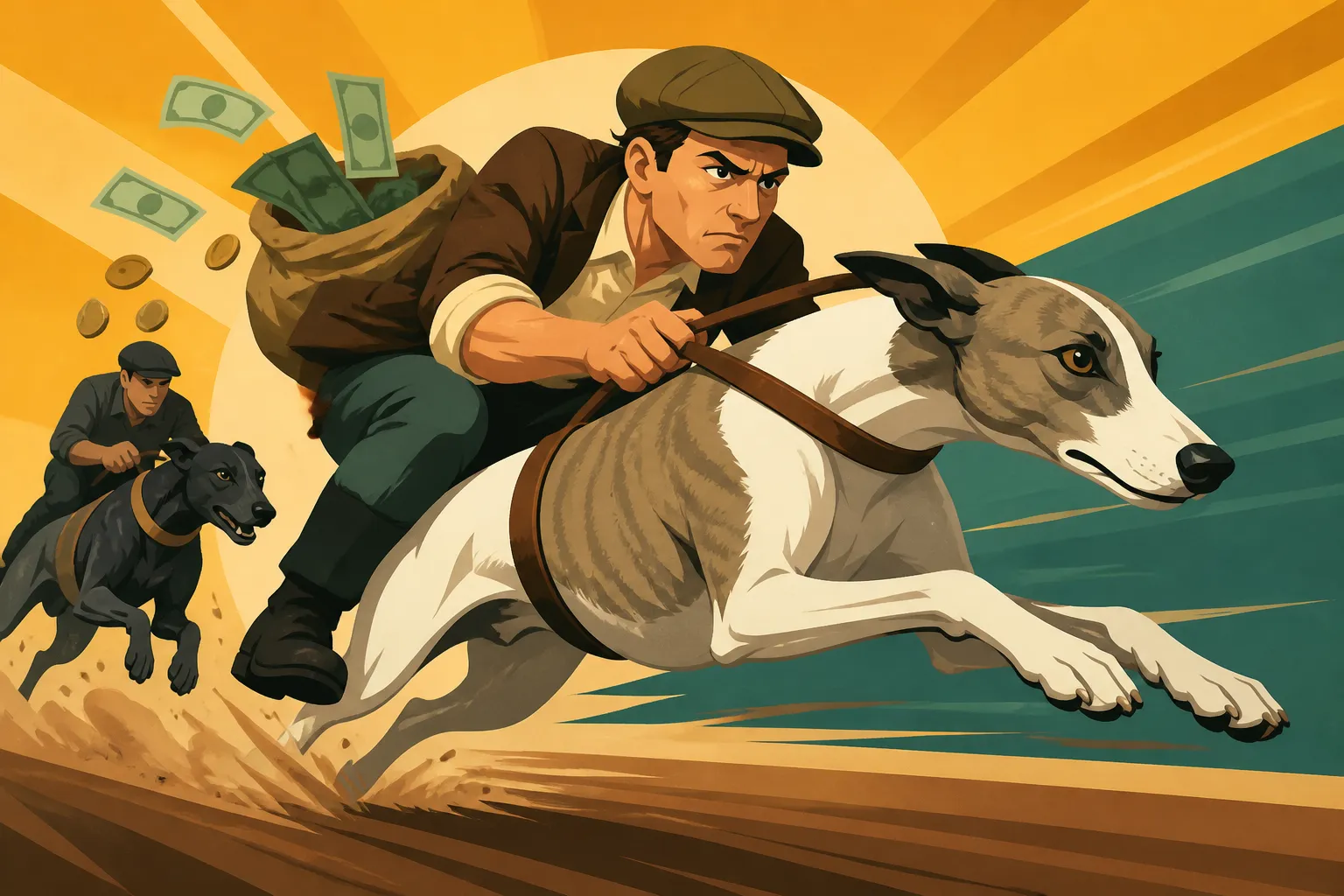
In communities where poverty was widespread and wages were barely enough to cover necessities, betting on a Whippet race offered a tantalizing, albeit risky, opportunity. A miner might place his entire week's wages on his prized dog, hoping for a win that could mean food on the table, a new pair of boots, or a temporary reprieve from debt. The weight of these wagers created an intense atmosphere around the races. Imagine the desperation, the hope, the sheer nerve it took to risk everything on the speed of an animal. The winnings, though often modest by today's standards, could be life-changing for families living on the brink. This aspect of the sport highlights the immense pressure and significance placed upon these dogs and their performance. Knowing How Much a Winning Whippet Was Worth sheds light on the economic impact these races could have.
The Ethical Dilemma: Temptations and Race Fixing
With such high stakes, it was inevitable that ethical compromises sometimes occurred. The temptation to "fix" a race, to ensure a certain outcome through illicit means, was a dark undercurrent to the sport. This could involve anything from doping a rival dog to deliberately distracting a competitor's Whippet at the start. While most races were run honestly, the rumors and occasional confirmed instances of fixing added another layer of tension and suspicion to the proceedings. The close-knit communities also meant that reputations were on the line, and accusations of foul play could lead to serious rifts. These incidents, while unfortunate, underscore just how much was riding on these races for the individuals involved. The integrity of the sport was a constant battle against the crushing pressure of poverty and the lure of easy money. For more on this darker side, consider reading The Fixing of Whippet Races.
Training and Conditioning: A Whippet's Path to the Track
Even in those humble beginnings, the success of a rag racer wasn't purely by chance. Owners understood the need to nurture their Whippets' natural abilities, even if their methods were rudimentary by modern standards.
Building the Athlete: Diet and Exercise Regimens
Without the benefit of specialized veterinary nutrition or readily available performance supplements that we can order today from places like Chewy, early Whippet owners relied on common sense and observation to condition their dogs. A racing Whippet needed to be lean, strong, and incredibly fit. Their diet would have been simple, often sharing whatever meager food was available to the family, perhaps supplemented with scraps from the table. Exercise was paramount. These dogs would have been walked extensively, and given opportunities to sprint in safe, open spaces. The goal was to build explosive power and stamina suitable for short, intense bursts of speed. Despite the lack of scientific understanding, these owners intuitively grasped the importance of a dog's physical condition for peak performance, ensuring their Whippets were always ready to perform when called upon. For more on how these dogs were prepared, look into How Whippets Were Conditioned Before Racing.
Natural Instincts: Tapping into the Prey Drive
The genius of rag racing lay in its simplicity: it appealed directly to the Whippet's inherent sighthound nature. These dogs are hardwired to chase anything that moves quickly. Training for rag racing wasn't about teaching complex commands; it was about harnessing and amplifying this natural prey drive. Owners would spend time playing with their dogs, using rags or small objects to stimulate their chasing instincts. The Whippet’s entire being is geared towards the pursuit of movement – their keen eyesight, their flexible spine, their powerful hindquarters – all contribute to this ancient drive. This is why, even today, a Whippet’s chase instinct can override almost everything else, including a solid recall, particularly if a squirrel or rabbit catches their eye. Understanding this deep-seated instinct is key to understanding the breed, and topics like Why a Whippet's Chase Instinct Overrides Its Recall are still incredibly relevant for modern owners.
The Race Day Experience: Excitement, Tensions, and the Finish Line
Race day was a spectacle, a break from the monotony of daily life, filled with a potent mix of camaraderie, tension, and raw emotion. For many, it was the social highlight of their week.
The Atmosphere: Crowds, Cheers, and Betting Rings
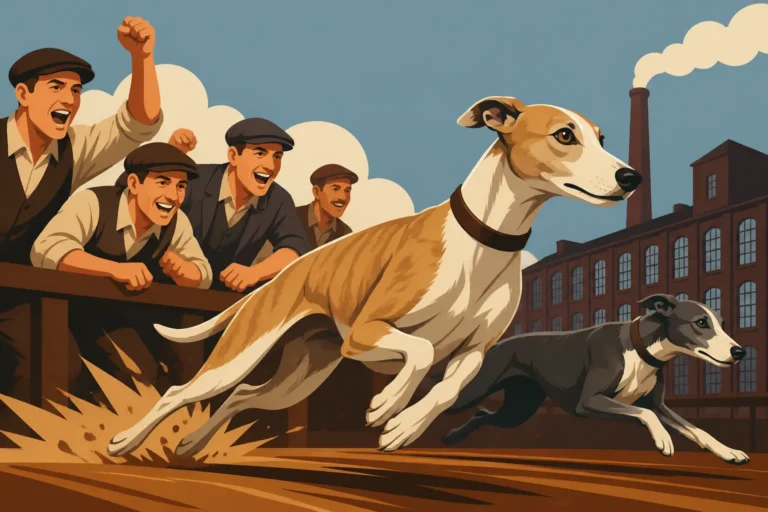
The scene on a rag racing day was a vibrant, bustling hub of activity. Crowds would gather, often families, friends, and neighbors, creating a carnival-like atmosphere. The air would be thick with anticipation, the buzz of conversation, and the excited barking of dogs. Informal betting rings would form, with men exchanging coins and whispered promises, each convinced their dog was the fastest. Despite the legality of these gatherings sometimes being questionable, especially in earlier times, they were an undeniable part of community life. The sense of shared experience, the collective hope, and the thrill of watching these magnificent athletes perform cemented rag racing's place in the cultural fabric of these working towns. It was a space where status blurred, and all were united by the love of the sport and the potential for a win. Understanding The Legality of Early Whippet Racing can add context to these gatherings.
Weighing In: The Handicap System
To ensure fair competition and maintain interest, a system of handicapping was often employed. This meant that dogs weren't just raced against others of similar size or perceived speed; sometimes, adjustments were made based on their weight or previous performance. Heavier dogs might be given a slight head start, or lighter, faster dogs might carry a small amount of additional weight. This system was vital in keeping races competitive and exciting, preventing one dominant dog from winning constantly and driving away other participants. It also required a degree of honesty and agreement among the owners, adding to the communal aspect of the sport. The process of Why Whippets Were Weighed Before a Race was a serious ritual, reflecting the meticulous attention paid to fairness in a context where so much was at stake.
The Decline of Rag Racing and the Whippet's Evolving Role
Like many informal traditions, rag racing eventually faded, supplanted by more organized sports and changing societal norms. However, its decline paved the way for the Whippet to assume new roles and continue its journey as a beloved breed.
Shifting Times: The Rise of Organized Sports and Legislation
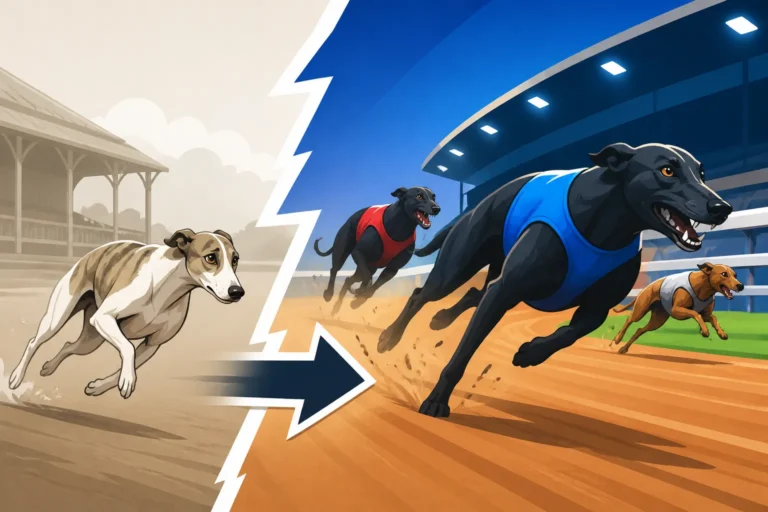
As the 20th century dawned, society began to change. Industrialization continued, but with it came social reforms, increasing leisure time for the working class, and the rise of formalized sporting events. Greyhound racing, with its professional tracks and pari-mutuel betting, gained popularity, offering a more structured and regulated form of sighthound sport. Legislation also began to impact informal gatherings and gambling. The impromptu nature of rag racing, once its strength, became a weakness as the world became more organized. People had more options for entertainment, and the desperate need to gamble on dog races for survival slowly receded. The transition was gradual, but inexorable, as documented in articles like How Greyhound Tracks Replaced Whippet Racing. The simplicity that once defined it ultimately couldn't compete with the burgeoning entertainment industry.
From Pits to Pedigrees: The Whippet in the Show Ring
With the decline of rag racing, the Whippet's role began to shift dramatically. Breeders, enthusiasts, and eventually kennel clubs recognized the breed's unique beauty, elegance, and amiable temperament. The focus moved from raw speed on a rag track to conformation, breeding for specific physical characteristics outlined in a breed standard. Whippets started appearing in dog shows, admired for their graceful lines, athletic build, and gentle nature. This transition marked a significant turning point, elevating the Whippet from a working dog of the common people to a respected show dog and beloved family companion. This shift also meant that breeding decisions became centered on aesthetics and temperament rather than solely on racing prowess. To understand how this transformation happened, exploring How the Show Ring Refined the Whippet provides valuable context.
Legacy and Lasting Impact: How Rag Racing Shaped the Breed
Though rag racing is largely a historical footnote, its influence on the Whippet breed is profound and undeniable. The traits honed on those impromptu tracks continue to define the Whippet we know and love today.
Enduring Traits: Speed, Affection, and Resilience
The Whippet of today still possesses the incredible speed that made it a "lightning rag dog." While few modern Whippets chase rags for their owner's wages, that explosive burst of speed and agile turning ability remains a hallmark of the breed, thrilling us in lure coursing events or just in a joyous backyard zoomie session. Beyond speed, the close living conditions with miners fostered a deep-seated affection and desire for human companionship. Modern Whippets are renowned for their loving, gentle nature, their tendency to "burrow" under blankets, and their strong bond with their families. This historical connection to human warmth and security is why they thrive as house dogs. Furthermore, their resilience, developed from living through harsh conditions, is evident in their generally robust health and adaptable nature. Even their quirky habit of refusing to go out in inclement weather, discussed in The Whippet That Will Not Toilet in the Rain, can be seen as a legacy of prioritizing warmth and comfort in less forgiving times. The Whippet truly embodies the paradox of being The Whippet Is a Forty Mile an Hour Couch Potato, capable of immense speed yet utterly content to snuggle on the sofa.
A Reminder of Heritage: Understanding Our Whippets Today
Understanding the Whippet's rag racing heritage is crucial for any owner. It helps us appreciate their instincts, their quirks, and their enduring need for both bursts of activity and ample opportunities for rest and snuggles. When your Whippet gazes intently at a fluttering leaf, you're seeing a direct link to those ancestral hunting and racing days. When they cuddle close under a blanket, you're experiencing the comfort they provided to a miner coming home from a cold pit. This history explains why they are not typically guard dogs, why they are so sensitive to harsh correction, and why they thrive in the warmth and security of a loving home. They were, and still are, dogs built for companionship as much as for speed. Recognising The Household a Whippet Was Built For helps us provide the best possible environment for them, honoring their past while celebrating their present. Even simple acts like keeping a warm coat handy, perhaps one you purchased from a convenient online retailer like Chewy, harks back to their need for warmth in their earliest days.
| Feature | Historical Rag Racing (19th-early 20th Century) | Modern Lure Coursing / Fast CAT (Today) |
|---|---|---|
| Purpose | Economic necessity, entertainment, food hunting | Sport, entertainment, breed preservation |
| Track/Venue | Informal fields, common land, cobbled streets | Purpose-built enclosed fields, licensed venues |
| Lure | Rag or handkerchief on a string, owner's call | Plastic bags on a mechanical line |
| Stakes | High, often entire week's wages, basic survival | Ribbons, titles, bragging rights, enjoyment |
| Regulation | Informal, community-based, variable | Formalized rules (AKC, ASFA, NOTRA), judging |
| Equipment | Basic leash, possibly makeshift blankets | Muzzles, racing blankets, specialized collars |
| Dog's Role | Working partner, family member, competitor | Athletic companion, show dog, family pet |
| Accessibility | Working-class communities | Accessible to a wide range of enthusiasts |
Disclaimer
This article is for general informational purposes only and does not constitute professional advice. Laws, prices and regulations vary by location and change over time. Consult a qualified professional for guidance on your specific situation.