The Year the Kennel Club Recognized the Whippet
It's easy to look at our sleek, elegant Whippets today and assume they've always been celebrated, gracing show rings and charming families with their gentle demeanor. But the truth is, this breed has a rich, gritty history rooted in the working-class communities of England, and their journey to formal recognition by the Kennel Club was a significant turning point, bringing them from the rough-and-tumble world of informal racing to the hallowed halls of pedigree dogdom. This guide will delve into that pivotal moment, exploring the Whippet's origins, the forces that led to its official acceptance, and the profound impact this recognition had on the breed we cherish today.
Before the Benches: The Whippet's Humble Origins
Long before fancy rosettes and championship titles, the Whippet was a dog of the people, bred by miners and millworkers in the industrial heartlands of England. They weren't born of aristocratic kennels, but rather emerged from a necessity for speed, companionship, and a little sporting thrill after a long week in the collieries. Their early existence was far from the pampered life many enjoy now; it was a testament to their resilience and the ingenuity of their working-class breeders.
The Workingman's Companion: Rag Racing and Poaching
Imagine the scene in the late 19th century: dusty coalfields, bustling textile mills, and men looking for a brief escape from grueling labor. This is where the Whippet truly shone. These dogs were their owners' companions, often sleeping by the fire, sharing meager rations, and proving their worth in clandestine sports. One of the most popular pastimes was "rag racing," where a Whippet would chase a rag across an open field, often with a week's wages riding on the outcome. It was a spectacle of speed, agility, and fierce competition, providing much-needed excitement and a chance for owners to prove whose dog was the fastest. Rag Racing and the Week's Wages Riding on a Whippet offers a deeper dive into this fascinating part of their history.
Beyond the track, these lean, muscled hounds were also invaluable in providing for their families. They were adept at "snap dog" contests, designed to see which dog could snap up and kill the most rabbits in a confined space. More commonly, they were silent, swift partners in poaching, helping their owners secure fresh meat for the table, a vital contribution when food was scarce. Their ability to hunt by sight and remain quiet made them perfect for this illicit but often necessary activity. They were indeed "the poor man's racehorse," and their usefulness extended far beyond mere sport. The Poor Man's Racehorse: Whippets in the Northern Coalfields further illustrates this intrinsic connection between the breed and its working-class owners.
A Breed Without a "Pedigree": Early Whippet Identity
In these early days, the concept of a "pedigree" as we understand it today was largely irrelevant to the average Whippet owner. What mattered was performance – how fast the dog could run, how keen its sight was, and how well it integrated into family life. Breeding was often practical, focusing on desired traits like speed and temperament, rather than adherence to a written standard or elaborate lineage. The Whippet emerged from a blend of various sighthound types, likely small Greyhounds, and possibly terriers, as explored in How Miners Built the Whippet From a Greyhound They Could Afford. This blend contributed to their unique combination of speed, resilience, and manageable size, making them ideal for the cramped living conditions of the industrial towns.
The dogs were simply known as "snap dogs" or "whippet dogs," with no formal registry or official name. Their identity was forged in the coal dust and the thrill of the chase, deeply embedded in the cultural fabric of their communities. While some breeders kept informal records, there was no centralized system to track their ancestry, nor was there a consistent ideal "look" beyond what was functional for their specific purposes. This informal evolution meant that while the dogs were clearly a distinct type, they lacked the formal recognition that would eventually propel them into wider acceptance and breed preservation efforts.
The Push for Recognition: From Fields to Formalities
As the Victorian era progressed, dog fancy began to formalize. What had once been regional competitions and local pride slowly started to coalesce into national organizations with official registries and breed standards. For the Whippet, this meant a transition from being a beloved local utility dog to a contender for formal classification. This shift was not without its challenges, as the breed's humble origins initially worked against it in the often-snobbish world of dog shows.
Early Fanciers and the Desire for Legitimacy
The gradual establishment of dog shows and kennel clubs across Great Britain provided a new avenue for dog enthusiasts. While many saw the Whippet as a working dog, a growing number of fanciers recognized its elegant lines, gentle nature, and athletic prowess, believing it deserved a place among the more "fashionable" breeds. These early proponents weren't necessarily the miners themselves, but rather individuals from various backgrounds who saw the potential for the Whippet to transcend its working-class roots. They began the arduous task of gathering evidence of the breed's consistency, advocating for its recognition, and showcasing its unique qualities.
This was a time when defining breeds was still a relatively new concept, and convincing a formal body like the Kennel Club that a "rag-racing" dog had sufficient distinctiveness and a stable enough type to be a recognized breed was a significant undertaking. It involved more than just presenting a few nice examples; it required demonstrating that the Whippet reproduced consistently, possessed a unique set of characteristics, and had a dedicated following committed to its future preservation. These early fanciers essentially became the breed's first champions in the formal sense, laying the groundwork for its acceptance.
Establishing a Standard: What a Whippet Should Be
A crucial step towards formal recognition was the development of a breed standard. Up until this point, what constituted a "good" Whippet was largely subjective, based on its performance in racing or hunting. For the Kennel Club, a written standard was essential – a detailed description of the ideal physical characteristics, temperament, and movement that defined the breed. This document would serve as the blueprint for breeders and judges, ensuring consistency and guiding the breed's development.
Drafting this standard was a collaborative effort, requiring careful observation of existing Whippets and a consensus on what traits were most desirable and representative. It defined everything from head shape and ear set to topline, angulation, and tail carriage. This process forced fanciers to look beyond mere speed and consider the breed's overall conformation and aesthetic appeal. It also marked a move towards a unified vision for the Whippet, helping to solidify its identity and distinguish it from other sighthound types. This period also saw the formalization of breeding practices, moving away from purely informal selections to more considered pairings aimed at producing dogs that met the emerging standard.
The Landmark Year: Kennel Club Recognition
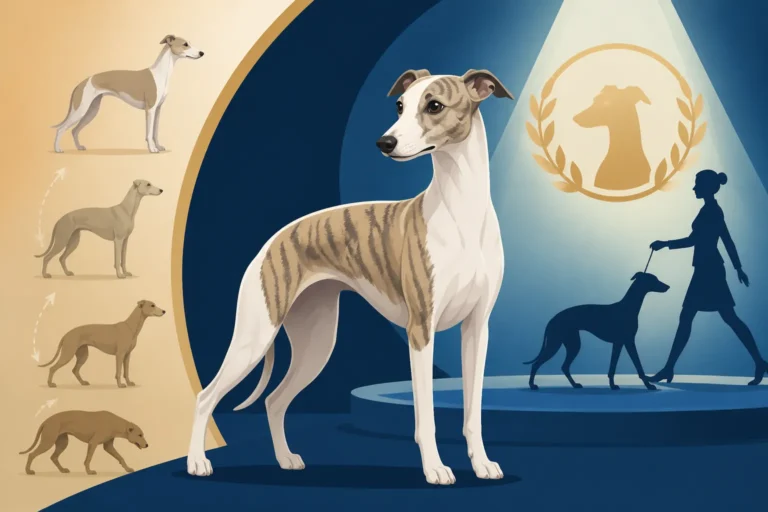
After years of informal breeding and grassroots enthusiasm, the Whippet finally achieved its formal place in the dog world. This moment, when the Kennel Club officially recognized the breed, was a watershed event, signaling a new chapter for the Whippet and setting it on the path to becoming the cherished companion and show dog it is today.
1891: A New Era for the Whippet
The specific year that the Kennel Club in the United Kingdom officially recognized the Whippet was 1891. This was a monumental achievement for the breed and its dedicated fanciers. It meant that Whippets could now be registered, their pedigrees officially recorded, and they could compete for championship titles in the show ring, just like the more established breeds. This formal stamp of approval from the UK's leading canine governing body brought legitimacy and status to a breed that had historically been overlooked by the upper echelons of dogdom.
The recognition was not just a symbolic gesture; it opened doors to a world of organized breeding, showing, and record-keeping that would profoundly shape the Whippet's future. It meant that a Whippet's lineage could be traced, allowing breeders to make more informed decisions about mating pairs and to actively work towards improving the breed according to the established standard. This year marked the transition of the Whippet from a regional curiosity to a nationally recognized breed with a bright, formal future ahead.
Why Recognition Mattered for the Breed
For the Whippet, Kennel Club recognition was akin to being invited to the main stage after years of performing in the local pubs. It validated the breed's existence and importance, giving it a platform for wider appreciation. Firstly, it spurred the development of more formal breeding programs. With a standard in place and the ability to register dogs, breeders could now focus on consistently producing Whippets that conformed to the ideal type, preserving their health and unique characteristics. This structured approach to breeding was crucial for the long-term viability of any breed. The Health Tests Both Whippet Parents Should Have became more relevant in this context, even if formally implemented much later.
Secondly, recognition brought increased visibility. Whippets could now be seen and admired by a much broader audience at dog shows, increasing their popularity as companion animals. This exposure helped to solidify their reputation not just as speedy racers but as elegant, gentle, and adaptable dogs suitable for family life. The formal structures also meant that information about the breed, including its history and care, could be more widely disseminated, educating potential owners and fostering responsible ownership. This recognition truly marked the beginning of the Whippet's journey from a working dog to a beloved household member, a journey that continues to this day, with resources like Chewy providing everything a modern Whippet owner might need.
| Event | Significance |
|---|---|
| Pre-1891 | Informal breeding, rag racing, poaching. No official standard or registry. |
| 1891 (Kennel Club, UK) | Official Recognition: Whippets could be registered, shown, and pedigrees tracked. Led to formal breed standard. |
| 1891 onwards | Increased visibility, formal breeding programs, focus on conformation and temperament. |
The Immediate Aftermath: Whippets in the Show Ring
Once recognized, the Whippet quickly found its footing in the burgeoning world of dog shows. This new arena brought both opportunities and challenges, influencing the breed's development in ways that continue to be felt today. The focus shifted, at least in part, from pure utilitarian speed to aesthetic ideals, leading to distinct lines within the breed.
The Rise of the Show Whippet
With Kennel Club recognition, the Whippet began to appear regularly on the benches of dog shows across the UK. Breeders now had a clear standard to aim for, and the competitive nature of the show ring encouraged the selective breeding of dogs that most closely embodied that ideal. This led to a refining of the Whippet's appearance, emphasizing its elegant lines, graceful movement, and refined head. Early show Whippets were often quite exquisite, capturing the attention of judges and the public alike.
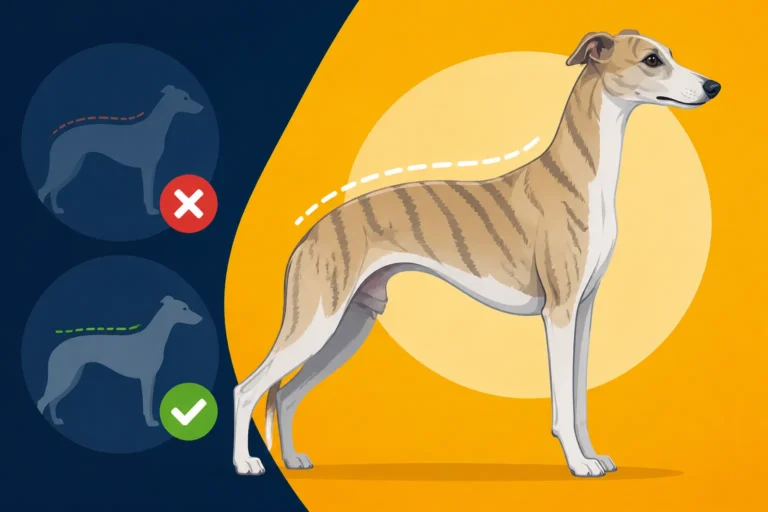
The show ring provided a platform for breeders to gain recognition for their efforts and for the breed itself to demonstrate its beauty and conformation. It also meant a different kind of "winning" – not just the fastest dog in a field, but the one deemed most perfect according to the written standard. This new focus helped to elevate the Whippet's status, drawing in fanciers who appreciated its artistic form as much as its athletic function. Many Whippet owners still debate the nuances of the standard, whether it's about the arch of the back or the precise angulation, and platforms like Chewy carry countless books and guides on breed standards. What the Whippet Standard Says About the Arch delves into one such specific conformation point.
Divergence from Working Lines
As the show Whippet gained prominence, a subtle but significant divergence began to occur between dogs bred primarily for conformation and those still bred for racing and working ability. While the early show dogs often came from the same athletic stock, the priorities in breeding started to shift. Show breeders focused on exaggerated elegance, specific proportions, and temperament suited to the show ring, while those still involved in informal racing continued to prioritize raw speed and prey drive.
This split was a natural consequence of the different goals of each type of breeder. A dog perfectly suited to winning in the ring might not always be the fastest on the track, and vice-versa. While many Whippets still possess an incredible turn of speed, the emphasis in show lines became more about maintaining a consistent, aesthetically pleasing type. The Split Between Racing and Show Whippets provides more context on this fascinating aspect of the breed's history, highlighting how different pressures shaped the breed over time. It's a reminder that while the Kennel Club recognized one "Whippet," different interpretations and breeding philosophies continued to evolve.
The Global Picture: Whippets Beyond the UK Kennel Club
The recognition of the Whippet by the UK Kennel Club was a foundational step, but the breed's appeal quickly spread beyond British shores. Other national kennel clubs followed suit, each contributing to the Whippet's global presence and slightly influencing its development within their respective regions.
American Kennel Club Recognition
Following its success and growing popularity in the United Kingdom, the Whippet soon captured the attention of dog fanciers across the Atlantic. The American Kennel Club (AKC), the primary registry for purebred dogs in the United States, officially recognized the Whippet a few years later. The year the AKC recognized the Whippet was 1888. This earlier recognition in the US, before the UK, highlights how different organizations could independently assess and accept breeds based on their own criteria and the advocacy of local enthusiasts. The Year the AKC Recognized the Whippet offers specific details on this event.
This dual recognition by major kennel clubs on both sides of the Atlantic solidified the Whippet's status as a distinct and valued breed internationally. It meant that American breeders could also register their Whippets, participate in AKC-sanctioned shows, and contribute to the breed's preservation and development within the American context. The AKC's standard, while largely aligning with the UK's, might have had subtle differences in interpretation, leading to minor variations in preferred type over the decades. Today, aspiring Whippet owners in the US can easily find resources and supplies through retailers like Chewy, whether they are looking for performance gear or cozy bedding.
International Standards and the Whippet's Appeal
Today, the Whippet is recognized by virtually every major international kennel club, including the Fédération Cynologique Internationale (FCI), which governs dog breeds across many countries in Europe, Asia, Africa, and the Americas. Each of these organizations typically maintains its own breed standard, though they often harmonize to ensure a consistent global understanding of the breed. These standards describe the ideal Whippet, encompassing its physical appearance, temperament, and movement.
The widespread international appeal of the Whippet is a testament to its enduring qualities: its striking athleticism, its compact size, and its gentle, affectionate nature. Whether it's the sleek racing dog of its origins or the elegant show champion, the fundamental characteristics that define the Whippet – speed, grace, and an undeniable charm – resonate with people worldwide. This global recognition has ensured the breed's continued popularity and allowed for a diverse gene pool, crucial for the long-term health and vitality of the Whippet. The breed's journey from the working-class fields of England to the international stage is a remarkable story of evolution and appreciation.
The Lasting Legacy of Recognition
The Kennel Club's decision to recognize the Whippet in 1891 was more than just a bureaucratic formality; it was a pivotal moment that cemented the breed's identity, guided its development, and ensured its survival and flourishing into the modern era. The structures put in place following that recognition continue to benefit Whippets and their owners today.
Preserving the Breed: Health and Type
One of the most significant legacies of formal recognition is the structured approach it brought to breed preservation. With a written standard, breeders had a clear goal: to produce Whippets that not only exemplified the breed's aesthetic and functional traits but also maintained its inherent health. Kennel clubs encourage responsible breeding practices, often mandating health screenings for hereditary conditions and promoting ethical breeding standards. This helps to protect the breed from genetic issues and ensures that future generations of Whippets remain healthy and true to type.
The focus on type, as defined by the standard, helps to maintain the Whippet's distinct characteristics. Without such a guide, breeding could become haphazard, potentially diluting the very traits that make a Whippet a Whippet. The standard acts as a living document, interpreted and refined by generations of breeders and judges, all working towards the common goal of producing the finest examples of the breed. This dedication to careful breeding ensures that the qualities admired in 1891 – the elegant arch, the powerful rear, the gentle eye – are still present in the Whippets we see today. Responsible breeders, found through organizations like the American Whippet Club, are key to this ongoing preservation.
The Whippet Today: A Beloved Companion
Today, the Whippet is cherished worldwide, celebrated for its unique blend of speed and serenity. They are renowned as "40-mph couch potatoes," capable of breathtaking sprints but equally content to curl up on the sofa for hours. Their gentle disposition makes them wonderful family pets, often getting along well with children and other animals. The Household a Whippet Was Built For really captures this dual nature. You'll find them excelling in a variety of canine sports beyond traditional racing, such as agility, obedience, and lure coursing, showcasing their versatility and intelligence.
The journey from the coalfields to the show ring and, ultimately, into our homes, is a testament to the Whippet's adaptability and enduring charm. The Kennel Club's recognition played a crucial role in elevating its status and ensuring its longevity. From humble beginnings as a workingman's dog, the Whippet has grown into a sophisticated yet still down-to-earth companion, proving that true elegance can emerge from the most practical of origins. The continued efforts of breed clubs and dedicated owners mean that the Whippet's legacy of grace, speed, and affection will undoubtedly endure for many more generations, with everyday needs easily met whether online via Chewy or local pet stores. Whether the Whippet Will Stay Popular is a question that, given their qualities, seems to have a clear answer.
Disclaimer
This article is for general informational purposes only and does not constitute professional advice. Laws, prices and regulations vary by location and change over time. Consult a qualified professional for guidance on your specific situation.