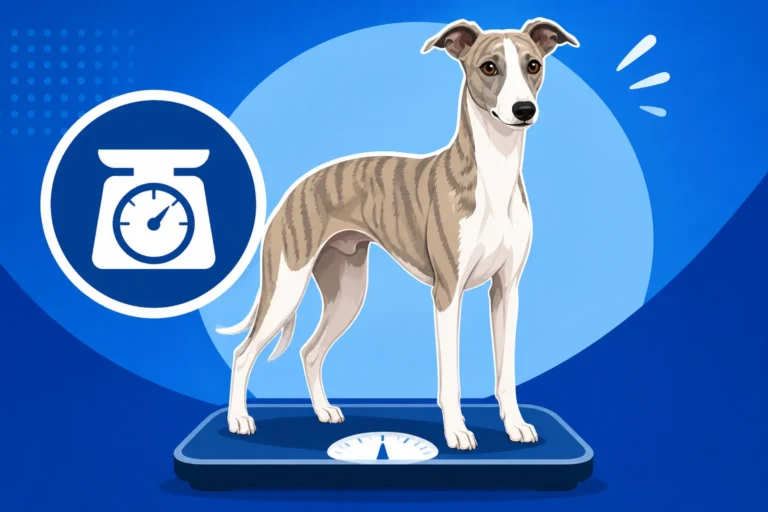
Whether a Whippet Is More Fragile Than a Terrier
A Whippet can look startlingly delicate beside a sturdy terrier, especially when its ribs show and its skin seems paper-thin. But “fragile” depends on what you mean: Whippets are more vulnerable to some cuts, cold, and high-speed mishaps, while terriers vary enormously in size and build. This guide explains the real differences and how to keep either dog safer.
What fragile means when comparing a Whippet and a terrier
Whippets are lean, not automatically unhealthy
A healthy Whippet is meant to have a lean outline, a deep chest, and little body fat. That lack of padding can make the dog feel bony and look unusually slight to someone used to a compact terrier. It does not, by itself, mean the Whippet is underfed or medically fragile. If you are unsure about your dog’s condition, ask a veterinarian to assess body condition rather than relying on a stranger’s reaction to visible ribs.
Whippets are built for short bursts of speed. Their long legs, flexible body, and athletic movement are part of that design. They can be powerful and fast, but a sprint, sharp turn, collision, or slip may expose them to a different set of risks than a dog built for close-to-the-ground work. A Whippet’s build is not a flaw; it simply calls for sensible choices about where and how the dog runs.
Terrier is a broad group, not one body type. A small, fine-boned terrier and a muscular, sturdy terrier may have very different needs. Some terriers have compact bodies and substantial muscle; others are lighter and more delicate than people expect. Comparing a Whippet to “a terrier” without naming the breed can therefore make the answer sound more definite than it really is.
Skin vulnerability is a real difference
Whippets have thin skin and a short, close coat. A scrape from rough ground or a tear from a sharp edge can look dramatic, even when the dog was only playing. The same kind of snag that leaves a thicker-coated dog with a small patch of missing fur might break a Whippet’s skin. If you want to understand the issue in more detail, see The Thin Skin That Sends a Whippet to the Vet for Stitches.
This does not mean every Whippet will be injured during ordinary play, or that every cut needs stitches. It means owners should pay attention to hazards such as wire, broken branches, sharp crate edges, and dense brush. For both dogs, clean play areas and well-maintained equipment matter; with a Whippet, checking the skin after a fast run or boisterous game is especially sensible.
Terriers can also get cuts, punctures, and scrapes. A rough coat may provide some protection from superficial scratches, but it does not make a dog injury-proof. Coat type, body size, terrain, and the way each dog plays all affect the outcome. A terrier that charges through brambles can be at risk, too, even if its skin is less exposed.
“Fragile” does not mean weak or unable to play
A Whippet can be an energetic, athletic dog and still need protection from certain hazards. The breed’s body is made for speed, but speed creates its own risks: a dog may overrun a turn, skid on wet grass, or collide with another dog. Terriers may be less streamlined and often play with a different style, but their determination and enthusiasm can also lead them into trouble.
The practical distinction is not that one breed should be wrapped in cotton wool while the other can do anything. It is that owners should match activities to each dog’s build and experience. A controlled run in a secure, open space is very different from a crowded dog park with uneven ground and unfamiliar dogs.
For more on why Whippets can be tougher than they look, read Why a Whippet Is Tougher Than It Looks. And for a closer look at the specific concern people often mean by “fragile,” Whether a Whippet Is More Fragile Than a Terrier is best understood as a comparison of risks, not a verdict that one breed is delicate in every situation.
How their bodies affect everyday risks
Whippet skin, coat, and body padding
A Whippet’s short coat and limited body fat provide less insulation and cushioning than many owners expect. That can make cold weather uncomfortable, and it can mean a hard floor or rough resting surface is less forgiving. It is worth giving a Whippet a soft, well-padded place to rest and using a coat when the weather and the individual dog call for one. A Whippet Has No Insulation and No Padding covers these everyday comfort needs in more detail.
A terrier’s coat may be longer, denser, or rougher, depending on the breed, and some terriers have more body substance. Those features can offer a bit more protection from cold or minor scrapes. They do not substitute for shelter, a comfortable bed, or attention to injuries. Nor should an owner assume every terrier is comfortable outdoors just because it looks sturdier.
If you are choosing a Whippet coat, fit matters as much as warmth. The garment should accommodate the deep chest without rubbing under the legs or restricting movement. A Whippet that shivers, curls tightly, or hesitates to go outside may be cold, but shivering can also have other causes. Take the whole situation into account rather than relying on a single sign. For basic coat or first-aid supplies, some owners compare options at a local pet shop or Chewy, checking fit and suitability rather than buying by appearance alone.
Speed, footing, and play style
A Whippet’s acceleration can turn a harmless chase into a high-speed event in seconds. On slippery grass, loose gravel, or uneven ground, a sudden change in direction can strain a muscle or cause a fall. Warming up with a few minutes of easy movement before a full sprint and letting the dog cool down afterward are simple habits that can help make exercise more controlled. Warming Up a Whippet Before It Runs and Cooling a Whippet Down After a Sprint offer useful guidance for those routines.
Terriers may be more likely to dig, wrestle, or push through obstacles, depending on the individual dog and breed. Those activities have their own risks: paw injuries, scrapes, and collisions are not exclusive to sighthounds. Two dogs of any breed can injure one another when play gets too rough, particularly when there is a large difference in size or enthusiasm.
A dog park is not automatically the best place for either breed to exercise. Observe the dogs already there, the surface, the fencing, and the space available to disengage. If your Whippet is repeatedly bowled over or your terrier gets overwhelmed by faster dogs, choose a quieter setting. A securely fenced area with familiar playmates is often easier to manage than an unpredictable group.
Bones and joints need sensible handling, not fear
Whippets have long, slender limbs, so an awkward landing or collision can be serious. Still, it is misleading to assume that a healthy Whippet’s bones are inherently brittle. Injury risk depends on factors such as age, conditioning, footing, the height of a jump, and whether the dog is still growing. A puppy should not be encouraged to leap from furniture or launch into repetitive, intense exercise before its body is ready.
Terriers are not immune to fractures or joint injuries. A small terrier can be hurt by a fall that a larger dog might shrug off, while a heavier, muscular terrier may place more force on its joints during a collision. Breed label alone cannot predict what will happen to an individual dog.
The goal is not to ban normal movement. It is to reduce avoidable hazards: discourage repeated jumping from high furniture, avoid slick floors where possible, and do not push a tired dog into another round of play. If a dog suddenly limps, refuses to bear weight, or shows obvious pain after a fall or collision, contact a veterinarian rather than trying to diagnose the injury at home. Whether a Whippet Breaks a Leg Running discusses why a running injury deserves attention.
| Concern | Whippet | Terrier |
|---|---|---|
| Skin cuts and scrapes | Thin skin and a short coat can leave skin more exposed | Coat and skin vary widely; rough play or brush can still cause injury |
| Cold and hard surfaces | Little body fat and a short coat can mean less insulation and padding | Depends on coat, size, and body condition |
| Fast turns and collisions | High sprint speed can make footing and space important | Risks depend on play style, size, and activity |
| Bone and joint injuries | Long limbs deserve sensible handling, especially during growth | Risk varies by breed, weight, age, and activity |
| Overall conclusion | Vulnerable to some specific hazards, but not weak by definition | Not automatically tougher; the terrier type matters |
How to make daily life safer without overprotecting your dog
Choose the right place and pace for exercise
For a Whippet, prioritize secure fencing whenever the dog is off leash. A strong chase response can overpower a reliable-looking recall, especially when a squirrel, rabbit, or fast-moving dog appears. Even a well-trained dog may not respond quickly once it is in full pursuit. Why a Whippet Cannot Be Let Off Leash in an Open Field explains why a safe running area matters more than confidence in a single cue.
For a terrier, the right setup depends on the breed and the individual. Some are keen chasers, some love to dig, and some are happiest playing close to their person. Keep an eye on what excites your dog and choose spaces that make it easier to manage that behavior. A secure yard is helpful, but check for gaps, unstable fencing, and objects that could snag skin or paws.
With either dog, pay attention to the surface. Wet grass, slick paths, and rough ground can turn normal play into a fall or scrape. Keep first runs short if your dog is returning to exercise after a break, and stop if movement becomes uneven or the dog seems unusually reluctant. A dog that is panting heavily, limping, or repeatedly sitting out of play needs a pause and, if symptoms persist or seem serious, veterinary advice.
Protect skin and provide comfortable resting spots
Check your dog after outdoor play, especially if it has run through brush or played near fencing. Part the coat where possible and look for bleeding, swelling, tenderness, or a small puncture hidden beneath fur. With a Whippet, the injury may be easier to spot because the coat is short, but it can also appear more severe than expected because the skin is exposed.
Keep a basic first-aid kit where you can find it, but do not treat home supplies as a substitute for veterinary care. Clean only as directed by a veterinarian, and avoid applying household glue or medication to a wound. If you are assembling supplies, a pet retailer such as Chewy may be one place to compare bandaging materials and other basics, but ask your clinic what belongs in your kit and what should be used only under professional guidance. See What to Keep in a Whippet First Aid Kit for a practical checklist.
A soft bed is useful for both breeds, particularly for older dogs or dogs that spend much of the day resting. Whippets may especially appreciate padding because their bony points can press against a hard surface. Terriers may also benefit, particularly if they are senior, recovering from an injury, or prone to settling on the floor instead of their bed. If your dog’s bed is repeatedly chewed or dragged around, look for a durable option that is still comfortable rather than leaving the dog to sleep on a hard surface.
Teach handling and supervise interactions
Gentle handling helps any dog feel secure, but it is especially valuable for a sensitive or inexperienced Whippet. Teach children to avoid grabbing, chasing, or climbing on the dog, and give the dog a quiet place where it can rest without being followed. Terriers also need clear boundaries; a confident or sturdy appearance does not mean a dog should be expected to tolerate rough handling.
When introducing dogs, keep the first meetings calm and give each animal room to move away. Watch for stiff posture, repeated attempts to escape, hard staring, or play that becomes one-sided. Interrupt early and give both dogs a break. A Whippet may be knocked off balance by a much larger, rougher playmate, while a small terrier may be overwhelmed by a fast dog that keeps chasing.
A well-fitted collar or harness and secure leash are everyday safety tools. Whippets can slip out of equipment that does not fit their narrow head and neck shape, and terriers can pull or lunge with surprising force. Check fit regularly, especially as a puppy grows or a dog gains or loses weight. For Whippet-specific equipment and handling considerations, Why a Flat Collar Slides Off a Whippet's Neck is a helpful next read.
When a small injury needs professional attention
Know what to look for after a mishap
A small scrape may be manageable with guidance from your clinic, but a deep cut, persistent bleeding, puncture wound, swelling, or visible tissue needs prompt veterinary assessment. Do not wait for a Whippet’s wound to look “bad enough” if the skin edges are separated or the dog is painful. A veterinarian can decide whether the wound needs cleaning, closure, medication, or follow-up.
For a possible sprain or fracture, watch for sudden limping, holding a leg up, reluctance to move, or pain when the dog changes position. Do not force the dog to walk to “test” the leg. Keep the dog calm and contact a veterinary practice for instructions. If the injury follows a significant collision or fall, professional advice is prudent even if the dog briefly seems willing to continue playing.
A dog can also hide discomfort. If your normally active Whippet suddenly avoids running, or your terrier stops jumping onto a favorite chair, take the change seriously. Pain does not always produce crying or dramatic behavior. The owner who knows the dog’s usual gait, appetite, and energy level is often the first to notice that something is off.
Avoid both panic and complacency
It is easy to swing between two extremes: treating a Whippet as too delicate for normal life, or assuming that a fast, athletic dog can safely handle every surface and playmate. Neither approach helps. Whippets need exercise, play, warmth, and comfortable rest, with sensible attention to skin, speed, and footing. Terriers need the same thoughtful care, adjusted to their own body type and habits.
If you are choosing between a Whippet and a terrier, consider more than the word “fragile.” Think about your home, climate, exercise plans, other pets, and willingness to supervise high-energy play. A Whippet may need warm clothing and secure places to sprint. A terrier may need an outlet for chasing, digging, or persistent activity. Neither is universally easier or tougher.
The most useful answer is that Whippets are more vulnerable to certain kinds of injury and cold exposure than many sturdier-coated terriers, but they are not inherently weak. Terriers are too varied for a blanket comparison, and any dog can be hurt by unsuitable exercise or rough handling. Match care to the individual dog, and ask your veterinarian when an injury or change in movement concerns you.
Disclaimer
This article is for general informational purposes only and does not constitute professional advice. Laws, prices and regulations vary by location and change over time. Consult a qualified professional for guidance on your specific situation.