How a Whippet Fed a Family
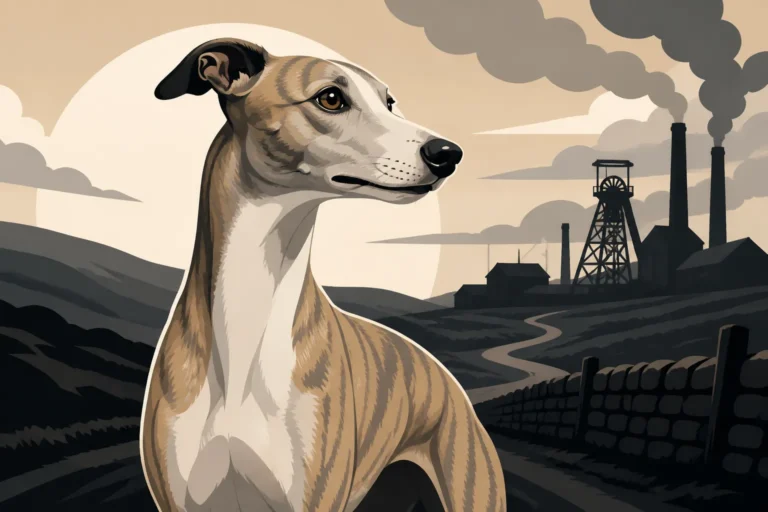
For many of us who adore our Whippets today, it’s hard to imagine them as anything other than pampered, beloved family members, curling up on the sofa and demanding belly rubs. We see their graceful form, their incredible speed, and their gentle nature, but rarely do we connect them to a past where their very existence was intertwined with a family’s survival. This guide delves into the fascinating and often stark history of how these incredible dogs were once vital contributors to the household economy, literally putting food on the table for working-class families, primarily in the harsh industrial landscapes of northern England.
The Historical Context: Whippets in Working-Class Households
Imagine a time when every penny counted, and every mouth was a struggle to feed. For the coal miners, mill workers, and industrial laborers of 19th-century Britain, life was incredibly hard. They worked long, grueling hours in dangerous conditions, often earning barely enough to scrape by. In this environment of scarcity, every resource had to pull its weight, and that included the family dog. The Whippet, often called "the poor man's racehorse," wasn't just a pet; it was an investment, a tool for survival, and a source of both food and meager income.
The Whippet's Humble Origins and Economic Necessity
The Whippet emerged from these working-class communities, specifically bred by miners who desired a smaller, more affordable, and easier-to-keep version of the Greyhound. These were men who lived hand-to-mouth, and while they admired the speed and prowess of the larger sighthounds, a full-sized Greyhound was simply too expensive to feed and house in their cramped cottages. So, they selectively bred for smaller dogs, crossing Greyhounds with smaller terriers for tenacity and speed, creating the Whippet we know today. This was not a pursuit of leisure but a practical necessity. Owning a Whippet was often the only luxury a working man could afford, and it had to justify its keep. It wasn't about fancy pedigrees or show rings; it was about efficiency and utility. How Miners Built the Whippet From a Greyhound They Could Afford delves deeper into these origins.
These families didn't have excess to spare for a dog that simply sat by the fire. Every animal had a purpose, whether it was a cat keeping vermin from the larder or a dog helping to secure food. The Whippet fit this need perfectly. Its compact size meant it ate less than a Greyhound, making it a more viable option for those on a tight budget. Yet, it retained much of the sighthound's incredible speed and keen eyesight, qualities that were invaluable for hunting small game. This blend of manageable size and exceptional ability made the Whippet an indispensable part of many households, a silent partner in the constant struggle against hunger.
From Pet to Provider: The Dual Role of the Whippet
It's easy to romanticize the idea of a working dog, but for these families, the Whippet's role was very real and often quite stark. During the week, the Whippet was often a quiet companion, perhaps curled at the foot of the children's bed, providing warmth and comfort in drafty homes. It was a cherished member of the family, loyal and affectionate. But come Saturday or Sunday, that same dog transformed into a focused hunter or a lightning-fast racer. This dual role meant the Whippet had to be adaptable, gentle enough for the family yet fierce and driven when the need arose.
The bond between a miner and his Whippet was incredibly deep, forged in shared hardship and mutual reliance. The dog wasn't just property; it was a partner. Its success meant a meal, or perhaps a few shillings that could buy bread or pay for essentials. This relationship instilled a profound understanding of the Whippet's instincts and capabilities, something that modern owners often struggle to grasp when their pampered pet dashes after a squirrel in the park. The stakes were simply so much higher in those days, and the Whippet consistently rose to the challenge, earning its keep and cementing its place in the family unit.
The Art of the Hunt: How Whippets Provided Food
The primary way a Whippet fed a family was through its natural hunting prowess. These dogs were superb hunters of small game, particularly rabbits, which were abundant in the British countryside. Their incredible speed, sharp eyesight, and powerful prey drive made them perfectly suited for this task.
The "Snap Dog" Tradition and Rabbiting Skills
The term "Snap Dog" was often applied to Whippets, a testament to their lightning-fast ability to snap up small game. For a family needing food, going out with a Whippet to "rabbit" was a common and essential activity. Picture a grizzled miner, after a week underground, heading out to the fields with his lean, eager Whippet. The dog would range ahead, eyes scanning the horizon, ears alert for the slightest rustle. When a rabbit bolted from cover, the Whippet was off in an instant, a blur across the landscape. The chase was usually short and decisive. How Whippets Killed Rabbits for the Pot provides more detail on this often-overlooked aspect of their history.
This wasn't sport; it was sustenance. A single rabbit could provide a significant meal for a family, perhaps stewed with what few vegetables were available. The meat was precious, a vital source of protein in a diet often lacking in nutrition. The success of the hunt directly correlated with the family's well-being. A skilled Whippet was an invaluable asset, a living, breathing pantry for a family teetering on the edge of poverty. Owners understood the Whippet's inherent drive, recognizing that Why a Whippet's Chase Instinct Overrides Its Recall was not a flaw but a necessary survival trait.
Beyond Rabbits: Other Small Game and Opportunities
While rabbits were the primary target, Whippets were also capable of catching other small game. Hares, though faster and more challenging, would also fall prey to a particularly swift and determined Whippet. Even birds, flushed from cover, might be caught if the conditions were right. This versatility meant that the Whippet offered a consistent, if unpredictable, source of fresh meat.
Moreover, in some communities, Whippets were used as Whippets as Poachers' Dogs. Poaching, though illegal, was a desperate measure for desperate people. Taking game from large estates was a high-risk endeavor, but the reward of feeding a hungry family often outweighed the danger. A small, silent Whippet, with its incredible speed, was perfect for slipping onto private land, quickly catching game, and disappearing back into the night before gamekeepers could catch them. This aspect of their history highlights the extreme measures families took and the Whippet's integral role in these survival strategies.
More Than Just Meat: The Financial Contributions
Beyond literally providing food, Whippets also contributed financially to their families through racing and other activities, offering a chance at a windfall that could make a significant difference.
Wagering on Speed: Whippet Racing and Prize Money
The speed and agility of Whippets quickly led to organized racing, particularly popular in the industrial towns of the North. These were not the grand, formal affairs of Greyhound racing, but rather "rag races" held in open fields, where owners would lure their dogs across a finish line with a waving rag. These races were fiercely competitive, and the stakes were often incredibly high. Miners would wager their week's wages, sometimes more, on the outcome of a race. Rag Racing and the Week's Wages Riding on a Whippet paints a vivid picture of this intense culture.
Winning a race could mean a significant sum of money for a family, enough to buy food, pay rent, or purchase essential supplies. This made the Whippet not just a hunter but a potential lottery ticket, a source of hope in a bleak existence. The training, conditioning, and careful management of a racing Whippet were serious business, demanding dedication and skill from its owner. Even The Legality of Early Whippet Racing was often a gray area, reflecting the grassroots, often unregulated nature of these events. For example, some owners would engage in What Snap Dog Contests Asked of a Whippet, showcasing their dog's hunting ability for wagers, adding another layer to their financial contribution.
The Hidden Value: Pest Control and Resourcefulness
While not always quantifiable in direct monetary terms, the Whippet's presence also provided indirect financial benefits. Their inherent prey drive made them excellent pest controllers. Rats and mice, common in cramped homes and industrial areas, could contaminate food stores and spread disease. A Whippet, with its quick reflexes and instinct, would keep these populations down, protecting precious food supplies and safeguarding family health. This meant fewer losses due to spoilage and a healthier environment, both significant in an era with limited sanitation and medical care.
Furthermore, the Whippet fostered a sense of community and resourcefulness. Owners would share tips on training, hunting grounds, and even breeding, creating a network of support that was crucial for survival. This communal aspect, centered around their dogs, strengthened social bonds and allowed for shared knowledge, all contributing to the overall well-being of families in tough times. Modern owners, too, can tap into community resources for their Whippets, from specialized foods found on platforms like Chewy to local training clubs that understand sighthound quirks.
Echoes in Modern Times: The Legacy of a Working Breed
Today, our Whippets are far removed from their hardworking ancestors. They enjoy comfortable lives, designer beds, and carefully curated diets. Yet, the instincts and traits that allowed them to feed families centuries ago still run strong.
Understanding the Whippet's Instincts Today
The powerful prey drive that enabled Whippets to catch rabbits is still very much alive in our modern pets. This is why a Whippet can go from a serene snooze to a full-speed chase in a split second, often oblivious to commands when a squirrel or rabbit darts across their path. This historical programming means that What a Whippet Does When It Catches Something is often an instinctive, ingrained response, which can be alarming for owners who haven't understood this part of their heritage. It also explains why, despite being gentle and quiet indoors, they can be absolute rockets outdoors, requiring secure, fenced areas or long lines for safe exercise. For enrichment, modern owners might turn to online retailers like Chewy for puzzle toys or durable chew items to satisfy some of these inherent drives.
Recognizing this ancestral drive isn't about wishing for a return to the past; it's about understanding and respecting our dogs. It helps us provide appropriate outlets for their instincts, whether that's through lure coursing, Fast CAT, or simply regular, safe opportunities to sprint and explore. It also helps us manage their safety, understanding that a loose Whippet near traffic is always a grave risk, given their inability to ignore a fleeing object. We might rely on Chewy for durable harnesses and leads that prevent slips.
The Deep Bond: A Partnership Built on History
While we no longer rely on our Whippets for sustenance, the deep bond between human and Whippet remains. This connection, forged in the crucible of necessity, has evolved into a partnership of companionship, mutual affection, and understanding. Modern Whippet owners, like their historical counterparts, find their lives enriched by these sensitive, athletic, and utterly charming dogs. We still value their quiet presence indoors and their explosive joy outdoors.
The transition from working partner to cherished companion highlights the incredible adaptability of the Whippet. They seamlessly moved from the demanding role of provider to the comfortable life of a family pet, all while retaining the core qualities that made them so special in the first place. When you watch your Whippet zoom across a field or cuddle into your lap, remember the history in their genes, the legacy of a dog that, in a different time, literally helped to keep a family alive. This understanding deepens our appreciation for these wonderful sighthounds and reminds us how truly remarkable they are. Ensuring their health and happiness today, through quality nutrition and supplies, is a modern form of care that reflects that historical bond, with convenient options available from places like Chewy.
| Aspect of Whippet's Historical Role | Description | Modern Equivalent (for owners) |
|---|---|---|
| Hunting for Food | Catching rabbits and small game for family meals. | Lure coursing, Fast CAT, flirt poles to satisfy prey drive. |
| Racing for Wagers | Winning money from rag races to buy essentials. | Organized sports like agility, obedience, or conformation showing. |
| Pest Control | Keeping homes clear of rats and mice, protecting food stores. | Being a vigilant companion, often chasing squirrels/vermin in yard. |
| Affordable Pet | Smaller than Greyhounds, cheaper to feed in tough times. | Still a relatively low-maintenance, quiet house dog. |
| Warmth and Comfort | Cuddling with family for warmth in unheated homes. | Providing companionship, snuggling on sofas and beds. |
| Resourcefulness | Owner's ingenuity in training and finding hunting opportunities. | Researching best care practices, diet, and training methods. |
Disclaimer
This article is for general informational purposes only and does not constitute professional advice. Laws, prices and regulations vary by location and change over time. Consult a qualified professional for guidance on your specific situation.