The Legality of Early Whippet Racing
It's easy to look at the elegant, athletic Whippet today and imagine a refined history of sanctioned sports and purebred enthusiasts. But the truth is, the origins of Whippet racing were far from prim and proper, often existing in a murky legal gray area, if not outright defiance of the law. This guide will explore the fascinating and often illicit early days of Whippet racing, shedding light on why it was frequently clandestine and the social forces that shaped its legality.
The Birth of a Sport: Whippets in the Northern Coalfields
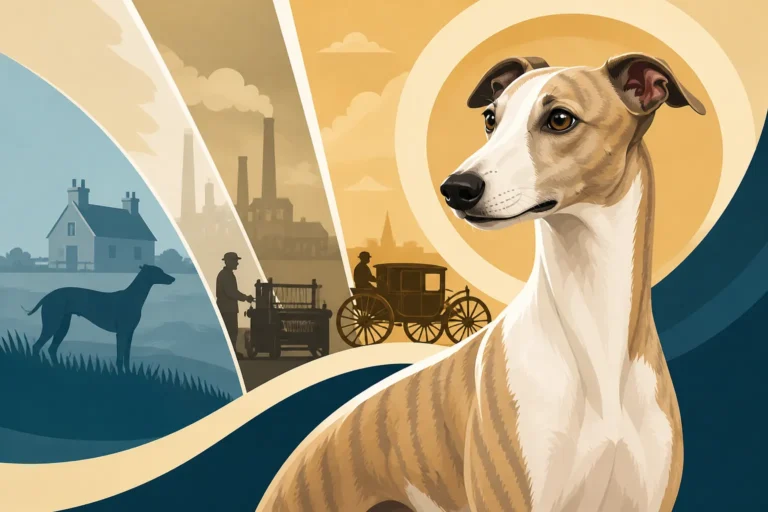
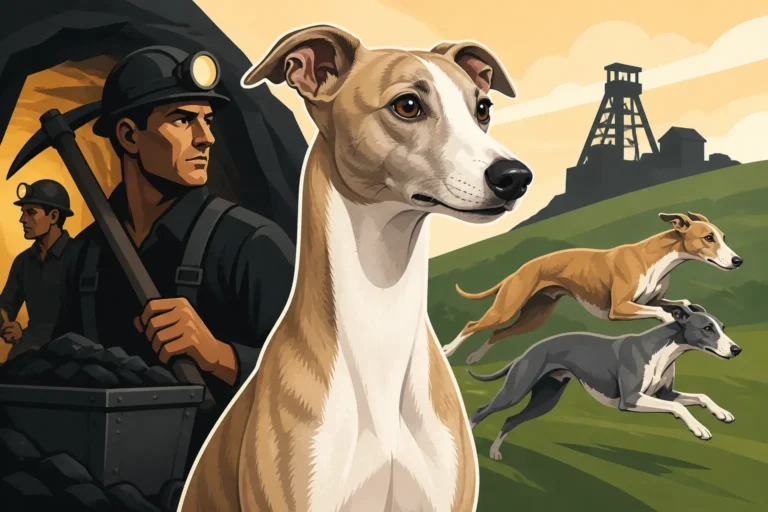
The Whippet, affectionately known as the "poor man's racehorse," emerged from the industrial heartlands of Northern England in the mid-19th century. These weren't the grand, sprawling estates where Greyhounds coursed hares; these were the cramped, soot-stained villages of coal miners and mill workers. Life was hard, and entertainment was scarce and often simple. These working-class communities poured their passion and their meagre wages into their dogs, creating a sport that was both thrilling and deeply personal. It was a sport born out of necessity, camaraderie, and a hunger for excitement.
Imagine a Sunday afternoon, the only real break from the grueling workweek. Men, begrimed from the pits, would gather on hastily cleared patches of land, often just beyond the village limits, where the watchful eyes of the local constabulary might be less keen. Their Whippets, lean and eager, would be lined up, ready to chase a "rag" – a piece of cloth tied to a string – across a short, straight track. The excitement was palpable, a brief escape from the drudgery, a chance for bragging rights, and, crucially, a chance to win a few precious shillings. These events were deeply ingrained in the local culture, a vibrant expression of community spirit, even if they sometimes skirted the edges of what was officially allowed.
Why Whippet Racing Was a Working-Class Affair
The Whippet itself was a testament to the ingenuity and resourcefulness of its breeders. They couldn't afford a Greyhound, the majestic sighthound of the aristocracy, but they could breed a smaller, faster version, often from crosses involving Greyhounds and various terriers. This made the Whippet accessible, a dog that could be fed cheaply, kept in a small cottage, and still possess the incredible speed and chase drive that made racing so exhilarating. How Miners Built the Whippet From a Greyhound They Could Afford delves deeper into this fascinating lineage.
The motivation behind these races wasn't just pure sport; it was also economic. A winning dog could bring in significant prize money, a substantial sum for a family living hand-to-mouth. The pride of owning the fastest dog in the district was immense, but the financial gain was often the true driver. This blend of sport and personal economy meant that races were often spontaneous, informal, and deliberately kept out of official sight, precisely because the stakes involved could attract unwanted attention from authorities who viewed gambling among the working classes with suspicion.
The Informal Nature of Early Rag Racing
These early "rag races" were remarkably simple. There were no starting boxes, no elaborate mechanical lures like those seen on modern tracks. Instead, two men would typically participate: one to hold the dog at the start, and another at the finish line, waving a rag to entice the Whippet to sprint towards them. The dog's owner or a handler might be at the finish, calling their dog by name, creating an intense, personal connection between dog and handler. The distances were short, often just a hundred yards or so, perfectly suited to the Whippet's explosive acceleration.
This informal setup was key to their questionable legality. Without formal organization, designated venues, or official oversight, these events could pop up almost anywhere, disappear quickly, and be difficult for authorities to regulate. It was a grassroots movement, fueled by passion and local rivalry, which, by its very nature, existed outside the established legal frameworks of the time. This contrast is stark when you consider the vast array of specialized items modern pet owners can get from retailers like Chewy for their dogs – from high-tech training tools to advanced nutrition – things unimaginable to those early Whippet enthusiasts.
The Legal Tightrope: Gambling, Public Order, and Animal Welfare
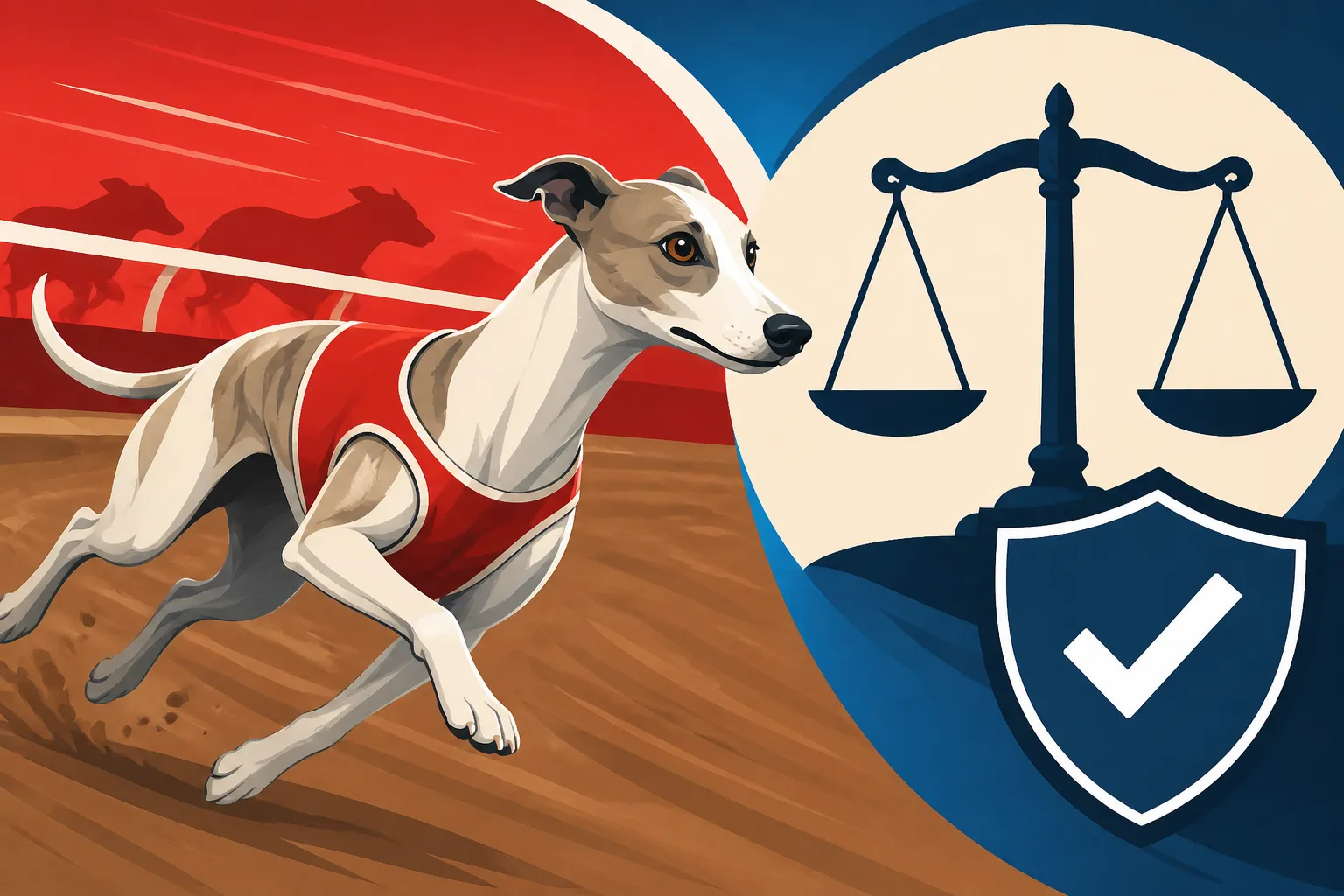
The legality of early Whippet racing was primarily challenged on a few key fronts: gambling, public order, and, to a lesser extent, animal welfare. For the working classes, particularly in the Victorian era and beyond, any form of organized betting was often viewed with extreme suspicion by the upper echelons of society and the law. Gambling was seen as a vice that could lead to destitution, crime, and social disorder, especially when it involved the poor.
Anti-Gambling Laws and Their Impact
The most significant legal hurdle for early Whippet racing was the strict anti-gambling legislation of the time. Betting, even on something as seemingly innocuous as a dog race, was often illegal if it occurred in a public place or involved an unregulated "sweepstake." These laws weren't always designed to stop dog racing specifically, but rather to control public morality and prevent widespread betting that could lead to economic hardship and perceived social unrest among the working population.
For the miners and mill workers, placing a bet on their dog or a neighbor's dog was less about ruinous indulgence and more about a small thrill, a community bond, and the chance to augment a meager wage. They weren't betting huge sums, but enough to make the outcome exciting and the races worth organizing. Because of these laws, if authorities discovered a rag race with money changing hands, participants could face fines or even arrest. This forced organizers to be discreet, choosing secluded locations and keeping a sharp eye out for unwanted visitors. This clandestine nature meant that records were sparse, and much of what we know about The Legality of Early Whippet Racing comes from anecdotal accounts and local folklore.
Public Order Concerns and Social Stigma
Beyond gambling, there were concerns about public order. Large gatherings of working-class men, especially if they were passionate and potentially boisterous, could be seen as a nuisance or a breeding ground for other illicit activities. The authorities often looked askance at anything that might disrupt the established social order. Whippet races, though usually good-natured, could sometimes attract crowds, and with crowds came the potential for arguments, fights, or simply noise that respectable citizens might complain about.
Furthermore, there was a strong social stigma attached to such working-class pastimes. While the gentry enjoyed fox hunting or horse racing, dog racing was often dismissed as a crude, lower-class amusement. This class divide amplified the legal scrutiny, making it easier for authorities to crack down on these events with less public outcry from those in power. It was a clear demonstration of how different social strata were treated under the same laws.
Animal Welfare: A Lesser but Present Concern
While not the primary legal issue, animal welfare concerns did exist, though perhaps not in the same formalized way we understand them today. Whippets were generally well-cared for, often sleeping with their families, a testament to their value as both companion and athlete. Why a Whippet Slept in the Family Bed explores this unique bond. However, the intensity of racing, particularly if not properly regulated, could lead to injury.
In the informal setting of early rag racing, veterinary care was rudimentary, and the emphasis was on speed and winning. Any injury that wasn't immediately life-threatening might be handled with home remedies rather than a trip to a professional. This lack of oversight, combined with the inherent risks of a high-speed sport, could potentially lead to accusations of cruelty or neglect if an animal was seen to be suffering. As the sport evolved, formal rules and organizations would eventually address these concerns more directly, but in the early days, it was often left to the individual owner's conscience and capabilities.
The Slow March Towards Legitimacy and Modern Sporting
Over time, as the Whippet's popularity grew and the sport formalized, the legal landscape began to shift. The sheer enthusiasm for Whippet racing, coupled with efforts by dedicated fanciers, eventually pushed it from the shadowy realm of illicit gambling into the light of organized sport. This transformation was gradual, marked by the establishment of clubs, defined rules, and eventually, official recognition.
Formation of Clubs and Formal Rules
The turning point for Whippet racing's legality began with organization. As interest in the breed and the sport expanded beyond immediate local communities, enthusiasts started forming clubs. These clubs sought to standardize practices, establish rules, and create a more reputable image for Whippet racing. They defined track lengths, established handicapping systems, and introduced a sense of order that was missing from the ad-hoc rag races.
This formalization was crucial. By presenting a structured, organized sport with clear rules and responsible management, it became much harder for authorities to dismiss it simply as unregulated gambling or a public nuisance. These clubs provided a framework that could be recognized and, eventually, tolerated or even sanctioned by local authorities. They demonstrated a commitment to fair play and, increasingly, to the well-being of the dogs.
The Rise of Modern Whippet Racing
The journey from informal rag racing to modern, organized sighthound sports like Lure Coursing and Fast CAT has been a long one. Today, Whippets compete under the auspices of organizations like the National Oval Track Racing Association (NOTRA) and the American Sighthound Field Association (ASFA), with strict rules governing everything from safety and animal welfare to event conduct. These events are fully legal, well-regulated, and celebrated by enthusiasts. When Whippet Racing Became Organized provides more detail on this evolution.
The contrast between the precarious legal standing of early Whippet racing and its current status couldn't be starker. Modern Whippet owners can openly participate in events, train their dogs with specialized equipment, and get all their pet needs met through accessible channels like Chewy, ensuring their dogs are well-fed, comfortable, and healthy. The underground gambling dens of yesteryear have been replaced by family-friendly events where sportsmanship and canine athleticism are paramount.
| Aspect | Early Informal Rag Racing | Modern Organized Whippet Sports |
|---|---|---|
| Legality | Often illegal or in legal gray areas | Fully legal and regulated |
| Primary Challenge | Anti-gambling laws, public order | Adherence to sport-specific rules, welfare |
| Organization | Ad-hoc, local, individual initiative | National/international clubs, formal bodies |
| Venue | Fields, impromptu tracks, secluded spots | Designated, often purpose-built tracks/fields |
| Lure System | Hand-waved rag, person-to-person | Mechanical lure systems |
| Stakes | Personal bets, small cash prizes | Trophies, ribbons, titles, prestige |
| Animal Welfare Oversight | Minimal, owner's discretion | Strict rules, vet checks often mandatory |
| Community Perception | Suspicious, working-class amusement | Respected sport, family activity |
The Enduring Spirit: Legacy in Today's Whippets
The struggles for legality in early Whippet racing forged a resilient spirit in both the breed and its fanciers. The passion that drove those early, clandestine races is still evident in the dedication of today's Whippet owners. While the legal challenges have largely faded, the understanding of the Whippet as a dog of incredible speed, keen sight, and deep affection for its human companions remains unchanged.
From Survival to Sport: A Breed's Journey
The Whippet's journey from the industrial north, where its racing prowess often dictated its family's fortunes and its own survival, to the beloved companion and respected athlete of today, is remarkable. The historical context of its early, often illicit, racing days highlights the profound connection between humans and dogs, especially in challenging circumstances. It wasn't just about the money; it was about pride, community, and the sheer joy of watching these magnificent creatures run.
Today, owning a Whippet is a very different experience. While some owners still participate in sanctioned racing and coursing events, many more simply enjoy their Whippets as loyal, affectionate pets. We can easily provide them with comfortable beds, premium food, and specialized accessories from pet supply stores like Chewy, ensuring they live a life of comfort and care, a stark contrast to the basic necessities available to their ancestors. What a Whippet Needs Every Day covers the modern care requirements for these wonderful dogs.
The Value of a Sighthound's Drive
The strong chase drive that made early Whippets such excellent racers is still a defining characteristic of the breed. While we no longer need to worry about illegal gambling syndicates or dodging the law to let our Whippets run, it's crucial for modern owners to understand this innate instinct. Providing safe, legal outlets for this drive, whether through fenced yards, organized lure coursing, or simply spirited games of fetch, is essential for a happy, well-adjusted Whippet. Why a Whippet Cannot Be Let Off Leash in an Open Field provides crucial insights into managing this powerful instinct.
Understanding the history of The Legality of Early Whippet Racing helps us appreciate the breed's roots and the incredible journey it has taken. It reminds us that behind every well-loved breed is a story, often complex and fascinating, that speaks to the enduring bond between humans and their canine companions, a bond that transcends social class, legal restrictions, and the passage of time.
Disclaimer
This article is for general informational purposes only and does not constitute professional advice. Laws, prices and regulations vary by location and change over time. Consult a qualified professional for guidance on your specific situation.