Which English Counties Made the Whippet
Many of us adore our Whippets today, seeing them as elegant, speedy, and affectionate companions. But have you ever wondered about their humble origins, picturing a time before they graced our sofas and lure coursing fields? This guide delves into the fascinating history of the Whippet, exploring the specific English counties and the working-class people who meticulously shaped this incredible breed into the dog we know and love today.
The Birthplace of the Whippet: A Northern English Tale
The Whippet isn't a product of grand estates or royal kennels; its story is deeply etched into the gritty landscape of industrial Northern England. It emerged from necessity, a testament to the ingenuity and resourcefulness of a populace living through profound societal changes. The sheer speed and utility of these dogs made them invaluable, far more than just pets.
Industrial Roots and Working-Class Needs
During the 19th century, the industrial revolution was in full swing across England. Coal mines, textile mills, and factories dominated the Northern counties, drawing vast numbers of people to urban centers. Life for the working class was tough, marked by long hours, meager wages, and often cramped living conditions. Despite the harsh realities, there was a deep desire for sport, companionship, and a little extra food on the table. It was within this environment that the Whippet began to take shape. Miners and mill workers couldn't afford the upkeep of large, aristocratic Greyhounds, nor did they have the space for them. They needed a smaller, faster dog that could thrive in a modest home and still fulfill a crucial role. This dual need for an efficient hunter and an accessible racing dog directly influenced the Whippet's development, leading to its nickname, the "poor man's racehorse."
These families weren't just looking for entertainment; they were often looking for survival. A dog that could catch a rabbit or participate in a rag race to win a week's wages could mean the difference between a full belly and hunger. The development of the Whippet was, therefore, an organic process, driven by the very real, practical needs of the people who bred them. Each selective breeding decision was tied to improving the dog's ability to hunt or race, favoring speed, agility, and a keen eye.
The Intersection of Sport and Necessity
The culture of "snap dog" contests and rag racing was prevalent in these industrial areas. These weren't the organized, highly regulated events we might think of today; they were often spontaneous, community-driven gatherings where local pride and small wagers fueled the excitement. A snap dog contest involved placing rabbits or rats in an enclosed pit and seeing which dog could "snap" or kill the most in a given time. While certainly not a practice we condone today, it was a brutal reality of the era and highlighted a dog's prey drive and efficiency.
Rag racing was another popular pastime. Picture a straight track, often little more than a dirt path, with an owner at one end waving a rag or handkerchief to entice their dog to sprint towards them. The dogs would hurtle down the track, showcasing their incredible acceleration and speed. These events were a source of thrilling entertainment and a means for people to win small sums of money, supplementing their meager incomes. The dogs that excelled in these contests were the ones that were bred, perpetuating the desirable traits of speed, eagerness, and responsiveness. This hands-on, grassroots approach to breeding meant that utility and performance were paramount, deeply ingraining the Whippet's athletic prowess into its very DNA.
Northumberland: The Heart of Whippet Development
While the Whippet's origins are broadly Northern English, specific counties played more prominent roles. Northumberland, with its extensive coalfields and a strong working-class culture, stands out as a primary crucible for the breed. It was here that the practical application of these dogs truly solidified their purpose.
The Miners' Companion and Hunter
Northumberland's mining communities were tight-knit and self-reliant. Miners often lived in small cottages, and their dogs were an integral part of their lives, not just working animals but also members of the family. These dogs, the ancestors of today's Whippets, were cherished. They spent their days accompanying the miners, sometimes even down into the pits, offering companionship in the harsh environment. They were also excellent hunters. How Whippets Killed Rabbits for the Pot describes how these dogs, with their silent speed, were incredibly effective at coursing rabbits and hares in the surrounding countryside. This wasn't merely sport for sport's sake; it was a vital source of protein for families struggling to make ends meet.
The miners' dogs needed to be agile enough to navigate varied terrain, fast enough to catch quick-moving prey, and small enough to be manageable in a domestic setting. This careful balance of attributes led to the selection of dogs that were lean, muscular, and possessed that distinctive arched back that is a hallmark of the breed today. Their presence was so common that it’s often said that a miner wouldn't be without his dog, a truly indispensable part of his daily existence.
Early Breeding Practices and Selection
The breeding practices in Northumberland were, by modern standards, informal but highly effective in shaping the Whippet's characteristics. There were no elaborate pedigrees or formal breed clubs at first. Instead, miners and other working-class individuals would breed their fastest, most successful hunting or racing dogs. This was a form of "performance breeding" long before the term existed, where success in the field or on the rag track dictated which dogs continued the line. How Northumberland Miners Bred the First Whippets details this practical, results-driven approach.
The focus was on speed, stamina over short distances, and a powerful prey drive. Dogs that were too large or too slow simply wouldn't cut it. There was a strong emphasis on maintaining a compact size, ensuring the dogs could easily share modest living spaces and be sustained on the limited food available. This constant selection for specific functional traits, rather than aesthetic ones, helped to cement the Whippet's iconic physique and temperament. It's truly a testament to these early breeders that the core essence of the Whippet—its explosive speed and gentle nature—remains so strong.
Durham and Yorkshire: Spreading the Whippet's Influence
While Northumberland might be considered the birthplace, the Whippet's development wasn't confined to a single county. Neighboring regions, particularly Durham and parts of Yorkshire, also embraced and contributed to the evolution of the breed. The industrial landscape and shared working-class culture meant that the conditions that fostered the Whippet in Northumberland were replicated elsewhere.
Expanding the "Poor Man's Racehorse" Footprint
As news and successful dogs traveled between communities, the concept of the small, fast sighthound spread. In Durham, another county heavily reliant on coal mining, the Whippet found a similarly eager population. Miners and factory workers in towns like Sunderland, Gateshead, and Middlesbrough saw the same benefits their Northumberland counterparts did: a loyal companion, a provider of food, and an exciting participant in local sports. The breed became a fixture in the industrial towns of the North East, its presence deeply intertwined with the daily lives and leisure activities of the working class.
The "poor man's racehorse" moniker perfectly captured its appeal. Unlike the aristocratic sport of horse racing, or even Greyhound coursing which often required more space and resources, Whippet rag racing was accessible. It required minimal equipment and could be organized in any open field or street, making it a truly democratic sport. The modest winnings could be significant for a family, fostering a competitive spirit and further cementing the Whippet's place in the hearts and homes of the people. This organic expansion across county lines speaks volumes about the breed's intrinsic suitability for the times.
Regional Variations and Continued Development
While the core characteristics remained consistent—speed, size, and temperament—there might have been subtle regional variations in breeding preferences. Some communities might have favored dogs with slightly more endurance for longer coursing events, while others prioritized explosive speed for short sprints. However, the overarching goal remained the same: utility. These dogs were bred for what they could do, not just how they looked.
This period of dispersed but connected breeding across Durham and Yorkshire likely contributed to the Whippet's genetic diversity within its established type. It ensured that the breed wasn't reliant on a single, narrow genetic pool, but rather benefited from a broader range of successful working dogs. The constant pressure of performance selection meant that only the fittest and fastest dogs truly thrived and passed on their genes, leading to a robust and well-defined type even before formal recognition. It was a time of dynamic, practical evolution, guided by the hands of everyday people.
The Blending of Breeds: Crafting the Whippet's Ancestry
To truly understand which English counties made the Whippet, we must also look at the genetic tapestry from which it was woven. The Whippet didn't just appear; it was a deliberate, albeit informal, blend of existing breeds, carefully selected to create a new type perfectly suited to its environment and purpose. This intelligent cross-breeding was key to its success.
Greyhound and Terrier Influences
The most prominent ancestor of the Whippet is undoubtedly the Greyhound. Miners, while unable to afford or house full-sized Greyhounds, clearly recognized their unmatched speed and coursing ability. They sought to distill these qualities into a smaller, more manageable package. By selectively breeding smaller Greyhounds, or perhaps "runts" that were still fast, they began the process. This direct lineage explains the Whippet's classic sighthound outline, its incredible speed, and its deep chest designed for powerful lung capacity. How Closely the Whippet Descends From the Greyhound highlights this crucial connection.
However, the Greyhound alone didn't account for all the desired traits. Early Whippets also needed a certain tenacity and alertness, especially for snap dog contests or flushing game from dense cover. This is where terrier blood is believed to have entered the mix. Breeds like the Bedlington Terrier or the Manchester Terrier, known for their gameness, prey drive, and smaller size, were likely introduced. This terrier influence could have contributed to the Whippet's slightly more robust bone structure than a delicate Italian Greyhound, its keen hunting instinct, and perhaps even its affectionate, yet sometimes stubborn, personality. The blend was a masterstroke, combining the elegance and speed of a sighthound with the grit and determination of a terrier.
The Role of the Italian Greyhound
While Greyhounds and terriers formed the primary foundation, the Italian Greyhound is also often cited as a contributing factor, particularly in refining the Whippet's smaller size and elegant, finer bone structure. The Italian Greyhound, a much older and smaller sighthound, would have been valued for its compact form and delicate appearance, characteristics that were desired to differentiate the nascent Whippet from merely a small Greyhound.
The introduction of Italian Greyhound genetics would have helped to consistently reduce the overall size of the developing Whippet, ensuring it remained suitable for smaller homes and cheaper to feed. It also contributed to that distinctive "arch over the loin" and the finely chiseled head that we associate with the modern Whippet. This blend of powerful athleticism from the Greyhound, gritty determination from the terriers, and refined elegance from the Italian Greyhound, all under the careful, practical eye of working-class breeders in Northern England, created a truly unique and adaptable breed. It was a genetic experiment driven by necessity, and the results speak for themselves.
Life in the Coalfields: How Whippets Integrated into Family Life
The Whippet’s development wasn't just about breeding for performance; it was about integrating into a particular way of life. The connection between the miners and their Whippets ran deep, showcasing a profound bond born out of shared hardship and mutual benefit. These dogs weren't luxuries; they were woven into the very fabric of existence.
From Work Companion to Household Pet
In the industrial North, dogs like the Whippet were not relegated to outdoor kennels. They were essential members of the household, sharing the meager warmth and space of the family home. Why a Whippet Slept in the Family Bed isn't just a quaint historical detail; it speaks to the practical necessity of keeping these lean, thin-skinned dogs warm in drafty cottages, especially during cold Northern winters. This close proximity fostered an incredibly strong bond between dog and owner. They were companions during lonely hours, silent confidantes, and often the recipients of affection that few other outlets could provide in such a demanding life.
Beyond the home, Whippets accompanied their owners to work or waited patiently for their return. They were a constant presence, whether out hunting for rabbits in the fields or eagerly anticipating the wave of a rag at a weekend race. This constant interaction and shared existence ingrained a deeply social and affectionate nature into the breed. They learned to be quiet and unassuming indoors, conserving energy for their bursts of speed, a trait many modern Whippet owners still cherish in their "forty-mile-an-hour couch potatoes." Their adaptability to both intense activity and peaceful domesticity was a cornerstone of their appeal.
The Economic Impact on Whippet Ownership
For many working-class families, owning a Whippet was not just about companionship; it often had a direct economic impact. As mentioned earlier, a successful hunting dog could bring much-needed food to the table. In a time when meat was a luxury, a rabbit or hare caught by the family Whippet could significantly supplement a meager diet. Beyond sustenance, there was the allure of the prize money from rag races. Rag Racing and the Week's Wages Riding on a Whippet vividly illustrates how a winning dog could bring home a week's wages, a truly life-changing sum for a working family.
This economic incentive meant that Whippets were often highly valued. Their care was taken seriously, ensuring they were well-conditioned and healthy enough to perform. This might seem counterintuitive given the limited resources, but investing in a dog that could potentially bring home food or money was a logical decision. It also fostered a culture of careful observation and selective breeding, as owners meticulously noted which dogs performed best and sought to reproduce those traits. The Whippet, therefore, wasn't just a pet; it was an investment, a small, sleek asset that represented hope and potential in an otherwise challenging existence. Even today, responsible ownership often involves investing in good food, like the high-quality options found at retailers like Chewy, to keep our modern Whippets thriving.
From Regional Dog to Recognized Breed: The Whippet's Rise
The journey from a humble working dog in Northern English counties to an internationally recognized and beloved breed is a remarkable one. It’s a testament to the enduring qualities these early breeders instilled, qualities that transcended their original purpose and captured the hearts of a wider audience.
Formalization of the Breed Standard
As the industrial era waned and organized dog sports grew in popularity, the informal breeding practices of the Northern English counties began to evolve. Enthusiasts, often middle-class individuals who admired the Whippet's elegance and speed, started to push for formal recognition. This meant establishing a breed standard—a written description of the ideal Whippet's physical characteristics and temperament. This movement began in England in the late 19th century. The Year the Kennel Club Recognized the Whippet marks a significant milestone in this process, transforming the "poor man's racehorse" into a legitimate, pedigreed breed.
The formalization helped to preserve the breed's integrity, ensuring that future generations would retain the distinctive traits developed over decades. It moved away from purely utilitarian selection to include aesthetic considerations, although functionality remained a strong underlying theme. This period saw the Whippet’s charm and athleticism recognized beyond the coalfields, opening doors to dog shows and competitive events that extended its reach far beyond its original Northern English strongholds. The creation of breed clubs and the establishment of official records helped transition the Whippet from a regional secret to a national treasure.
The Whippet's Journey Beyond the Counties
Once formally recognized, the Whippet's popularity began to spread rapidly, first across the UK and then internationally. Its elegant lines, gentle nature, and relatively low maintenance compared to larger sighthounds made it an attractive companion for a broader range of people. The initial interest in its racing prowess eventually diversified, with many appreciating the Whippet purely as a pet. How the Show Ring Refined the Whippet explains how the breed's appearance became more standardized, moving away from purely performance-based breeding to include conformation.
The breed’s journey to America, for example, saw it quickly gain favor as a versatile and affectionate household dog. Today, Whippets are cherished companions worldwide, participating in various dog sports like lure coursing, Fast CAT, agility, and obedience, all while maintaining their status as superb house dogs. The legacy of those early Northern English miners and mill workers lives on in every Whippet, a constant reminder of their ingenuity and the enduring bond between people and their dogs. When you pick up treats or toys for your Whippet from a store like Chewy, you're continuing a tradition of caring for a dog that was, and remains, an integral part of human life. This rich history ensures the Whippet isn't just a pretty face; it's a living piece of working-class heritage.
The Cultural Significance of the Northern Whippet
Beyond their practical uses, Whippets held a unique cultural position in the industrial North. They were more than just dogs; they were symbols of working-class ingenuity, resilience, and a love for sport that transcended the drudgery of daily life. Understanding this cultural context is key to truly appreciating Where the Whippet Was Developed.
A Symbol of Working-Class Pride and Identity
For the miners and mill workers, their Whippets were a source of immense pride. In an environment where social status was rigidly defined and opportunities for advancement were scarce, a fast and successful Whippet offered a rare avenue for recognition and respect within their community. Owning a champion rag racer or a dog renowned for its hunting prowess brought prestige. It showcased the owner's skill, not just in breeding and training, but also in understanding and connecting with their animal. This pride often extended to the meticulous care given to these dogs; a well-conditioned Whippet was a reflection of its owner's dedication, much like a well-maintained tool was a sign of a good craftsman.
The Whippet became intrinsically linked with the working-class identity of these Northern English counties. They were dogs of the people, by the people, and for the people. This contrasted sharply with the more aristocratic sports and breeds favored by the gentry. The Whippet embodied a spirit of resourcefulness and quiet determination, traits mirrored in the communities that nurtured them. Even down to their often frugal diets, where every scrap was utilized, the Whippet’s sustenance was managed with the same careful budgeting prevalent in working families, sometimes even including ingredients found at pet supply stores like Chewy in later generations.
Community and Camaraderie Through Whippet Sports
Whippet racing and hunting events fostered a strong sense of community and camaraderie. These gatherings were not just about competition; they were social occasions where people could escape the grim realities of their working lives, share stories, and reinforce neighborhood bonds. The excitement of a race, the collective cheer as a dog streaked across the finish line, or the shared satisfaction of a successful hunt created a powerful shared experience. These informal events provided a vital outlet for recreation and social interaction in often isolated communities.
Wagers, though often small, added an extra layer of excitement and could significantly impact a family's weekly budget. The collective knowledge about breeding lines, training techniques, and local hunting spots was shared, creating a vibrant subculture centered around these swift dogs. This shared passion for Whippets helped to solidify the breed's characteristics, as successful traits were openly discussed and sought after within the community. The cultural significance of the Whippet in these counties lies not just in its utility, but in its role as a catalyst for community, pride, and a much-needed touch of joy in a challenging world.
The Whippet's Enduring Legacy from the English Counties
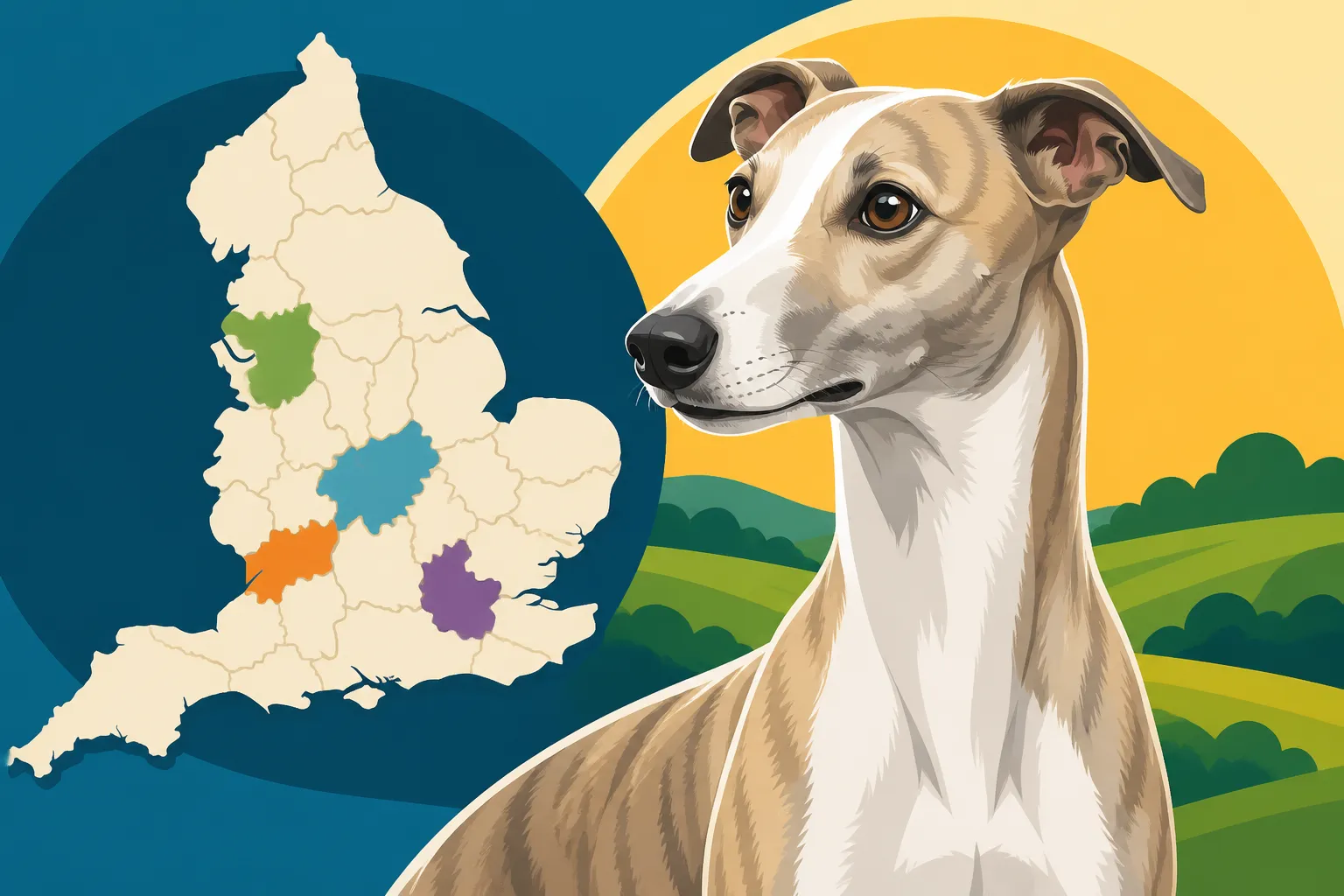
The story of the Whippet is a beautiful example of how a breed can arise from specific geographical and socio-economic conditions, forever carrying the imprint of its origins. The English counties of Northumberland, Durham, and parts of Yorkshire didn’t just produce a dog; they cultivated a legacy that continues to impact Whippet owners and enthusiasts globally.
Traits Forged in the Northern English Landscape
Every time a Whippet bursts into a sprint or curls up gently on your lap, you're witnessing the direct result of centuries of selective breeding by working-class people in Northern England. Their speed, a necessity for hunting and racing, is undeniable. Their compact size, born from the need to fit into small homes, makes them ideal house pets. Their gentle and affectionate nature, developed through close companionship with their families, is one of their most endearing qualities. Even the hardiness to withstand the often chilly, damp Northern climate, despite their thin coats, speaks to their origins.
These traits weren't arbitrary; they were meticulously honed by generations who understood the practical demands of their lives. The Whippet's "snap dog" instincts might have evolved into modern lure coursing, but the underlying drive remains. The desire for a fast, efficient, and loving companion that could also contribute to the household economy shaped a breed that is both supremely athletic and deeply devoted. It’s a delicate balance that continues to captivate owners today.
A Continuing Connection to the Past
While modern Whippets might enjoy luxurious beds and gourmet food, a far cry from the modest existence of their ancestors, the connection to their past remains strong. When you observe a Whippet watching a squirrel with intense focus, or shivering slightly despite a warm indoor temperature, you're seeing echoes of its lineage. Their need for short, explosive bursts of exercise, followed by long periods of rest, is a direct inheritance from the rag racers and rabbit hunters of Northumberland.
The story of the Whippet is a powerful reminder that every breed has a history, and understanding that history enriches our appreciation for our canine companions. The English counties that made the Whippet laid a foundation of excellence, creating a dog that perfectly blended utility with grace, and a working spirit with an undeniable charm. The Whippet is more than just a dog; it's a living piece of industrial history, a testament to the enduring bond between people and their dogs, forged in the coalfields and enduring in our homes today.
| County Name | Primary Contribution to Whippet Development | Key Historical Context |
|---|---|---|
| Northumberland | Initial breeding, focused on speed and hunting utility, miner's companion | Extensive coalfields, working-class communities, rag racing, rabbit hunting for food |
| Durham | Expansion of the breed, continued emphasis on speed for local sports | Similar industrial landscape to Northumberland, spread of rag racing and snap dog contests |
| Yorkshire | Further spread and consolidation of the Whippet type across wider areas | Industrial centers, adoption of the breed for sport and companionship, contributed to genetic diversity |
Disclaimer
This article is for general informational purposes only and does not constitute professional advice. Laws, prices and regulations vary by location and change over time. Consult a qualified professional for guidance on your specific situation.