The Whippets Miners Carried to Work
It's easy to look at a sleek, elegant Whippet curled up on the sofa, seemingly delicate and pampered, and imagine they've always lived a life of quiet luxury. But peel back the layers of time, and you'll uncover a fascinating, gritty history where these sighthounds were not just beloved companions but vital partners to hardworking miners in the industrial north of England. This guide will take you on a journey to understand how the Whippet earned its place in the hearts and homes of those who worked the coalfields, shedding light on their surprising resilience and enduring legacy.
The Whippet's Humble Beginnings in the Coalfields
When we think of a Whippet today, images of graceful show dogs or fast lure coursers often come to mind. But their roots are deeply embedded in the harsh realities of the 19th-century British coalfields. These weren't dogs bred for fancy pedigrees or leisurely strolls; they were bred for survival, companionship, and a little bit of sport in a world that offered very little of either.
More Than Just a Pet: A Miner's Companion
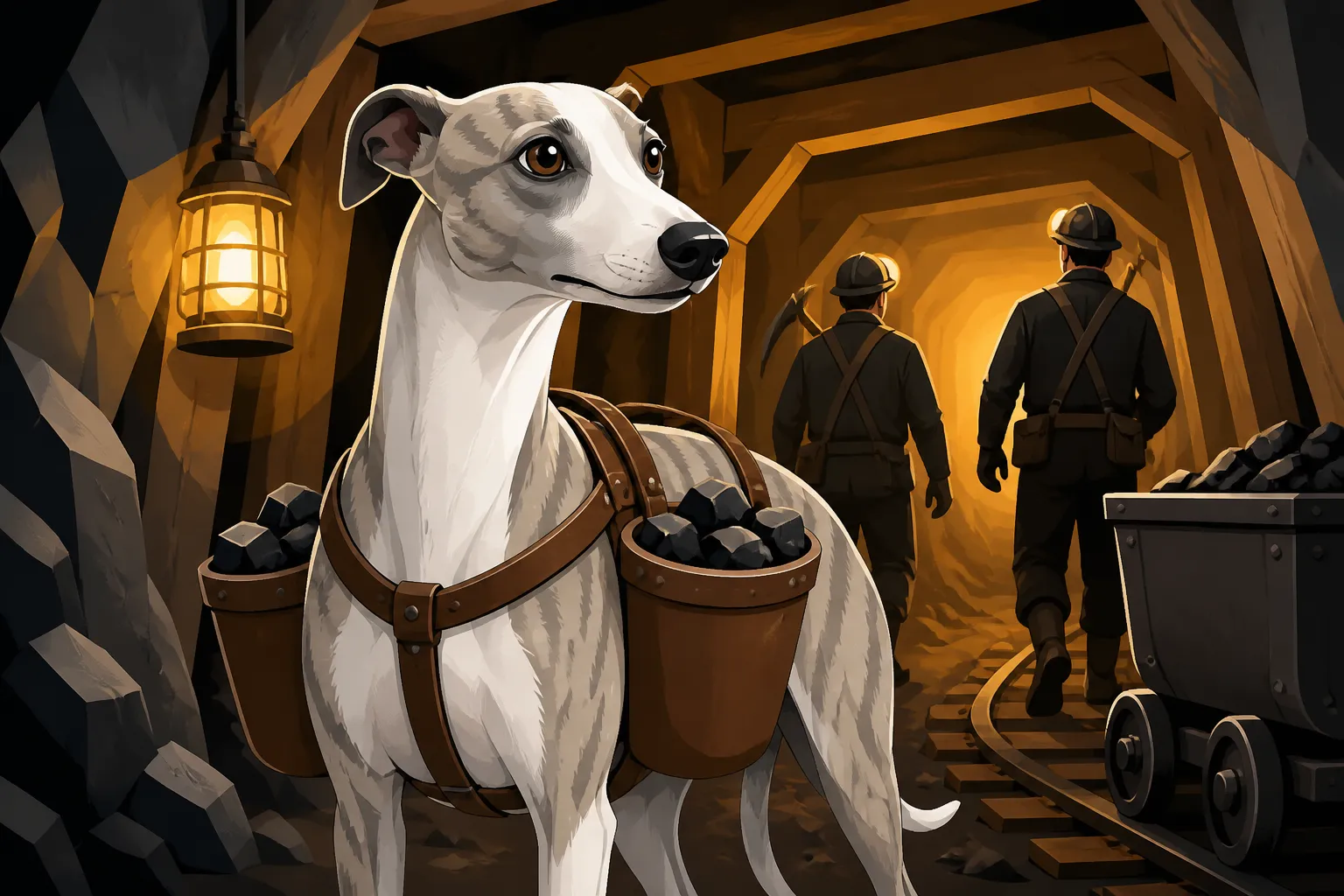
Life for a miner in those days was brutally hard. Long, dangerous shifts underground, often in cramped, dark, and damp conditions, made for a bleak existence. Coming home, the small cottages offered little respite, and money was always scarce. In this environment, a dog wasn't just a pet; it was often the only source of unconditional affection and a practical asset. The Whippet, in particular, became an indispensable part of the miner's family and daily life. They were small enough not to be a burden, quiet enough not to draw unwanted attention, and yet possessed an incredible spirit. How Northumberland Miners Bred the First Whippets is a testament to how these working-class communities carefully cultivated a breed perfectly suited to their needs. These dogs were literally carried to work by their masters, nestled inside their coats, providing a small beacon of warmth and companionship in the cold, desolate journey to the pit head and back.
A Source of Warmth and Comfort
Anyone who shares their life with a Whippet knows how much they adore being warm. Their naturally lean bodies, with minimal body fat and a fine, single coat, make them feel the cold acutely. Imagine the bitter chill of a damp, industrial Northern English winter, and you can understand why warmth was not a luxury but a necessity for both miner and dog. Underground, even the human body heat was precious. Whippets, often carried inside a miner's jacket or tucked into their lap by the fire at home, provided a reciprocal warmth. They became living hot water bottles, huddling close, sharing body heat, forging an unbreakable bond born of mutual need. It’s no surprise that Why a Whippet Slept in the Family Bed became such a common practice; it was practical comfort for both species. That deep-seated need for warmth still manifests in our modern Whippets, who will seek out the snuggliest blanket or the warmest sunbeam with unwavering dedication.
The Practical Role of Whippets in Mining Communities
Beyond companionship and warmth, Whippets earned their keep in very real, tangible ways that were crucial to the survival and occasional upliftment of mining families. They were part of a wider ecosystem of resourcefulness and ingenuity that defined working-class life.
Poaching for the Pot: A Vital Skill
With wages often barely enough to put food on the table, any extra sustenance was a blessing. This is where the Whippet's natural sighthound instincts truly shone. Their incredible speed, keen eyesight, and silent pursuit made them superb poachers. Under the cover of darkness or in the quiet hours after a shift, a miner might take his Whippet to the fields to hunt rabbits or hares. These animals were a valuable source of protein, helping to supplement an otherwise meager diet of bread and potatoes. Whippets as Poachers' Dogs is a crucial part of their heritage, showcasing their ability to secure a meal for the family. The act of poaching was illegal, of course, carrying severe penalties, but desperation often outweighed the risks. The success of a hunt meant the difference between a hungry night and a full stomach, cementing the Whippet's status as a true working dog in every sense. It wasn't about sport for sport's sake; it was about survival, and How Whippets Killed Rabbits for the Pot speaks to the effectiveness of their natural abilities in these desperate times.
A Family's Lifeline: Adding to the Income
Beyond direct sustenance, Whippets provided another avenue for improving a family's fortunes: racing. This was not the formal, organized sport we see today, but rather impromptu "rag races" held in open fields, often on Sundays after church. Miners would gather, each with their prized Whippet, and compete for small wagers, sometimes a week's wages or more. The dog's owner would stand at one end of a field, while a "caller" at the other end would wave a rag or towel, enticing the dogs to sprint towards them. The speed and agility of these dogs, often honed through their poaching activities, were put to the test. Rag Racing and the Week's Wages Riding on a Whippet illustrates the immense value placed on a fast dog. Winning a race could mean the difference between paying a bill or going without, providing a rare opportunity for a bit of excitement and financial relief in an otherwise grueling life. These events were deeply ingrained in the culture, as highlighted by The Legality of Early Whippet Racing, which often saw communities bending the rules to enjoy their beloved pastime.
The Whippet's Adaptability to a Miner's Life
The Whippet wasn't just a beneficiary of the miner's care; its very characteristics made it perfectly suited for this unique way of life. It was a symbiotic relationship, where the dog's traits fit seamlessly into the demands of its human companions.
Small Size, Big Heart: Portability and Discretion
One of the most defining characteristics that made the Whippet ideal for miners was its compact size. Unlike their larger Greyhound cousins, Whippets were small and light enough to be easily carried. This was crucial for several reasons. Firstly, for the miner walking long distances to and from the pit, often in harsh weather, a smaller dog was simply more manageable. They could be tucked into a coat, providing warmth and staying out of the way. Secondly, their small stature aided in discretion. If a miner was out poaching, a smaller, quieter dog was less likely to be spotted by gamekeepers. And finally, in the cramped living quarters of the mining villages, a large dog would have been impractical. The Whippet's ability to curl up snugly, often unnoticed, made them perfect house companions. This portability and their affectionate, calm nature indoors meant that the miner's Whippet was truly an integral part of their personal space, epitomized by the direct observation that The Whippets Miners Carried to Work.
Resilience and Robustness Despite Appearances
Today, some people might look at a Whippet's slender frame and assume fragility. However, the Whippets of the coalfields were anything but fragile. They were tough, hardy dogs, bred for purpose and capable of enduring the challenging conditions alongside their human counterparts. While they certainly felt the cold more than a shaggy terrier, their physical conditioning, bred from generations of active working dogs, gave them an underlying robustness. They needed to be sound of limb and keen of eye to chase down prey in rough terrain and sprint in races. This resilience extended to their temperament too; they were dogs that formed deep attachments and coped with the demanding lifestyle of their owners. It’s a powerful reminder that Why a Whippet Is Tougher Than It Looks is rooted in their very origins. They were not pampered pets, but survivors, a testament to the strong breeding for function over mere aesthetics.
Echoes of the Past: Modern Whippets and Their Heritage
Even though the days of rag racing and poaching are largely behind us, the legacy of the mining Whippet continues to shape the breed we know and love today. Understanding this history isn't just a fun fact; it helps us better appreciate and care for our modern companions.
Understanding Their Instincts Today
Many of the quirks and behaviors we see in our Whippets today can be traced directly back to their working-class ancestors. That incredible burst of speed, that intense focus on a moving object (be it a squirrel in the park or a plastic bag blowing across the lawn), and that innate desire to chase are all direct inheritances from their hunting and racing past. Their deeply ingrained prey drive, for example, is why Thirty Five Miles an Hour and No Brakes on a Whippet's Recall is a saying many Whippet owners know all too well. It's not disobedience; it's instinct. Similarly, their profound need for warmth and comfort, their tendency to burrow under blankets, and their love for soft beds scattered throughout the house are direct reflections of their heritage. Remember, A Whippet Has No Insulation and No Padding, so a cozy spot is not just preferred, it’s a biological necessity. Products you find at retailers like Chewy, from plush beds to warm coats, cater directly to these deeply ingrained traits.
Connecting to Their Roots
As Whippet owners, we have the privilege of stewarding a breed with a rich and meaningful history. Acknowledging their past helps us to understand their present needs. It explains why they might be prone to "counter-surfing" (their ancestors had to be opportunistic!) or why they are so adept at finding the comfiest spot in the house. This understanding also guides responsible ownership. Recognizing their sighthound nature means providing safe, enclosed spaces for them to run, engaging them in activities like lure coursing or Fast CAT, which channel their natural drive in a healthy way. It means understanding that The Household a Whippet Was Built For is one where they are cherished members of the family, sharing the comfort of the home. This connection to their working-class roots only deepens our appreciation for these incredible dogs, who transitioned from the harsh realities of the coalfields to the beloved position they hold in our lives today, still yearning for warmth, companionship, and the thrill of the chase. Many modern Whippet owners source their dog's food, toys, and cozy beds from trusted places like Chewy, ensuring these comfort-loving sighthounds live their best, warmest lives.
| Feature | Miner's Whippet (Historical) | Modern Whippet (Contemporary) |
|---|---|---|
| Primary Role | Companion, hunter (poacher), racing dog, warmth provider | Companion, family pet, sport dog (lure coursing, racing) |
| Living Conditions | Small cottages, often slept with family, shared warmth | Comfortable homes, soft beds, often on furniture, specific coats |
| Diet | Scraps, hunted game (rabbits, hares), supplemented family meals | Commercial dog food (kibble, raw, fresh), occasional treats |
| Exercise | Daily walks, hunting for food, impromptu rag races | Leashed walks, fenced yard sprints, organized sighthound sports |
| Appearance | Lean, functional, built for speed and endurance | Lean, elegant, often shown for conformation, still very athletic |
| Relationship | Survival partner, essential family member, source of income/food | Beloved family member, source of joy and companionship |
Disclaimer
This article is for general informational purposes only and does not constitute professional advice. Laws, prices and regulations vary by location and change over time. Consult a qualified professional for guidance on your specific situation.